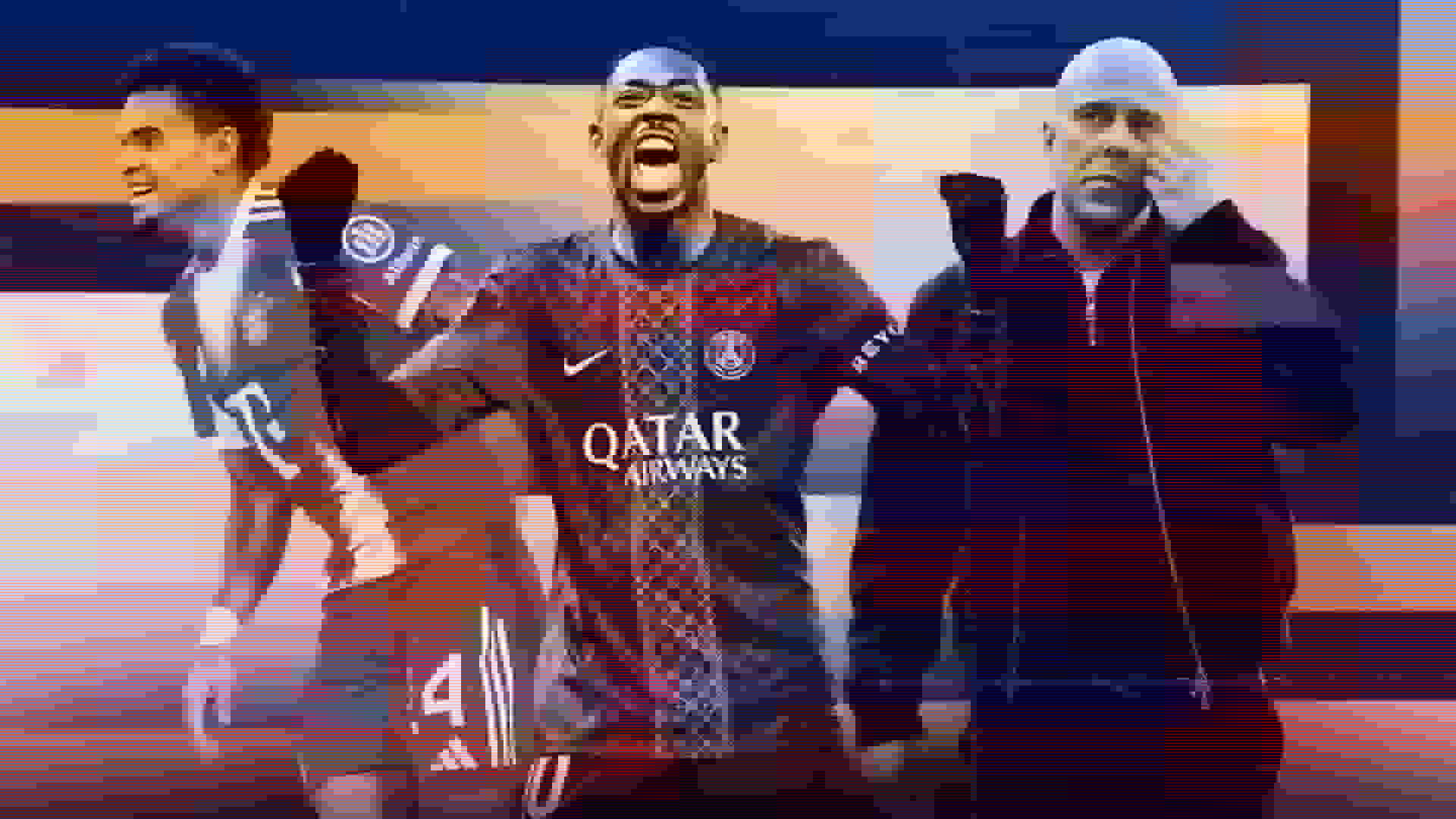
Mandla Ncikazi warns that the Buccaneers cannot afford to let the magnitude of the Soweto Derby distract them from the tactical reality of the pitch. As the Sea Robbers prepare to face Kaizer Chiefs at FNB Stadium, the assistant coach has made it clear that names and reputations count for nothing in the pursuit of the Premier Soccer League title.
The Premier Soccer League title race has taken a dramatic twist following the Tshwane giants’ recent stumble, and the Mayfair outfit is ready to pounce. The Buccaneers attacker has made it clear that the Soweto Derby against Kaizer Chiefs has now taken on even greater significance, with three points enough to stretch their lead at the summit, despite their rivals still holding a game in hand and just a single point behind.
As anticipation builds for this blockbuster Premier Soccer League showdown, all eyes will be on whether it can match the drama and intensity of their last encounter, where the Sea Robbers ran out emphatic 3-0 winners. With a league 'double' firmly in their crosshairs, the Buccaneers are eager to complete the job, replicate their earlier dominance over Amakhosi, and further cement their status as genuine title contenders.
The Soweto Derby remains the ultimate stage of South African football, and the Sea Robbers coach Ouaddou has acknowledged the immense spotlight on his side ahead of the clash with the Glamour Boys, noting that all eyes will be on FNB Stadium.
The quest to be crowned Premier Soccer League champions remains an unpredictable battle as the season edges towards its conclusion. With little separating the frontrunners, every result now carries massive weight in a title contest that could swing either way. That only heightens the excitement around the remaining fixtures, especially those involving Masandawana and the Buccaneers.
In what looked like a prime chance for Mamelodi Sundowns to reclaim top spot in the Premier Soccer League, they stumbled by being held to a frustrating 1-1 draw by Stellenbosch FC. The headlines, however, belong to the Bafana Bafana centre-back, whose late switch-off at the back opened the door for the visitors to snatch a lifeline at Loftus Versfeld Stadium on Wednesday night.
Manchester United, often simply referred to as "United," are one of the most iconic and successful football clubs in the world, based in Old Trafford, Greater Manchester, England. The club was founded as Newton Heath LYR Football Club in 1878 by the Lancashire and Yorkshire Railway depot at Newton Heath. The team changed its name to Manchester United in 1902 and moved to its current home, Old Trafford, in 1910.
Famous players
Manchester United have been home to some of the greatest footballers in history. Sir Bobby Charlton, a World Cup winner with England in 1966, is arguably the most iconic figure in the club's history. Other legendary players include George Best, known for his flair and skill, and Eric Cantona, who brought a winning mentality to the club during the 1990s. More recent stars like Cristiano Ronaldo, Wayne Rooney, and Paul Scholes have also contributed significantly to the club's success.
Honours
Manchester United are one of the most decorated clubs in English football, having won a record 20 Premier League titles (formerly the First Division). They have also lifted the FA Cup 12 times, the League Cup five times, and the UEFA Champions League three times. The club's dominance in English football was particularly evident during the 1990s and early 2000s under manager Sir Alex Ferguson.
Managers
Sir Alex Ferguson is undoubtedly the most successful manager in Manchester United's history. He spent 26 years at the club, leading them to an unprecedented era of success. Before Ferguson, managers like Matt Busby and Wilf McGuinness played crucial roles in shaping the club's identity. More recent managers, including David Moyes, Louis van Gaal, and José Mourinho, have faced the challenge of maintaining the club's high standards.
Stadium
Old Trafford, often referred to as the "Theatre of Dreams," is one of the most famous stadiums in the world. With a capacity of roughly 75,000, it is among the largest football stadiums in the United Kingdom. The stadium has hosted numerous major matches, including UEFA Champions League finals and FIFA World Cup matches.
Location
Manchester United are based in the city of Manchester, which is located in the northwest of England. The club's home ground, Old Trafford, is situated in the Trafford borough. Manchester is a major industrial city with a rich footballing heritage.
Owners
In February 2024, British billionaire Sir Jim Ratcliffe's company, INEOS, acquired a significant 25% stake in Manchester United. This acquisition granted Ratcliffe sporting control over the club, placing him in a position to influence key decisions related to its operations.
Ratcliffe has already made a substantial financial commitment to Manchester United. His large investments demonstrate his dedication to the club's success and his willingness to provide the necessary resources for its growth.
Frequently asked questions
Quando è nato il Milan?
Il Milan è nato nel 1889 con il nome di Milan Football and Cricket Club. La data non è certa, ma il club la fissa tradizionalmente nel 16 dicembre.
Chi è il presidente del Milan?
Paolo Scaroni, dirigente e banchiere italiano, è il presidente del Milan. Il proprietario del club rossonero è invece la società americana RedBird Capital Partners, fondata da Gerry Cardinale.
Come si chiama lo stadio del Milan?
Lo stadio del Milan è chiamato Giuseppe Meazza in onore dell'attaccante dei primi del '900. L'impianto è denominato anche San Siro, in virtù della zona di Milano in cui si trova.
Qual'è la capienza di San Siro?
San Siro, o il Giuseppe Meazza di Milano, ha una capienza di 75.817 posti a sedere. Il Milan condivide lo stadio con i cugini dell'Inter.
Quanti Scudetti ha vinto il Milan?
Il Milan è la terza squadra per Scudetti vinti in Italia. Dietro Juventus (36) e Inter (20) c'è la società rossonera con 19, a un passo dalla seconda stella.
Quante Champions ha vinto il Milan?
Il Milan è la squadra italiana con più Champions League vinte e la seconda in assoluto dietro al Real Madrid. I rossoneri hanno conquistato sette trofei nel corso della propria storia.
Quanti trofei ha vinto il Milan?
Il Milan ha vinto 31 trofei in Italia tra Scudetti, Supercoppa Italiana e Coppa Italia, oltre ad altri venti titoli in giro per il Mondo, di cui anche due Coppa delle Coppe. Il totale è dunque di 51 trofei.
Perché il Milan si chiama così?
Fondata da un gruppo di italiani ed inglesi a Milano, il club venne chiamato con il nome inglese della città, di fatto Milan. Per un periodo la squadra divenne Associazione Calcio Milano per volere fascista.
Perché il Milan gioca in rossonero?
Herbert Kilpin, principale fondatore del Milan e primo allenatore, scelse il rosso per rappresentare il fuoco dei giocatori e il nero come paura degli avversari nell'affrontrare gli stessi.
Perché il simbolo del Milan è un diavolo?
Il Milan scelse i colori rosso e nero per creare una squadra di Diavoli in grado di mettere paura agli avversari. E così, tramite i colori ufficiali del club, arrivò anche il soprannome e il noto simbolo.
Chi ha segnato più goal nella storia del Milan?
Lo svedese Gunnar Nordahl è il miglior marcatore nella storia del Milan con 221 goal. Il record del 'Pompiere' resiste dal 1956, anno in cui ha lasciato i rossoneri.
Chi ha giocato più partite con il Milan?
Paolo Maldini è il giocatore con più presenze in maglia Milan, ben 902. Il difensore rossonero è anche il più titolato, con 26 trofei nella sua lunga carriera
Come è soprannominato il Milan?
Oltre ad essere chiamato club rossonero in virtù dei colori, il Milan è soprannominato anche Il Diavolo. In alcune occasioni i suoi giocatori sono denominati anche Casciavìt.
Quale allenatore ha più panchine con il Milan?
Nereo Rocco è l'allenatore che ha il record di panchine alla guida del Milan, 459. Il 'Paron' ha guidato i rossoneri in tredici stagioni, vincendo anche due Champions League.
Perché i giocatori del Milan sono i Casciavit?
Nel ventesimo secolo i tifosi milanisti furono prevalentemente di estrazione proletaria: per questo motivo venivano chiamati casciavit - cacciaviti - per sottolineare l'origine popolare in contrapposizione ai fans dell'Inter, principalmente borghesi.