Aitana Bonmati has won each of the last three Ballons d'Or Feminin - but the accolade will go to someone else in 2026. Will it be two-time winner and fellow Barcelona star Alexia Putellas who reasserts herself as the best player in the women's game? Or could there be a new name on the honour roll when the Golden Ball is handed out in Paris in October?
France Football has officially revealed the shortlist for the 2026 Men's and Women's Coach of the Year awards, highlighting the tactical masterminds who defined the last season. The nominations for the Johan Cruyff Trophy are heavily dominated by Spanish talent, reflecting a golden era for the nation’s coaching exports across Europe’s top leagues.
GOAL tracks all the qualification campaigns for the 2027 Women's World Cup, breaking down which teams have qualified and which nations could soon join them
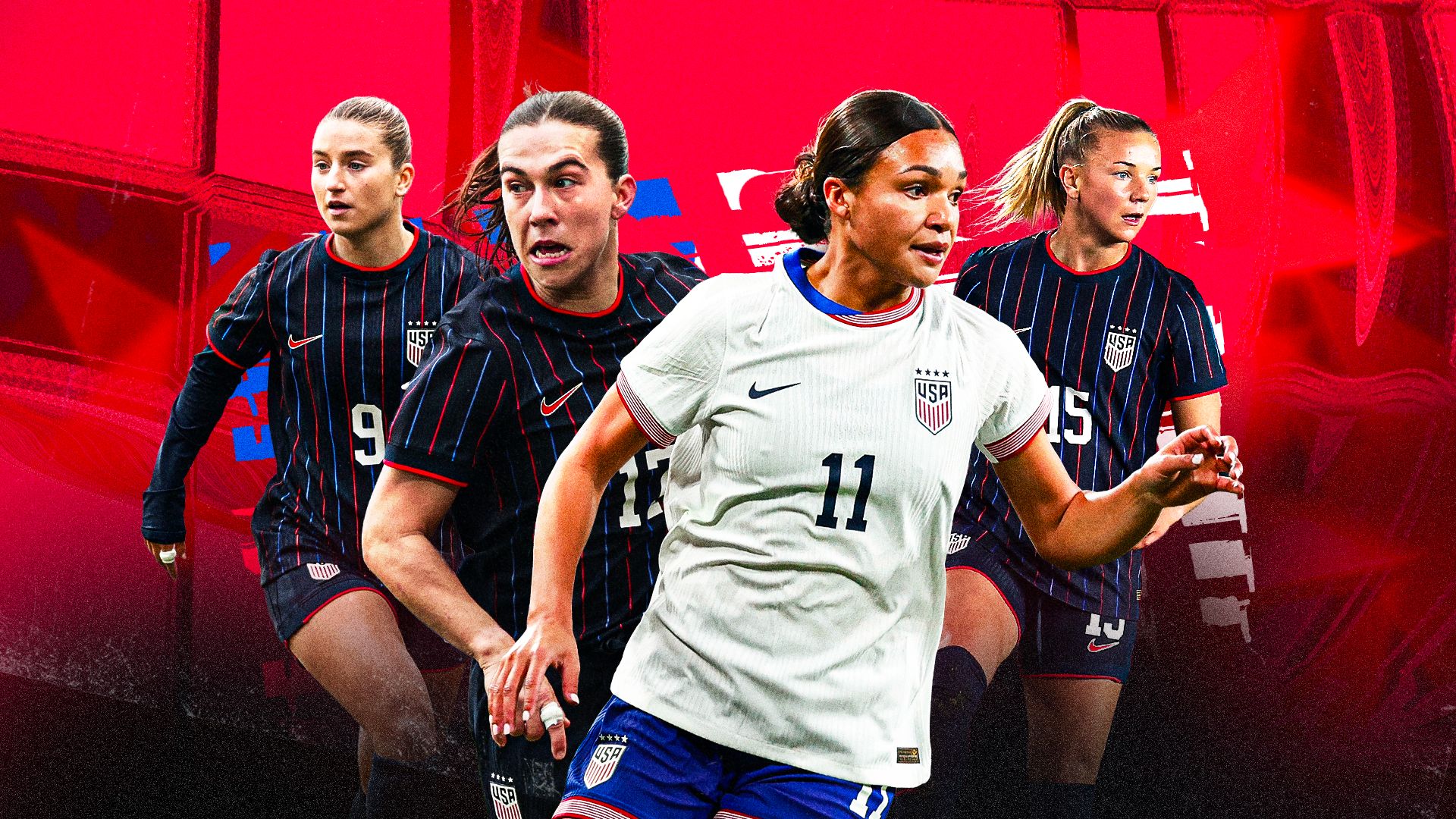
The U.S. women's national team won the three-game series against Japan 2-1, with dominant performances from Lindsey Heaps and Claire Hutton, and some less than impressive showings from a surprising few.
The USWNT beat Japan 3-0 on Friday night, fueled by a goal and assist from center back sub Kennedy Wesley and a strike from Rose Lavelle. The result secured a 2-1 edge in the rare three-game series, as manager Emma Hayes’ “game on” message translated into a sharp performance in Commerce City, Colo.
The USWNT will look to close out final game of three-game series against Japan, and after two games, and a 1-1 record, will enter Friday's match with experience, learnings, and something to play for.
Sophia Wilson, after giving birth to her daughter Gigi in September, returns to the USWNT and the starting lineup for the first time since 2024. Wilson, who earned her 59th cap and 41st start on the night, hadn’t shared the pitch with fellow “Triple Espresso” member Trinity Rodman in 17 months. After a brief feeling-out period, though, the pair looked like they hadn’t missed a beat up top.
The USWNT won their 10th-straight game, defeating Japan 2-1 to open up a series of three games against their long-time rival this month. Rose Lavelle scored and added an assist to push the USWNT past the 2026 AFC Women’s Asian Cup champions.
The US President is seeking to strengthen his influence in the world of football.
This strategic push, though light on specifics so far, is being watched closely by stakeholders across the sport. From domestic leagues to international governing bodies, officials are weighing how the White House might leverage diplomatic, economic, and cultural levers to expand American interests on and off the pitch.
In recent years, football—or soccer, as it is known in the United States—has emerged as a powerful soft-power tool for nations seeking to project influence, attract investment, and build global partnerships. The world’s most popular sport commands billions of fans, making it an attractive arena for political leaders aiming to amplify their messages and forge new alliances.
While the details of the President’s plan remain unclear, several potential avenues are under consideration. These include hosting high-profile tournaments, investing in youth development programs, and using the sport as
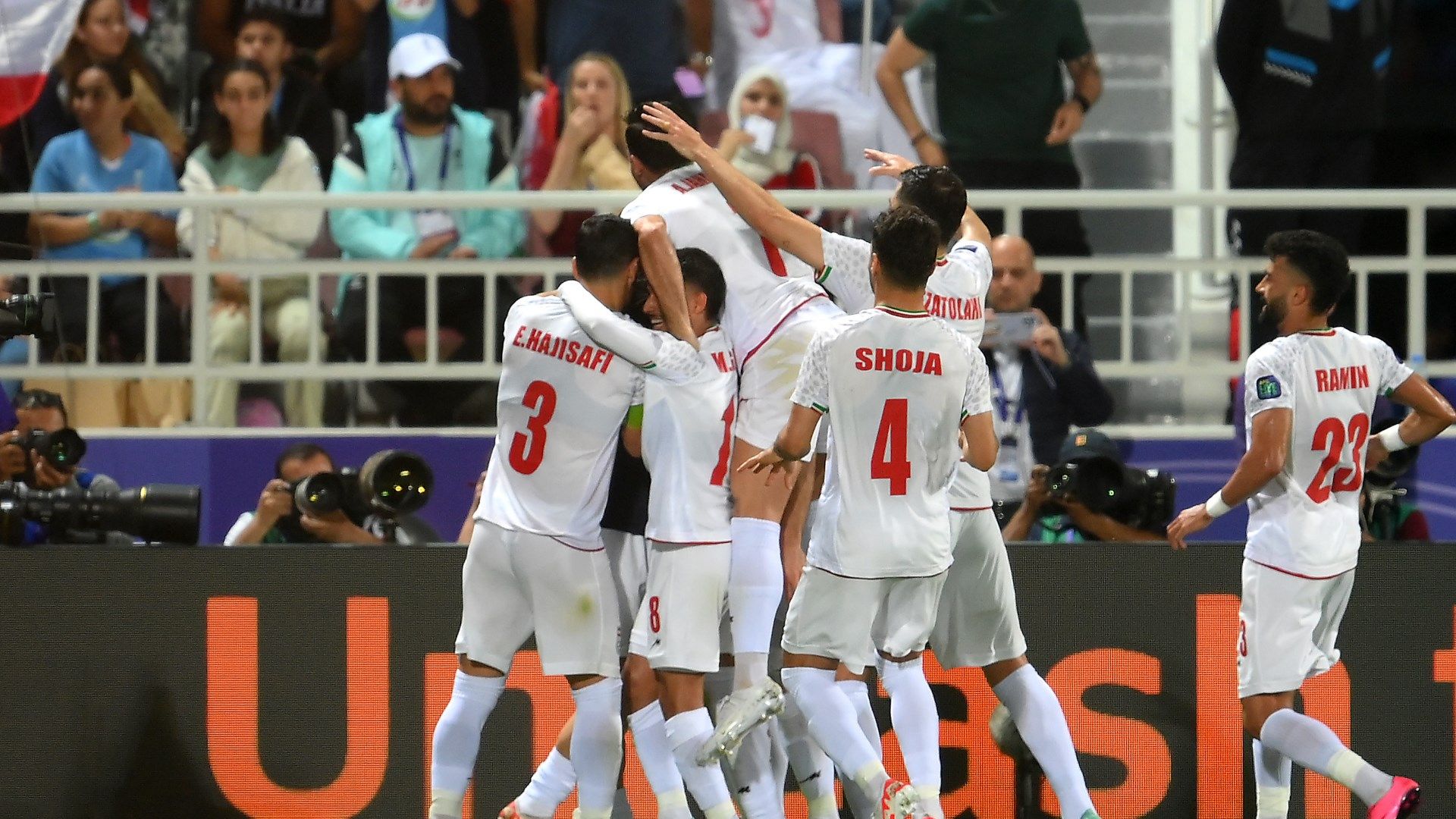
Doubts surround the Iranian national team ahead of the World Cup. As the final whistle approaches for football’s showpiece event, observers in Tehran and beyond sense a palpable unease about the team’s readiness. Concerns range from the squad’s defensive fragility to the lingering effects of domestic political pressures that have shadowed its preparations. Analysts point out that the side has struggled to find consistency in high-profile friendlies, and the coaching staff’s public silence only amplifies the uncertainty. Fans, who have seen their team qualify for a record sixth consecutive tournament, now wonder whether the squad can silence the sceptics when the first match kicks off.
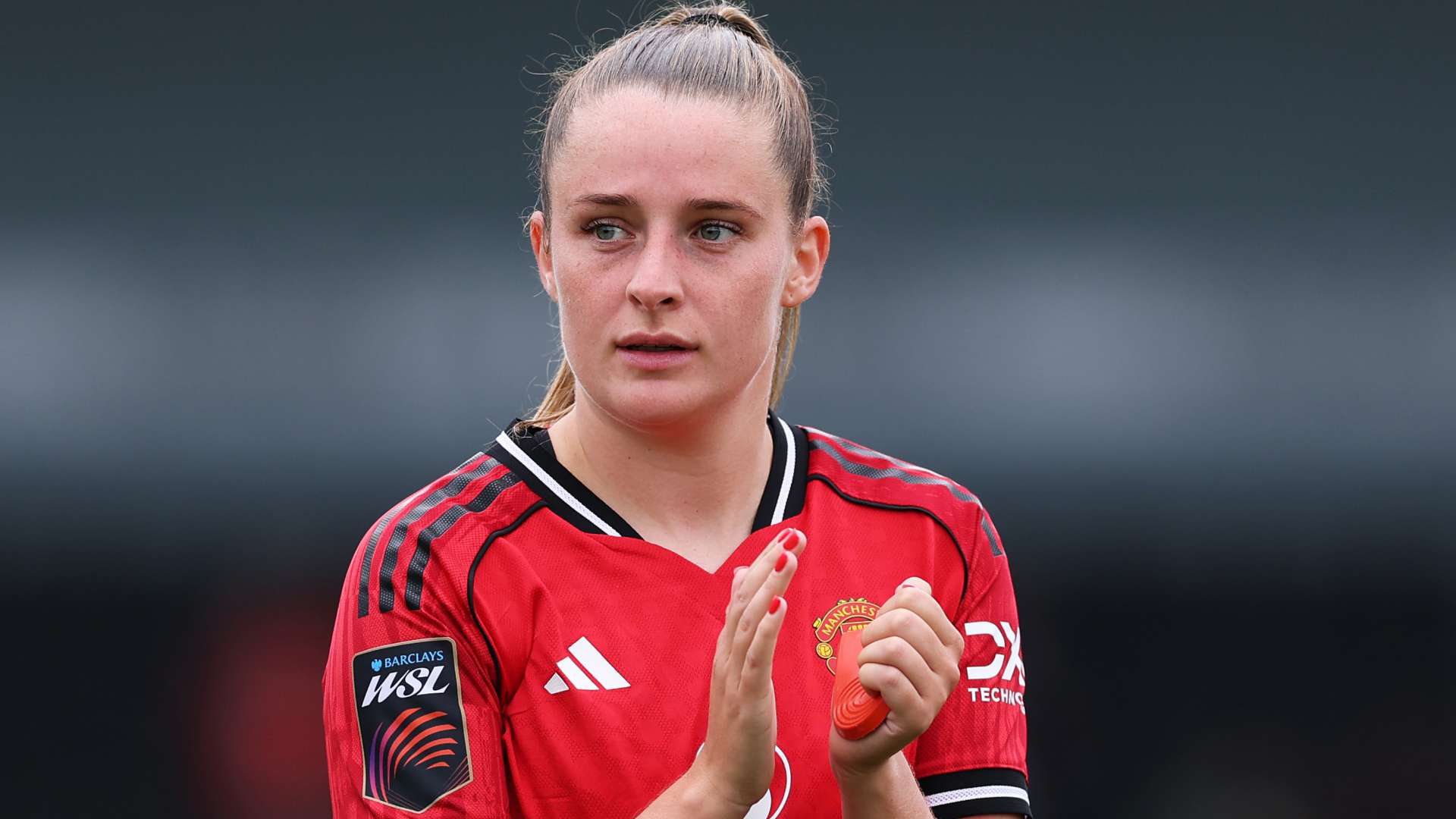
Lionesses star Ella Toone is not expected to return from injury until after the April international break, dealing a significant blow to both England and Man Utd. It's a delay that means the playmaking midfielder will miss United's upcoming games with Manchester City and Bayern Munich, as well as the Lionesses' crucial clash with Spain in World Cup qualifying.
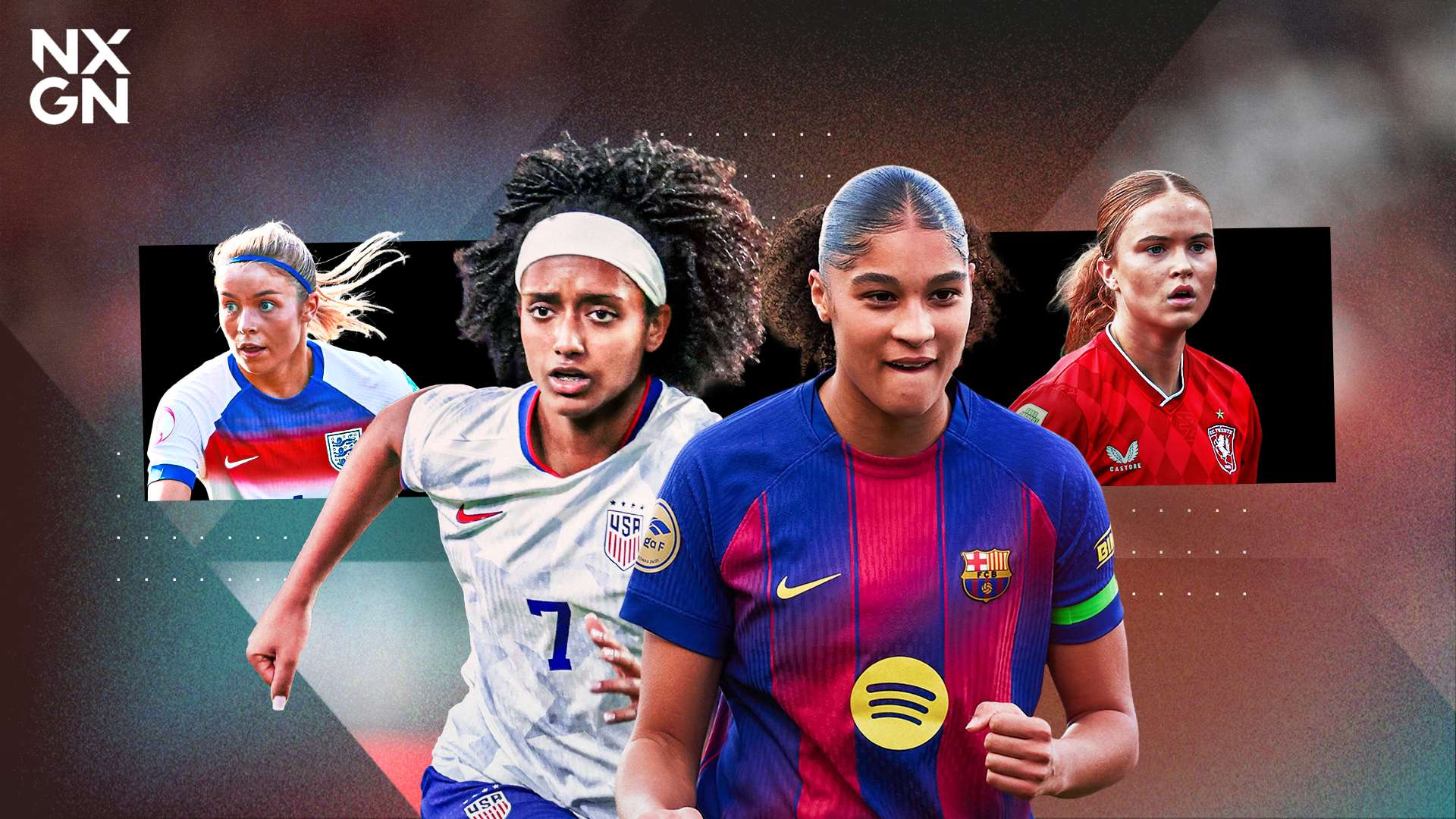
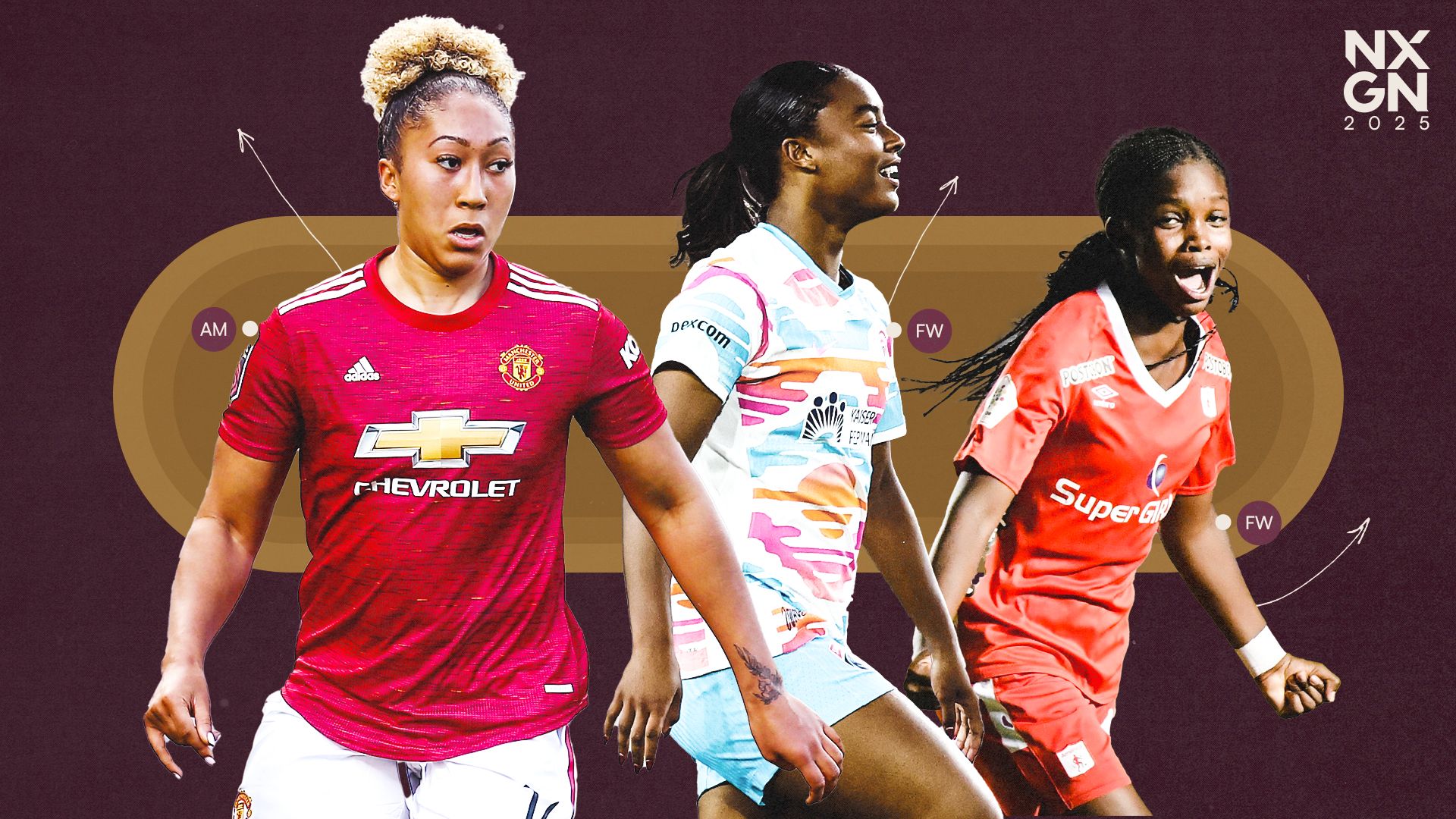
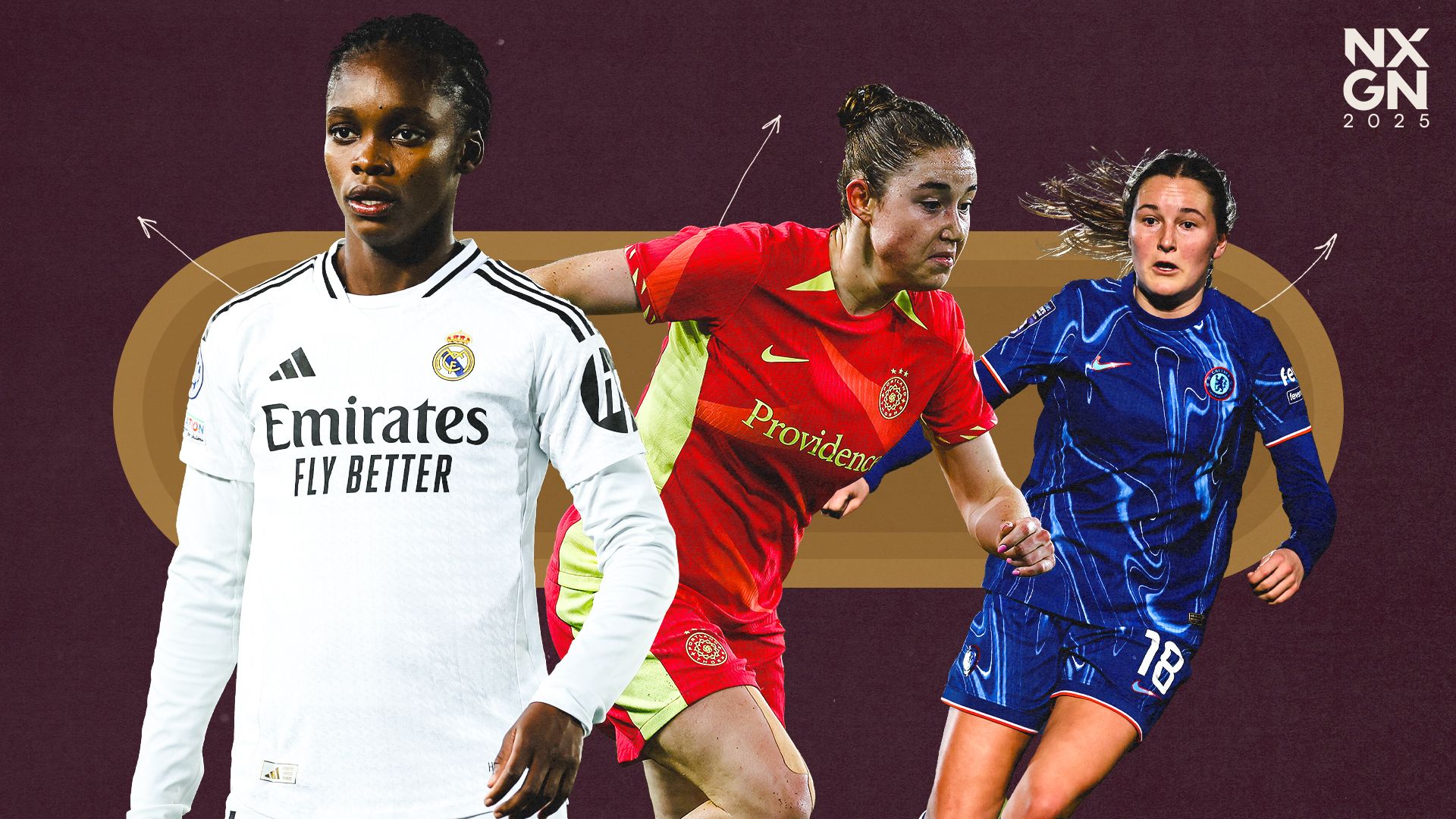
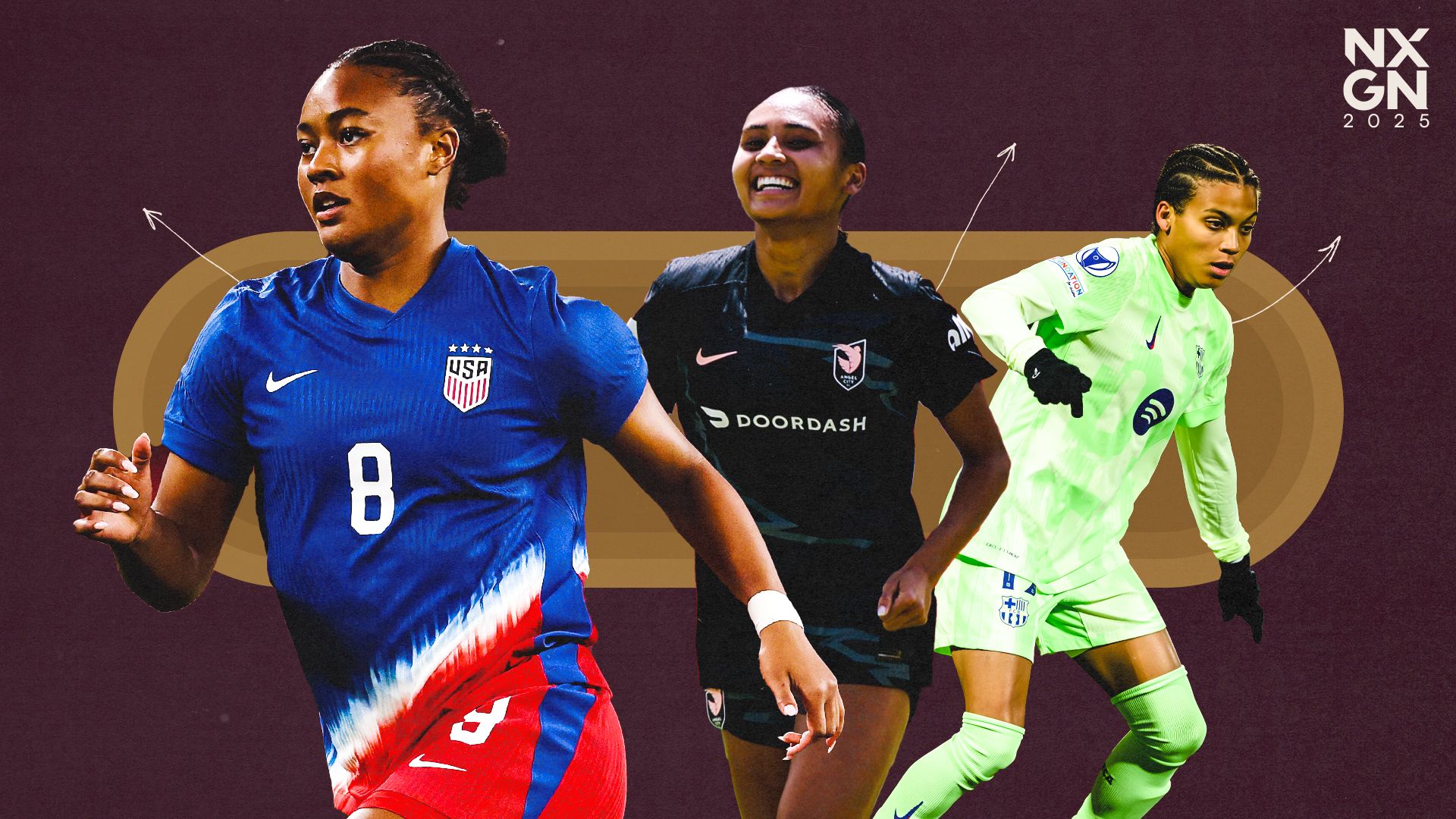
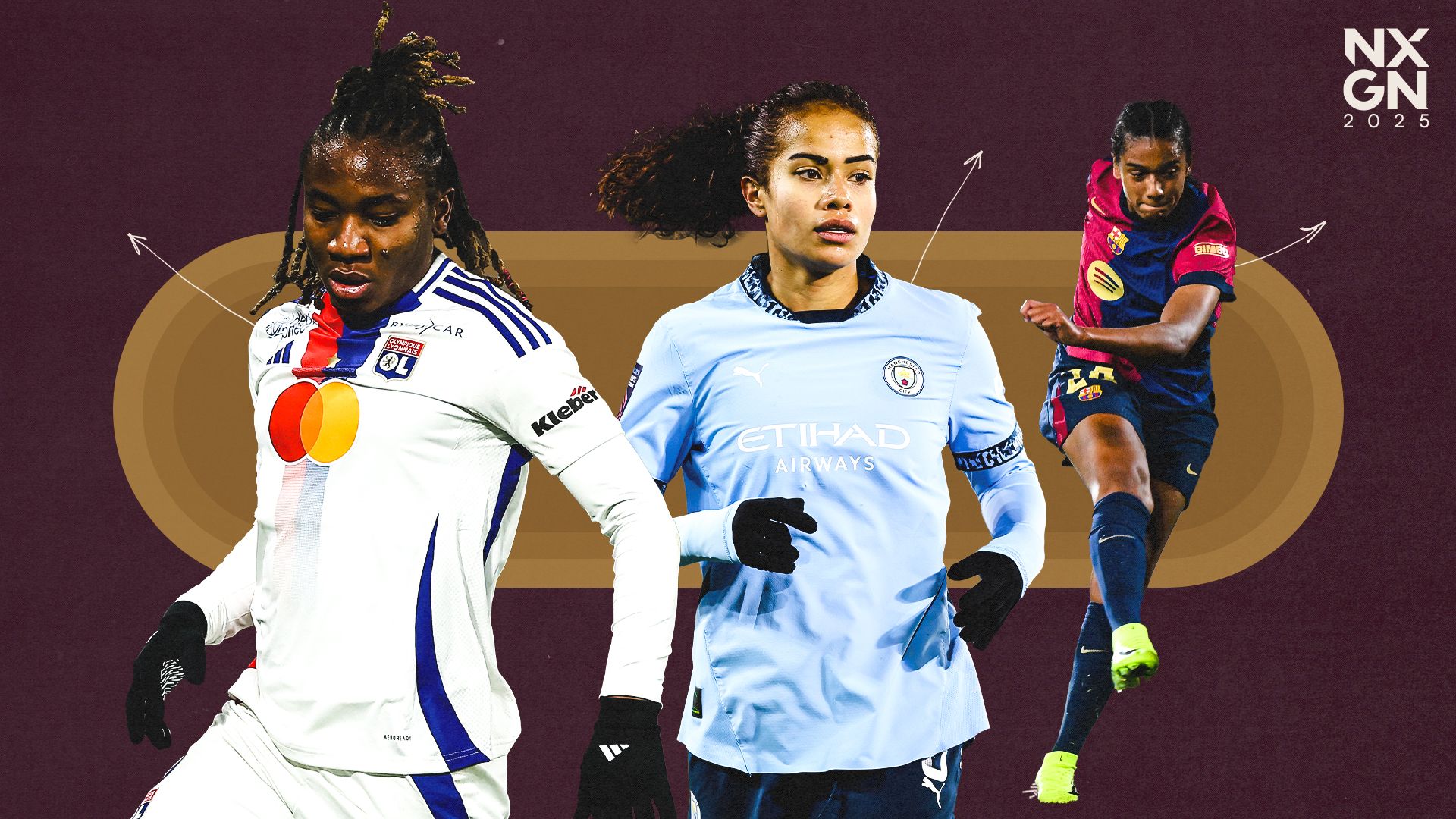
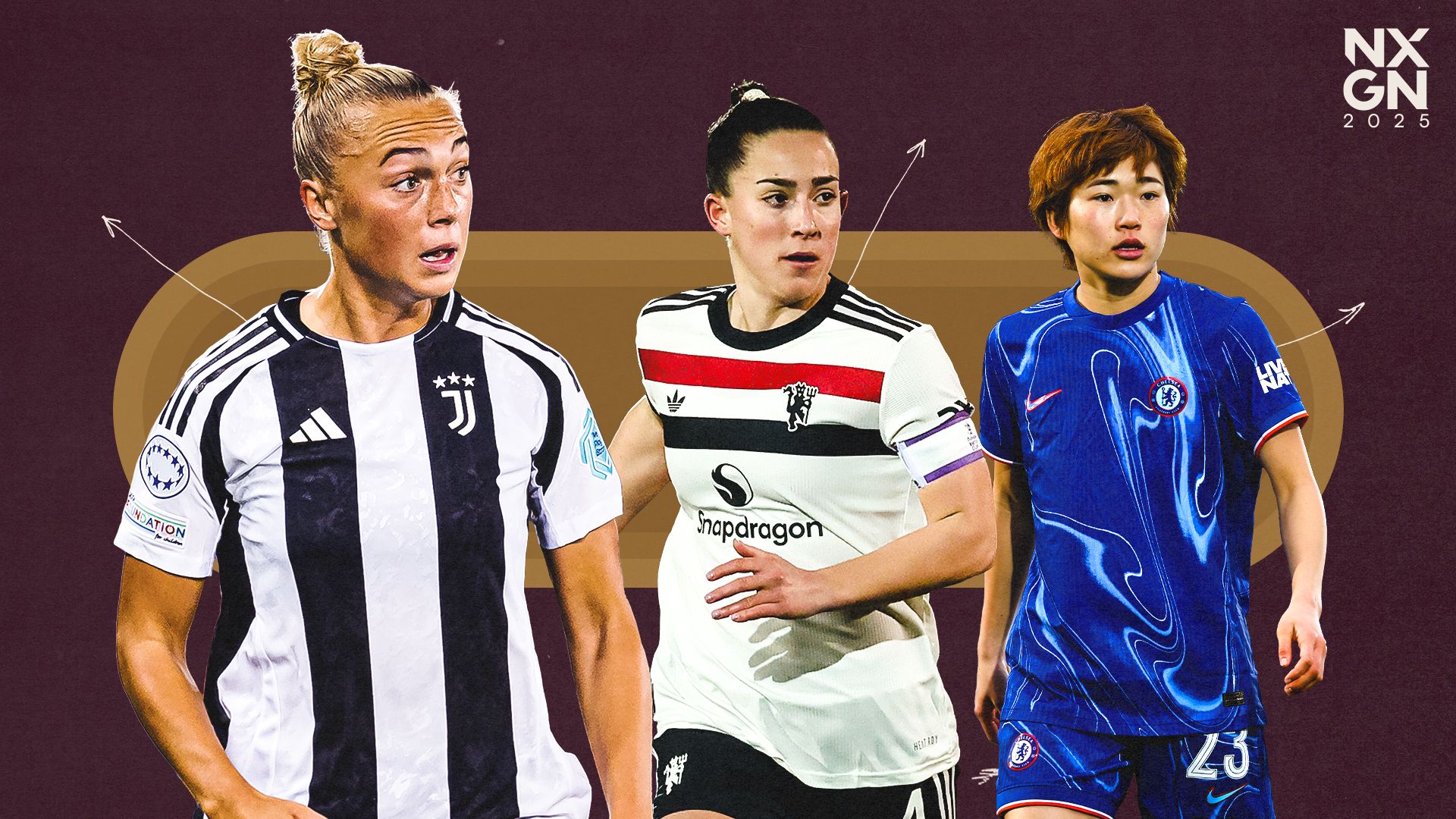
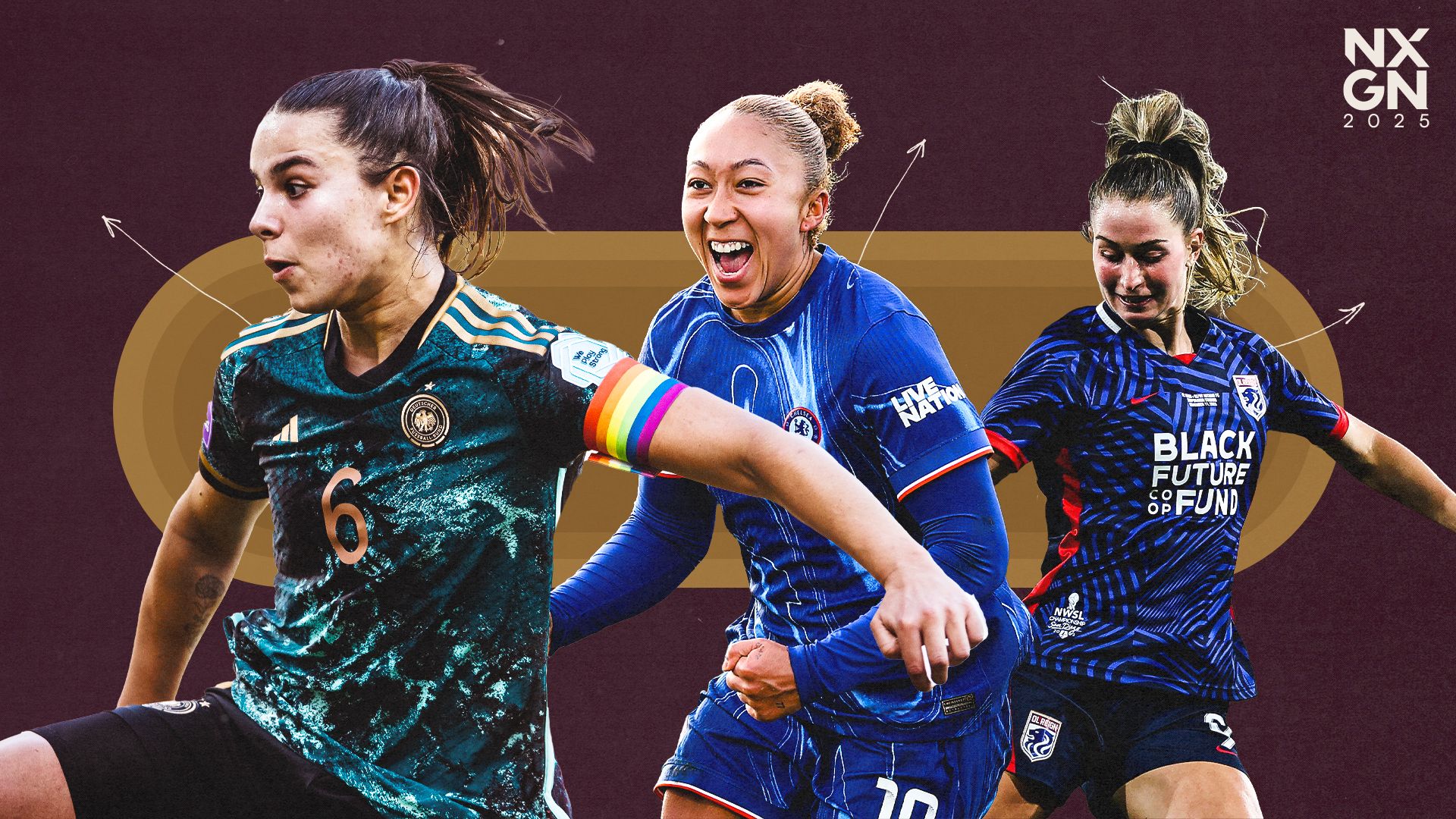
The annual NXGN lists are back for 2026, as GOAL ranks the world's top teenage talents in men's and women's football, crowning winners that will follow in the footsteps of the likes of Jude Bellingham, Lamine Yamal, Lena Oberdorf and Linda Caicedo in being recognised as the best young footballers on the planet.
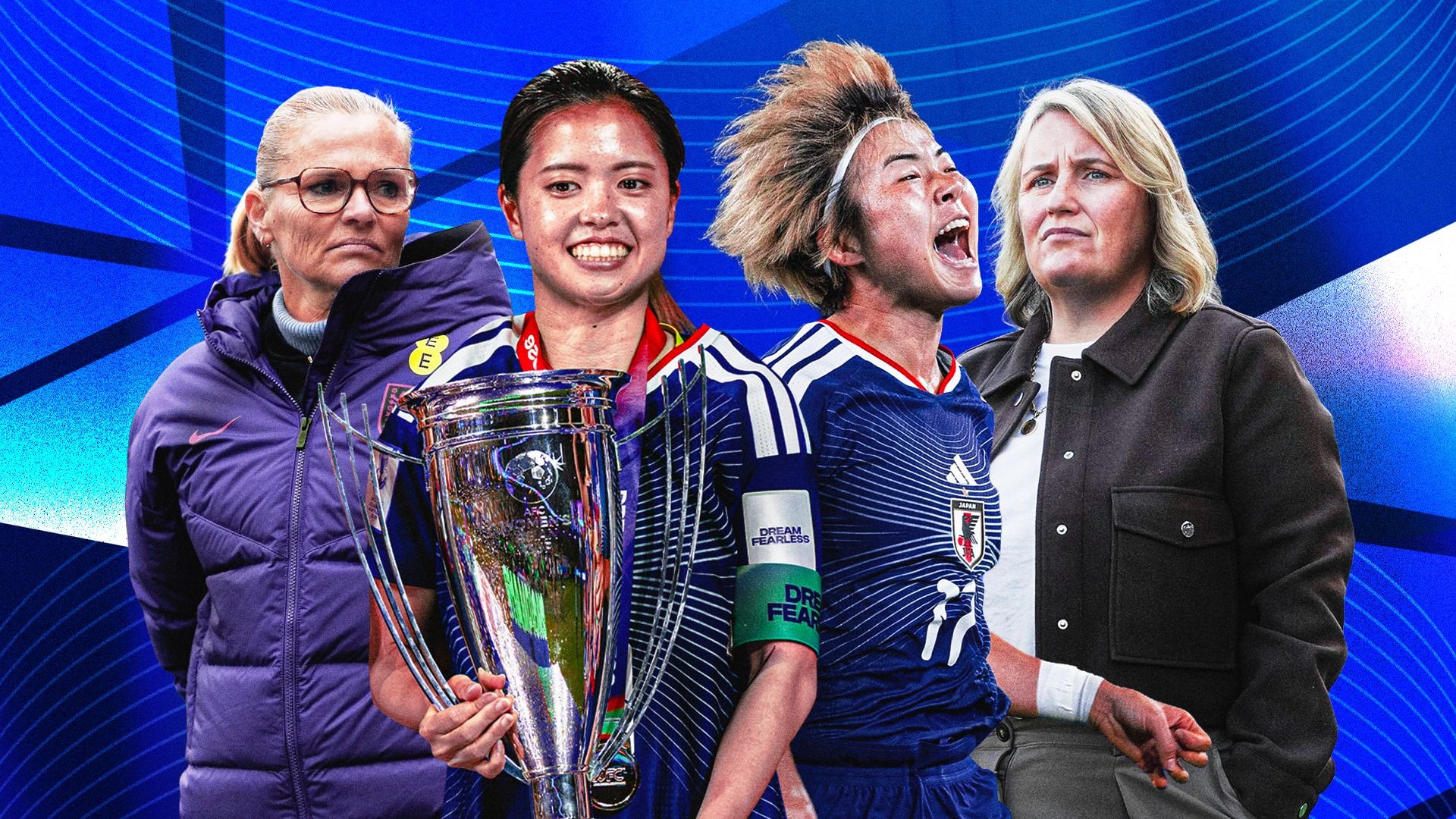
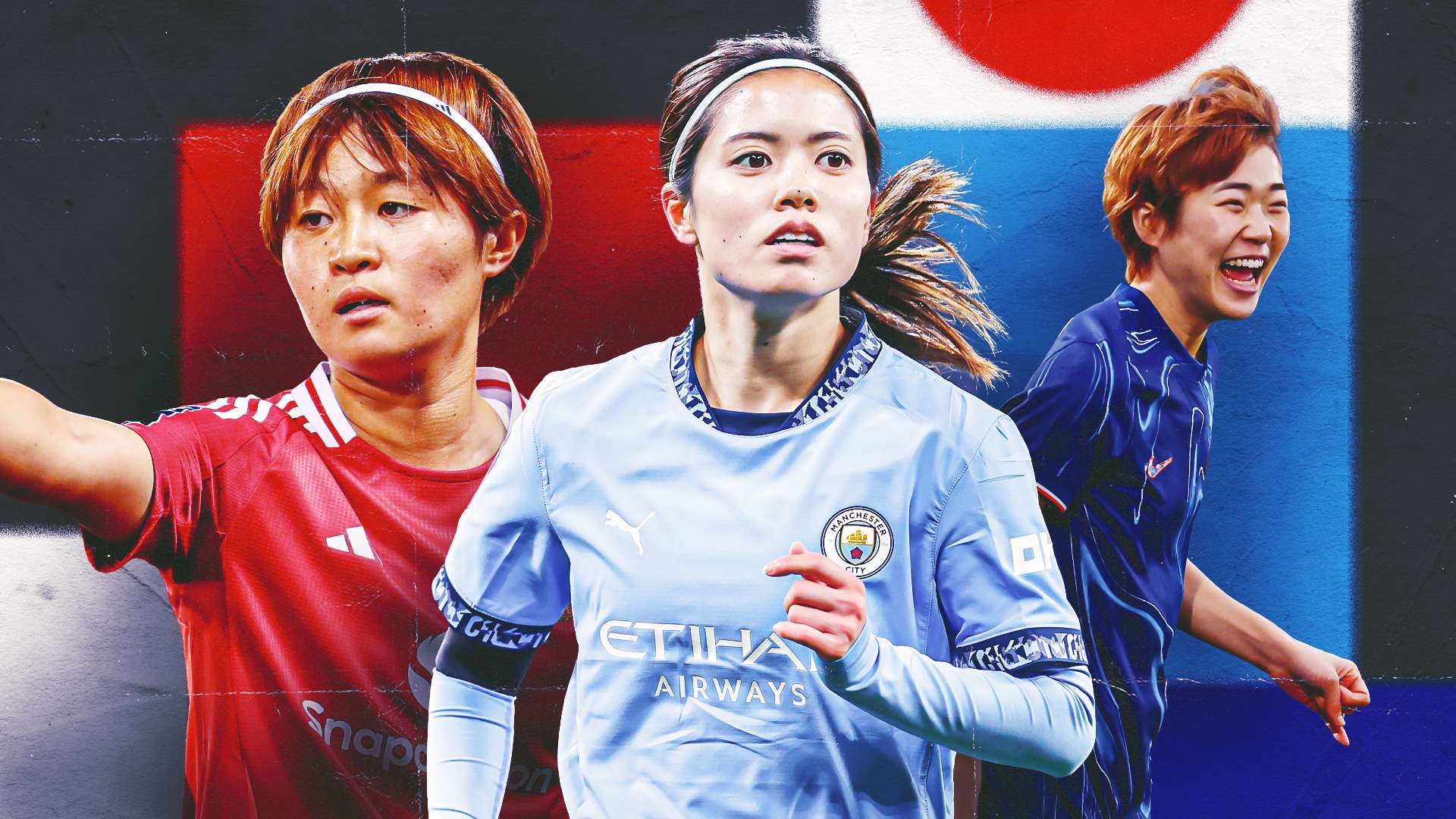
With little over a year to go until the 2027 Women's World Cup kicks-off, some of the front-runners for the trophy are obvious. Spain, the reigning champions, and England, the 2023 runners-up, who beat La Roja in the European Championship final last summer, are right up there. The United States' Olympic triumph in 2024 saw them reinstate themselves at the top of the international game while Brazil, as hosts and South American champions, will fancy their chances, too. This month's Asian Cup, though, has served as a reminder that Japan should also be considered as being right in that mix.
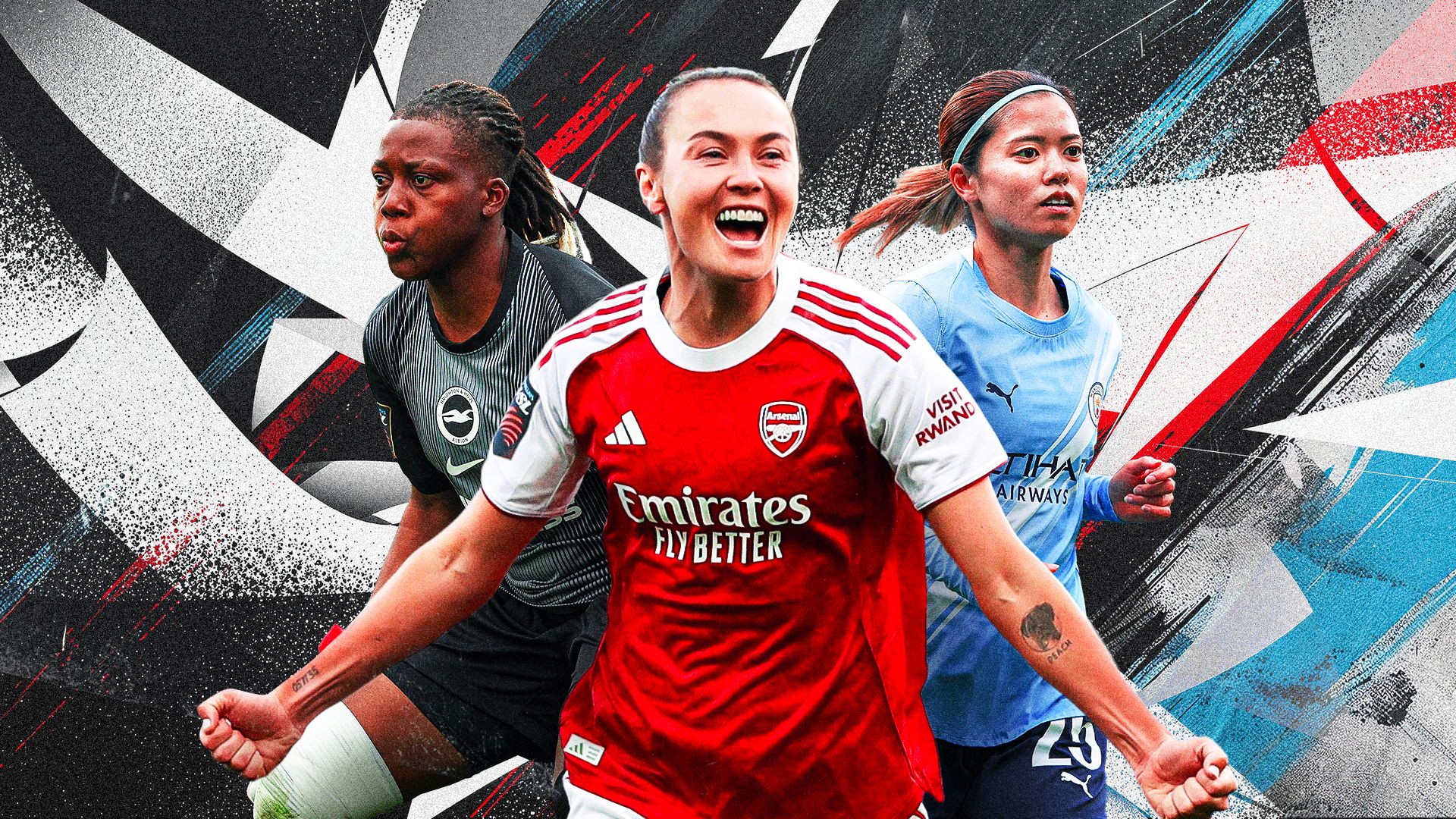
The Women's Asian Cup began on March 1, kickstarting a month that was set to see two of the major tournaments in the women's game take place, with the Africa Cup of Nations to follow on March 17. Incredibly, the latter was postponed just 12 days before it was due to start, but the impact the Asian Cup will have on the continuing club competitions will still be fascinating, as teams across the women's game say goodbye to some of their best players for a few weeks.
The U.S. Women’s National Team will return to action in April with a three-game series against longtime rival Japan during the FIFA window. The matches will be played April 11 at PayPal Park in San Jose, April 14 at Lumen Field in Seattle, and April 17 at DICK’S Sporting Goods Park in Commerce City, Colorado, providing the USWNT with a high-level test against one of the world’s top teams.
.png?auto=webp&format=pjpg&width=3840&quality=60)
 Japan
Japan


.png?auto=webp&format=pjpg&width=3840&quality=60)


.jpg?auto=webp&format=pjpg&width=3840&quality=60)

.png?auto=webp&format=pjpg&width=3840&quality=60)

.png?auto=webp&format=pjpg&width=3840&quality=60)


.jpg?auto=webp&format=pjpg&width=3840&quality=60)
.jpg?auto=webp&format=pjpg&width=3840&quality=60)
.jpg?auto=webp&format=pjpg&width=3840&quality=60)
.jpg?auto=webp&format=pjpg&width=3840&quality=60)
.jpg?auto=webp&format=pjpg&width=3840&quality=60)
.jpg?auto=webp&format=pjpg&width=3840&quality=60)
