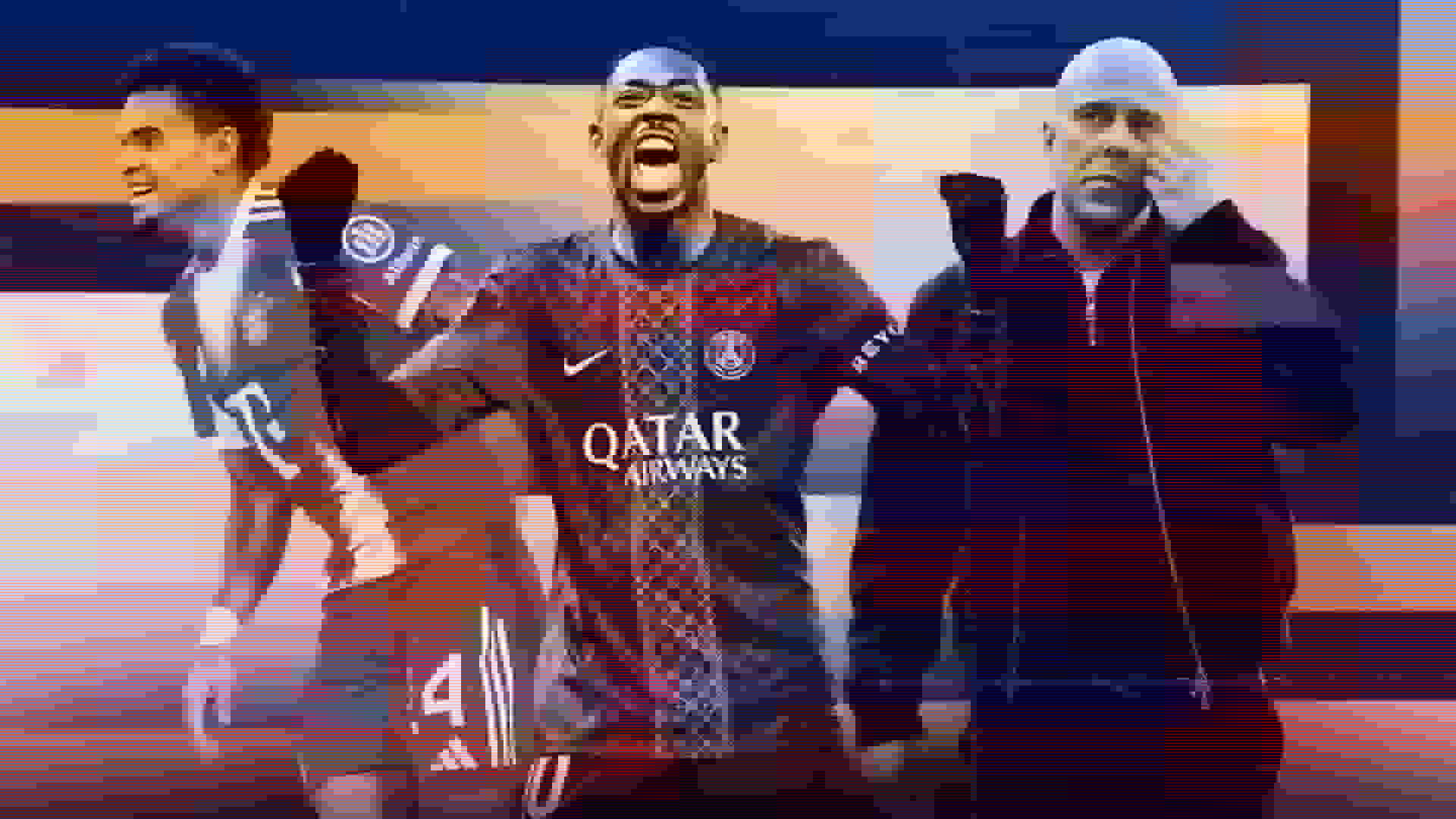
Dick Advocaat has resigned from his role as head coach of Curacao with immediate effect. The 78-year-old veteran had led the Caribbean nation to a fairytale qualification for the 2026 World Cup, but he will not be in the dugout when the tournament kicks off in the United States, Canada and Mexico this summer. The legendary Dutch tactician has made the difficult decision to step away from the game to focus on his family during a challenging period.
There really is nothing like the World Cup. Even just qualifying generates a level of nationwide excitement that the club game simply cannot match, which is why we witnessed truly joyous scenes all across the globe during the November international break, as 14 more countries booked their seat at next summer's festival of football in North America.
The World Cup 2026 draw has been made, with England set to face Croatia in the group stages, and the USMNT to take on Australia. Brazil have been drawn with Morocco, while France will play Senegal and Argentina must face Austria.
With FA president Gilbert Martina - once a fish farm investor and health-care CEO - at the helm, Curacao have risen fast. GOAL explores how a near-impossible dream came true.
Curacao have become the smallest nation ever to reach the World Cup after a 0-0 draw with Jamaica in their final qualifying game. Curacao finished the third round qualifying stage at the top of Group B with 12 points from six games, one more than Jamaica. Ex-England boss Steve McClaren resigned from his post with Jamaica immediately after the final whistle. The other teams that sealed direct qualification from CONCACAF are Haiti and Panama.
Manchester United were founded in 1878, although under a different name at first - Newton Heath LYR. The name Manchester United was born in April 1902, beating alternative suggestions like Manchester Central and Manchester Celtic.
Who are the owners of Manchester United?
Manchester United are currently co-owned by the Glazer family, as well as INEOS founder Sir Jim Ratcliffe. In February, Ratcliffe bought an initial 25% stake in the club, ganing control over all the sporting operations.
What is Manchester United's stadium called?
Manchester United play their home games at the Old Trafford, which is also known as the 'Theatre Of Dreams' among fans and pundits.
What is Old Trafford's capacity?
Old Trafford has a capacity of 74,310, making it UK's second-biggest football stadium in terms of capacity (behind Wembley).
How many trophies have Manchester United won?
Manchester United have an impressive haul of 68 trophies in their prestigious history, which includes 20 league titles, three Champions Leagues, as well as 13 FA Cups.
How many Premier League (top flight) titles have Manchester United won?
Manchester United have won a record 20 English top flight titles. They have won 13 titles in the Premier League era, all of them coming under Sir Alex Ferguson. United, though, haven't lifted the Premier League trophy since the 2012-13 season.
Who has made the most appearances for Manchester United?
With 963 appearances to his name, Ryan Giggs holds the record of making the most appearances for Manchester United. Giggs made his debut for the club in March 1991 and spent his entire professional career, spanning 23 years, at Old Trafford.
Who is Manchester United's all-time top goalscorer?
Wayne Rooney is Manchester United's all-time top goalscorer with 253 goals in 559 games for the club. He spent 13 years at the club, from 2004 to 2017.
Which famous players have played for Manchester United?
Eric Cantona, Cristiano Ronaldo, George Best, Paul Scholes, Wayne Rooney, Rio Ferdinand, Edwin van der Sar, Zlatan Ibrahimovic, Angel Di Maria, and Denis Irwin are some of the most famous players to have donned the Manchester United colours.
Which famous managers have been in charge of Manchester United?
Sir Matt Busby, Sir Alex Ferguson, Jose Mourinho, David Moyes, and Louis van Gaal are among the most famous to have been at the helm at Old Trafford.
What is Manchester United's nickname?
Manchester United are famously known as The Red Devils among their fans and rivals alike. The term was introduced by the legendary Sir Matt Busby in the 1960s – after the tragic Munich air disaster – seeking inspiration from a local rugby club from Salford, who were referred to as "Les Diables Rouges" (The Red Devils) when they toured France in 1934.