Goal.com
Live
+18 | Commercial Content | T&C's Apply | Play Responsibly | Publishing Principles
USL Generic Ball picGetty

'There needs to be alignment' - Inside the USL CBA standoff: protests, stalled talks and a league at a crossroads

Every single player stood still. 

When the opening whistle blared around stadiums in 10 separate USL Championship season-opening matches this weekend, no one kicked a ball for 60 seconds. No one even moved. Fans who had been promised 90 minutes of football only got 89. 

It was, the USL Players’ Association confirmed, a moment of protest to highlight ongoing negotiations over a now-expired Collective Bargaining Agreement. With talks at an impasse, and no deal imminent, this league - which promises to be so big in the scope of American soccer - stands on a knife’s edge. And while discussions are continuing, the two sides remain separated on key issues that will define the future of the league. 

“When people hear ‘professional soccer,’ they have a certain expectation of what that means. Right now, much of the burden falls on individual clubs within the existing framework. For the league to truly reflect that professional standard, the level and balance of investment needs to be more equitably shared between the clubs, League, and players,” A USL player familiar with the negotiations said. 

GOAL talked to a number of sources, who spoke both on and off the record on the status of the CBA, the discussions around it, and where they think negotiations will go in the coming weeks. 
  • USL Soccer ball Imagn

    Reaching for 'professional standards'

    The two sides agreed on a first deal in USL history in 2021, which expired at the end of 2025. The league is currently operating under the terms of that initial agreement, and in active discussions to hammer out a new one. Yet talks have stagnated, and no solution is imminent. 

    League and USLPA sources confirmed that the league and players association have been in tense discussions since 2024. The key term for both sides has been the idea of “professional standards”, the understanding that this is a growing league that needs a new deal that acknowledges the expansion and rise in notoriety of the setup at large. 

    The USLPA prioritized 12-month contracts, a higher minimum salary, mandatory healthcare, and group image rights. The league, in principle, is aligned. But coming to an agreement has proved to be immensely difficult. 

    It is worth pointing out that any CBA would serve as a bare minimum for the league, and some teams offer salary and compensation well above the asks made by the USLPA. Most USL clubs voluntarily exceed the terms laid out by the 2021 agreement. Yet there are a handful of exceptions. In January, a player on a 10-month contract tore his Achilles in preseason. He wasn't covered by workers' comp, and he didn't have club-provided health insurance. He had to foot the bill himself, without coverage. 

     "That is the reality for too many players under the current system, and it underscores why these protections are not optional… They are basic professional standards."  Connor Tobin, Executive Director of the USLPA, told GOAL.

  • Advertisement
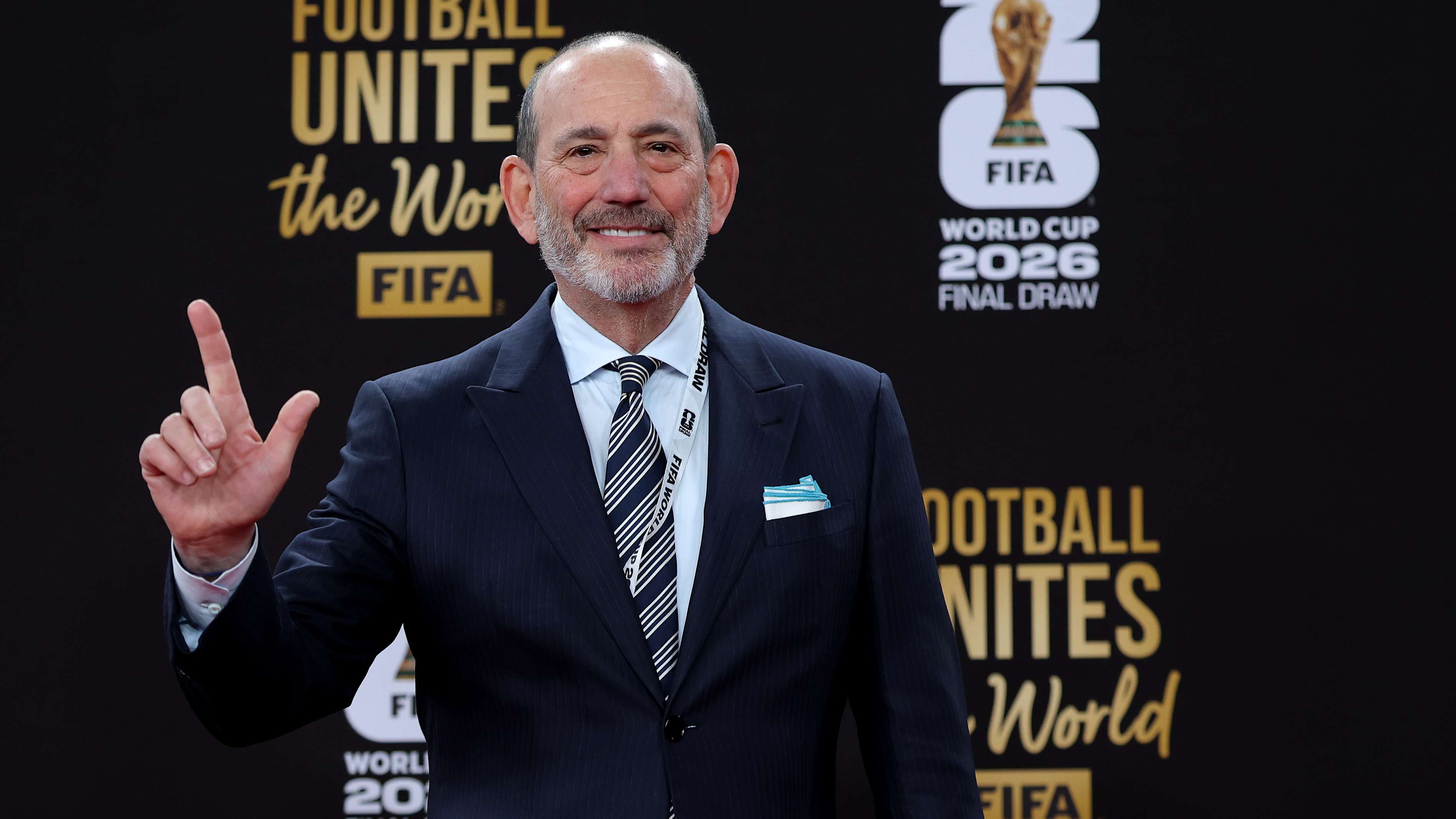
  • FIFA World Cup 2026 Official Draw - Red Carpet ArrivalsGetty Images Sport

    A complicated bargaining process

    Over the past few months, four clubs - San Antonio FC, Birmingham Legion, Charleston Battery and Loudon United - have been consistently present at bargaining meetings - although clubs are said to be keeping a close eye on negotiations. Multiple clubs declined requests for comment due to their reluctance to weigh in on the bargaining process. 

    From the league side, USL President Paul McDonough, USL Championship President Jeremy Allumbaugh, Chief Legal Officer Garrison Maros, and President of Competition & Administration Brett Luy have all come to the table. The USLPA is represented by Tobin, while active players are also involved. 

    Bargaining has been tricky, not only due to what sources characterize as conflicting interests, but also because of the USL’s setup. 

    “There needs to be alignment and shared responsibility between the clubs, league, and players at the table to ensure the league is sustainable and truly professional for everyone involved,” a player said. 

    In all major American sports, basic labor standards apply across all teams. MLS, for example, operates in a traditional franchise model in which the league owns player contracts and sets leaguewide standards, which limits variation between clubs and helps put minimum standards into place. The USL functions differently. 

    Clubs are independently owned, pay out their own players’ contracts, and, in general, control the conditions of their club - with the legal requirement that they must meet the terms set by the CBA. They pay expansion sums to the league, as well as a yearly membership fee to continue their participation. The result is that some clubs exceed the CBA's expectations, while others meet minimum requirements. It leads to, in general, significant variance in working conditions within the same league.

  • Colorado Springs stadiumUSL

    'The offer they're proposing is ridiculous'

    Under the terms of the 2021 CBA, the minimum compensation is outlined as $3,100 per month over a 10-month contract, a figure that is said to cover salary, housing and insurance. According to the USL, over 90 percent of contracts exceed that figure in some way. 

    The USLPA, in their original official ask in 2025, requested a significant increase to a guaranteed $43,800, with clubs also required to add health insurance. In July, according to data provided by the USLPA, the league responded with an offer of $37,200, with additional health insurance not included. The league insists that it was steadfast in its intent for some sort of agreement over mandated health insurance to be covered. 

    Since then, the two sides have negotiated extensively. And the USLPA perception, in general, is one of the league not doing enough to acknowledge professional standards. 

    “Investment should be paired with clear, enforceable league-wide professional standards. A player at Club X should feel just as supported as a player at Club Y because minimum standards are consistently met across the league. Not every club experience needs to be identical, but the baseline should be,” a player familiar with the negotiations told GOAL. 

    Others were far more blunt in their assessment. 

    “The offer they’re proposing is ridiculous. Pretty much saying we’re worth f*ck all. I was told that they said something like 'Why would we raise the minimum if the players aren’t worth it? You want us to overpay them?’,” a veteran USL player, speaking anonymously, said. 

    Players who have since left the league admitted that bargaining was always a complicated process. 

    “Bargaining felt tense. At times it seemed like we were pulling teeth to establish minimum standards that I and likely most people would consider common sense,” a player said. 

    Gripes have come with action. On Feb. 26, the USLPA voted to authorize a strike, while over 90 percent of players reportedly voted against the latest offer outlined by the bargaining committee. 

    There is no indication, though, that a strike is imminent, with multiple sources around the league indicating that such an action would be unlikely due to, among other things, relatively low salaries. 

    “I don’t know how realistic a strike is, honestly. I think we’re all for the idea, but some people can’t afford to go on strike, to be honest,” a player said.

  • ENJOYED THIS STORY?

    Add GOAL.com as a preferred source on Google to see more of our reporting

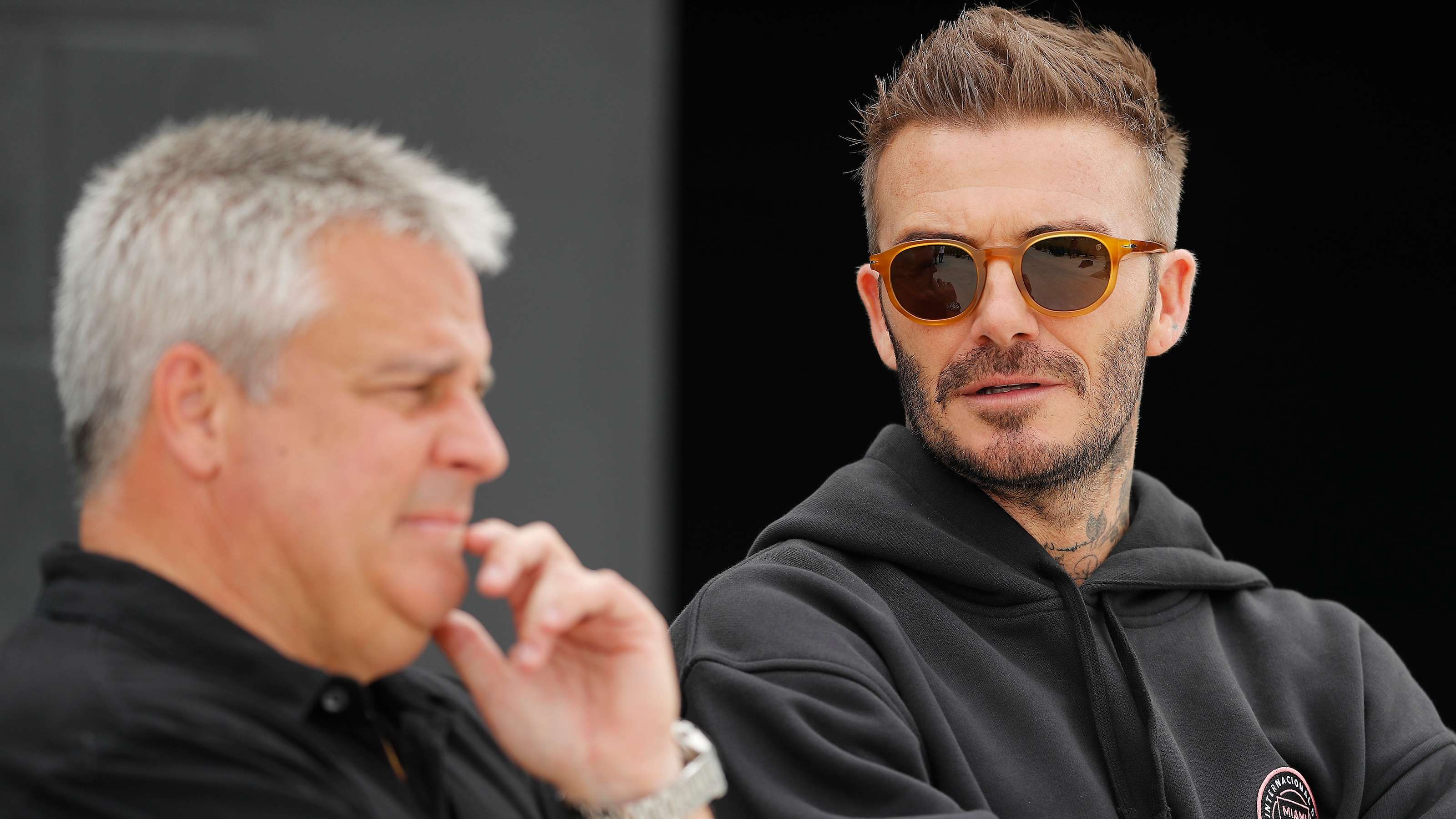
  • USL President Paul McDonough and Miami's David BeckhamGetty Images

    The league and 'setting the record straight'

    Last Thursday, the league sent out an email to all of its players outlining how they could resign their union membership. The letter, leaked by The Guardian, was accompanied by a message stating that the league was ‘disappointed’ by the players’ decision to authorize a strike. 

    A league source told GOAL that they sent out the email with a view to clarifying the rights of players as negotiations continue. That same source also claimed that, in general, players were unaware of not only their rights but also the specifics of the negotiations themselves - something they felt a need to address.

    The league was also quick to point out that they had agreed to ‘versions of’ the USLPA’s major asks, and that a ‘verbal agreement’ had been reached on the bare minimum of 12-month contracts in December 2024. 

    They also highlighted that there is an understanding and willingness to make health insurance a basic league-wide right, but acknowledged that there are disagreements as to how that should be implemented. The USLPA has maintained that it wants league-wide healthcare on top of a minimum salary. The two sides are split on that point. 

    Sources also pointed towards a ‘30-40 percent’ increase in minimum compensation from last year to this year. 

    Ultimately, the league acknowledged that they were not surprised by the USLPA’s decision to take action. A source claimed that they were unhappy with being perceived as holding up an agreement, and added that they were frustrated by the USLPA’s lack of ‘actual negotiating.’ One gripe was that the USLPA took more than 48 hours to set a date for another bargaining session following discussions held last Wednesday. 

    The USL’s central body, in the most part, has always maintained that they want negotiations to happen in private. Still, the league has taken some behind-closed-doors discussions into the public realm. On March 4, they began posting updates on their website, under the title ‘Setting the record straight.’ The most recent public update came at 10 p.m. ET that same day.

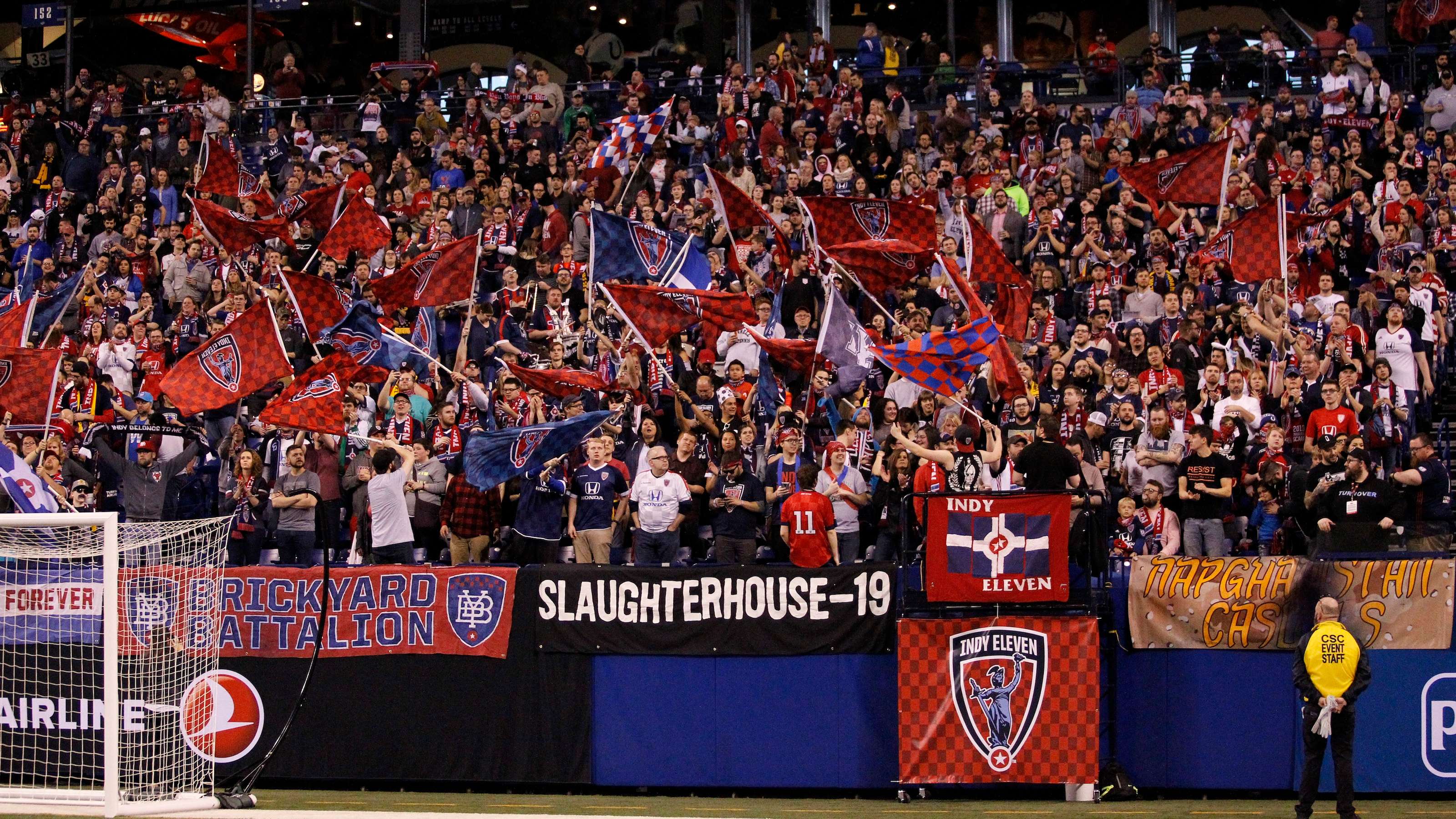
  • Indy Eleven USL StadiumGetty Images

    'Alignment is the goal'

    A source emphasized to GOAL on Monday morning that there is a general desire to reach a ‘fair agreement.’ Yet, both sides continue to question the sincerity of proposals - and the general willingness to compromise. 

    Still, negotiations continue. All parties met on Monday, and will do so again on Wednesday afternoon. According to the latest available updates from the USL, there is an offer for a minimum compensation of $40,000, elimination of in-season buyouts, and establishment of image rights and commercial appearances. The USLPA countered with a proposal of their own. 

    The USLPA provided an update of their own on Friday in a statement to GOAL.

    "We met this week and are waiting on updated written proposals from the League. We have two scheduled sessions for this next week," they said via email. 

    Yet key questions remain, especially when it comes to health insurance, housing, and players’ rights if clubs fold - as was the case with North Carolina FC at the end of 2025. According to ESPN, progress has been made on extended periods of guaranteed pay should franchises cease operations. Yet the USLPA has countered that clubs should be required to maintain housing and health insurance in such situations. 

    The fact that the USL is establishing a Division One league, with a planned move to a promotion-relegation system by 2028, has complicated negotiations as the league grows. There remains the looming question of a strike, too. For now, collective action might just have to do. Last week, players stood still. 

    Whether they will have to again remains unclear.

    “At the end of the day, we want to see the league’s growth matched by meaningful progress in the professional standards players receive. That alignment is the goal,” a player said.