Les maigres chances d'Arsenal de ravir le titre de la Super League féminine à Manchester City se sont évanouies mercredi : le match nul 1-1 des Gunners sur la pelouse de Brighton a permis aux Cityzens de être sacrées championnes pour la première fois depuis dix ans. Après plusieurs rencontres exigeantes en Ligue des champions, Renee Slegers a procédé à des rotations pour ce déplacement dans le sud, mais ce turn-over n’a pas excusé la perte de points, les Seagulls, eux aussi fortement remaniés, s’étant à nouveau illustrés de manière surprenante dans la course au titre de la WSL.
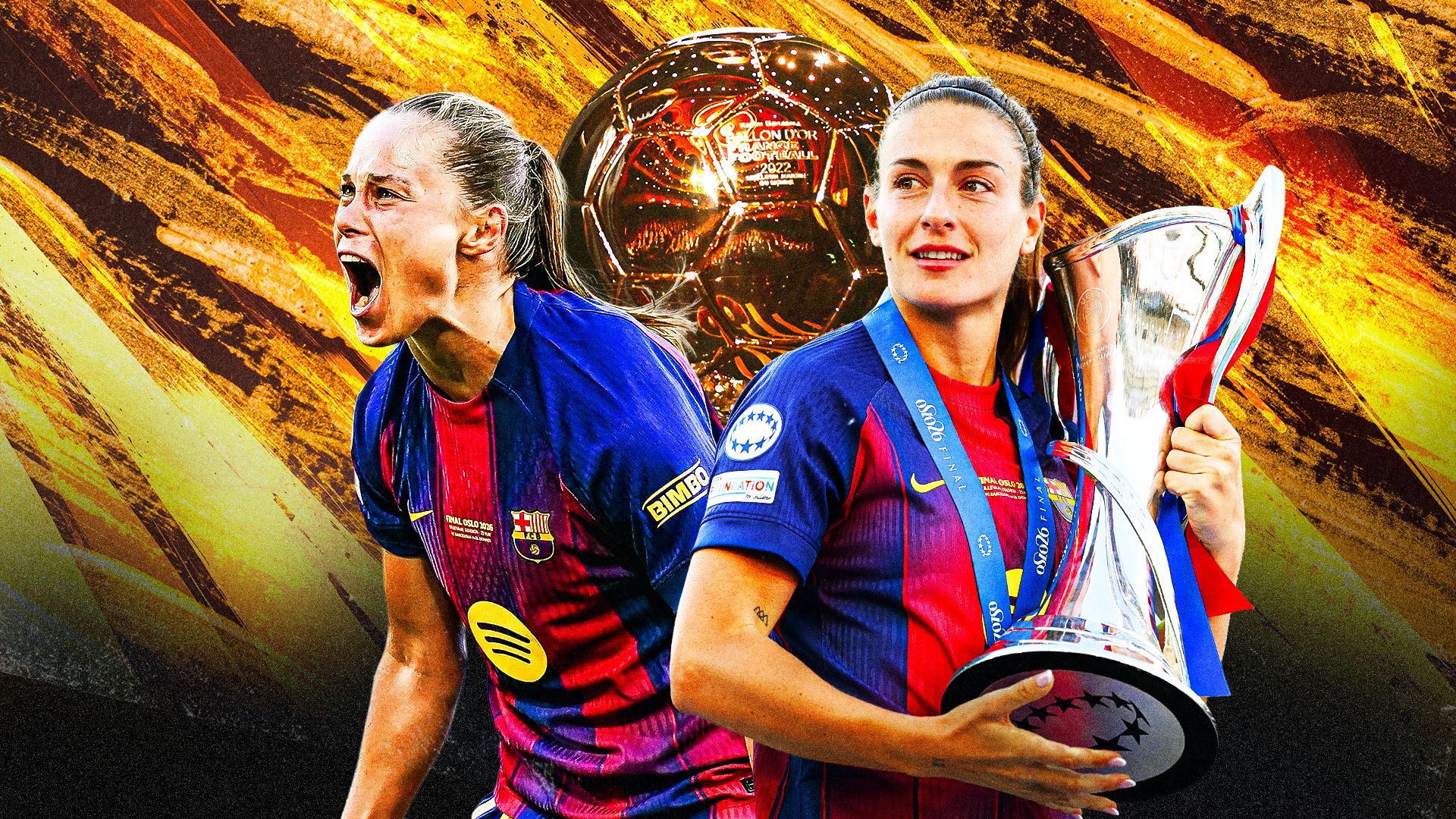
Aitana Bonmati a remporté les trois dernières éditions du Ballon d’Or féminin, mais le trophée échouera entre les mains d’une autre joueuse en 2026. Alexia Putellas, double lauréate et coéquipière au FC Barcelone, pourra-t-elle retrouver le trône de meilleure joueuse mondiale ? Ou un nouveau nom sera-t-il gravé au palmarès lors de la cérémonie parisienne en octobre ?
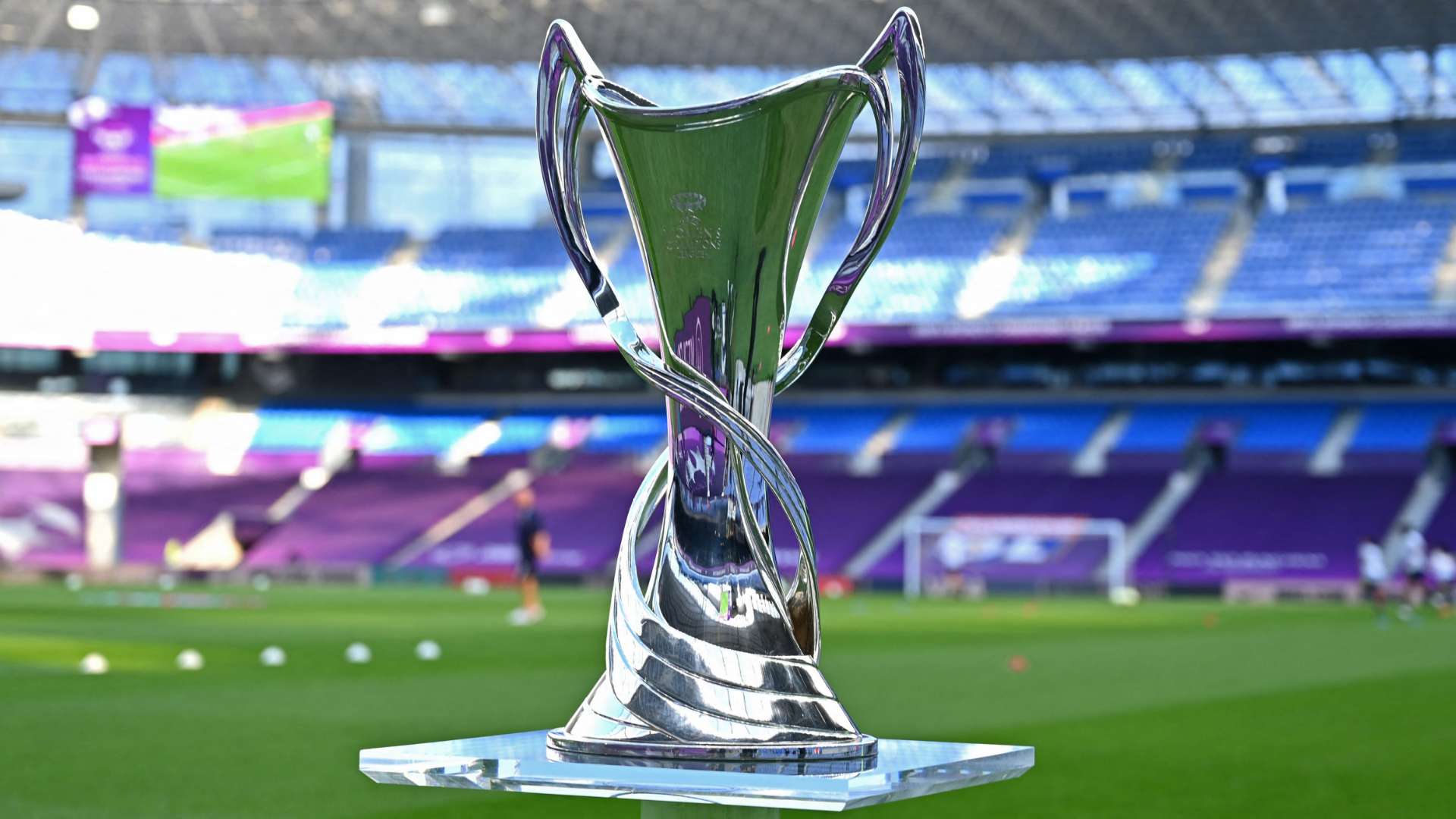
Avec 20 buts marqués en quatre matchs et des retournements de situation jusqu’à la dernière minute, les demi-finales de la Ligue des champions féminine 2025-2026 ont tenu toutes leurs promesses. L’OL, huit fois vainqueur, et le FC Barcelone, triple champion, se retrouveront ainsi en finale à Oslo le 23 mai pour un affrontement qui s’annonce captivant et riche en récits.
La défense du titre d'Arsenal en Ligue des champions féminine a pris fin samedi à Lyon. Portées par les retours de Selma Bacha et Melchie Dumornay, les Lyonnaises, huit fois lauréates de la compétition, ont pris leur revanche sur les Gunners après leur élimination à ce stade de la compétition la saison dernière. Porté par les retours de Selma Bacha et de Melchie Dumornay, l’OL a rapidement mené 2-0 en première période. Bien qu’Alessia Russo ait ensuite permis à Arsenal d’égaliser sur l’ensemble des deux matchs, un but tardif de Jule Brand a offert à Lyon une victoire 4-3 au cumul, et une douzième finale de l’UWCL.
Manchester United, often simply referred to as "United," are one of the most iconic and successful football clubs in the world, based in Old Trafford, Greater Manchester, England. The club was founded as Newton Heath LYR Football Club in 1878 by the Lancashire and Yorkshire Railway depot at Newton Heath. The team changed its name to Manchester United in 1902 and moved to its current home, Old Trafford, in 1910.
Famous players
Manchester United have been home to some of the greatest footballers in history. Sir Bobby Charlton, a World Cup winner with England in 1966, is arguably the most iconic figure in the club's history. Other legendary players include George Best, known for his flair and skill, and Eric Cantona, who brought a winning mentality to the club during the 1990s. More recent stars like Cristiano Ronaldo, Wayne Rooney, and Paul Scholes have also contributed significantly to the club's success.
Honours
Manchester United are one of the most decorated clubs in English football, having won a record 20 Premier League titles (formerly the First Division). They have also lifted the FA Cup 12 times, the League Cup five times, and the UEFA Champions League three times. The club's dominance in English football was particularly evident during the 1990s and early 2000s under manager Sir Alex Ferguson.
Managers
Sir Alex Ferguson is undoubtedly the most successful manager in Manchester United's history. He spent 26 years at the club, leading them to an unprecedented era of success. Before Ferguson, managers like Matt Busby and Wilf McGuinness played crucial roles in shaping the club's identity. More recent managers, including David Moyes, Louis van Gaal, and José Mourinho, have faced the challenge of maintaining the club's high standards.
Stadium
Old Trafford, often referred to as the "Theatre of Dreams," is one of the most famous stadiums in the world. With a capacity of roughly 75,000, it is among the largest football stadiums in the United Kingdom. The stadium has hosted numerous major matches, including UEFA Champions League finals and FIFA World Cup matches.
Location
Manchester United are based in the city of Manchester, which is located in the northwest of England. The club's home ground, Old Trafford, is situated in the Trafford borough. Manchester is a major industrial city with a rich footballing heritage.
Owners
In February 2024, British billionaire Sir Jim Ratcliffe's company, INEOS, acquired a significant 25% stake in Manchester United. This acquisition granted Ratcliffe sporting control over the club, placing him in a position to influence key decisions related to its operations.
Ratcliffe has already made a substantial financial commitment to Manchester United. His large investments demonstrate his dedication to the club's success and his willingness to provide the necessary resources for its growth.
Questions fréquentes
When do the USWNT play?
The US Women's team play across the year, with various breaks in the domestic soccer calendar. This combines friendlies, qualification games and major tournaments, which are held every two and four years.
Which major tournaments do the USWNT play in?
The two biggest tournaments the USWNT plays in are the FIFA Women's World Cup and the Olympic Games. Both are held in real prestige in the women's game, while the CONCACAF Women's Championship is the main continental tournament the side plays in.
Has the USWNT won any major trophies?
The USWNT has long been one of the best teams in the world and often goes into competitions as the favorites. They've won the World Cup a total of four times, as well as picking up five Olympic Gold Medals. The team has also won the CONCACAF Women's Championship a staggering nine times.
Who are the most capped USWNT players?
There's an actual hall of fame regarding the USWNT, with many players having represented their country hundreds of times. Kristine Lilly is the most capped player, with a staggering 354 appearances to her name. Christine Sinclair is at second with 311. Two other players have picked up over 300 caps, Carli Lloyd (316) and Christie Pearce (311).
What are USWNT fans called?
The fanbase for the USWNT are known as the American Outlaws (AO for short). They are the unofficial supporters group for both the women's and men's national teams.