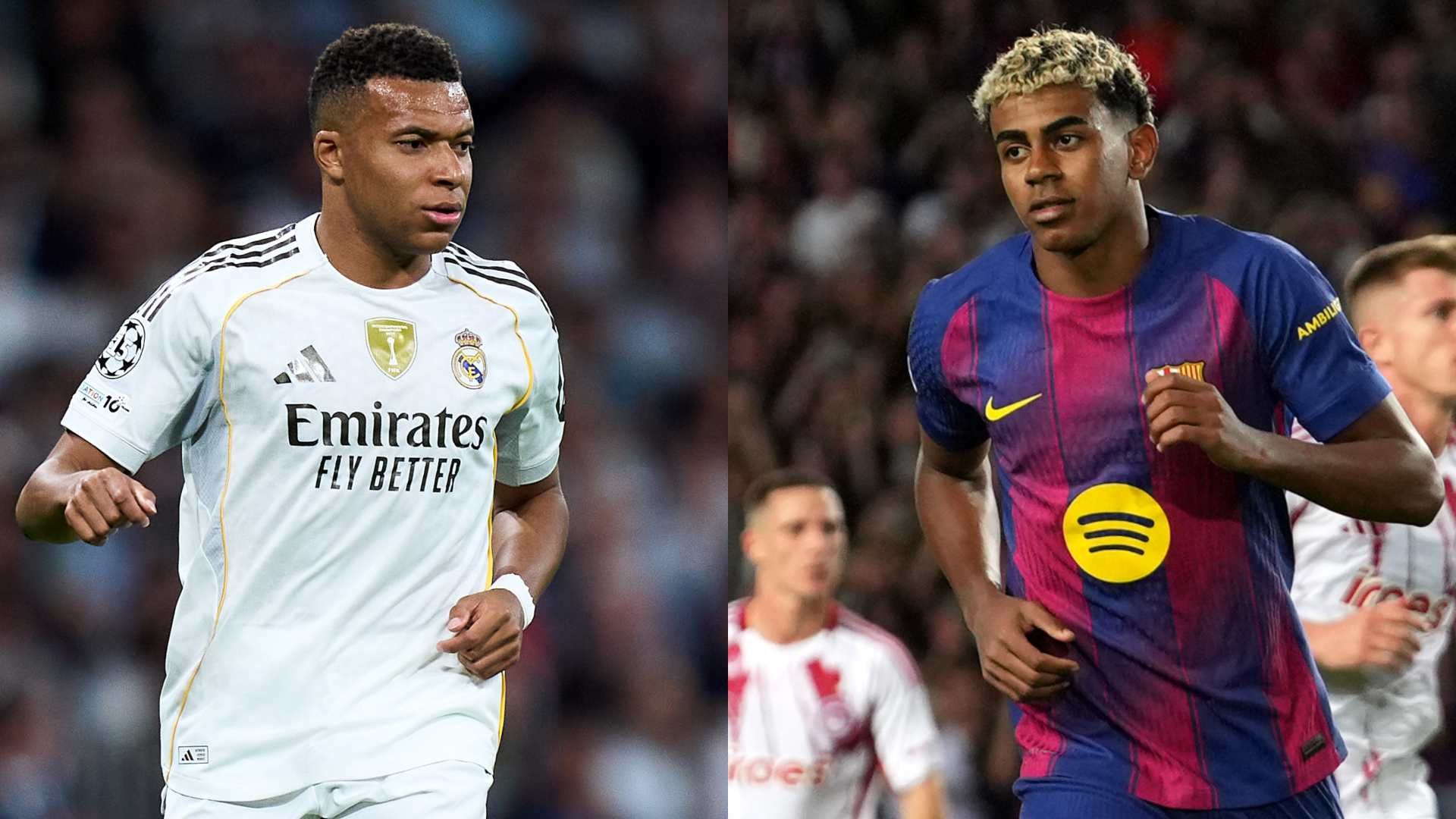
The Rojiblancos goalkeeper has insisted that the match itself is not worth the controversy, a defiant statement that underscores his belief that the furore surrounding the fixture is disproportionate. Speaking after the final whistle, the experienced shot-stopper argued that while the encounter was physically demanding and emotionally charged, it did not justify the weeks of media speculation and fan rhetoric that preceded it. His remarks are likely to fuel further debate among supporters and analysts alike, given the club’s rich history and the intense rivalry at stake. Nevertheless, the goalkeeper’s calm assessment reflects a growing sentiment within the dressing room that performance on the pitch should speak louder than off-field noise. By downplaying the significance of a single result, he appears determined to keep the focus on long-term objectives rather than short-term headlines.
A strong statement from the Barça defender
In a press conference held at the club’s training ground, the experienced centre-back addressed recent speculation about his future and the team’s defensive solidity. Speaking with typical candour, he stressed his unwavering commitment to Barcelona and issued a clear warning to rivals.
“I am here to win, and I will do whatever it takes to help this club succeed,” he declared. “The defence is our foundation, and we will not accept anything less than total dedication.”
His remarks come amid intense scrutiny of the back line, which has shipped goals in three consecutive matches. Nevertheless, the player insisted that the group remains united and focused on regaining its trademark clean-sheet consistency.
“We know what we have to do,” he added. “We have the quality, the work ethic and the support to turn things around. It’s time to show our true character.”
The defender’s comments will resonate with fans who value leadership, resilience and a no-n
What lies in store for Atlético in the second leg? The question hangs heavy over the club’s supporters and staff alike as they prepare for the decisive encounter. Having secured a slender advantage in the first meeting, Diego Simeone’s side now knows that ninety minutes of intense focus, disciplined tactics and clinical finishing could secure a place in the next round. Yet the opposition will not roll over; they too have studied the video, identified weaknesses and honed set-pieces. For Atlético, the challenge is twofold: first, to defend with the kind of organised solidarity that has become their hallmark; second, to exploit the inevitable gaps that will open when their opponents push forward in search of goals. The return fixture promises high stakes, nervy moments and, for the winners, a sweet reward.
The Blaugrana manager vented his anger at the referees, delivering a post-match tirade that left little to the imagination. In a dressing-room soundbite captured by club microphones, he lambasted the officials for a series of “clear” decisions that had, in his view, swinged the tie. His choice of words—blunt, unfiltered, laced with frustration—echoed through the corridors of the stadium long after the final whistle. For Barça supporters, the outburst felt familiar: a seasoned coach, frustrated by fine margins, lashing out at the men in black. Yet critics pointed out that such public criticism, while passionate, risked drawing disciplinary fire from La Liga’s governing body. Either way, the debate raged on; the manager’s fury had become the talking point, overshadowing even the match itself.
Manager Hansi Flick experienced a bitter first in FC Barcelona’s 2–0 defeat in the first leg of the Champions League quarter-final against Atlético Madrid.
For the German coach, the loss marked an unwelcome milestone: it was his first taste of defeat since taking the reins at Camp Nou, and it came at the worst possible time. With Barcelona now facing an uphill task to overturn the deficit in the second leg, Flick will be eager to swiftly put this unwanted debut behind him.
Despite enjoying the bulk of possession, the Catalan giants failed to break down a disciplined Atlético side that struck twice on the counter. Flick, renowned for his attacking philosophy, will know that fine margins can determine big-game outcomes, and he will be determined to ensure his players start converting their dominance into goals.
In the immediate aftermath, the 59-year-old remained composed, insisting that the tie is far from over. His calm demeanour belies the scale of the challenge ahead, but it also ref
There was a controversial moment in the first leg of the Champions League quarter-final between Barcelona and Atlético, which ended 0–2. After a bizarre handball by Atlético defender Marc Pubill, the Catalans appealed in vain for a penalty. The incident sparked immediate debate among players, coaches and fans, highlighting the fine margin between fortune and foul play in high-stakes football. Such controversies often define big matches, reminding everyone that, even at the highest level, decisions can hinge on millimetres and split-second judgements. For Barcelona, the disallowed claim felt like a missed opportunity to claw back into the tie; for Atlético, it was a fortunate escape that underlined their long-standing reputation for gritty, resilient defending. While referees rely on technology and angles to make split-second calls, the debate rages on about the balance between human judgement and instant replay. In the end, the scoreline held, but the talking point lingered long after
Manchester United, often simply referred to as "United," are one of the most iconic and successful football clubs in the world, based in Old Trafford, Greater Manchester, England. The club was founded as Newton Heath LYR Football Club in 1878 by the Lancashire and Yorkshire Railway depot at Newton Heath. The team changed its name to Manchester United in 1902 and moved to its current home, Old Trafford, in 1910.
Famous players
Manchester United have been home to some of the greatest footballers in history. Sir Bobby Charlton, a World Cup winner with England in 1966, is arguably the most iconic figure in the club's history. Other legendary players include George Best, known for his flair and skill, and Eric Cantona, who brought a winning mentality to the club during the 1990s. More recent stars like Cristiano Ronaldo, Wayne Rooney, and Paul Scholes have also contributed significantly to the club's success.
Honours
Manchester United are one of the most decorated clubs in English football, having won a record 20 Premier League titles (formerly the First Division). They have also lifted the FA Cup 12 times, the League Cup five times, and the UEFA Champions League three times. The club's dominance in English football was particularly evident during the 1990s and early 2000s under manager Sir Alex Ferguson.
Managers
Sir Alex Ferguson is undoubtedly the most successful manager in Manchester United's history. He spent 26 years at the club, leading them to an unprecedented era of success. Before Ferguson, managers like Matt Busby and Wilf McGuinness played crucial roles in shaping the club's identity. More recent managers, including David Moyes, Louis van Gaal, and José Mourinho, have faced the challenge of maintaining the club's high standards.
Stadium
Old Trafford, often referred to as the "Theatre of Dreams," is one of the most famous stadiums in the world. With a capacity of roughly 75,000, it is among the largest football stadiums in the United Kingdom. The stadium has hosted numerous major matches, including UEFA Champions League finals and FIFA World Cup matches.
Location
Manchester United are based in the city of Manchester, which is located in the northwest of England. The club's home ground, Old Trafford, is situated in the Trafford borough. Manchester is a major industrial city with a rich footballing heritage.
Owners
In February 2024, British billionaire Sir Jim Ratcliffe's company, INEOS, acquired a significant 25% stake in Manchester United. This acquisition granted Ratcliffe sporting control over the club, placing him in a position to influence key decisions related to its operations.
Ratcliffe has already made a substantial financial commitment to Manchester United. His large investments demonstrate his dedication to the club's success and his willingness to provide the necessary resources for its growth.
Domande frequenti
Quando è nata la Juventus?
La Juventus è nata nell'autunno del 1897 a Torino su iniziativa di alcuni studenti della terza e quarta classe del liceo classico Massimo d'Azeglio.
Chi è il presidente della Juventus?
Gianluca Ferrero, vicepresidente del CDA della Banca del Piemonte, è il presidente del consiglio di amministrazione della Juventus dal 2023.
Come si chiama lo stadio della Juventus?
Lo stadio della Juventus è chiamato Allianz Stadium per ragioni di sponsor o semplicemente Juventus Stadium. L'impianto è nato nel 2011.
Qual'è la capienza dello Stadium?
Lo Juventus Stadium, impianto dei bianconeri, ha una capienza di 41.507 posti a sedere. Di questi 2.019 sono per il settore ospiti.
Quanti Scudetti ha vinto la Juventus?
La Juventus è la squadra italiana con più Scudetti, avendone vinti 36. Per questo i bianconeri sono gli unici con tre stelle sul petto (una per ogni dieci titoli).
Quante Champions ha vinto la Juventus?
La Juventus ha conquistato due Champions League: nel 1985 contro il Liverpool nella triste serata dell'Heysel e nel 1996 in finale contro l'Ajax.
Quanti trofei ha vinto la Juventus?
La società bianconera ha vinto 60 trofei italiani, più 11 internazionali: in totale, dunque, la Juventus ha conquistato 71 trofei durante la sua lunga storia.
Perché la Juventus si chiama così?
Essendo giovani studenti, i fondatori del club deciderono di usare un nome che sentivano proprio: 'gioventù' in latino, ovvero Juventus.
Perché la Juventus gioca in bianconero?
Inizialmente rosa, la Juventus scelse il bianconero dopo aver ricevuto le maglie di tale colore dal Notts County, così da andare oltre lo scolorimento delle stesse.
Perché il simbolo della Juventus è una zebra?
Oltre all'essere associata alla zebra per i colori bianconeri, venne scelta come icona ispirandosi al giornalista Carlo Bergoglio, che la propose come riferimento all'antica nobiltà cittadina.
Chi ha segnato più goal nella storia della Juventus?
Alessandro 'Alex' Del Piero è il giocatore che ha segnato più reti nella storia della Juventus: 290 goal contando tutte le competizioni ufficiali.
Chi ha giocato più partite con la Juventus?
Alex Del Piero è il recordman di partite giocate con la Juventus. Pinturicchio è sceso in campo con i bianconeri in 705 occasioni.
Come è soprannominata la Juventus?
La Juventus è chiamata spesso Vecchia Signora o Madama. Per parlare della squadra di Torino, però, si usa soprattutto il termine 'bianconeri'.
Quale allenatore ha più panchine con la Juventus?
Giovanni Trapattoni è l'allenatore che ha più panchine con la Juventus: 596. Per il Trap anche il record di titoli conquistati, 14.
Perché la Juventus è la Vecchia Signora?
Non c'è un motivo preciso per cui la Juventus è chiamata Vecchia Signora: sarebbe riferito ai tanti anni di attività e ai trofei vinti (Signora), oltre alla volontà di affidarsi a giocatori esperti sin dalla sua nascita (Vecchia).