+18 | Commercial Content | T&C's Apply | Play Responsibly | Publishing Principles
Barcelona manager impossible job GFXGOAL

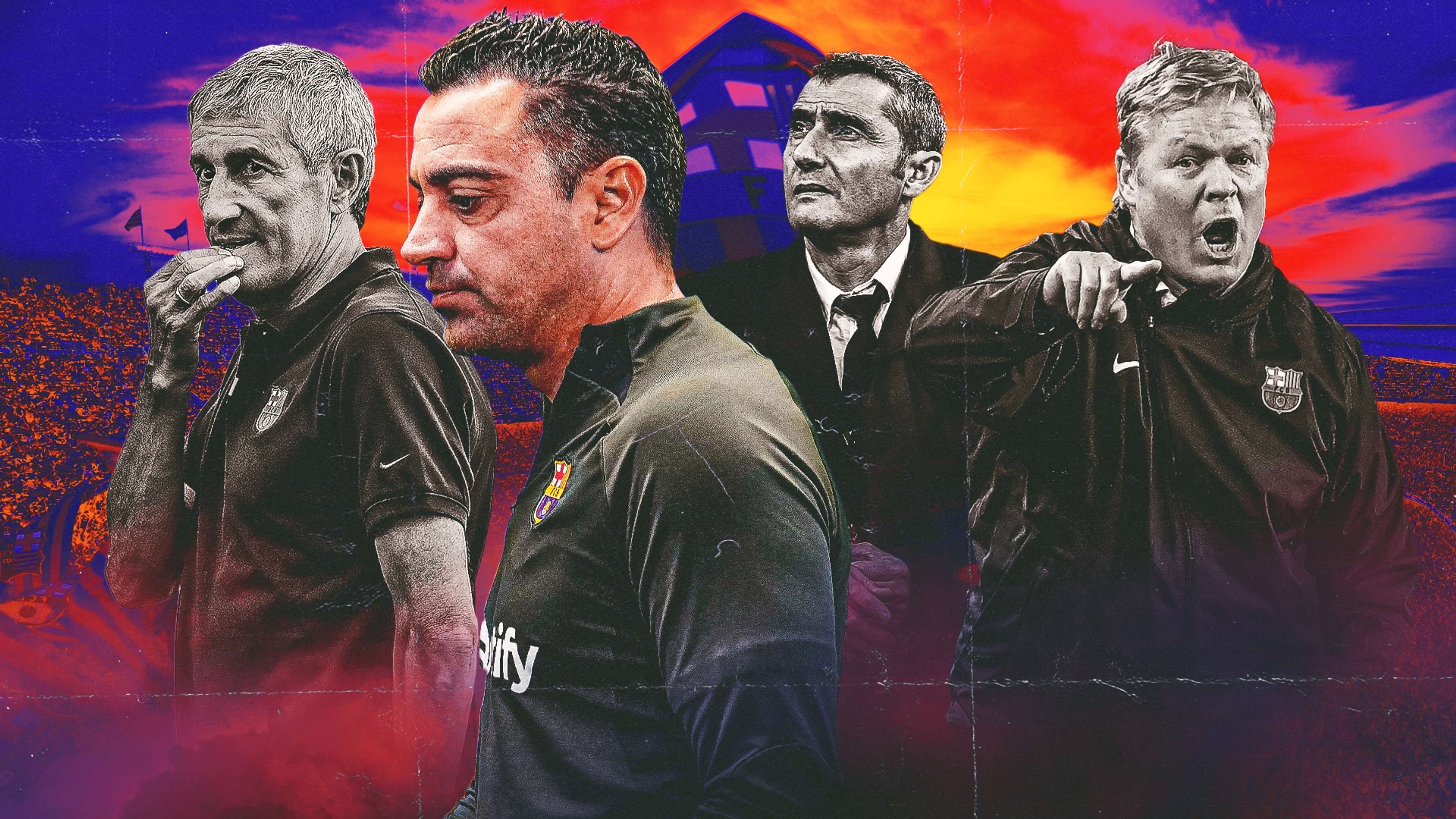
The impossible job? Only a fool would want to manage Barcelona as Xavi becomes latest to be spat out by chaotic Catalans

After the rest of the Barcelona team headed towards the sideline, Pep Guardiola turned around, paced towards the centre circle, and had one last look around Camp Nou. He blew a kiss to the Blaugrana faithful, and offered a final wave as manager of the Catalan club. There weren't many tears to be found, the legendary boss cutting a relieved figure as he strolled off his stomping ground for the final time.

The 100,000 Cules that chanted his name for minutes after he had disappeared down the tunnel in 2012 might have suspected that things would never quite be this good again. But they surely wouldn't know how bad it would get. Barca have employed eight managers in the 12 years since Guardiola left; none have enjoyed the same connection with the Blaugrana faithful that Pep so expertly curated.

Yes, there have been trophies - including five Liga titles - and record-breaking seasons, but none of the coaches to take the helm have truly embedded themselves in the culture like Guardiola. Meanwhile, the club itself has become increasingly dysfunctional, with its relentless instability leaving Barca on the brink of bankruptcy just two years ago.

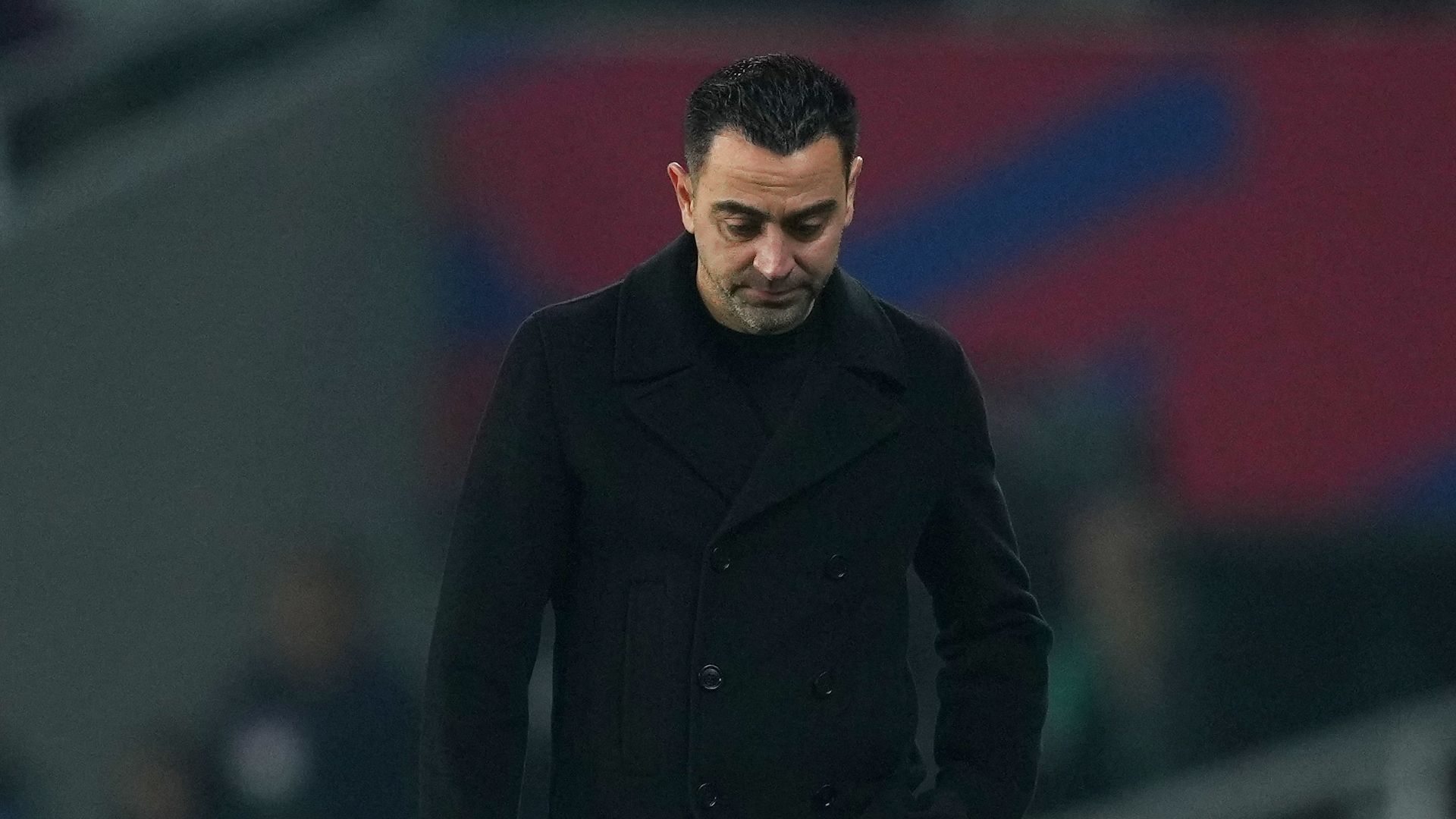
And now, with Xavi set to leave at the end of the current campaign, they face another reset. Barca will soon welcome a new manager, with new ideas, and, ideally, a clean slate with expectant fans. But Xavi's successor is likely to face the same issues that have plagued many of those who have come before them.

Managing Barcelona, it appears, has become an impossible job. Taking it on - despite the size of the club - seems like a fool's errand.

  • Messi GuardiolaGetty Images

    Ghost of Guardiola

    This can all be traced back to Guardiola. The circumstances in which he took the Barca job were far from perfect. Yes, he had an immense amount of talent at his disposal - highlighted by a certain Argentine forward - but the team had been struggling for some time. Ronaldinho, Deco and Samuel Eto'o were all on immense salaries, and blocked some of the world's most promising prospects from breaking through. Guardiola's first move was to let Ronaldinho and Deco go, while Eto'o watched most of the season from the bench.

    At the time, it was puzzling. Ronaldinho wasn't far removed from a Ballon d'Or win, while Deco was well on his way to earning legendary status at the club. Stability was needed, and Guardiola's first job was to gut the side of two key players. In their place, he called up two largely unproven La Masia youths: Pedro and Sergio Busquets. He also brought in Gerard Pique, a centre-back who couldn't crack the first team at Manchester United.

    That shake-up proved to be a masterstroke, of course. Barca won the treble in Guardiola's first season as he became the youngest manager to ever win the Champions League. The next three seasons were equally remarkable, and by the time he ended his Blaugrana reign, the boyhood Barca fan had won seven major trophies, including three Liga titles and two Champions Leagues.

    And then there was the football: Tiki-taka, playing out from the back, Lionel Messi as a false nine, the Busquets-Xavi-Andres Iniesta trio no one could touch. It's an impossible legacy to live up to.

  • Advertisement
  • Luis Enrique BarcelonaGetty

    Those that followed

    Many have tried, however. Guardiola's assistant, Tito Vilanova, figured to be the natural successor, as he was the person the most familiar with the former boss' methods. Barca announced his appointment quickly, revealing that Vilanova would take over at the same press conference that confirmed Guardiola's departure.

    Subsequently, it emerged that Vilanova was the first manager to entrust Messi with a larger role during his time in La Masia, deploying the Argentine as a regular for his Under-16s side. Things went smoothly, too, as Barca collected 100 points in his debut campaign, and beat Real Madrid to the Liga title by 15 points.

    His story had a tragic end, of course. Vilanova suffered from serious health issues throughout his tenure, and left the club in 2013, before passing away in April 2014.

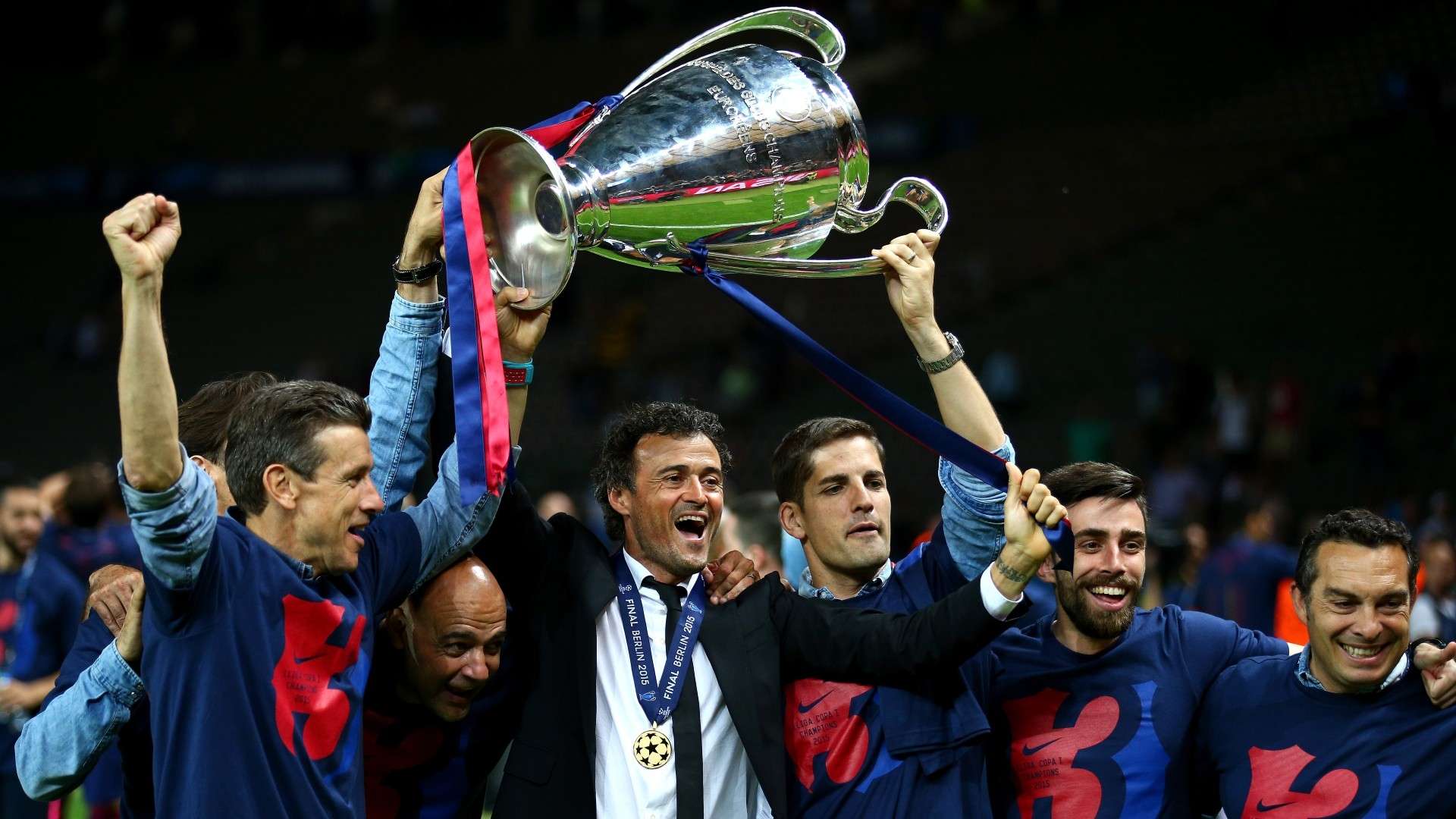
    It was at that point that Barca's problems began. With no Guardiola disciples to turn to, Barcelona looked elsewhere. Tata Martino replaced Vilanova, but resigned after less than a full year in the job after finishing second in La Liga and failing to win any silverware. Luis Enrique came next, and enjoyed immense success at the helm, as his 'MSN' attacking trio led the Blaugrana to a treble in 2014-15. However, the former midfielder never properly took to the role, and left in unremarkable circumstances after three seasons.

    Ernesto Valverde was pinched from Athletic Club to step in, and bagged two Liga trophies in three years. His tenure, though, will always be associated with the 4-0 loss to Liverpool in the 2019 Champions League semi-final second leg, and Barca showed little hesitation in sacking him when things went awry in January 2020.

    Barca have employed three managers since - Quique Setien, Ronald Koeman and Xavi - and have won three trophies in a four-year period in what has been their most sparse run in recent memory.

  • xavi(C)Getty Images

    Relentless pressure

    On Monday, Guardiola offered his condolences to Xavi. "We can't compare the pressure in England with the pressure in Spain, in my experience. It's a thousand times harder there. Six press conferences a week, a lot of games. The pressure you feel in Barcelona is not comparable to anywhere else," he said at a press conference.

    It's a thread that has run through the tenures of each Barcelona manager in recent years. Guardiola admitted he was no longer enjoying the job at the time of his departure. He was concerned that he and Barca would "hurt each other," and conceded that the now-famous slate of four Clasicos in a month at the end of the 2010-11 season were "18 difficult days." These were not the words of a manager excited to go to work every morning.

    Luis Enrique echoed that sentiment upon his departure: "I get very few hours to rest, to disconnect; at the end of this season I need to rest.”

    Xavi, meanwhile, painted the same picture: "It's cruel and unpleasant. They make you feel you are worthless every day. Pep told me, Valverde told me, I saw Luis Enrique suffer... We have a problem in terms of demands. You don't enjoy it... You put your life on the line at every moment. It's cruel."

    That expectation comes from everywhere. Part of it, certainly, is rooted in the success of the past. This is a club that has won 77 trophies in its 124 years of existence. It has deep ties to the community it resides in, a badge that outlines the colours of the Catalan flag. Many culers, in their purest form, are Catalan, not Spanish - citizens of their own independent nation. Some clubs carry the weight of a city; Barcelona represents a national identity.

    And then there's the Real Madrid issue. The Barcelona-Madrid animosity runs deep, a rivalry borne in politics that extended to sport. How can you survive in a job when you are not only held to your own standards, but also compared to the success of your biggest enemies - who are also one of the most successful clubs in the world?

  • Xavi MessiGetty Images

    Messi's shadow persists

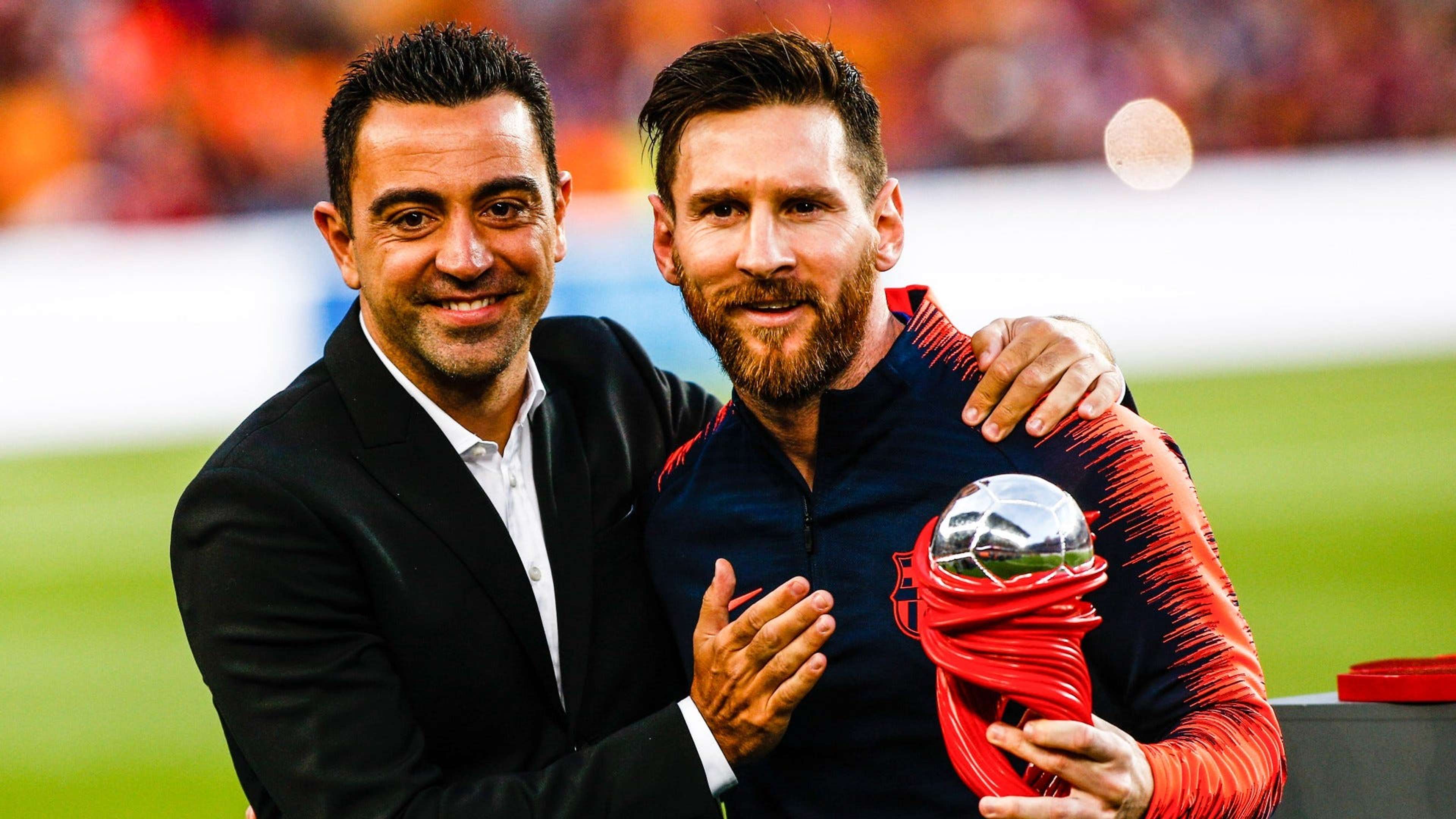
    Last year, when Barcelona were nearing their first Liga title since 2019, Xavi talked little about on-pitch success. The manager, who should have been offered room to bask in his own success, was seldom asked about his tactical tweaks, dominant defence, or revitalised attacking corps. Instead, he was peppered with questions about Messi. Would Xavi want him to return? Where would he play? Could Barca afford him? How would the rest of the team react?

    On each occasion, Xavi offered some sort of indication that he would want the Argentine to return to the club, and also insisted that the Blaugrana had a role in mind for him. The media, in return, kicked up a firestorm. Messi, they insisted, was all-but back.

    Of course, it didn't work out that way. Barca couldn't guarantee that Messi would be registered, and the financial uncertainty saw the Ballon d'Or winner bolt for Inter Miami. His shadow, though, remains.

    Messi left Barca much against his own will, the club no longer able to afford his lofty salary due to years of financial mismanagement. Both parties were, to an extent, responsible; Messi had been dictating signings and moves behind the scenes for some time, and although Barca had adjusted to his every request, the Argentine must have known that the club's financial clout was not unlimited.

    Still, neither side could have expected such a sudden separation. And every Barca team since has felt the weight of Messi's departure, either financially or tactically. Some echoes of the Messi era still remain, and they're impossible to get over.

  • Joan-Laporta(C)GettyImages

    No sign of changing attitudes

    As a member-owned club, Barca are almost unique among Europe's elite. The club's fans elect their own presidents, which comes with its own challenges. There are no official term limits, though presidents are supposed to be elected once every six years. However, due to the inherent instability of the position - presidents can face no-confidence votes at any time - they are often forced into rash decisions to appease those who elect them.

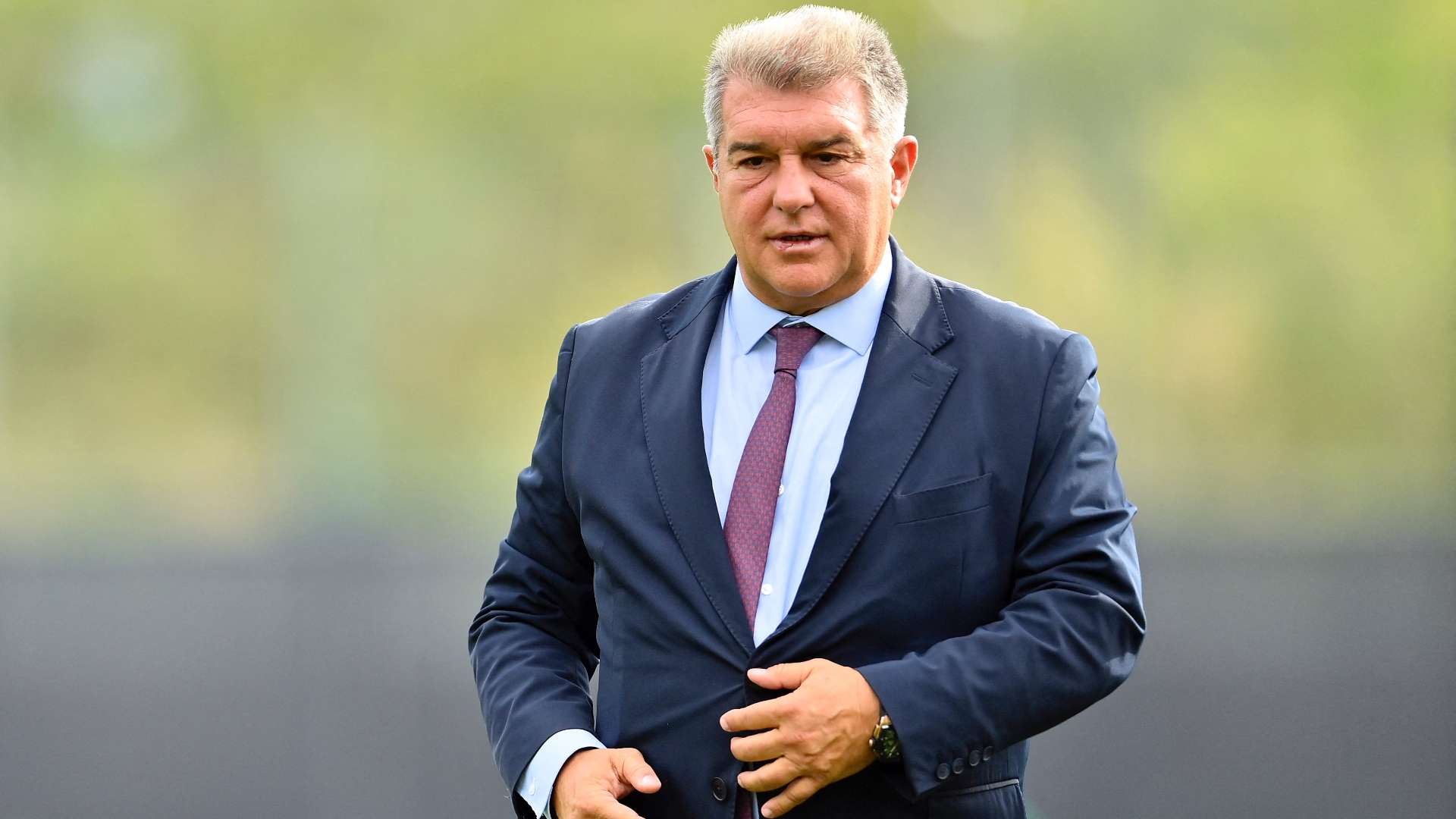
    It's that kind of attitude that Joan Laporta has brought to the position. Now in his second spell at the helm, the outspoken former MP has shown little hesitation in wielding his power around Camp Nou during either of his spells in charge. He was ruthless, and perhaps thoughtless, in his decision to sign Ronaldinho in 2003. He rather publicly denied former manager Ronald Koeman of a transfer budget in 2021. He engaged in open revolt with La Liga president Javier Tebas last year, and has ardently defended Barca in a refereeing-payment scandal in which he is a central figure.

    This is the man who shall dictate where Barca go next in their search for Xavi's successor. He is, though, qualified for the job. Laporta entrusted Guardiola to take over in 2008, and put the pieces in place that formed a period of immense success for the La Masia graduate's tenure. But he's also concerningly rash, and perhaps too obsessed with the Barca brand to make a level-headed decision.

    And therein lies the problem. Laporta is the torch-bearer of the old-fashioned attitude that Barca would do well to shake. This is a club that is impossible to manage because of its obsession with legacy, and reliance on past successes. Xavi was yet another example of a club that looked into its past to find solutions for the future. If that mindset doesn't change, this impossible job could once again claim another managerial talent.

  • Xavi Barcelona 2023-24Getty

    Poisoned chalice

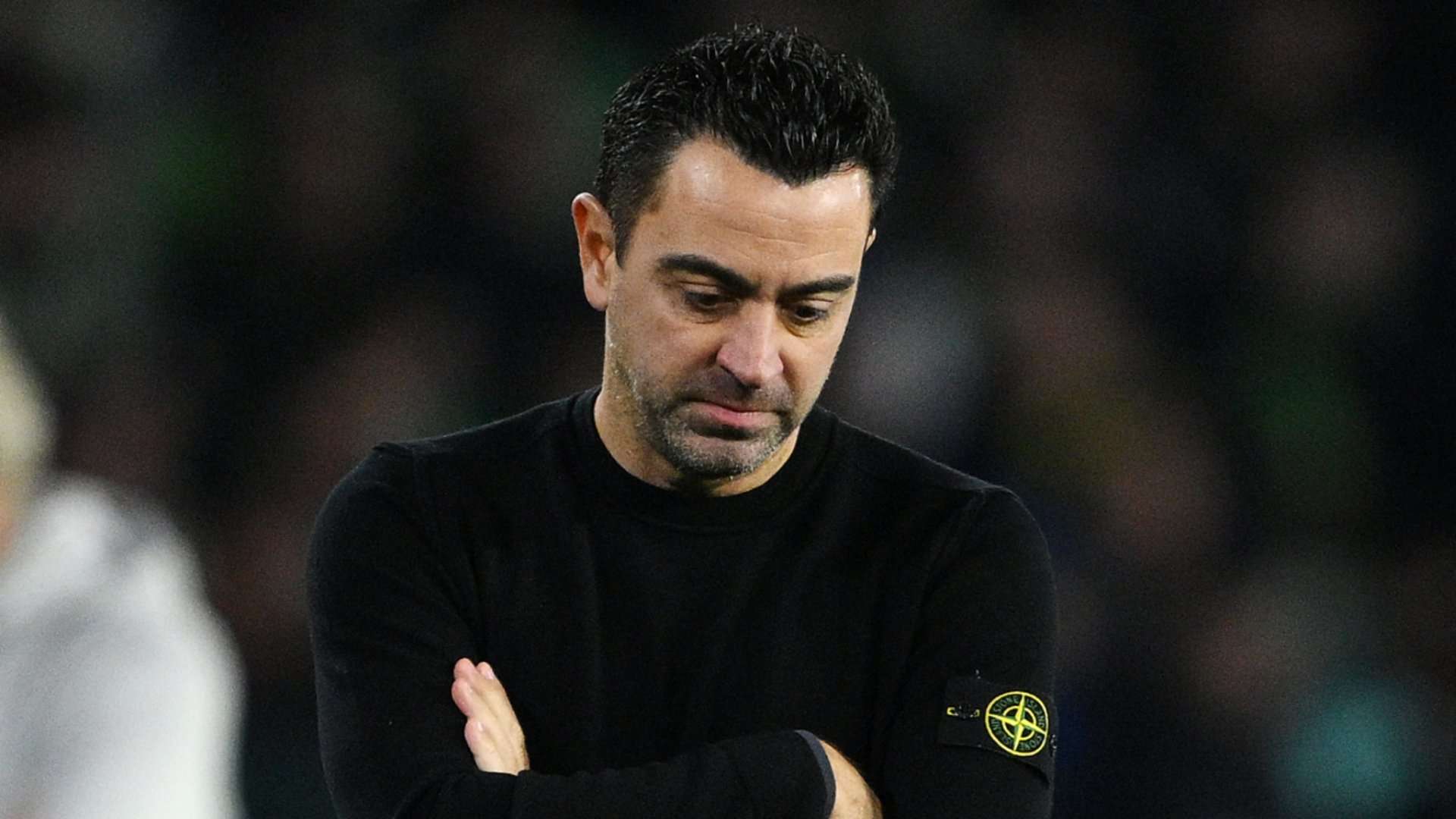
    So as the wait goes on to find out who will replace Xavi, the question must be asked: Is there anyone out there who could succeed given what Barca currently are? Living up to the club's legacy is one thing, but dealing with the realities of managing Barcelona in 2024 and beyond are another.

    Barca find themselves in a state off the pitch. Although they made some highly-publicised financial moves to revive a faltering squad in 2022 - and won La Liga as a result - their long-term prognosis is still poor. Ageing players, such as Lewandowski, are still on heavy contracts, while some youngsters are yet to be registered to first-team deals.

    The opportunities for financial moves are shrinking, too. Tebas tightened rules around Laporta's famous financial levers last season, leaving Barca with no other way out than to sell valuable assets. It is for that reason that Ronald Araujo could be sold to Bayern Munich this summer. It wouldn't be a massive surprise if Gavi or Pedri had to be shifted to raise funds, either.

    Should one or more of those star men leave, this Barca squad suddenly looks rather thin. Despite a wealth of talented youngsters, they have few star players in their prime years. With no cash to buy reinforcements, this suddenly looks a less attractive job than it really should be. And if success in Barcelona is measured in trophies alone, who would be bold enough to take this on?

    This appointment is more important than ever, but, as of now, it's hard to see why a top manager would put their reputation on the line for a club constantly on the verge of collapse.