
.png?auto=webp&format=pjpg&width=3840&quality=60)
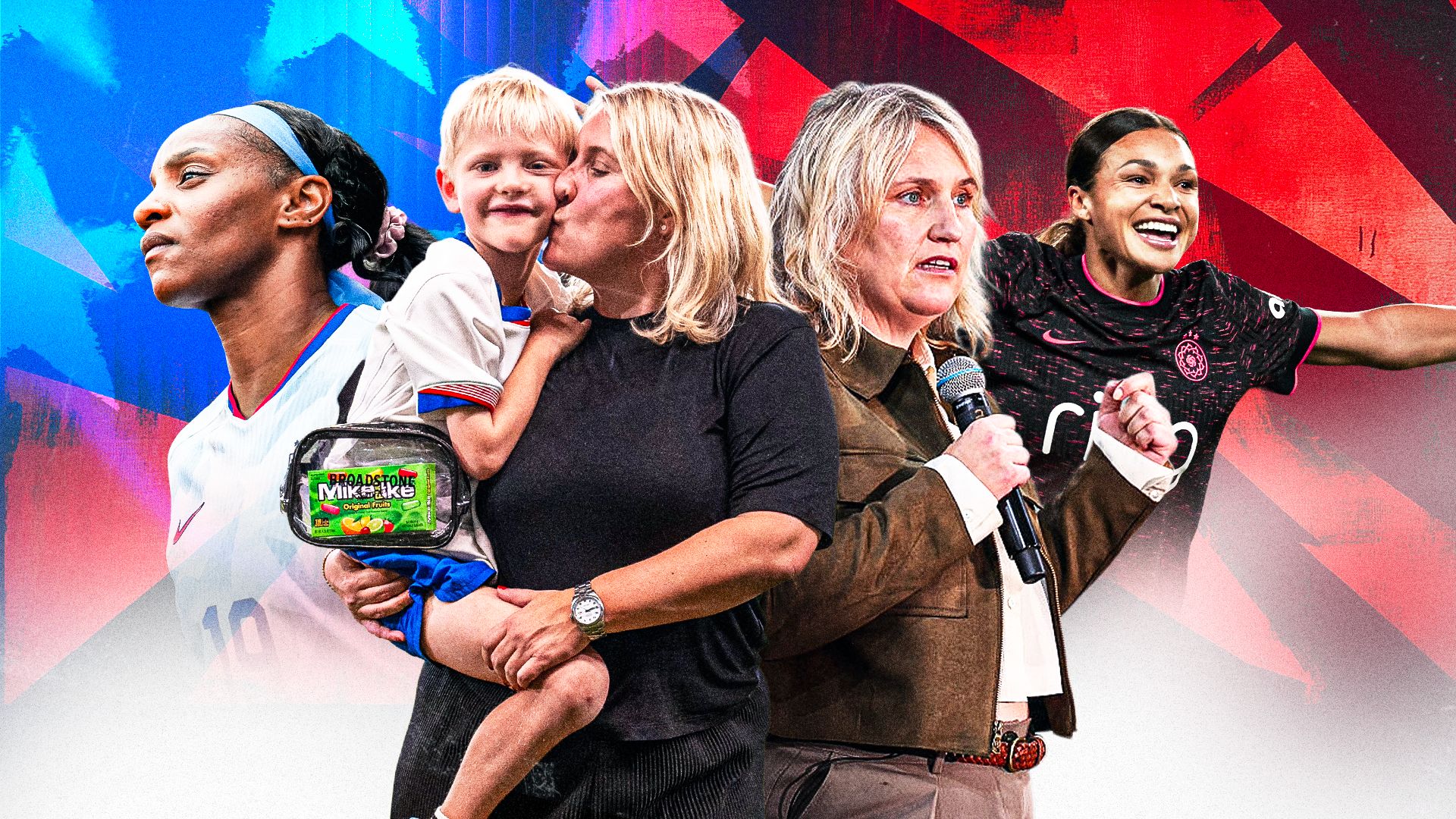
There have been 18 moms who have played for the U.S. women’s national team, from Joy Fawcett becoming a mother in 1994 to Sophia Wilson entering motherhood in 2025. Across those three decades, no pregnancy, postpartum journey, or road back to the USWNT has looked exactly the same.
What has changed, though, is the emphasis on support around them.
Motherhood in professional sports has long been treated as something athletes had to navigate quietly, carefully, and often without much institutional help. But in soccer, and specifically in the U.S. women’s game, there has been a visible shift and evolution. The conversation is no longer just about whether players can return after giving birth. It is about how they are supported, protected, and empowered to do so.
USWNT head coach Emma Hayes knows plenty about winning. She led Chelsea Women to seven Women’s Super League titles before guiding the USWNT to Olympic gold at the 2024 Paris Games. But for all the trophies, victories, and elite talent she has helped develop, Hayes has always held one role above the rest: being a mom to her son, Harry.
“I know for myself, it’s important that I have my son around for me in critical moments,” Hayes told GOAL.
That perspective has shaped the way Hayes approaches players who are mothers or mothers-to-be. She understands that there is no one-size-fits-all plan, because no pregnancy, birth, or postpartum experience is the same.
“It’s about getting it right for the individual,” Hayes said. “That’s the key thing, because there’s nothing worse. I’ve experienced it myself. You’re doing something, and you’re detached from your baby in a way that is going to hinder your own performance, and that’s only going to hurt the team.”
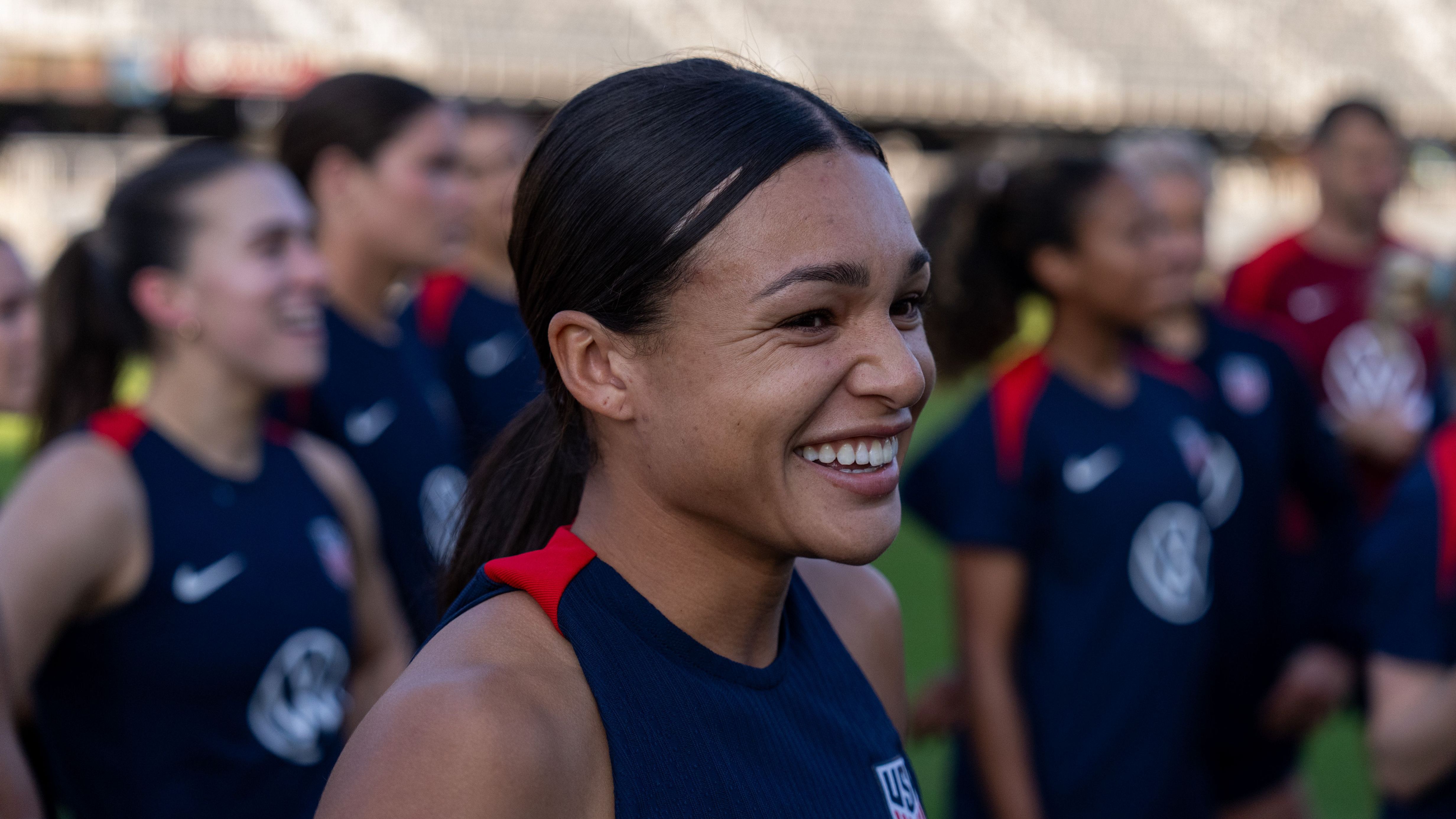
Coaching moms is not new to Hayes. But this current USWNT era feels different. Two members of the self-titled “Triple Espresso” attack that helped the Americans win gold in Paris, Wilson and Mallory Swanson, gave birth to baby girls in 2025. Most recently, forward and two-time Olympian Lynn Biyendolo gave birth to her son, Lucky, in April.
“I coached a lot of mums in my career, so I know how much value it brings to a team,” Hayes said.
That value has always been there. What has not always existed is the structure around it.
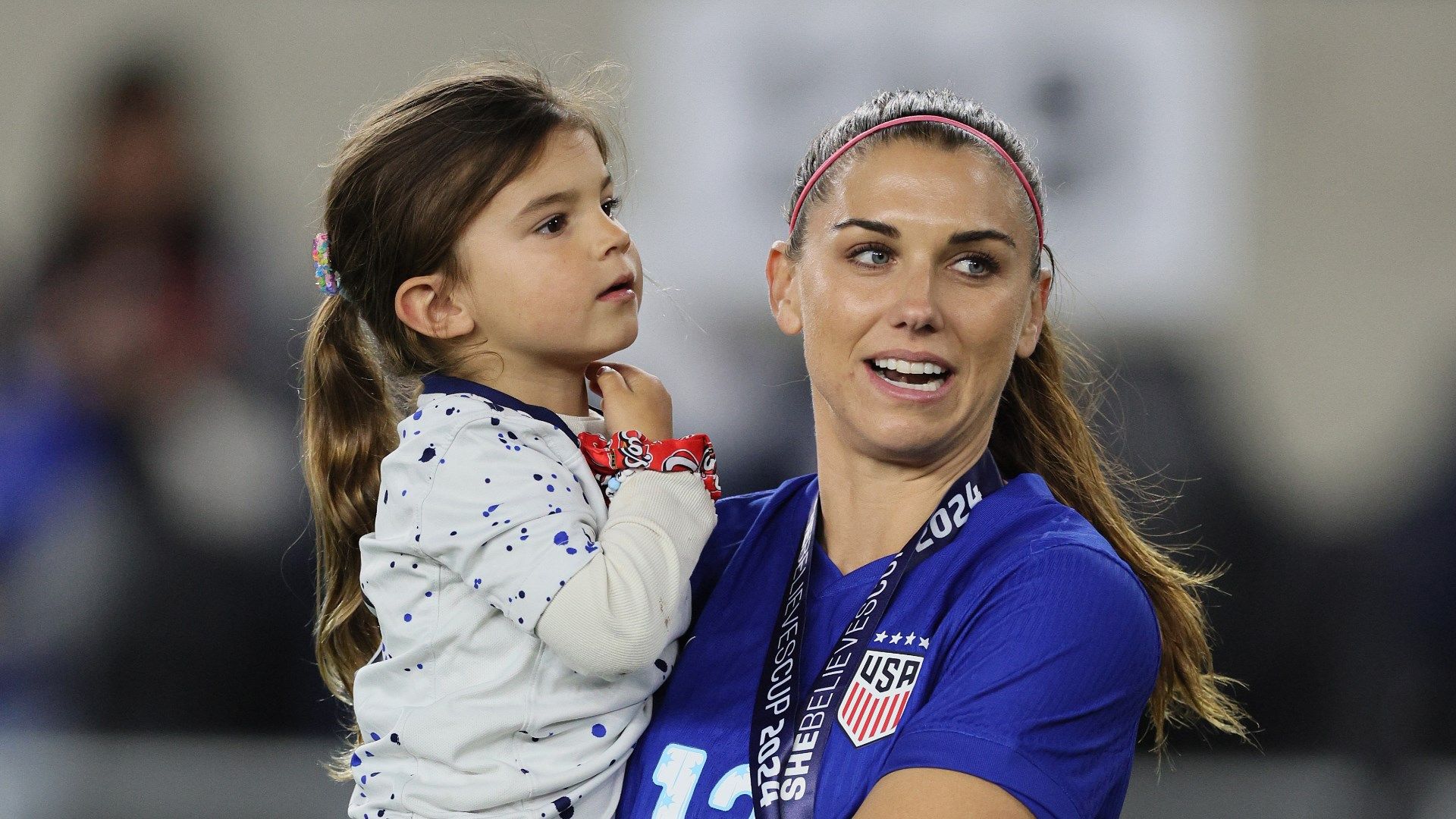
Today, players have clearer return-to-play protocols, along with revamped NWSL and USWNT collective bargaining agreements that include paid maternity leave, contract security, medical benefits, and other protections. Those resources, while available, weren't present in the same way for players such as Alex Morgan and Crystal Dunn. And they were nowhere near the reality for earlier USWNT legends such as Christie Pearce Rampone, Carla Overbeck, and Fawcett.
The progress has been significant, but it has also been hard-earned. Players like Wilson, Swanson, and Biyendolo are stepping into motherhood at a time when the system is finally beginning to recognize that being a mother and being an elite athlete should not be treated as competing identities. They are also stepping into it at a time when science and mental support is backed, and there is unified support for these moms from club and country.
“I think we do a tremendous job,” Hayes said when asked where U.S. Soccer stands as a trailblazer in this space. “I think we provide absolutely everything that’s necessary for them, whatever that looks like. I think we definitely lead the way on that front. I think we probably lead the way in terms of the knowledge of returning players back to full participation safely, too.”


.jpg?auto=webp&format=pjpg&width=3840&quality=60)
.jpg?format=pjpg&quality=60&auto=webp&width=380)


