+18 | Commercial Content | T&C's Apply | Play Responsibly | Publishing Principles
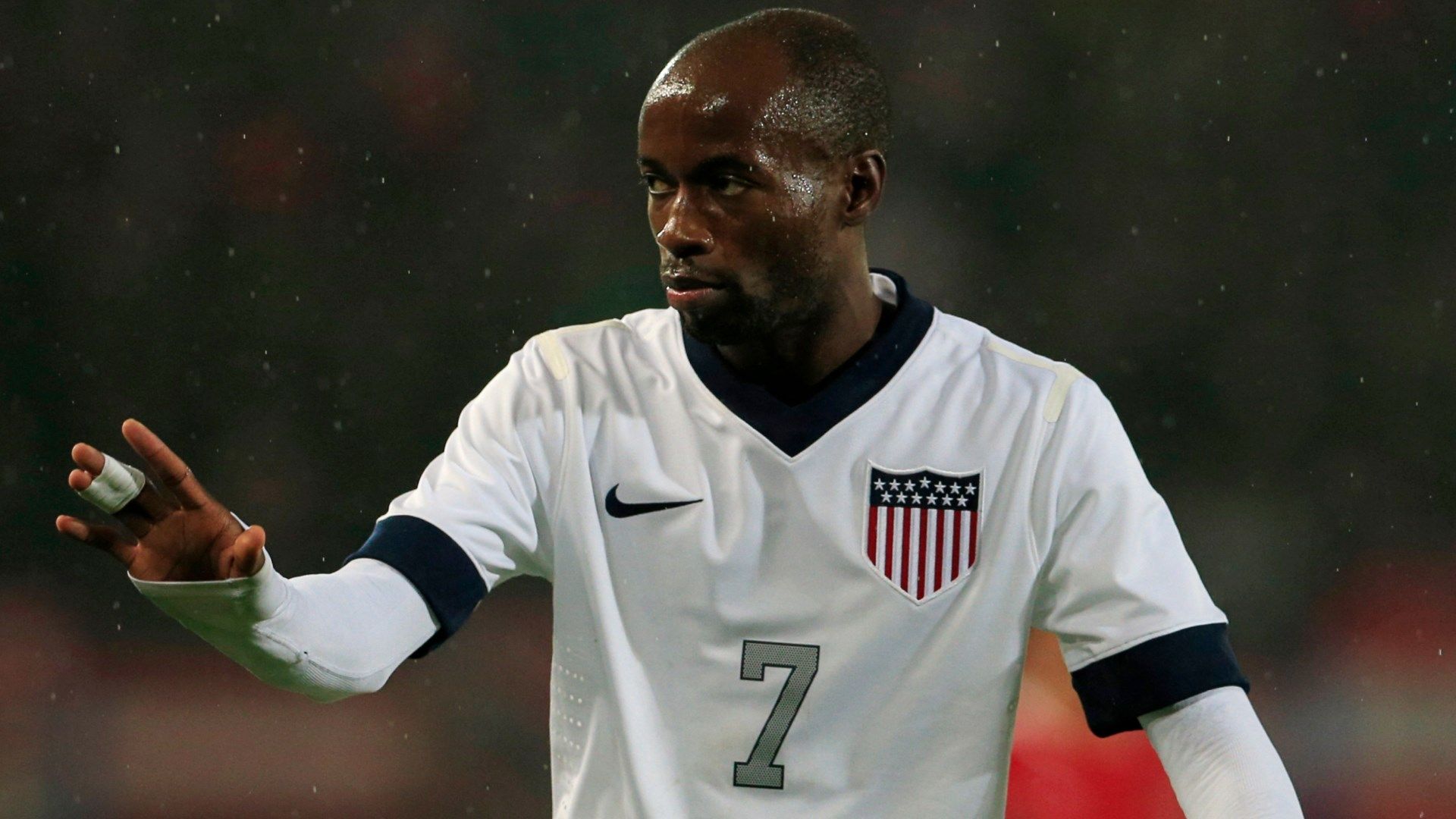
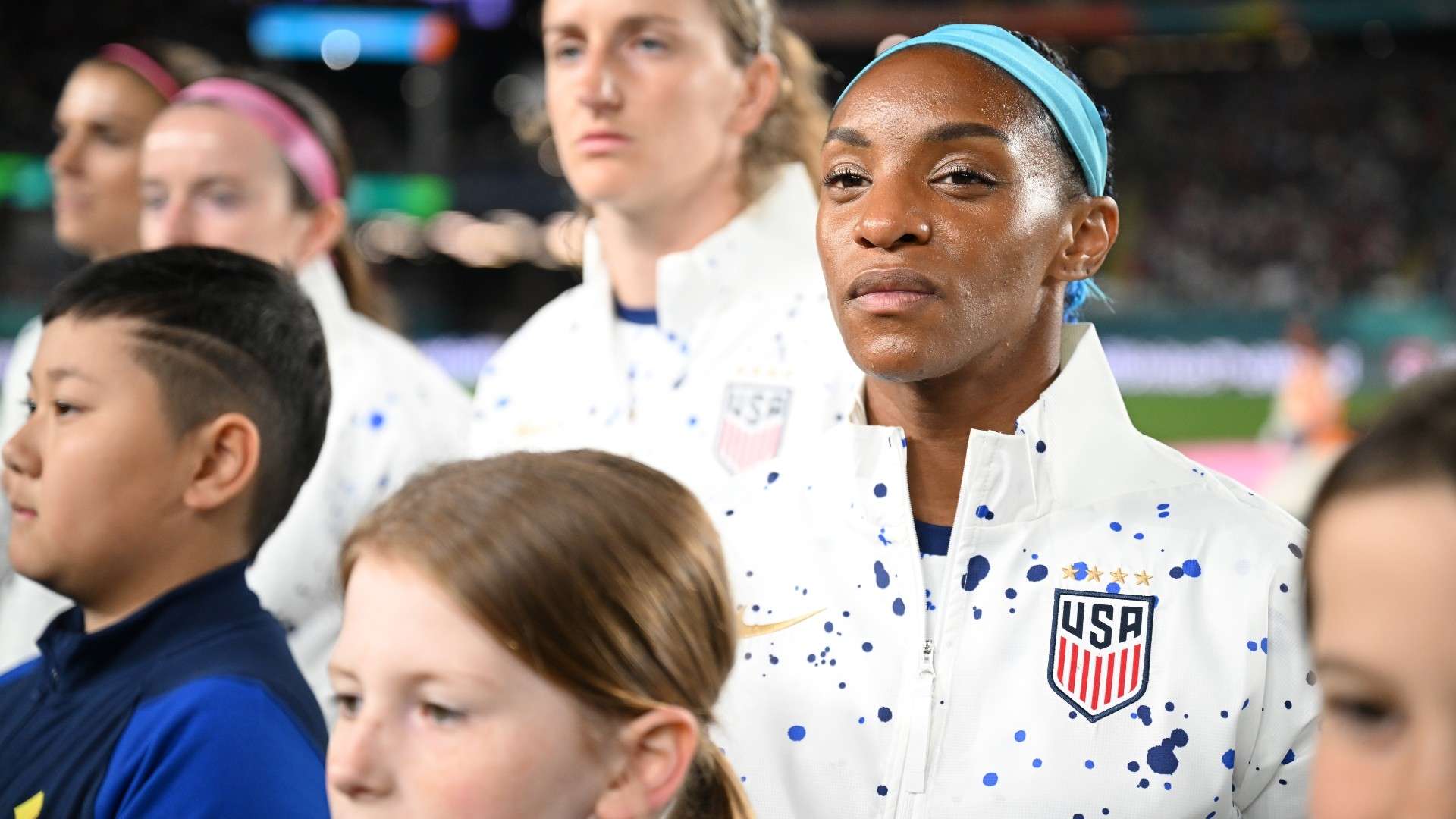
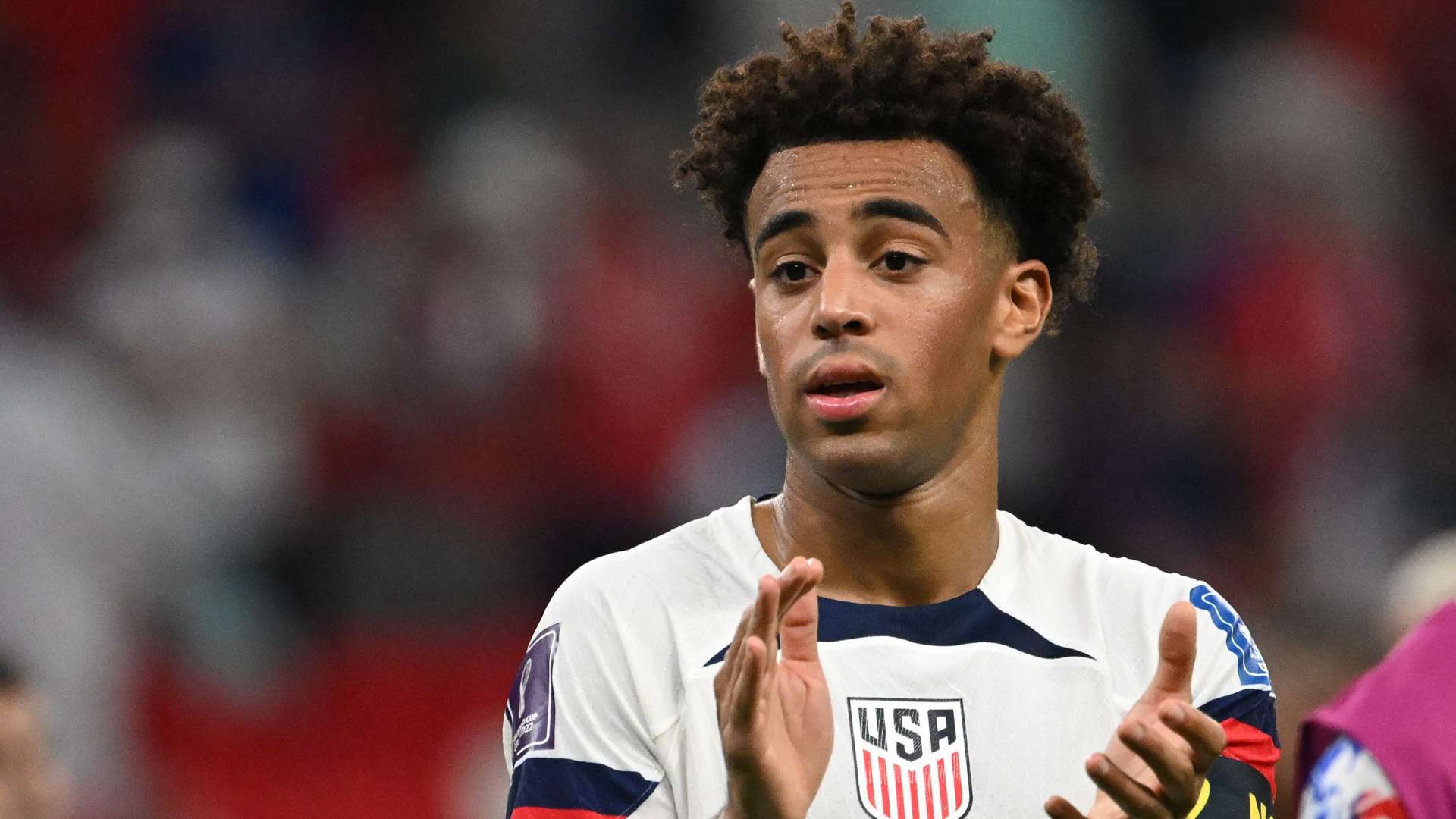
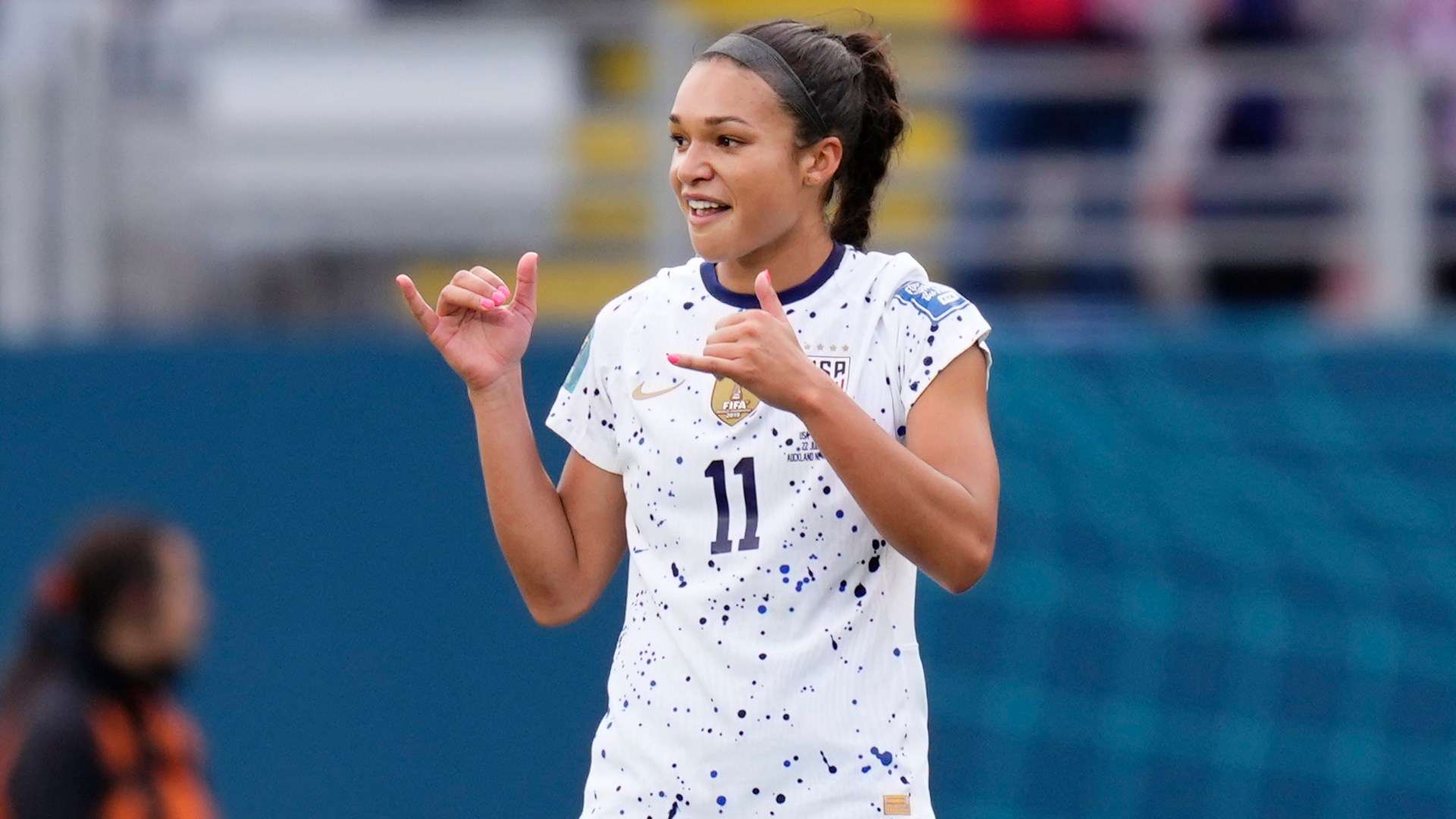
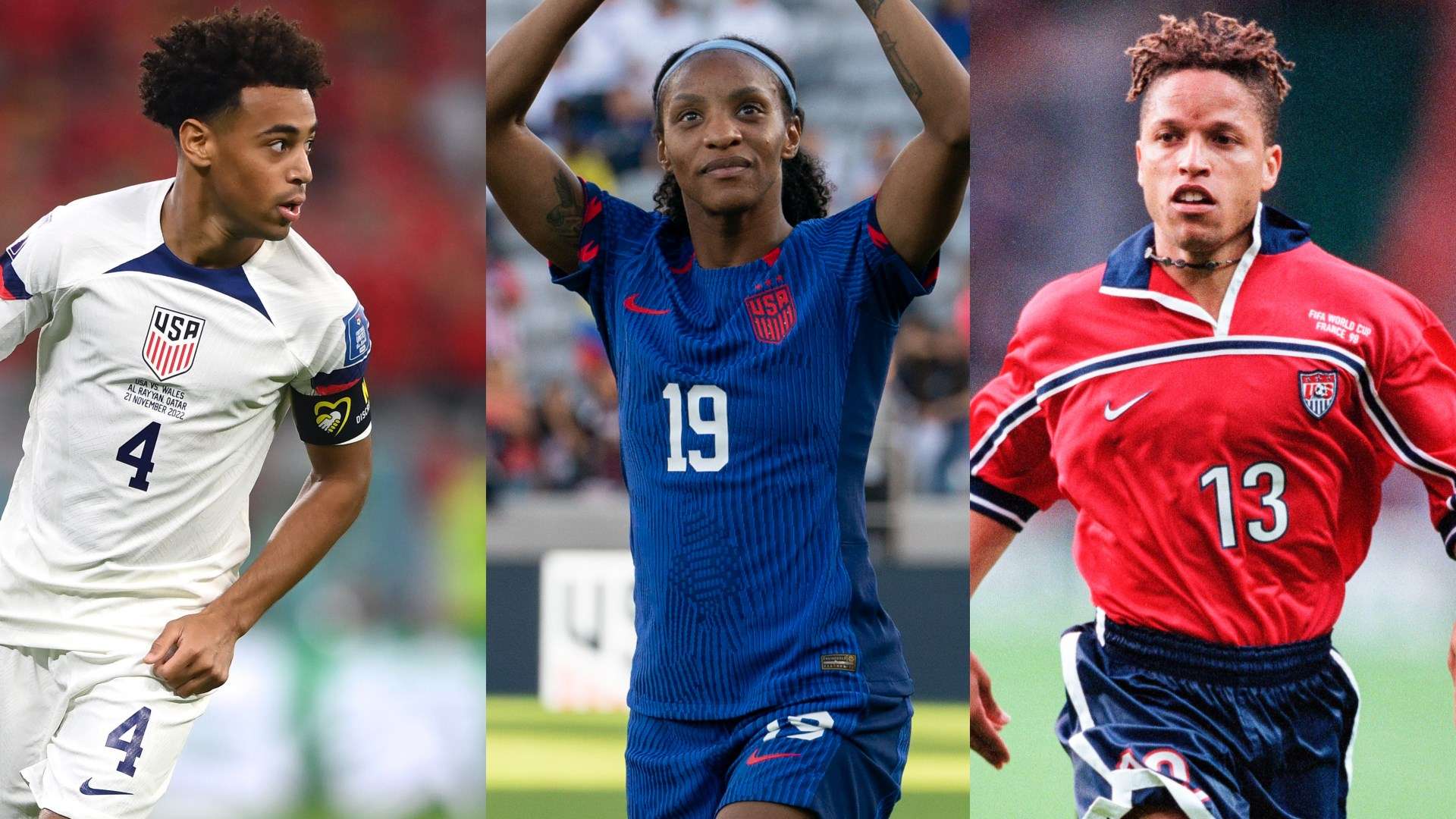
Adams Dunn Jones GFXGetty/GOAL

From Eddie Hawkins and Kim Crabbe to Tyler Adams and Sophia Smith: The Black men and women that have defined the USMNT and USWNT

(Editor's Note: In recognition of Juneteenth, celebrated annually on June 19 to commemorate the end of slavery in the United States, GOAL is reposting this story, originally featured during Black History Month in February.)

American soccer is filled with stories, even if the history of soccer in this country is still very much being written. For all of the big moments this game has had, the American game is still somewhat in its infancy, with most of soccer's great moments coming within the last decades.

Even so, there are plenty of stories to tell. Stories of success and failure, of winning and losing. There are stories of heroes and icons and legends, all of whom have played some part in making this game what it is today.

And, as the country celebrates Black History Month, it's important to remember that the story of American soccer could not be written without the contributions of so many Black players. From the very beginning, Black players have made the biggest of contributions to both the U.S. men's and women's national team, solidifying their place as legends and trailblazers.

Let's make one thing clear: those stories weren't always defined by fairness or equality. Soccer, and society, has come a long way, for sure, with so many Black men and women playing their part. There's still so much to do, though. There are so many stories left to be written as the game grows more and more.

GOAL looks back at some of the game's icons, their stories and their legacies, while also taking a glimpse into the stories still being written by the new faces of the USMNT and USWNT:
  • The great Gaetjens

    He was at the center of arguably the USMNT's biggest-ever win. At the 1950 World Cup, the U.S. defeated England 1-0 to seal one of the biggest upsets in World Cup history. The man who scored the goal? Joe Gaetjens.

    Born in Haiti, Gaetjens was one of the first people of color to appear for the USMNT. He wasn't an American citizen, as rules back then required players to only sign a declaration of intent to play for a national team. He never got that citizenship, either, nor a U.S. passport, but that didn't stop Gaetjens from etching his name in American soccer history.

    Gaetjens' story, though, ended in tragedy. A member of a political family in Haiti, Gaetjens was arrested by the country's secret police and taken to prison in 1964. That prison, Fort Dimanche, was notorious for its brutality and, after being jailed, Gaetjens was never seen again.

    Gaetjens' legacy hasn't been lost, though. He was inducted into the National Soccer Hall of Fame in 1950 alongside the rest of that World Cup team. To this day, the USMNT's win over England is still seen as one of the biggest upsets in this sport's history. Gaetjens was at the center of it, having scored one of the biggest goals this country has ever seen.

  • Advertisement
  • Hawkins breaks through with USMNT

    Eddie Hawkins' isn't the most famous player to ever represent the USMNT. He isn't the most decorated nor the most successful, either. But he is among the most important, as he blazed the trail that so many after him have walked down.

    Prior to December 2, 1984, no African-American man had ever represented the USMNT; that was until Hawkins took the field against Ecuador in the Miami Cup. On that day, Hawkins made history, and the craziest part is that he didn't even realize it at the time. It would be five years before Hawkins even realized he had been the first U.S.-born Black player to represent the USMNT, as he didn't realize the magnitude of his achievement until years later.

    “When you’re out there listening to the National Anthem, you wish you could just thank all of them at the same time,” Hawkins told U.S. Soccer. “Everybody’s little bit that went into it kind of came together. It makes you grateful for all the people that were behind you helping you get there.”

    During Hawkins' rise to the USMNT, he didn't have many players to look up to that looked like him. Growing up in Washingtonville, N.Y., Hawkins fell in love with the game thanks to the work of Tony Martelli, an Italian coach that turned the small local community into a soccer hotbed. Among his best talents? Hawkins and his brothers, with the future USMNT midfielder soon realizing that soccer could be his best chance at a college scholarship.

    After playing at Hartwick College, Hawkins earned his first USMNT call-up in 1984, joining the team for two friendlies against Ecuador for one solitary cap that would end up changing his life and those of many others.

    After his career came to a close, Hawkins founded the Zen Soccer School near Chicago, a program that is focused on offering a diverse group of players the chance to forge their own path in soccer, just as Hawkins did in his youth.

  • Kim Crabbe USWNTGetty Images

    Crabbe & Gordon help define the USWNT

    At the time of Hawkins' initial USMNT camp, the USWNT was still several months away from existence. The team didn't play its first match until August 1985, setting the stage for four decades of dominance that would follow.

    In that same year, Kim Crabbe (pictured) was helping lead George Mason to the 1985 NCAA Championship. In that match, Crabbe and co. defeated future USWNT head coach Anson Dorrance, who would eventually spearhead the efforts that led the U.S. to their triumph in the first-ever Women's World Cup.

    Impressed by what he saw in the NCAA Tournament, Dorrance called Crabbe up to the USWNT a few months later, making her the first black woman to be called into the national team.

    “I understood how life-changing this could be," Crabbe told U.S. Soccer, "not only for my personal soccer career, but more importantly for women’s soccer.”

    Crabbe didn't see the field during that initial call-up, so, while she did pave the way with the USWNT, it was Sandi Gordon who has the honor of being the first African-American female to see the field for the USWNT. Unlike Crabbe, Gordon did not play in college soccer. Instead, she was spotted during her time as an amateur, impressing Dorrance enough to earn a call-up and a debut against Sweden in July 1987.

    “I have always been proud of who I am, but at the time I never thought of myself as being anything other than a player representing my country,” Gordon told U.S. Soccer. “I am a huge fan of our current USWNT as every one of them has earned their positions through fair competition and hard work. I hope the way I played was an inspiration to all young women across the spectrum and showed them that they can achieve any goal no matter what their background.”

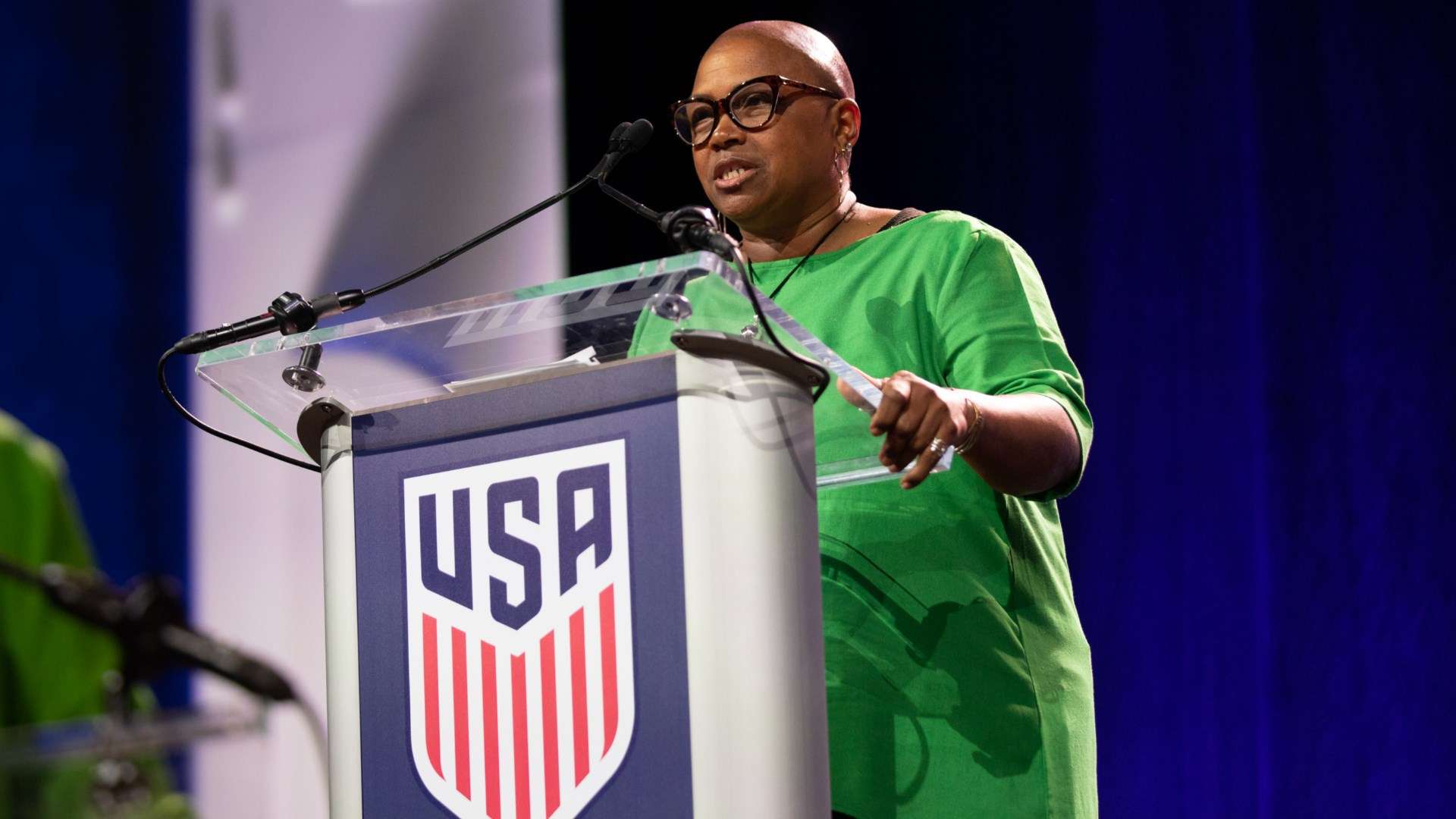
    Gordon went on to make seven total appearances for the U.S., with six coming in 1987. As for Crabbe, U.S. Soccer created the Kim Crabbe Game Changers award in 2022, honoring her contributions to the game. The award is given to a member of the soccer community who makes contributions to diversity, equity, inclusion and belonging, which Crabbe and Gordon both represented during those initial days of the USWNT.

  • Cobi Jones USMNT 1998Getty Images

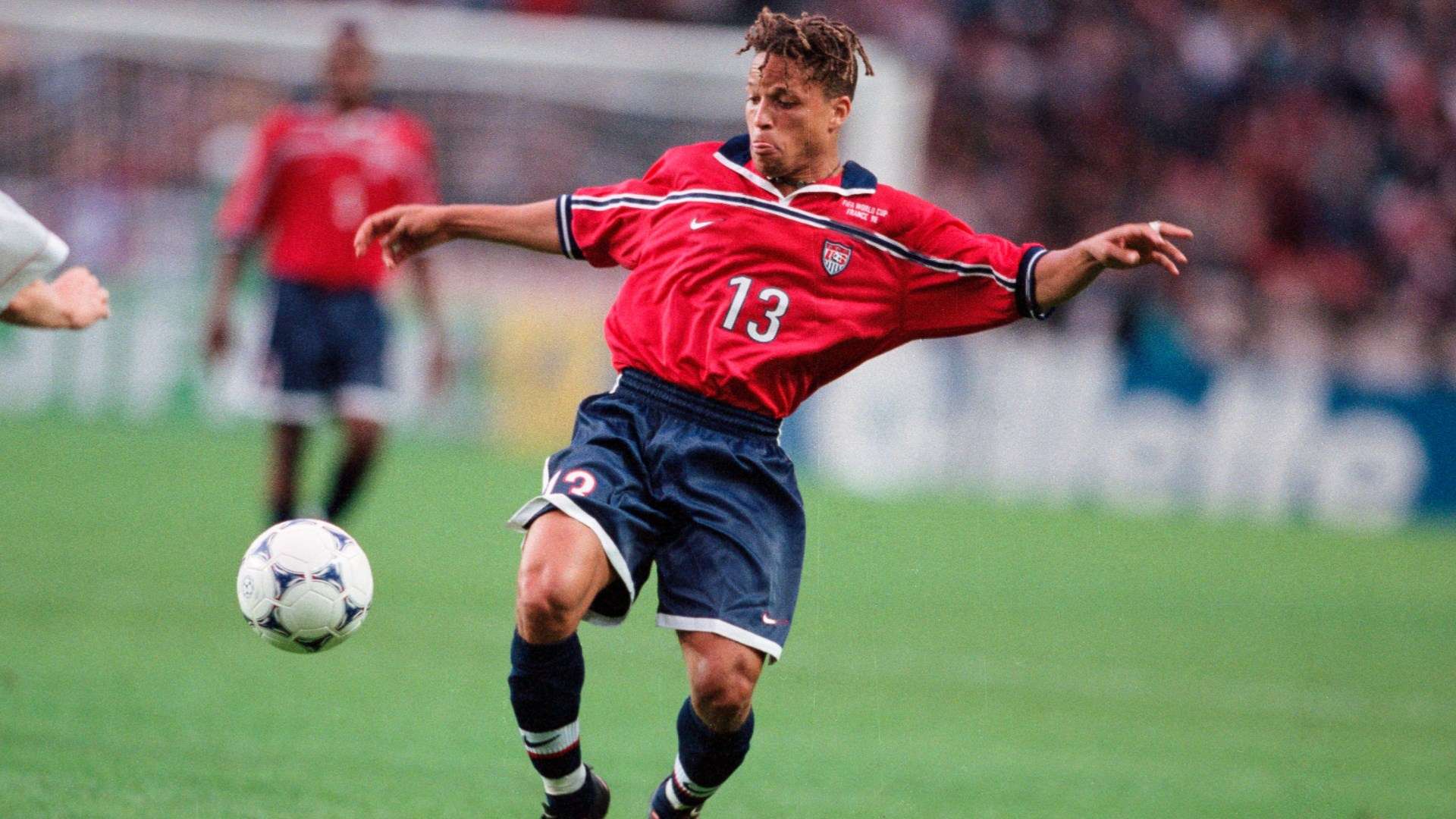
    Jones inspires a generation

    For an entire generation of kids, Cobi Jones was their introduction to soccer. That wasn't just for Black kids, either. Whatever race or background, if you followed American soccer, Jones was your superhero.

    After starring for the U.S. in the years following his 1992 debut, Jones really rose to prominence, like many of his teammates, at the 1994 World Cup. With his distinct dreadlocks and all-action style in midfield, the U.S. fell in love with Jones immediately.

    "You feel that you are different, but you also feel that you have a responsibility to hold yourself in a certain way," Jones told MLSsoccer.com. "I always wanted to make sure that I carried myself with a certain amount of self-respect that was evident.

    "I was never the type to say 'Look at me! I'm your role model.' But I always had a sense of what I was representing. I wanted others to see what I was doing and know that they could do it as well."

    On the club level, Jones is a legitimate MLS legend, one of the biggest and most important players the league has ever seen. During his 11 seasons with the LA Galaxy, Jones won two MLS Cups, two U.S. Open Cups, two Supporters; Shields and a CONCACAF Champions Cup, solidifying his place among the league's best.

    Internationally, he remains the USMNT's all-time cap leader with 164, having represented his country at three different World Cups. These days, Jones is a member of Apple TV's coverage of MLS, keeping him in the spotlight all these years after he became one of the first true faces of American soccer.

  • Briana Scurry USWNT 1999Getty Images

    Where would the USWNT be without Scurry?

    When you want to talk about legends, the true greatest to ever put on a USWNT shirt, you better not leave off Briana Scurry.

    A true history-maker and one of the best the women's game has seen at the goalkeeper position, Scurry played in four World Cups and three Olympic tournaments for the U.S. She won two Olympic gold medals, but she's best known for what she did to help the U.S. in their famous 1999 Women's World Cup triumph.

    In that tournament's final, after 120 minutes of scoreless soccer between the U.S. and China, it all came down to Scurry in the penalty shootout. Her save from China's third penalty kick sent the home crowd wild in an unforgettable World Cup moment.

    On that day, Scurry became a hero to soccer fans all over the country and, realistically, all over the world. It was just one of her 173 international appearances, second-most among women's goalkeepers, but it was the one that changed the trajectory of her life forever. Scurry was inducted into the National Soccer Hall of Fame in 2017, making her the first women's goalkeeper and the first black woman to be given the honor.

  • DaMarcus Beasley USMNTGetty Images

    Beasley & Pope create paths at home and abroad

    DaMarcus Beasley and Eddie Pope are both right there among the top players the U.S. has ever had. The two went about their careers in different ways, but both found huge success.

    Nearly two decades after his retirement, there's a very real argument to be made that Pope is the best defender the USMNT has ever had. He earned 82 caps throughout his Hall of Fame career, starring at three World Cups.

    After initially breaking through in MLS and at the 2002 World Cup, Beasley was a true trailblazer in Europe, thriving at the highest level in that part of the world. He reached a Champions League semifinal with PSV, one of the best performances an American has put forth on that sort of stage.

    During his time abroad, he played for some of the biggest clubs in the world, clubs like PSV, Manchester City and Rangers, while proving that Americans could thrive in Europe. Beasley wasn't just carrying the flag for Americans abroad, though; he was also inspiring a generation of young Black players.

    "Towards the end of my career, I had younger guys like Maurice Edu, Jozy Altidore, Fafa Picault, many of whom are also my dear friends, tell me, 'Man, I played this game because of you,' or 'You were the first Black guy I really related to and showed me I can make something of myself in this sport'," Beasley told MLSSoccer.com. "Really, I never looked at myself in that way, that I was a so-called trailblazer or someone that's moving the needle in the Black community. I never thought of myself as a role model. I always just tried to play the game in the right way, to give back when I could, give back to my hometown with my camps and different things like that. It gave me goosebumps to hear that I had inspired others to go even further."

    Beasley added: "In retrospect, my generation did our thing more so on the field. We were trying to create opportunities from a playing standpoint, give other Black players the opportunity to play in Europe or MLS or the inspiration to play on the national team, and we were following in the footsteps of Cobi and Eddie, and Desmond Armstrong even before them. We were trying to take another step forward, to bridge that gap, change that narrative that soccer was just a white suburban sport, and get more African-Americans to play the game and to fall in love with it."

  • Crystal Dunn USWNT 2023Getty Images

    Dunn & Press represent a generation

    Their careers aren't over, but there's no need to wait to say it: Crystal Dunn and Christen Press have made a massive impact on the USNWT.

    After becoming the first Black woman to win the Hermann Trophy during her time at Stanford, Press went on to become a USWNT legend. With two World Cup trophies on her resume, Press' place in history is solidified.

    She's not done, though. Despite a career-altering injury robbing her of a chance to compete for a 2023 World Cup spot, Press is on the comeback trail and is already planning her next phase. Alongside Tobin Heath, Megan Rapinoe and Meghan Klingenberg, Press has founded RE-INC, a company that is out to redefine how the women's game is covered.

    Dunn, meanwhile, is pushing for an Olympic spot. She's been to that particular tournament twice, while she's also been to two World Cups, helping the U.S. lift the title back in 2019. Throughout her upbringing, Dunn was often the only Black player on the field, and she's spent her entire career fighting back against the stereotypes often thrust on Black players.

    “As a black woman, I always felt growing up I had to do above and beyond stuff to be noticed, to feel like I could hang with everybody else,” she told the Guardian. “I tried to implement so many different things in my game so that I’m not just known for my speed. It’s a stereotype that Black players are just really fast, but at the end of day I want to be skilled, I want to be technical, I want to have vision and that’s what I’ve always tried to promote in my game: not relying on one thing but just being able to outwork players in so many different ways.”

    Dunn will look to add another trophy to her resume this month, too. She'll be the most-capped player in the squad ahead of the Gold Cup, having been named to the roster by interim boss Twila Kilgore.

  • Tyler Adams USMNT 2022 World CupGetty

    Adams becomes Captain America

    In hindsight, he was the only choice. Tyler Adams, the young midfielder, had more than earned the title of USMNT captain.

    Ahead of the 2022 World Cup, Adams was given the armband, making him the first Black captain of the USMNT at a World Cup. He'd worn the armband before as part of a leadership council, but in Qatar, the captaincy would be Adams' responsibility. And the U.S. were lucky to have him, as Adams' grace, poise and maturity guided the U.S. on and off the field.

    On the field, Adams was immense, running games from the midfield. His performance against England, in particular, was spectacular, as he helped the U.S. reach the knockout rounds.

    His efforts in the press room, though, were even more impressive. After being called out by an Iranian reporter for mispronouncing the country's name, Adams' response couldn't have been more perfect as the journalist went at Adams with a question about discrimination in the U.S.

    "My apologies on the mispronunciation of your country," Adams began. "That being said, there's discrimination everywhere you go. You know, one thing I've learned, especially from living abroad in the past years and having to fit into different cultures and kind of assimilate into different cultures, is that in the U.S., we're continuing to make progress every single day.

    "Growing up for me, I grew up in a white family with obviously an African-American heritage and background as well. So I had a little bit of different cultures. And I was very, very easily able to assimilate in different cultures. So not everyone has that ease and the ability to do that. And obviously, it takes longer to understand and through education, I think it's super important, like you just educated me now on the pronunciation of your country. So yeah, it's a process, I think as long as you see progress, that's the most important thing."

  • Sophia Smith USWNT 2023Getty Images

    Smith becomes the face of the USWNT

    In the lead-up to the 2023 World Cup, Sophia Smith was everywhere. Rightfully so, too. She entered the tournament as one of the game's bright young stars and one of the most dynamic attackers the American game has seen. The World Cup didn't quite go to plan but, make no mistake, Smith is a superstar.

    In 2022, Smith scored 15 NWSL goals, leading the Portland Thorns to the league title. She won MVP honors as well as NWSL Final MVP honors, establishing herself as a legitimate force. Meanwhile, Smith was beginning to emerge with the USWNT. She scored 11 goals throughout the 2022 campaign, proving that she was ready to be the face of the team ahead of the World Cup. For her efforts, she was named 2022 U.S. Soccer Female Player of the Year, becoming the first Black woman to win the award.

    The scary part is that Smith is just getting started. Just 23 years old, Smith still has a lot of story left to write.

  • Rodman USWNT 2023Getty

    New generation rises

    Take a quick glance at both the USMNT and USWNT and you'll quickly realize that male and female Black players will have a massive part to play in the future of American soccer.

    On the men's side, Adams is far from alone. He's joined in the midfield by the likes of Weston McKennie and Yunus Musah. Tim Weah was the USMNT's first goalscorer in Qatar, while Folarin Balogun is the striker of the future. That's just the beginning. In total, the 2022 World Cup squad featured 12 Black players, while youngsters like Kevin Paredes, Malik Tillman, Jalen Neal, Josh Wynder and Chris Richards are next in line.

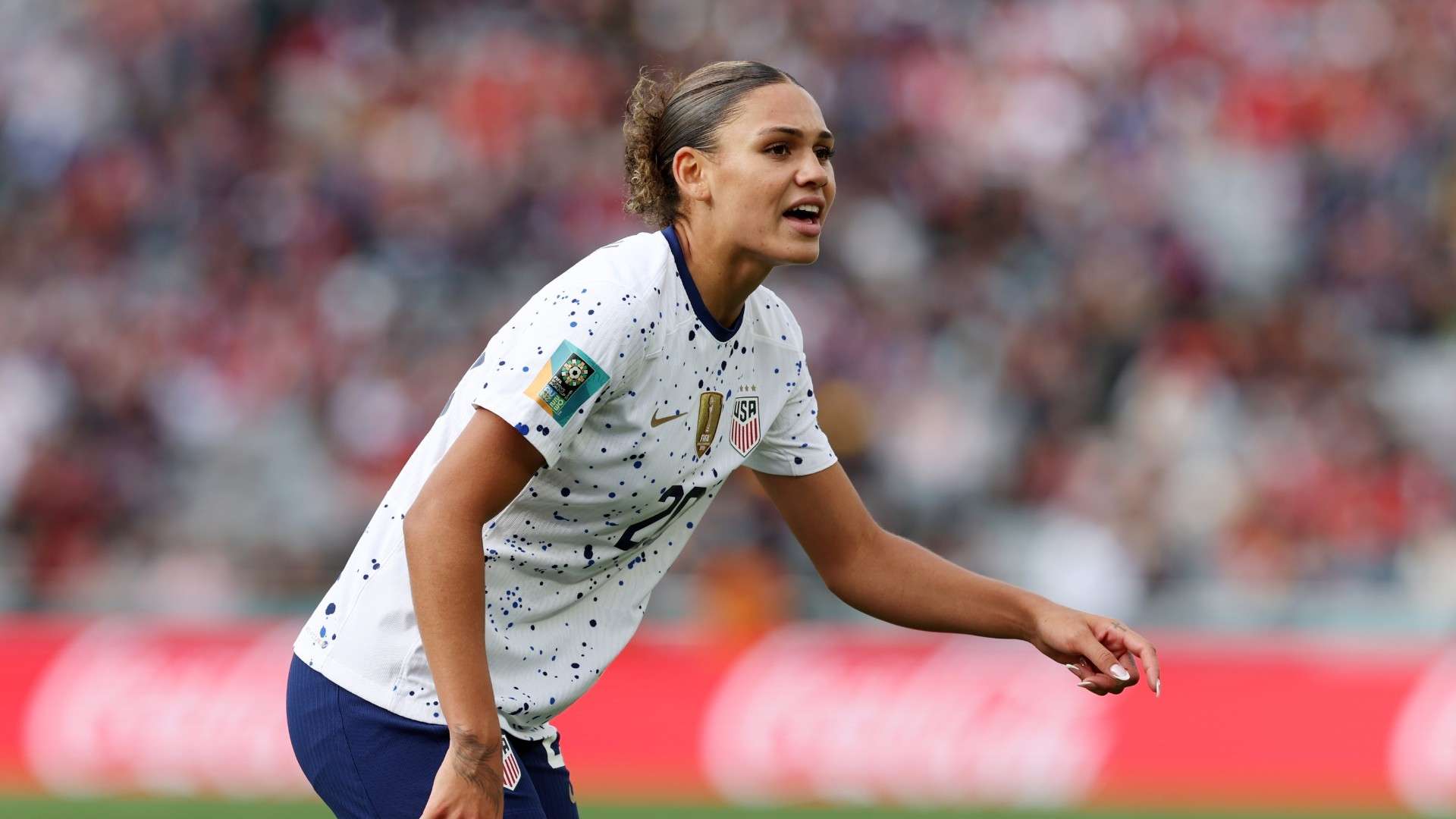
    The USWNT, meanwhile, is ushering in a new generation, with Black players very much at the forefront. Sisters Alyssa and Gisele Thompson are helping lead the charge alongside Jaedyn Shaw and Mia Fishel, while Trinity Rodman has already joined Smith among the faces of American soccer.

    There's still much work to be done at all levels of the American game. The playing field still isn't equal, even if so much has gotten better in the years since Hawkins, Crabbe and Gordon blazed the trail. The fact is, though, that Black players have helped define the direction of American soccer, and they'll continue to do so as both the men's and women's national team push the game further and further in the U.S.