+18 | Commercial Content | T&C's Apply | Play Responsibly | Publishing Principles
This page contains affiliate links. When you purchase through the links provided, we may earn a commission.
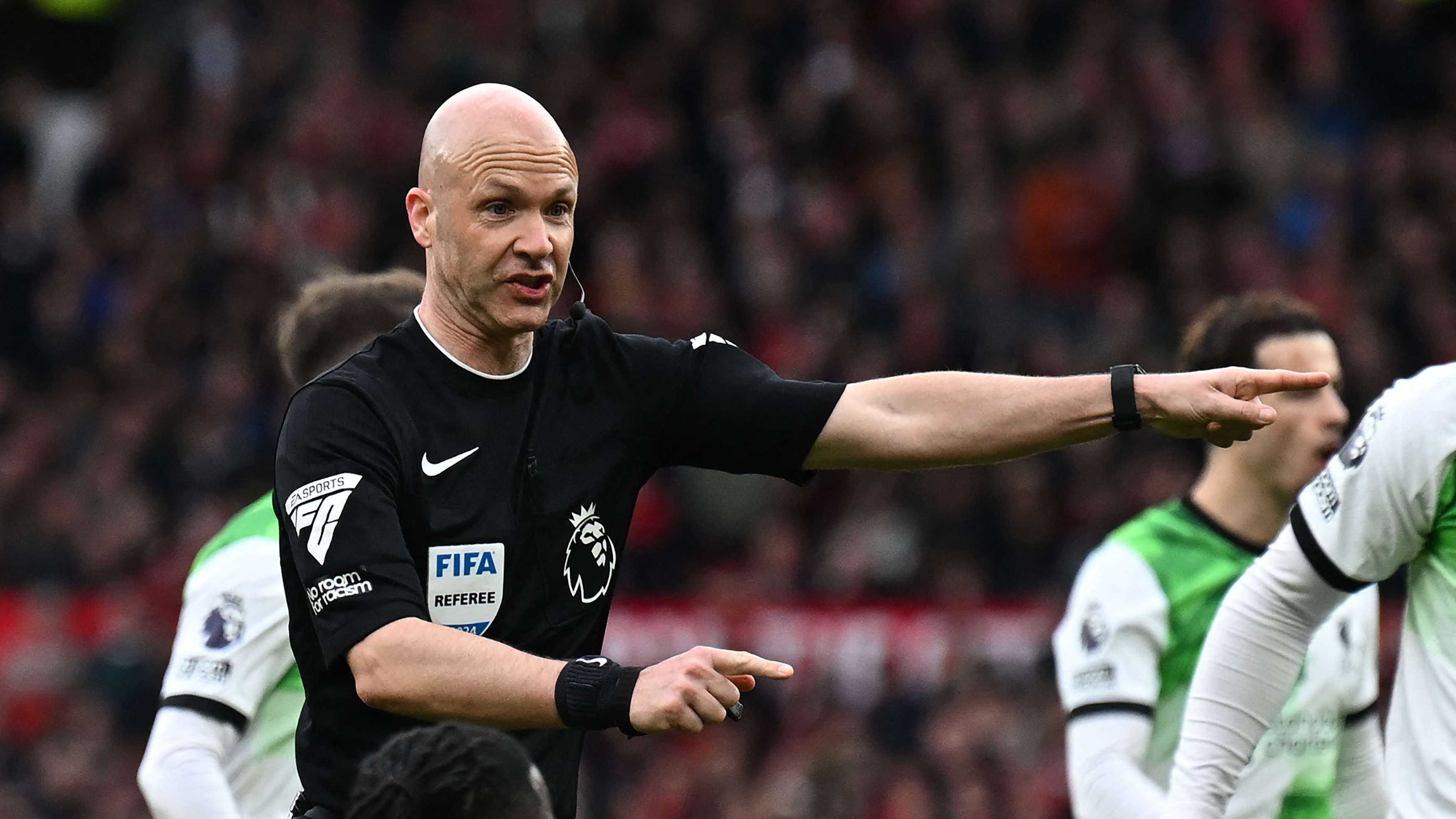
FBL-ENG-PR-MAN UTD-LIVERPOOLAFP

Explained: Why Premier League games will have less stoppage time in 2024-25 after referees handed new instructions

Article continues below

Article continues below

Article continues below

  • New rules for added time introduced
  • 30 seconds to be allowed for goal celebrations
  • Aims to bring down the match length to 100 minutes
  • WHAT HAPPENED?

    The change has been formulated in response to growing concerns over the increasing duration of Premier League games, which last season averaged around 101 minutes and 35 seconds. One of the central changes in the new guidelines is the introduction of a 30-second rule following each goal. Under this new directive, referees will allow a standard 30 seconds for teams to reposition themselves after a goal is scored before adding any additional stoppage time for celebrations or VAR checks.

  • Advertisement
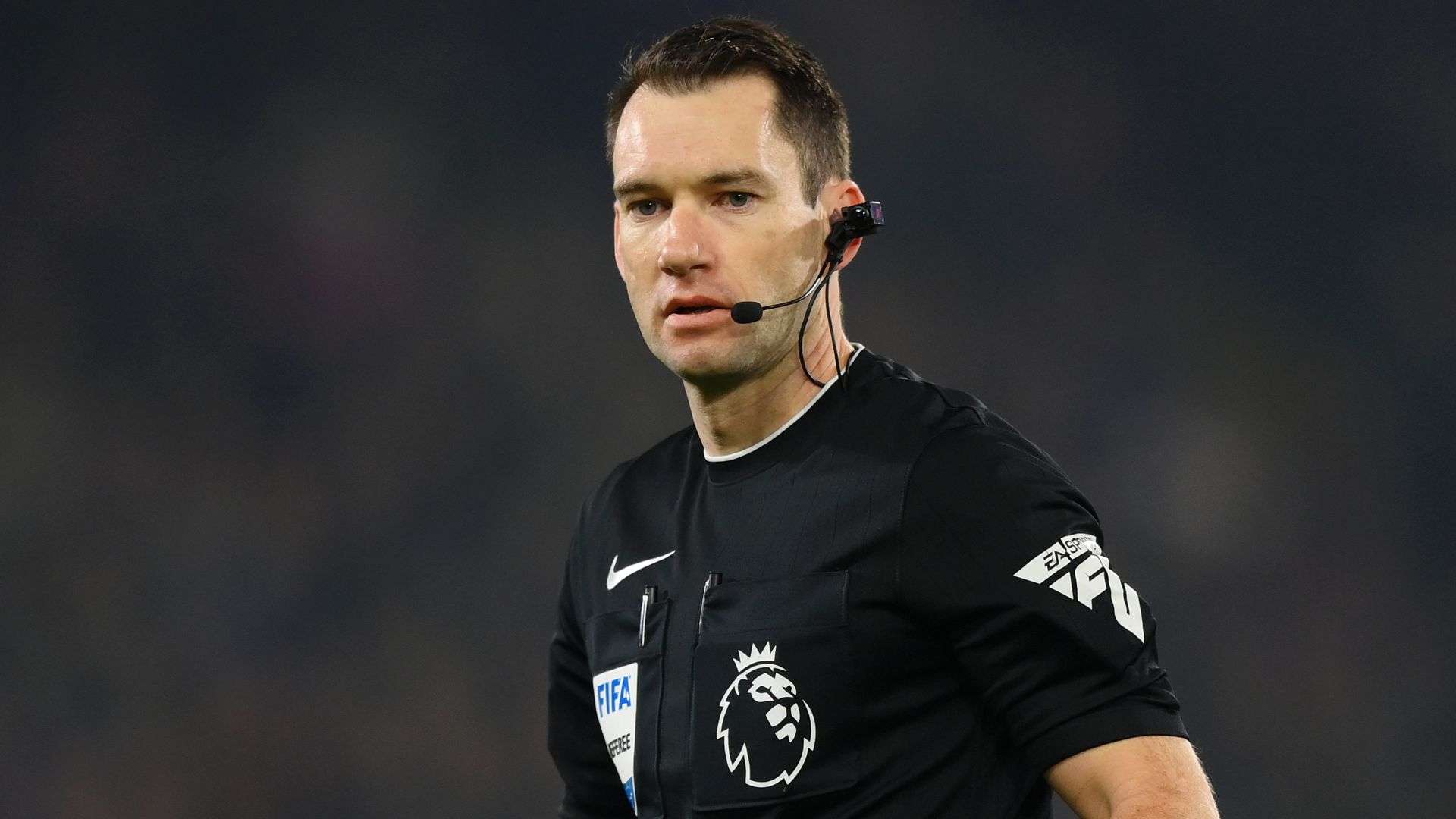
  • Jarred Gillett Referee CamGetty

    THE BIGGER PICTURE

    This adjustment is expected to shorten the duration of games by around 1 minute and 30 seconds per match, assuming the average of 3.1 goals per game from last season holds true this campaign. The aim is to bring match lengths closer to the 100-minute mark, reducing the extensive stoppage times that have become increasingly common in recent years.

  • WHAT THE PREMIER LEAGUE SAID

    Tony Scholes, the Premier League's chief football officer, provided clarity on the changes, stating, "Last season, we added on every second from when the ball hit the back of the net until the restart. In 2024-25, we are not going to add on the first 30 seconds because 30 seconds is the natural time it would take the two teams to get back in position for the restart after a goal."

    This new approach aligns with the Premier League's broader efforts to streamline the game and maintain a balance between accurate timekeeping and the natural flow of the match. Scholes' comments highlight a pragmatic approach, acknowledging the time teams naturally take to reorganize after scoring, without artificially inflating stoppage time.

  • ENJOYED THIS STORY?

    Add GOAL.com as a preferred source on Google to see more of our reporting

  • DID YOU KNOW?

    The Premier League's decision to alter stoppage time calculations comes in the context of differing approaches by football's governing bodies. While English football has followed FIFA's lead in implementing more rigorous stoppage time calculations, UEFA has taken a contrasting route, resulting in shorter match durations in both the Champions League and Euro 2024.

  • VARMLSZ.hu

    WHAT NEXT?

    The PFA has been particularly vocal about the implications of longer matches on player welfare. The increased demands on players' physical and mental endurance due to extended game times have raised legitimate concerns. The association has highlighted the potential for higher injury risks and fatigue, especially in a league as competitive and intense as the Premier League.

    Managers have also expressed their worries, emphasizing the need for a balance between accurate timekeeping and the practical realities of maintaining player health and performance. The new 30-second rule and the decision not to introduce loudspeaker VAR announcements can be seen as responses to these concerns, aiming to prevent unnecessary prolongation of matches.