+18 | Commercial Content | T&C's Apply | Play Responsibly | Publishing Principles
This page contains affiliate links. When you purchase through the links provided, we may earn a commission.
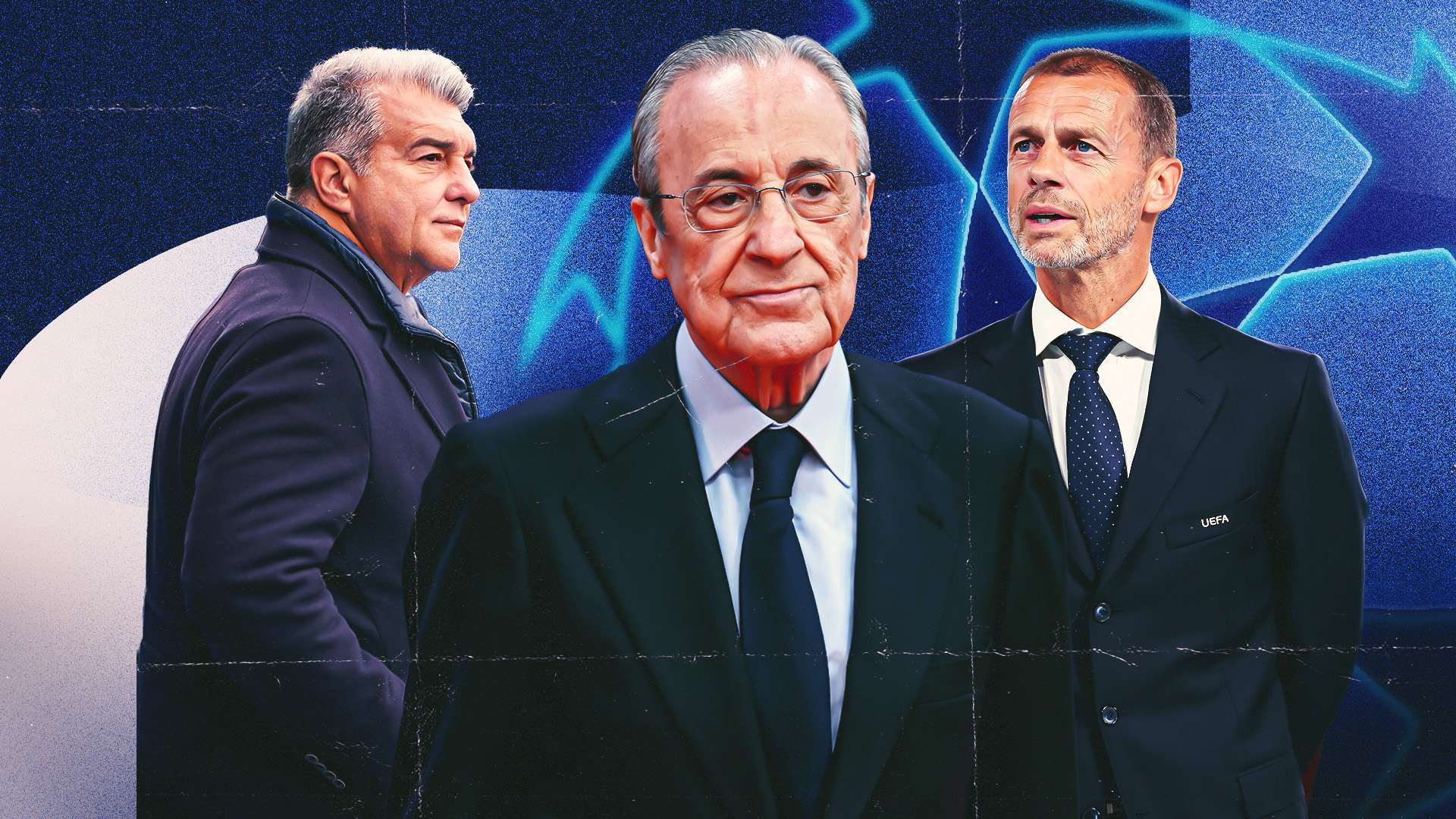
European Super League GFXGOAL

The death of the European Super League? Barcelona's withdrawal leaves Florentino Perez's Real Madrid all alone - but it could lead to yet another Champions League revamp

However, it's also been reported in Spain that the Catalans, in conjunction with their Clasico rivals and ESL backers A22 Sports Management, have held seven rounds of talks with UEFA over making changes to the format of its flagship event, the Champions League - even though it was only revamped last year.

So, what exactly is going on at the highest level of the European game? How did a footballing civil war effectively break out across the continent? Is it now about to end? And if so, what would that mean for the Champions League going forward? GOAL attempts to break it all down below...

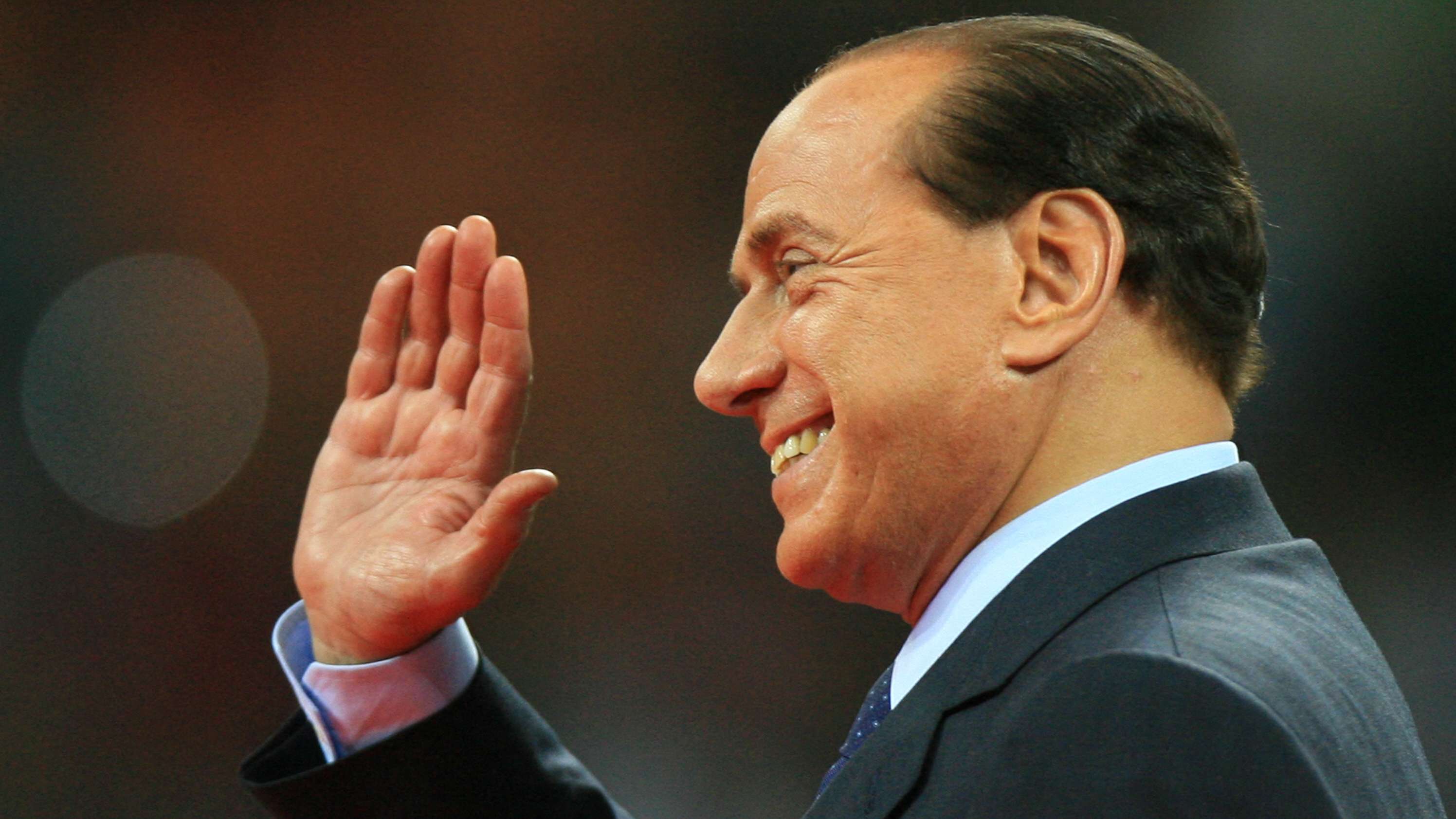
  • FBL-ITA-MILAN-JUVENTUS-BERLUSCONI TROPHYAFP

    The constant Super League threat

    Former UEFA chief executive Gerhard Aigner once dismissed the idea of a European Super League as "an illusion" – but its power has always been very real. As former AC Milan director Umberto Gandini pointed out, "the birth of the Champions League in 1993" was effectively UEFA's response to Silvio Berlusconi's attempt to create a breakaway competition for Europe's elite.

    It was also no coincidence that in 1999, just two years after Berlusconi backed another bid to set up a Super League, UEFA increased the amount of teams and games in the Champions League, and introduced a second group stage to generate more matches.

    As Josh Robinson of The Wall Street Journal previously told GOAL, "Any time the major clubs in Europe don't like the direction football is going in, the Super League is their go-to threat. It's a pretty handy tool for bending things in your favour."

    Consequently, it wasn't remotely surprising to see talk of an ESL intensify in 2020, at a time when the financial fragility of European football's ridiculous business model was being brutally exposed by Coronavirus.

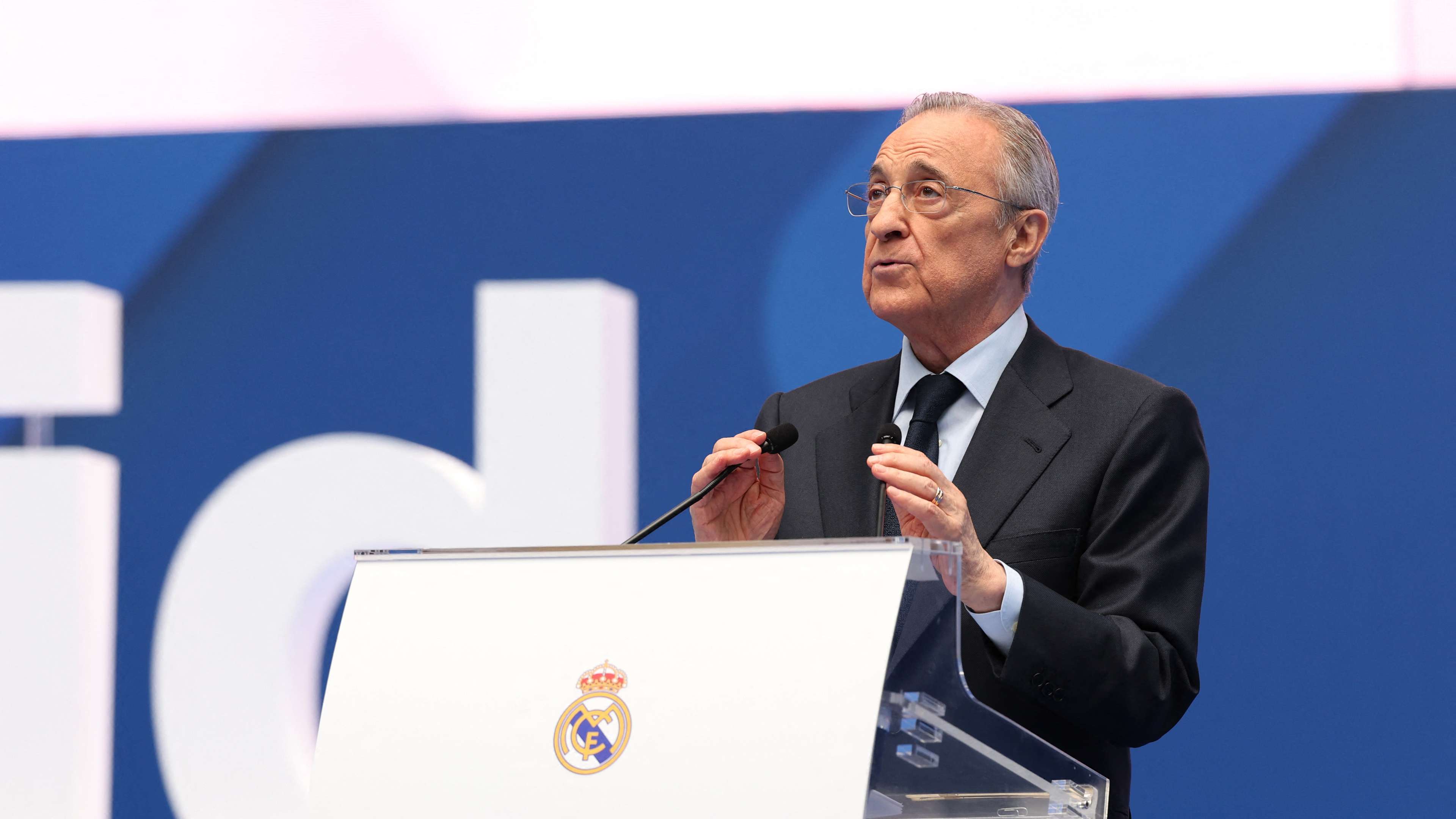
    "Nothing will ever be the same again," long-time Super League supporter Perez stated at Madrid's Annual General Assembly. "The pandemic has changed everything. It has made us all more vulnerable, and football too."

    Basically, in a period of arguably unprecedented uncertainty, Perez and many of his fellow presidents across the continent wanted financial guarantees - so they resurrected the ESL because, as financial expert Kieran Maguire told GOAL, "the real money in football is in European competition".

  • Advertisement
  • FBL-ESP-REAL MADRID-MBAPPEAFP

    The birth of the ESL

    The combination of desperation and greed resulted in the horribly rushed foundation of a JP Morgan-backed European Super League on April 18, 2021.

    "Twelve of Europe's leading football clubs have today come together to announce they have agreed to establish a new mid-week competition, the Super League, governed by its Founding Clubs," the press release read. 

    "AC Milan, Arsenal FC, Atletico de Madrid, Chelsea FC, FC Barcelona, FC Internazionale Milano, Juventus FC, Liverpool FC, Manchester City, Manchester United, Real Madrid CF and Tottenham Hotspur have all joined as Founding Clubs. It is anticipated that a further three clubs will join ahead of the inaugural season, which is intended to commence as soon as practicable.

    "Going forward, the Founding Clubs look forward to holding discussions with UEFA and FIFA to work together in partnership to deliver the best outcomes for the new League and for football as a whole.

    "The formation of the Super League comes at a time when the global pandemic has accelerated the instability in the existing European football economic model.

    "Further, for a number of years, the Founding Clubs have had the objective of improving the quality and intensity of existing European competitions throughout each season, and of creating a format for top clubs and players to compete on a regular basis.

    "The pandemic has shown that a strategic vision and a sustainable commercial approach are required to enhance value and support for the benefit of the entire European football pyramid.

    "In recent months extensive dialogue has taken place with football stakeholders regarding the future format of European competitions. The Founding Clubs believe the solutions proposed following these talks do not solve fundamental issues, including the need to provide higher quality matches and additional financial resources for the overall football pyramid."

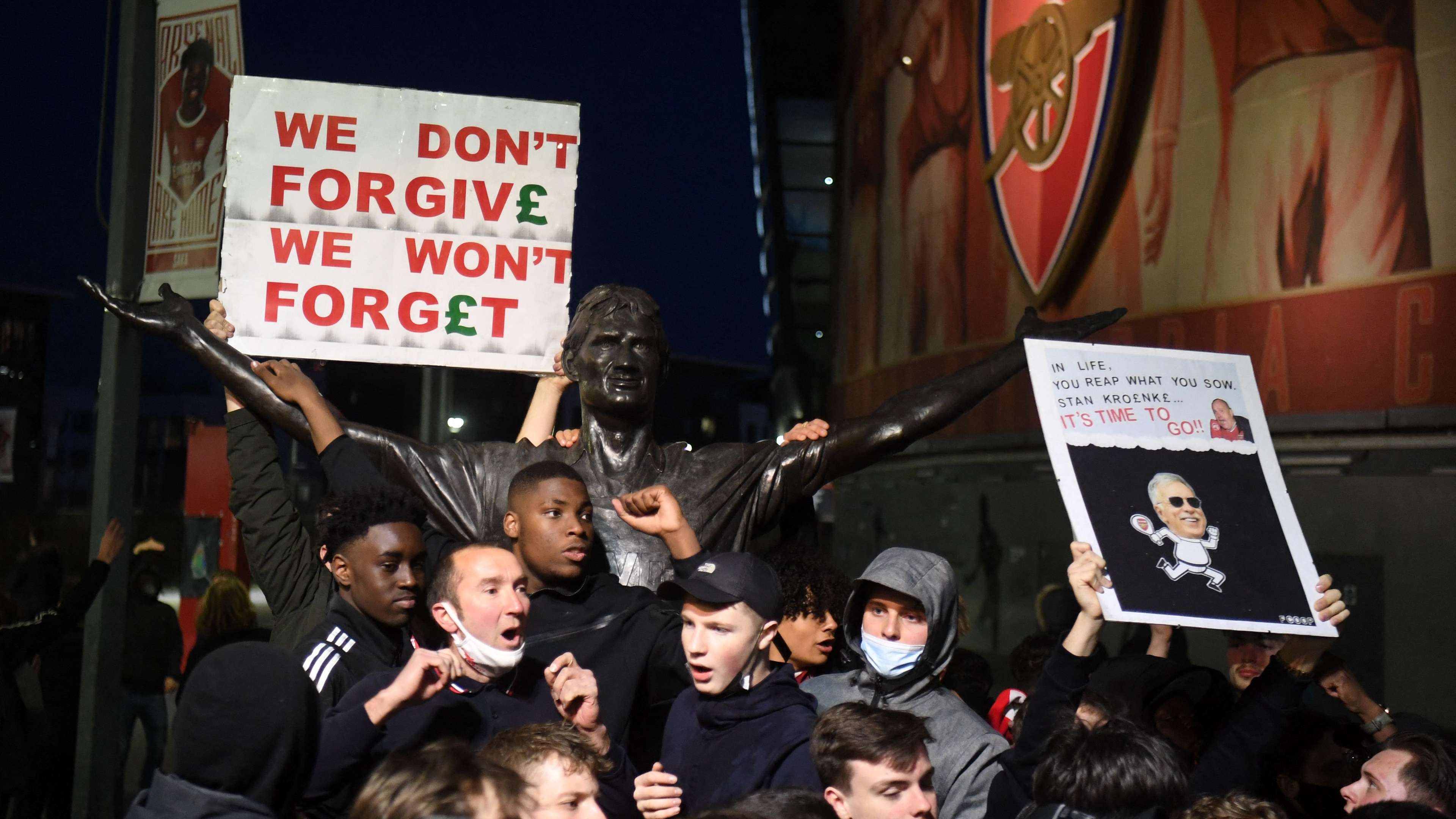
  • FBL-EUR-SUPER-UEFA-ENG-PR-ARSENALAFP

    English clubs withdraw after bitter backlash

    The ESL's original format was inspired by basketball's EuroLeague, which came as no surprise, as it was a tournament in which Perez's Real Madrid competed and one he had referenced on several occasions while championing a new continental competition.

    Essentially, the new tournament would feature 20 teams in total (15 permanent members and five annual qualifiers based on domestic results) and they would compete against one another in two groups of 10 to reach a knockout stage that would determine the overall winner.

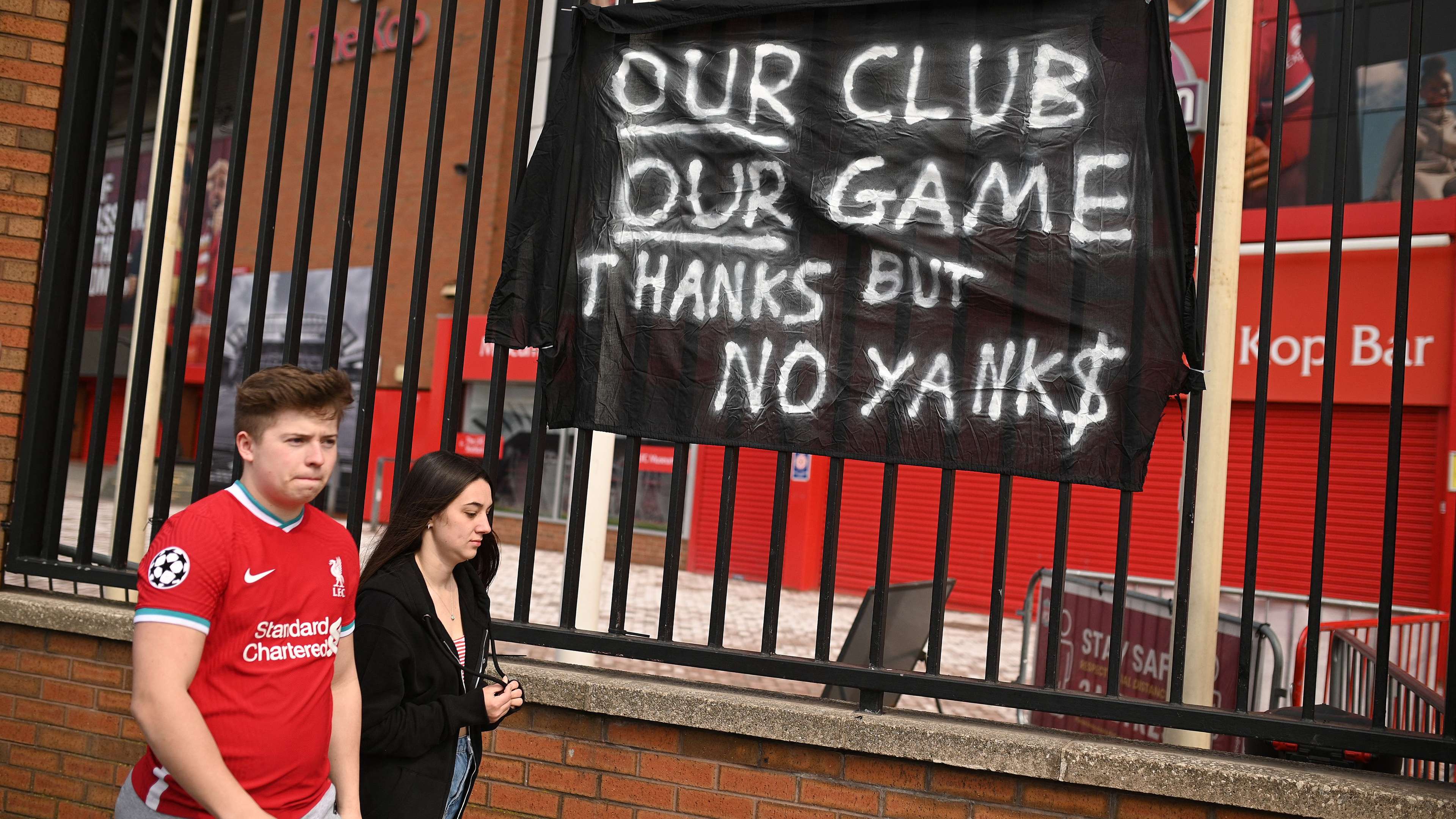
    However, the fact that Bayern Munich, Borussia Dortmund and Paris Saint-Germain all declined invites did not bode well at all and the bitter backlash, from fans, players and local football associations to what was effectively a 'closed shop', resulted in all six of the English clubs pulling out of the project within three days of its official unveiling.

    Amid threats of legal action from UEFA and calls for the 'Big Six' to be kicked out of the Premier League, both Liverpool and Manchester United said their respective ESL withdrawals had been influenced by talks with "key stakeholders", then-Tottenham chairman Daniel Levy expressed his regret at "the anxiety and upset caused by the ESL proposal", while Arsenal apologised for making a "mistake".

  • FBL-EUR-SUPER-UEFA-ENG-PR-LIVERPOOLAFP

    'They're old, they got scared'

    Perez was unsurprisingly enraged by the English clubs' dramatic U-Turn - which was quickly followed by the withdrawals of Atletico, Inter and AC Milan - and he appeared to hold Manchester City responsible during an interview with El Larguero.

    "There was one of the English clubs who didn’t seem so interested and that spread to the rest," the Madrid president claimed. "They signed the contract but we could already see that they were not convinced.

    "[I will not name the club] but one from Manchester saw the campaign saying this will kill the leagues, that it won’t allow [sporting] merit, that it was the end of football.

    "There are people who have privileges and don't want to lose them, even if it ruins football. When the English called me [on Tuesday], we met to see what we could do. They tried, but said: 'Look, we’re not going to do this.'

    "Why? Because they saw the atmosphere. UEFA turned it into a show. It was as if we had dropped an atomic bomb. Maybe we didn’t explain it well but they didn’t give us the chance to. Why? Because they didn’t want us to. I have never seen such aggressiveness; it was orchestrated.

    "The next day they killed us. They were waiting for us. I think they knew we were going to do it. There were threats, insults, as if we had killed football.

    "The owners [of the Premier League clubs] are mostly not English. They’re not in it to make money, they have teams in America, love sport and they found themselves in a position they didn't expect. They're old, they got scared."

  • FBL-SPAIN-BARCELONA-LAPORTAAFP

    The plan to 'reshape the project'

    Of course, the fundamental difference between the English clubs and Perez's Madrid, Joan Laporta's Barcelona and Andrea Agnelli's Juventus (the three biggest ESL supporters) was that they didn't actually need the new competition, given the financial might of the Premier League, which is something of a Super League itself due to its gargantuan TV rights deals.

    For a club like Barcelona, left on the verge of bankruptcy after years of gross financial mismanagement under former president Josep Maria Bartomeu, the guaranteed revenue that the ESL was promising made participation "a necessity", according to Laporta, who added that it would have been a "historical error" to turn down the opportunity to become a founding member. Consequently, Perez and Laporta insisted that the project would continue without the English sides.

    "The European Super League is convinced that the current status quo of European football needs to change," read a statement released by the ESL. "We are proposing a new European competition because the existing system does not work.

    "Our proposal is aimed at allowing the sport to evolve while generating resources and stability for the full football pyramid, including helping to overcome the financial difficulties experienced by the entire football community as a result of the pandemic. It would also provide materially enhanced solidarity payments to all football stakeholders.

    "Despite the announced departure of the English clubs, forced to take such decisions due to the pressure put on them, we are convinced our proposal is fully aligned with European law and regulations, as was demonstrated by a court decision to protect the Super League from third-party actions.

    "Given the current circumstances, we shall reconsider the most appropriate steps to reshape the project, always having in mind our goals of offering fans the best experience possible while enhancing solidarity payments for the entire football community."

  • Real Madrid CF v Sevilla FC - La Liga EA SportsGetty Images Sport

    A 'walking corpse'

    The three remaining clubs, still working with A22, continued to come up with modified plans for the ESL but without garnering any extra support. Although there was an acknowledgement among many fans that UEFA was failing European football, and doing little if anything to address the gap between the haves and the nave-nots, few felt that a Super League was really the answer.

    As a result, the February 2023 release of a 10-point manifesto for reviving the project was met with widespread ridicule, with Kevin Miles, chief executive of the Football Supporters' Association, commenting, "The walking corpse that is the European Super League twitches again with all the self-awareness one associates with a zombie. Their newest idea is to have an 'open competition' rather than the closed shop they originally proposed that led to huge fan protests. Of course an open competition for Europe's top clubs already exists – it’s called the Champions League."

    La Liga president Javier Tebas went for a different metaphor, calling the ESL "the wolf who disguises himself as a granny to try to fool European football".

    Perez & Co. did pick up a 'win', though, at the tail end of 2023 when the European Court of Justice (ECJ) ruled that FIFA and UEFA had acted unlawfully in banning its member clubs from joining the ESL in 2021.

    "In the coming days we will carefully study the scope of this resolution, but I do anticipate two conclusions of great historical significance," Perez stated at the time.

    "First of all, that European club football is not and will never be a monopoly again. And secondly, that from today the clubs will be the owners of their destiny. In short, today the Europe of freedoms has triumphed again and today soccer and its fans have also triumphed.

    "Faced with the pressures we have received for more than two years, law, reason and freedom are imposed today. And for this reason, Real Madrid will continue to work for the sake of football."

    The Spaniard's sentiments were shared by Bernd Reichart, the CEO of A22. "We have won the right to compete," he declared. "The UEFA monopoly is over. Football is free!"

  • FBL-ITA-SERIEA-TORINO-JUVENTUSAFP

    The fall of Agnelli

    However, the ECJ ruling was not quite as big a victory for the ESL as Perez and certain sections of the press made out. UEFA had already amended the rules and regulations that the ECJ deemed "unlawful", meaning establishing a rival competition without either UEFA's or FIFA's support still appeared impossible.

    Furthermore, Manchester United and several other sides immediately issued statements saying they had no interest in rejoining the ESL, which suffered another major setback when Juventus withdrew their support in the summer of 2024.

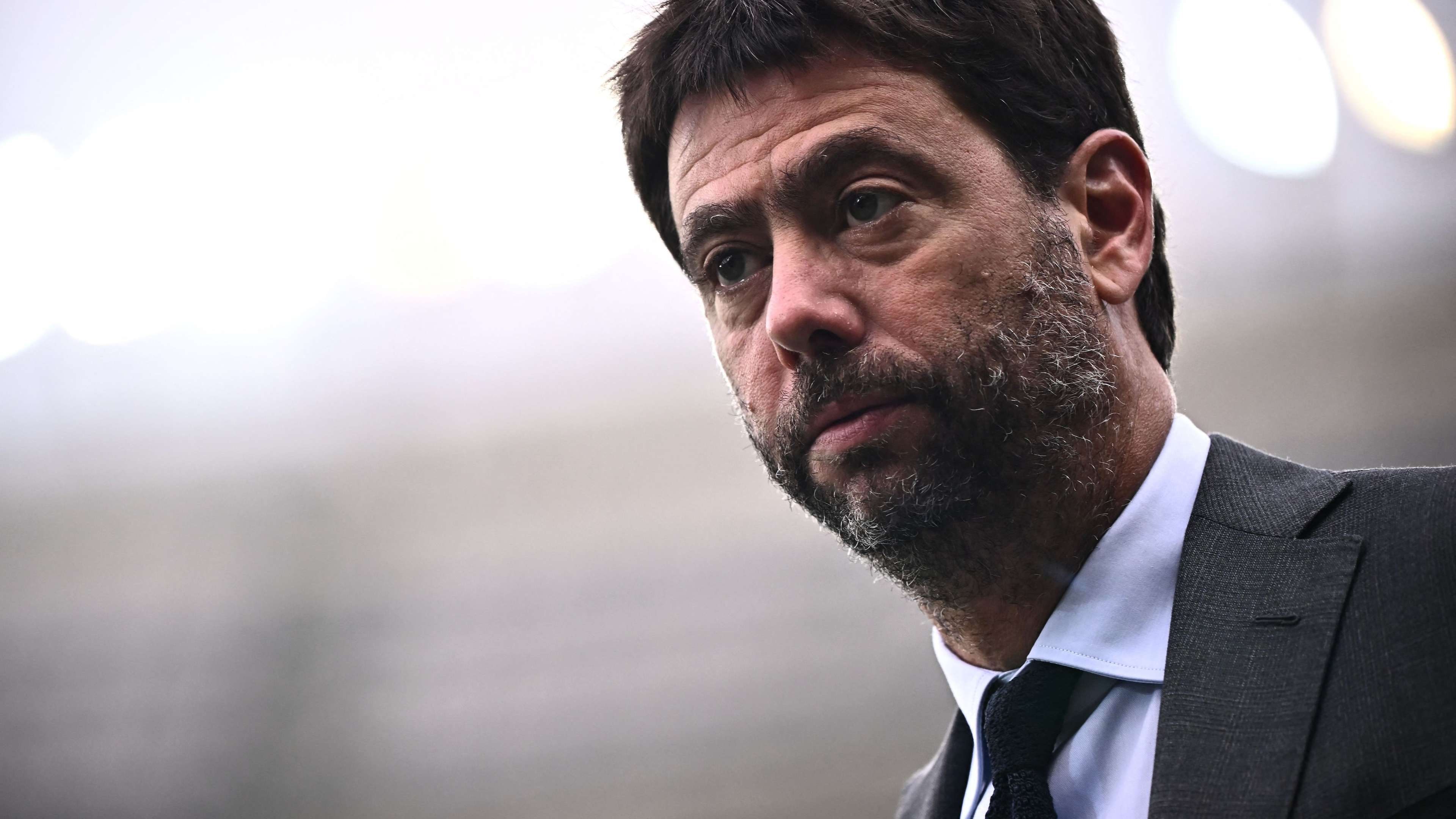
    Under Agnelli, the Bianconeri had been one of the staunchest supporters of the breakaway competition and the Italian's key role in its foundation led to him resigning as chairman of the European Club Association (ECA) and ruining his friendship with UEFA president Aleksander Ceferin.

    However, Agnelli stepped down as Juve president in November 2022 amid a number of investigations into the club's financial practices, one of which resulted in the Old Lady being excluded from UEFA competition for the 2023-24 season.

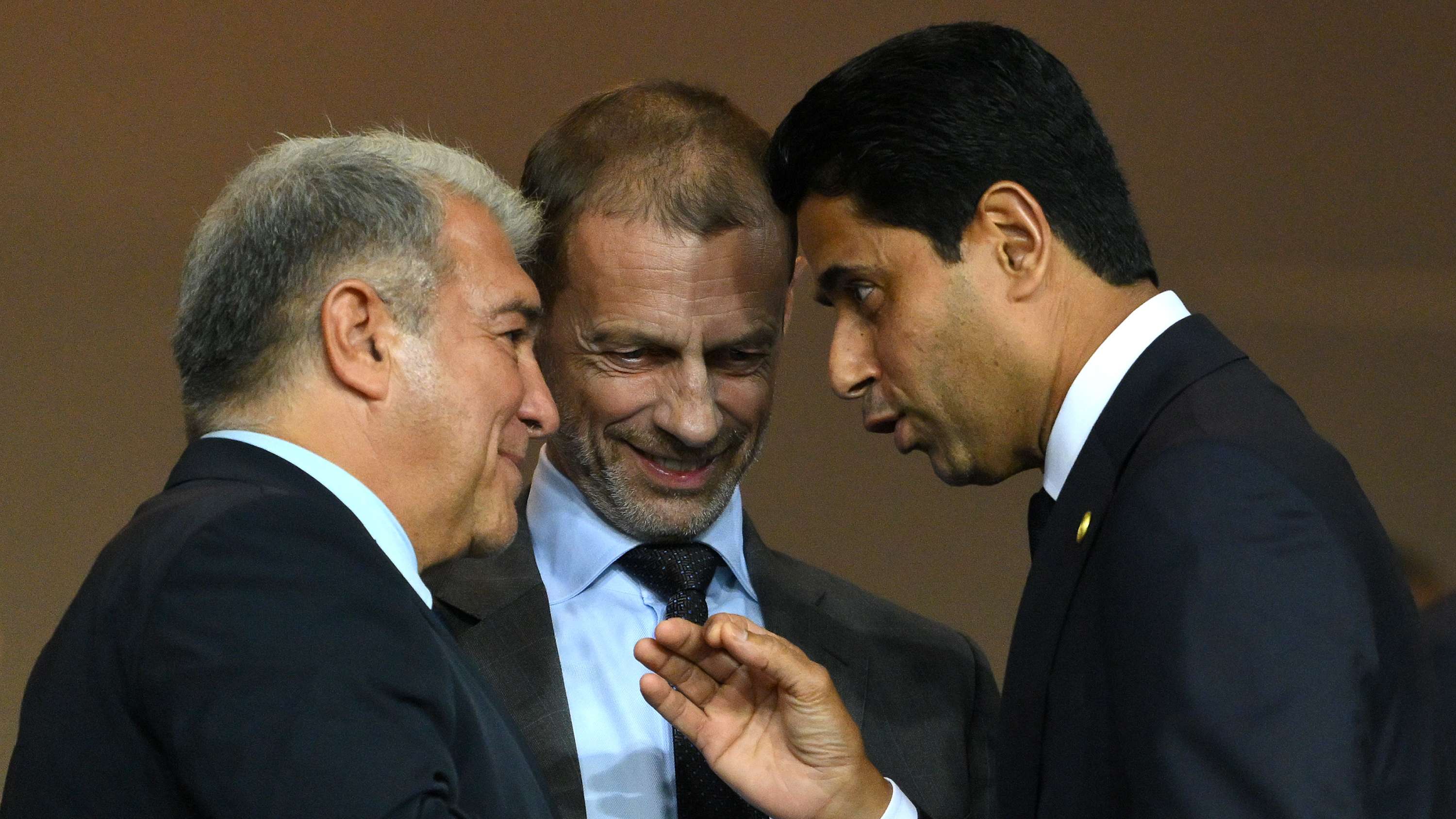
    Nasser Al-Khelaifi, the PSG president who had replaced Agnelli as ECA chairman, was, thus, only too happy to welcome Juventus back into "the European football family". "ECA's door is always open to clubs who believe in collective interests, progressive reform and working constructively with all stakeholders," the Qatari said.

    The ESL supporters remained undeterred by Juve's withdrawal, though, and, as they continued to challenge UEFA's control of European football in the courts and strike some significant blows, they announced a revised format in December of last year and a new name for the ESL: The Unify League.

    "We have listened intently to a broad group of clubs, leagues and fans and with these changes believe we have a lot of support," co-founder of A22 John Hahn said as he outlined a new plan for a four-division competition featuring 96 teams that would be available on a Netflix-style streaming service. "We are not expecting the public support of clubs at this time. Logically, that will come following the official recognition of the Unify League [by UEFA and FIFA]."

  • FC Barcelona v Paris Saint-Germain - UEFA Champions League 2025/26 League Phase MD2Getty Images Sport

    An end to the fighting?

    It now seems unlikely that the Unify League will ever get off the ground, particularly as RAC1 says that Barcelona are now happy with the financial and structural changes UEFA has made to the Champions League and no longer see the need for a rival competition. 

    Ceferin was even present at Montjuic for Barca's recent clash with Al-Khelaifi's PSG in a further sign of the improving relationship between the former warring factions. Indeed, according to Mundo Deportivo, Barca, Madrid, A22 and UEFA have been in secret talks for eight months over bringing an end to the conflict and are now very close to reaching an agreement.

    The paper claims that the ESL rebels basically have two Champions League-related demands. The first centres on the format, with Perez & Co. requesting that instead of one big league phase, the 36 participants be divided up into two groups of 18 teams from 2027 on. Crucially, Group 1 would be comprised of the top 18 clubs in the UEFA rankings and they would only play against one another, meaning more money-spinning between the continent's traditional heavyweights. The top eight finishers would then progress directly to the last 16, while the ninth to 16th-placed teams would enter a play-off round against the top eight sides from Group 2.

    UEFA is believed to be open to tweaking the format in favour of the big boys, as well as their other request for the introduction of the global streaming platform A22 wanted for the Unify League, which would mean viewers would have two options for watching games: a free version featuring geo-targeted advertising or an ad-free subscription for 'a small fee'.

    So, is the European Super League dead, then? In a certain sense, yes, because the original project is about to be completely abandoned. But that no longer feels like such a devastating loss for the ESL backers, in light of the changes UEFA has already made to the Champions League - and the changes it is now reportedly willing to make.

    Europe's elite wanted a greater share of the pie and that's exactly what they're going to get, because more and more games means more and more money. The breakaway threat has once again served its purpose, then, as it's the Champions League that's the illusion now, a Super League in everything but name.