+18 | Commercial Content | T&C's Apply | Play Responsibly | Publishing Principles
MLS is Back Bubble Oral HistoryGetty/GOAL

'Most bizarre thing in the world' - Oral history of 2020 MLS is Back Bubble: Stifling heat, pandemic protocols and unbreakable bonds that defined a surreal soccer saga

At 9:32 p.m. on March 11, 2020, the sports world stopped - first with a virus, then with a whistle. On that night it all started to shut down.

As news broke that the NBA had suspended its season after Rudy Gobert of the Utah Jazz had tested positive for COVID-19, it signaled more than a pause in basketball. Stadiums all over the world fell silent. Seasons were abandoned. The global sports machine - fueled by passion, pageantry and profit - ground to a halt. It was a time of isolation and uncertainty.

Soccer is, of course, the world’s sport, and the beautiful game wasn’t immune to the realities of a pandemic. That was until - after three months of anxiety and uncertainty - Major League Soccer hatched a plan. An improbable one, perhaps, but a plan nonetheless - and one that could bring soccer back.

“Obviously, the project here in Orlando is incredibly ambitious.”

Don Garber was putting it lightly. “Ambitious” wasn’t even the word. In the summer of 2020, amid a global pandemic, the MLS commissioner and league officials put together a project that was more than ambitious. It was unprecedented.

It began with a phone call from Orlando City CEO Alex Leitao to Faron Kelley, then-VP of ESPN's Wide World of Sports, a sprawling complex on the grounds of the Walt Disney World Resort in Florida. MLS, like the rest of the world, was on hold, but what if it didn't have to be? What if the league could find a way to play? What if soccer could come back?

"My phone rang,” Kelley recalled. “It was my friend Alex Leitao. He said, 'Hey, crazy idea. Major League Soccer is looking at creating a campus, a bubble - a single site where they can bring in the teams and do a tournament. Do you think you can do that?' No one had ever ... done a bubble. The closest thing to a bubble would be the Olympics, where you have the athletes living and playing there.

"Then, you put it on top of a virus that back in April, May we knew very little about… From the first call from MLS to the players practicing on the fields was 66 days.”

The concept stamped as, well, plausible, it prompted a text from Leitao to Gary Stevenson, president and managing director of MLS Business Ventures - and then quickly, a proposal for Garber.

“I have this crazy idea,” Leitao recalled. “ 'I spoke with the guys at Disney. They feel like there’s something we can do. What do you think?’ Half an hour later we were in a Zoom call with Commissioner Garber. I repeated the idea. He liked it. He said, ‘Let’s put together this call, let’s see.’"

The idea quickly spiraled. Over those 66 days, experts were consulted. Protocols were put in place and, ultimately, tested to the extreme. That summer, 550 MLS players descended on Orlando for the now-infamous MLS is Back Tournament. Admittedly, few knew what they were getting into or how it would impact their lives forever.

Five years later, the MLS is Back Tournament remains a seminal and surreal moment in U.S. soccer, one that left a legacy few have fully grasped. Those who lived through it are still reckoning with what that summer meant to them. For some, it was an adult summer camp, a soccer tournament held in paradise free from the chaotic realities of the outside world. For others, it was hell, weeks locked indoors for a test of mental and physical fortitude unlike anything they’ve experienced before - or since.

The tournament kicked off on July 8, 2020. There were 51 games in total, all without fans, culminating more than a month later with the Portland Timbers lifting a customized MLS is Back Cup on Aug. 11. And one thing is certain: everyone left Orlando that summer with a wildly different perspective on what soccer, and life, meant to them.

Marking the five-year anniversary of the first kick, GOAL tells the story of the MLS is Back Tournament, in the words of those who lived it.
  • Orlando City MLS Bubble 2020Imagn

    ENTERING THE BUBBLE

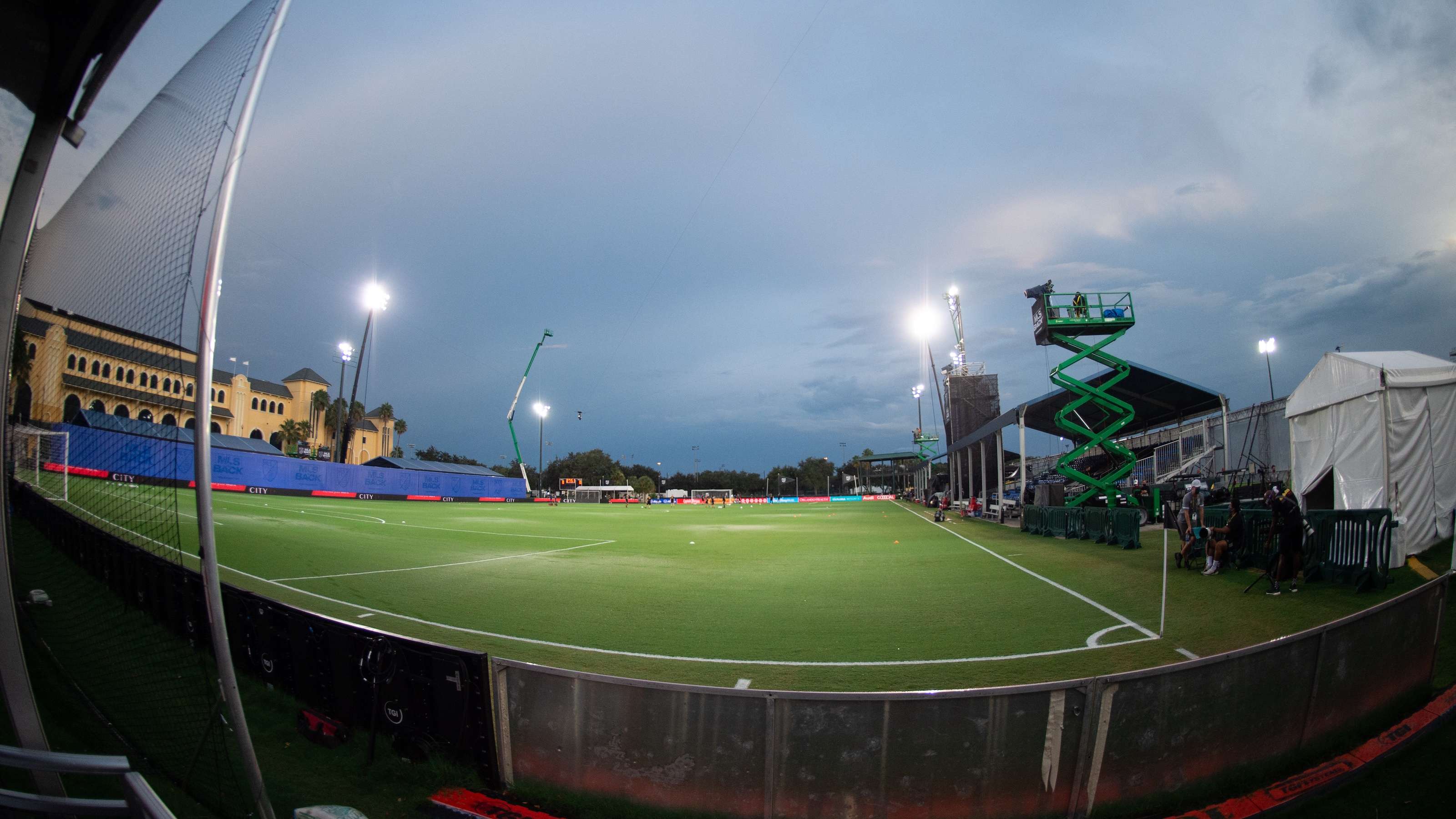
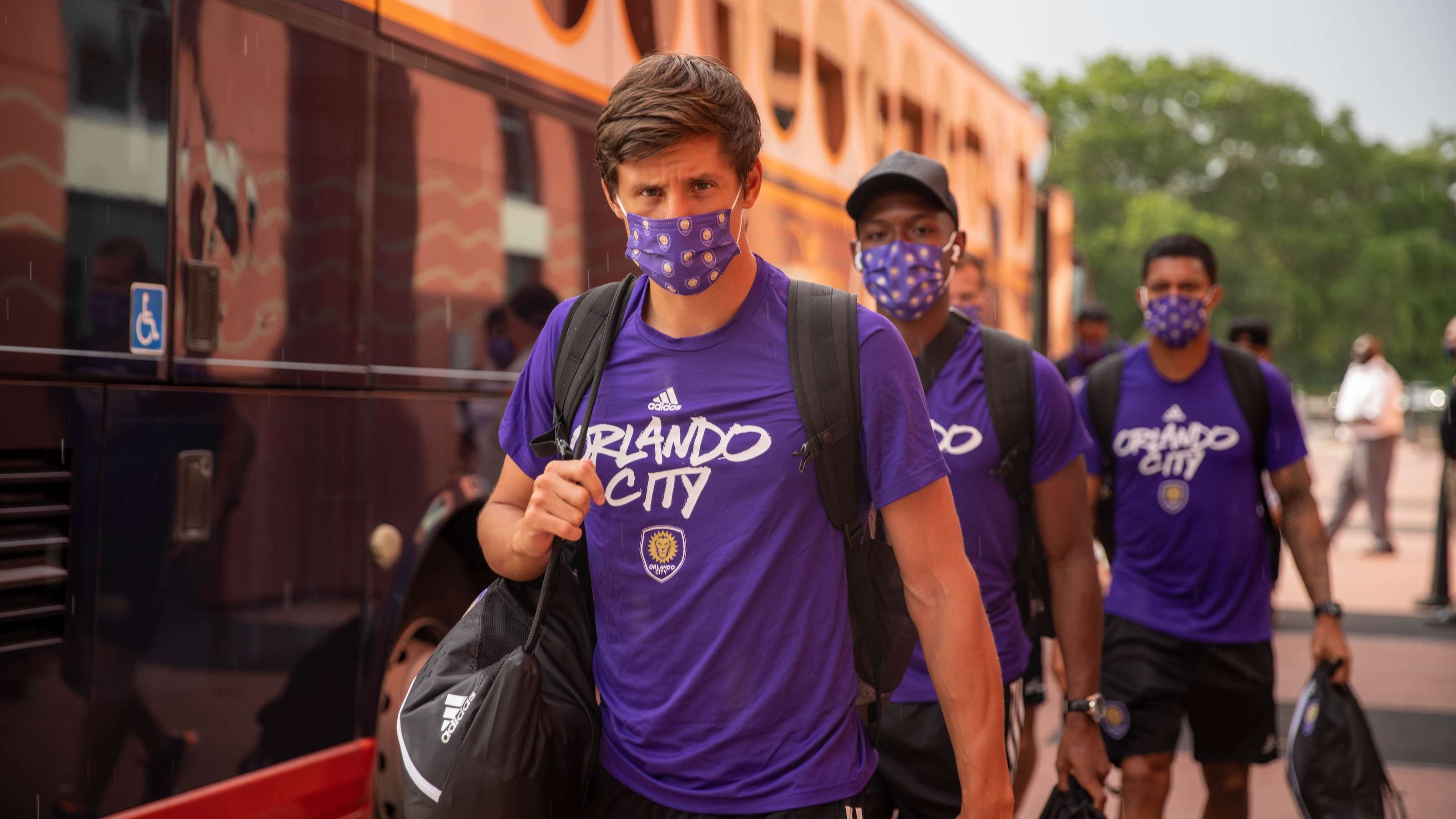
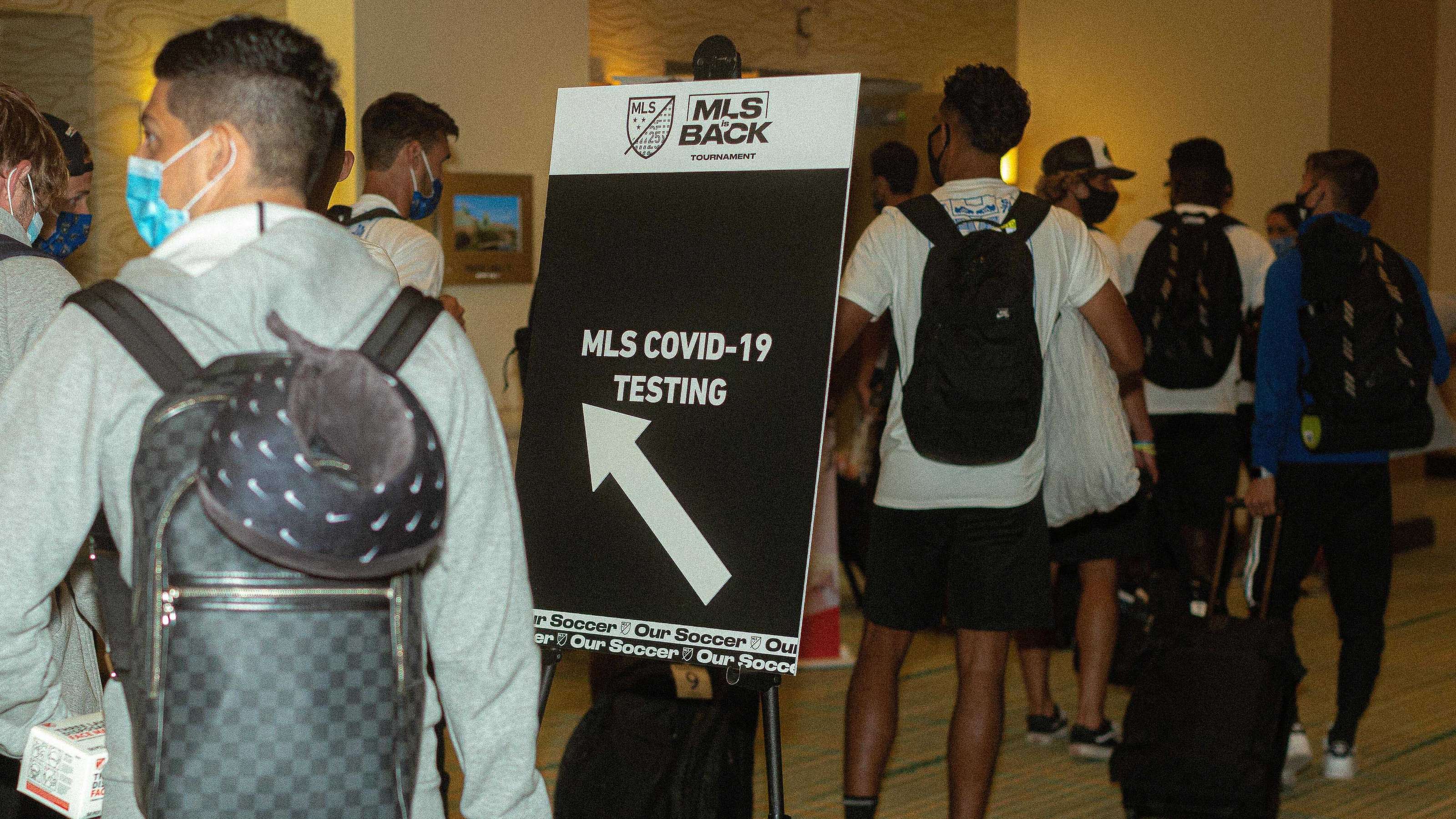
    On March 12, 2020 - one day after the NBA suspended its season - MLS also closed down. At the time of the league's decision, just two matches had been played. On April 18, it was confirmed that the season suspension would go on until June 8. Two days later, the league announced a return: the newly created MLS is Back tournament in Orlando. All teams stayed at the Disney Swan and Dolphin Resorts and played their matches at the ESPN Wide World of Sports Complex, in a closed environment. MLS created a series of safety protocols to try and avoid a COVID outbreak among the teams. Those measures include testing, social distancing and use of face masks. The “MLS Bubble” was among the first major sporting events in the U.S. to commence during the pandemic. This is that story, told by those in Orlando (identified by their affiliation at the time).

    Dax McCarty (Midfielder, Nashville SC): It was a mix of doubt and anxiety with a little bit of excitement scattered in there. In the middle of a global pandemic, being the first professional sports league to come back with a return-to-play scenario was exciting, but also nerve-wracking. There was skepticism, naturally, because it's never been done before.

    Diego Valeri (Midfielder, Portland Timbers): The days before we arrived in the bubble were a difficult time for the whole world. Families were concerned with the pandemic, and we as players understood that coming back to play meant not being able to be there with our families. There wasn't much info about what was happening at that time, right? All of our thoughts were on how to handle this situation, but we also wanted to keep going and keep playing while also knowing our families would be protected.

    Justin Morrow (Defender, Toronto FC): There was this dynamic of, "Are my teammates taking this seriously? Is my city taking this seriously?" I say that because in Toronto and Canada, we took it very seriously. We weren't able to leave the house. Then it gets to a point where you go, “Alright, I guess this is happening”.

    McCarty: You put a lot of faith in the decision-makers and a lot of trust in the doctors to tell you that everything is going to be safe. We, as players, wanted to make sure it wasn’t a lost season, but obviously there was that mixture of a little bit of anxiety, a little bit of stress and then, yes, a little bit of excitement.

    Oscar Pareja (Coach, Orlando City): We’re used to seeing so many matches on TV, and sometimes we get exhausted from there being too many games. I remember that being a time when we were begging for the game to be on somewhere. We were watching games in Russia or anywhere else. We were becoming fans of teams or players that we can't even name anymore. It was a wake-up call for everyone.

    Valeri: The soccer part was difficult. I remember we started training isolated, four players on a field at the same time. Even so, I wanted to come back and compete.

    One by one, teams arrived in the bubble, and were met with every safety precaution imaginable. The league consulted with experts to ensure that guidelines were developed, followed and enforced, relying on frequent tests, masks and social distancing to prevent an outbreak from occurring in Orlando.

    Tesho Akindele (Forward, Orlando City): Everyone was scared that they were sick or that they were going to get sick. Even the first thing, when you walk into the hotel - I don't think we even put our bags down - but we go to a conference room, and they have a sea of 60 testing stations. It was crazy. It's easy to look back and be like "Oh, that wasn't that big a deal," but, at that time, it was. Everything felt scary. I felt scared to touch the railing on the stairs because other teams might have used it.

    John Tolkin (Defender, New York Red Bulls): I remember I had a false positive, actually, a few days after I got there. I was like, 'Man, now I have to sit for like 10 days because of this sh*t.” But luckily it was a false positive. Even so, it was just a lot of uncertainty. Nobody really knew what was going on. There were so many protocols, so many swabs going up your nose every day.

  • Advertisement
  • MLS Bubble 2020Imagn

    EARLY SCARES, POSITIVE TESTS

    Ahead of the tournament, the league divided the 26 teams into six groups, based on conference. However, before the tournament even kicked off, those 26 teams dwindled to 24. On July 6, FC Dallas withdrew from the tournament after 10 players and one staff member tested positive for COVID-19. Three days later, Nashville SC also pulled out after nine players yielded positive tests. The protocols within the bubble were seemingly effective thereafter - from July 16 on, the MLS did not record a single positive test of COVID within the delegation staying at the complex.

    McCarty: My first thought was that I hope everyone on my team is safe, because there were still so many unanswered questions about COVID and about what it meant. I think there was enough data at that point to realize that healthy professional athletes should be OK, but we had it running through our team, with guys testing positive day after day. It was almost like there was an impending dread - “Am I going to be the next positive?” It felt like it was just a matter of time.

    Taylor Twellman (Analyst, ESPN): I remember doing Zooms and conversations with players and coaches down there - and then all of a sudden finding out four, five, six players tested positive.

    Akindele: We saw what happened to Dallas and Nashville and it sucked for them - they were the ones that took the big hit. So, for us already in there, it was like "They did it. At least it wasn't us!" It took a lot of weight off our shoulders because we knew we weren't the first to f*ck it up. If this all got messed up, at least we weren't the ones who messed it up!

    Morrow: Nashville and Dallas, we saw that and we saw guys posting images in the bubble - and we hadn't even left Toronto yet. We were seeing it all and going into a lot of uncertainty. We were like, "Are we going to get onto this plane or not?" Our team then had a false positive in the first 24 hours we were down there, too. There was so much uncertainty.

    McCarty: Our thought was, if we can field a team, we should play. We're already down there. We're basically fit and want to compete. Whoever's fit and ready to go, if we take a vote, we want to do this. I think we had like 12 or 13 field players who had passed through protocols after a couple of days. We had maybe two goalkeepers as well. It was bare bones, but we wanted to play. MLS made the decision that, for the safety of our team and the league, they wouldn't let us go through with it.

  • ESPN Wide World of Sports MLS Bubble 2020Getty Images

    THE SUDDEN REALITIES OF THE BUBBLE

    For those who did get to play, expectations about everything in the bubble quickly evaporated - reality set in as players suddenly realized just what they had signed up for.

    Brenden Aaronson (Midfielder, Philadelphia Union): I remember we were all joking about all the things we would do at the hotel. 'Oh, we're going to go fishing or golfing or do all of this.’ We ended up having one golf day. We had a gaming room, too. But really, it was just you in your room. You couldn't do much. You could walk around a bit, but you couldn't go out of the property. We had the Swan Hotel to walk around, but that's it.

    Tolkin: We stayed in those Swan hotels, and you could walk to Epcot from our hotel. I love Disney, so I've been back like three times in the years since, and I see those damn hotels that we stayed in for the bubble, and it gives me nightmares, man. No good memories in those hotels. OK, maybe some little ones, but not many.

    Valeri: The first week, we're training and it's OK, and we can play. Then, the second week, it felt totally different. The whole team was isolated on one of the floors in the hotel. You're alone in your room, no contact with any other team. Games are at night and training is at night because of the weather, too. All of the contact with your people, your family, is through video calls.

    Sebastian Berhalter (Midfielder, Columbus Crew): I was a kid, so I just wanted to play. I was like, “Why wouldn't people want to be here?” I didn't get it. Obviously, other people had families at home, but I didn't, so I just wanted to play.

    Twellman: Even [fellow broadcaster] John Champion and myself, we were stationed in Connecticut in quarantine, staying in our own hotel. We each had our own floor because no one else was in the hotel in West Hartford.

    Eryk Williamson (Midfielder, Portland Timbers): I'm young enough to have memories of the Disney Channel - it was like a “Suite Life of Zack and Cody” episode in there. We were just living in a hotel. Our lives revolved around this hotel.

    Matt Freese (Goalkeeper, Philadelphia Union): I wouldn't say it was an enjoyable experience, to be honest with you. Living in a hotel with zero access to the outside world for weeks? I don't think anyone would say otherwise.

    Valeri: It felt claustrophobic being there. It was just you in a room alone with a window.

  • ENJOYED THIS STORY?

    Add GOAL.com as a preferred source on Google to see more of our reporting

  • Zusi & Besler MLS BubbleMLS

    ENTERTAINMENT, ANYWAY, ANYHOW

    Ultimately, soccer could only take up so much of the day. Outside of training and games, players were largely confined to their rooms and designated team areas. For the first few days, for some, the vibe was almost that of a Florida vacation. As the days and weeks wore on, however, the search for entertainment became an all-encompassing quest.

    McCarty: I was wearing my robe. That was my thing. I put my hotel robe on and wore it for like a week straight. I felt like a mixture of the Dude from “The Big Lebowski” and “Ace Ventura: Pet Detective.” I was in my robe just recording myself doing all kinds of stuff. Jumping from bed to bed, throwing a football. Honestly, I was going a bit crazy. I remember guys from across the hotel sending sign language signals to each other. Anything to pass the time.

    Williamson: I got into tanning somehow. There was the whole pool situation, so you could get away for a little bit. I'd just go outside and read and tan. I didn't realize the UV was at like 10 or 11, so, looking back, it was pretty dangerous.

    Freese: I picked up the guitar right before that tournament. I brought my guitar and just taught myself a bunch of songs. Some Zach Bryan. I was taking classes to finish my degree, too, and I think I knocked out like three classes in that month and a half. It made it easier to work or study every day. My thought during that was either, “You can win COVID or lose COVID.” You can either succeed during this time and make the most of it, or you can just sit there and do nothing with it.

    Pareja: I remember having to make what felt like thousands of videos for the players. Players were knocking on my door all day, asking for guidance or to go through video or to talk about the game. I'd never seen that before. It was the effect of us being in that condensed area and not allowed to do much. But it also felt sincere. Everyone just wanted to talk about the games. It was a time when people were suffering. People's families were in that external world, dealing with things we didn't want or expect. The competition, the training, the chatting in the hotel - those were our ways of letting things go a little bit.

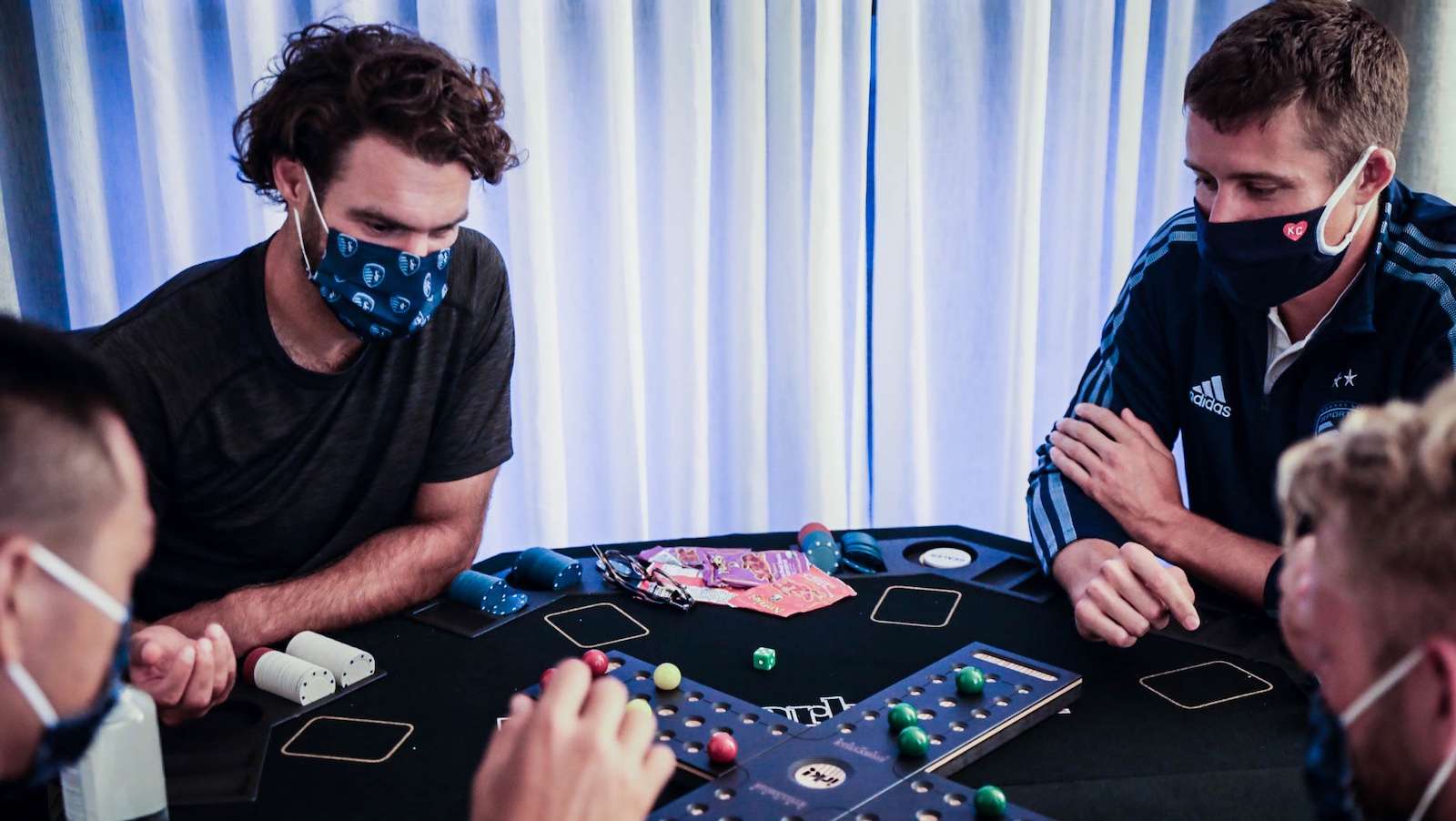
    Akindele: Everyone was just playing video games. We had a game called Parchisi that we used to play on the iPad. We would play that a lot, put a little bit of money on it, so that was fun. For me, I also got big into online chess and studying chess - and that's also when I started to get really into real estate investing. I learned a lot.

    Tolkin: We would go to the beach volleyball court like every day. It was one of the few things you could do. I was p*ssed off the whole time, mostly because I didn't play a minute [in MLS matches]. I was training really well, but I wasn't playing and was stuck in this bubble down in Florida.

    Freese: It was a difficult time. I was living in a bubble for weeks and I wasn't even playing. I wasn’t even on the bench for games. You weren't training much, either. So I'd spend four hours a day in the gym. I probably put on 10 pounds of straight muscle. It was clear I had to do something during that time. I couldn't get better on the field, so I might as well spend all day in the gym.

    Williamson: I had my PlayStation with me. I had two beds, so I'd sleep in one bed for a few days and then the other for a few, just to change things up.

    Aaronson: I played a lot of Fortnite and FIFA.

    Williamson: There were days of ping pong, days of hoping the Wi-Fi connects well enough to play Call of Duty.

    Aaronson: We played darts a lot there, too. It was a lot of messing around, particularly for us homegrowns, so it was good for us to grow together in that sense. Of course, it gets to the point in the tournament where you're still messing around with the boys and it's still fun, and then you're getting towards the end and it's starting to die out a little bit. You do get a little tired.

    Akindele: One of my teammates, Benji Michel, he would always leave his door propped open. One day, we just scared the sh*t out of him. We hid in his room and just scared him. He walked in. I was hiding in his closet, one guy was behind his bed. He scared him, then Benji turned around and I scared him. At that point, all you can do is goof around with your boys. It had been like 40 days, so what else is there to do?

    As the limited entertainment grew tiresome, so too did the food. This was not four-star restaurant fare. But then again, the pandemic wasn't just impacting the teams and players - it was affecting everyone, everywhere, including those preparing food for the hotels. Options were limited.

    McCarty: It was a lot of boxed lunches, that’s for sure. They definitely weren't my favorite meals I've had in my life, I'll tell you that much. It got old really quickly, but it was edible.

    Tolkin: I wouldn't feed that food to anyone, looking back at it. It was just boxed lunches every day. Eating that, especially knowing that we as athletes need to eat to perform and get energy? Man, especially in that heat, too? The food was just awful, so that was rough.

    Williamson: We were on a Pacific [time zone] schedule, so we'd eat breakfast at noon. Just eggs and potatoes for a while, so it feels like you're a kid eating the same thing every day. I started just eating Fruit Loops and apple juice every day because, why not?

    Akindele: I think guys were a little bit dramatic sometimes. It definitely wasn't amazing, but it was the same as the hotels we would go to all over the place. When you have to eat it seven weeks straight, yeah, it gets tiring. But it's no worse than most hotel meals we get. I think some guys went into it just wanting to hate the experience. It seemed like some people wanted it to go badly. They wanted everything to suck. Nobody got food poisoning or anything. Was it good? No, but it was fine.

    Williamson: We started to order food and it was funny because you could tell that our team was one of the teams that was training late and needing a meal. We'd order food [from outside of the Disney campus]. Guys were getting sushi. I got hibachi a few times. If we didn't have a game, I'd get like Five Guys or something. Guys would go down for food and find a big, greasy Five Guys bag with "Eryk W." on it. That was me! A group of us would get together and get milkshakes from Five Guys, too.

  • Tesho Akindele MLS Bubble 2020Getty Images

    MORE THAN SOCCER

    As anticipation built for the first games, it became apparent that this tournament would be about more than just soccer. George Floyd had been killed by police in Minneapolis in May, sending shockwaves through America - including in the bubble in Orlando. Pandemic or not, many players and teams felt the need to act, however possible. Justin Morrow helped galvanize the players’ response.

    Akindele: After George Floyd, we all started texting each other because it felt tense. Guys were like, "But what can we do about this?" At first, it was guys texting each other, then a bigger group chat, then a Zoom call - and then it kept growing. It bubbled up in the same way it bubbled up across the rest of the country.

    Morrow: All the Black players in the league had this unspoken bond before. We'd say hi to each other as opponents. Before COVID, you'd spend a weekend in the city you'd travel to and you'd get dinner. That happened a lot, but this was a moment where all of us were together in one place. And given what was going on, we had to take advantage of the moment.

    Akindele: I think Justin was the most - I'll say - somewhat aggressive in his stance. But also the most rational. Other people, like myself, just weren't really trying to organize as much as Justin was. Some people were more extreme in what they wanted to do, some wanted to do less. Some didn't want to play. Justin was just the right leader at the right moment because he captured the consensus of the group. He just emerged as the natural leader we needed.

    Morrow: Other guys don't give themselves enough credit for how much they helped. I did a lot to pull everything together, yes, and there was no moment during the day when I wasn't working on this. But I couldn't have done it without the individual leaders on each team. They had to organize, get messages across and be honest speaking on topics they weren't used to. Every Black person became a spokesperson for Black people in that moment, even if they didn't live their lives that way. A lot of guys didn't have that experience and, all of a sudden, they had to do it.

    Williamson: I learned a lot of things about myself through that, things I was scared to think about. I was one who was scared to have conversations with certain people about those topics. But we had guys that led the conversation and made it possible to have those deep conversations with not just friends or family, but individuals in Portland, specifically.

    Morrow: We were a mile away from the NBA players in their bubble and we were working on some kind of collaboration but, because of protocols, we couldn't get it done. I was on calls with the NBPA board, so I was talking to Andre Iguodola and Michelle Roberts, their director at the time, and was telling them our deal with soccer. They were all ears. Chris Paul was on, too. I just remember being so juiced after I got off that call because it felt like it was just all of us athletes together working towards racial justice. I remember a video that the league helped us produce and Chris Paul posted it to his Instagram. I hit the Black Players for Change group chat like, "Who can talk right now?" We just had this moment of exuberance because things were moving.

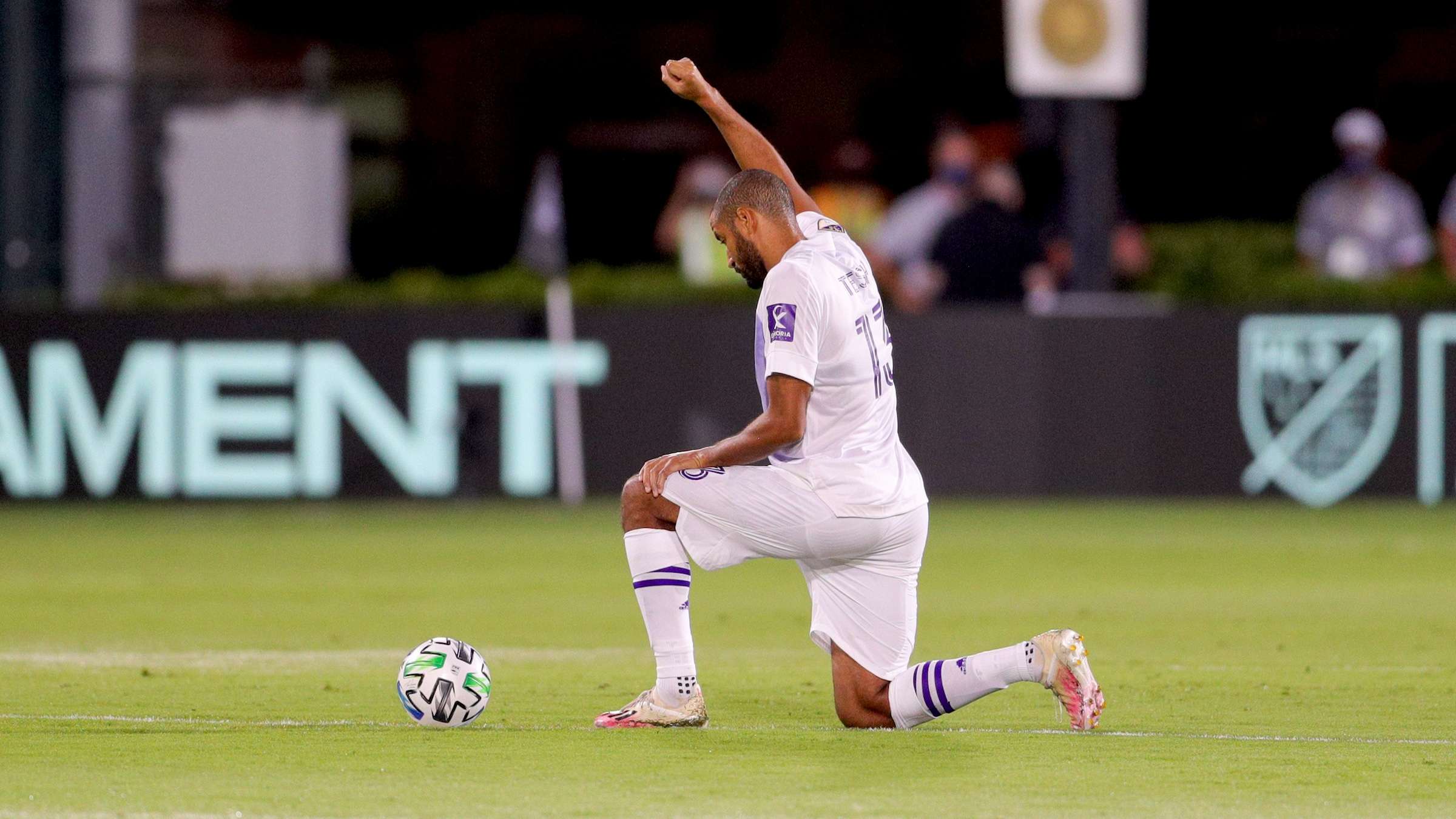
    Ultimately, with Morrow in the center of the efforts, Black Players for Change conceived a plan. On the night of the tournament's opening game between Orlando City and Inter Miami, more than 100 of the league's Black players united for a moment of silence that lasted eight minutes, 46 seconds, the same amount of time that Minneapolis police officer Derek Chauvin held his knee on Floyd's neck. Donning matching shirts and facemasks, the league's Black players raised their right fists and took a knee, united in one of the most transcendent moments in MLS history. The starters for both teams, as well as referees, also took a knee before kickoff.

    Akindele: We have to give the league credit for giving us the leeway to express ourselves. They had photoshoots for us. They got all of the Black players together and they let us do the demonstration before the game. To the league's credit, we were young guys trying to figure out what our role was here. The league didn't know the answer to that either, but they gave us the freedom and worked with us and were willing to listen.

    Morrow: They helped us get set up on social media, get everything verified. They helped us coordinate our communications strategy. They helped us talk to broadcasters. They helped us get players to and from places. These are things that would have been so difficult for us to do. The league's participation was so crucial for us.

    Akindele: In the bubble, all the teams were separated, but for this, all of the Black guys came together. Everyone got taken out of the hotel to go to the game. We warmed up and I just saw a bus load of guys coming in, hundreds of guys. It felt powerful. It felt crazy and powerful. At most games, during a moment of silence, there's like a person or two screaming somewhere. That night, no one said a thing. It was so quiet. Nobody coughed, nobody whispered, nothing.

    Morrow: The thoughts going through my head were of the leaders that came before me, both known and unknown, that put more on the line than we did because they had to. I was thinking about history, Tommie Smith and John Carlos down in Mexico City. People before us didn't know what their lives would be like after. They didn't know if they'd be able to make money ever again. And there we were and, even years later, we're being celebrated for it. I was thinking about that.

    Williamson: To this day, I still have the shirt framed, the one I wore that night. It was our big moment and I think we executed it perfectly.

    Morrow: Afterwards - we weren't supposed to be - but we were dapping each other up after with big smiles. It felt like we accomplished something. When you're around that many brothers in soccer, over 100 of us, that never happens in soccer. It felt good for us to accomplish that and there was the joy of knowing we had been part of a special moment.

  • Justin Morrrow MLS is Back Bubble 2020Getty Images

    THE STATE OF PLAY

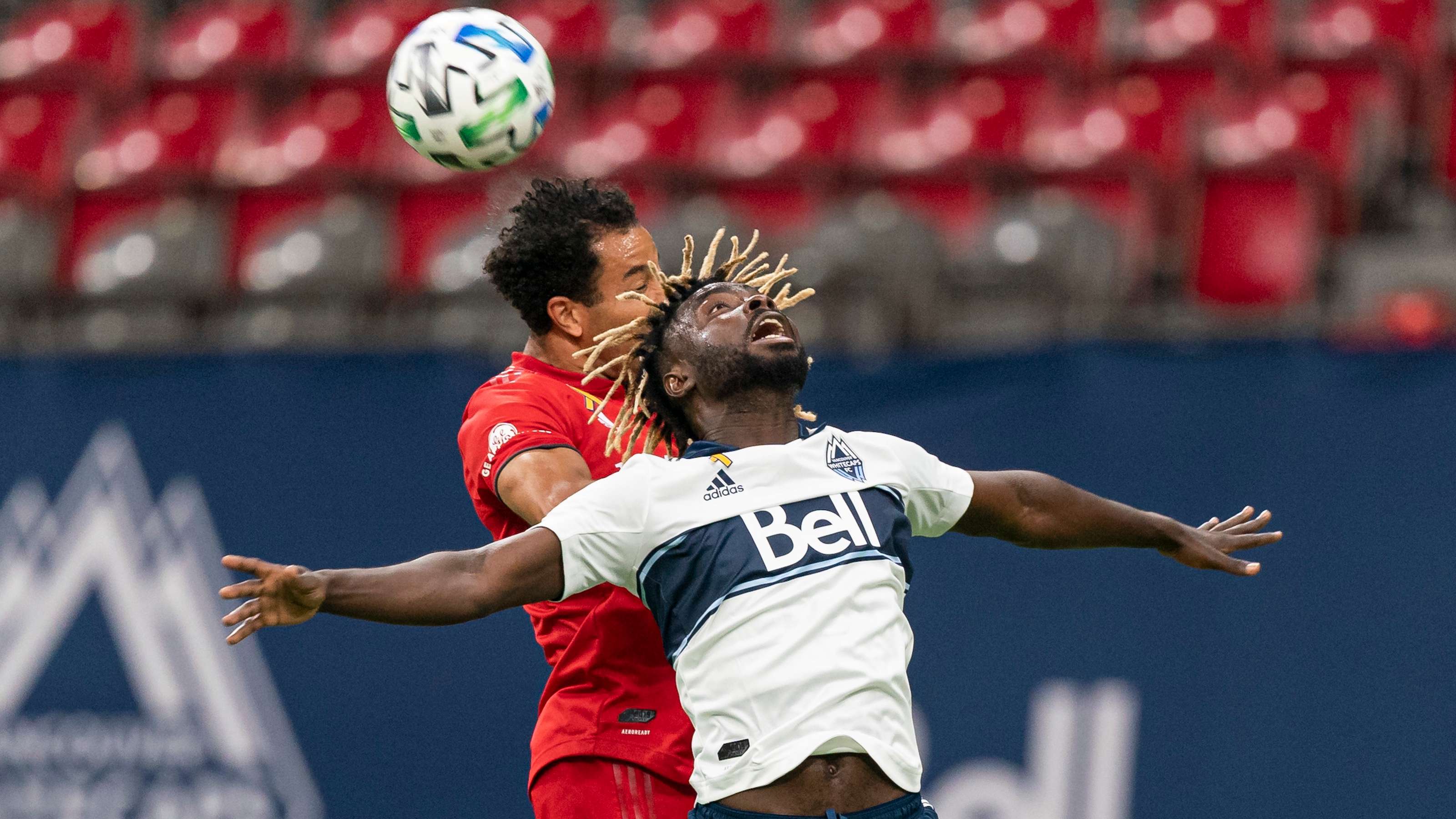
    Once the games got going, it became clear that this was not MLS business as usual. Players were, generally, not fit after months locked inside like the rest of the world. The limited number of training sessions prior to the tournament didn’t help. And then there was the oppressive Florida heat and humidity, which drained players - particularly those unlucky enough to draw early kickoffs.

    Aaronson: We played our first game against NYCFC at noon and no one could move. It was so hot. It was one of those games where nothing happened because we couldn't play. After that, we played the night games - and the night games were really good.

    Akindele: We had that first game in the bubble. You're hyped, it's at night, it's not too hot because of that. If you look at Orlando's schedule, all of our games were the late games, so we'd watch the morning games and go, "Thank god we're not doing that!"

    Williamson: One of the early games was D.C. vs Toronto. I turned it on and it just looked miserable. I'd turn on ESPN and it would just be brutal. I wouldn't wish that on my enemies, let alone my friends. They have to wake up, start the games early and play through the hottest times of the day? Have fun.

    Valeri: The first games, it wasn't the same rhythm or the same intensity. We played two games to start that season and this was different, but when the ball rolls out with 22 people on the field, there's competition. Even if it's not as intense, even if we're not 100 percent, even if the conditions aren't easy with the weather, it felt competitive.

    Morrow: We played our first game at 9 in the morning. It was so hot. Half of our starters subbed out. The quality was not great. We'd get together at night to watch the late games and those had a lot of high scores. I think that's indicative of the quality.

    Twellman: The most difficult part was knowing that the world had been flipped upside down and you were trying to make the best of the situation - even though it makes you miss the real thing more. It made you miss the stadiums and the fans. The empty stadiums? All of that? It made you realize how much you wanted things to go back.

    While virtually everyone struggled with the complexities of the tournament, there was an unintended consequence - it suddenly turned into a proving ground for young players. After making a name for himself in 2019, Aaronson was named to the tournament’s Best XI at the end of it all. Of the 11 players so honored, five were under the age of 23.

    Aaronson: I'm grateful for it. It changed my career, for sure. The level we played at, the way we were the only league on TV at that time, I knew there were a lot of outside eyes watching me, a lot of teams. For me, that was really cool. I was put on a different platform that I had never been on before. I knew everyone was watching and, for me, that was cool.

    Williamson: It felt like this was my time to play. It felt like a youth tournament again, where you just have to forget about the last performance because there's another one coming. That helped me as a young player.

    Berhalter: I felt super fortunate that there was even something going on, and I was even more fortunate to have the chance to make my debut in some of the slowest MLS games of all time. Maybe it wasn't the worst thing for an 18 or 19-year-old kid to step into. It gave me confidence that let me think, “OK, maybe I can play at this level.”

    Williamson: It was a breakout time for me and I think it changed the conversation about my career. I would never take the bubble for granted because it helped me grow my career.

    The corrosive combination of weather, isolation, anxiety and boredom adversely affected some players and, ultimately, some teams. In many ways, it evolved into a tournament of attrition and - from an on-the-pitch perspective - culminated with one question: Who wanted it more?

    Valeri: We kept winning and winning and staying longer and longer and, at the same time, I wanted to be with my family, right?

    Tolkin: Our team got eliminated in the group stage, and I don't want to say we didn't care, but let's just say we were OK with going home.

    Akindele: Some teams actively wanted to go home, for sure. Some teams did not care at all. They seemed happy that they lost and got out. You could see it in the results. Some teams came out, played two games at like 9 am and were like, "No thanks, get me home as fast as possible". I'd say maybe half of the teams actually wanted to be there once it got going. For us, though, we said it was a chance to win something no one else will ever win. Just five or six games, too. That felt like a pretty good opportunity to try.

  • Portland Timbers MLS Bubble 2020Getty Images

    FINALLY THE END - AND A CUP - IN SIGHT

    After more than a month of games, the final came down to a matchup between Orlando City and the Portland Timbers. At that point, Orlando had been in the bubble for nearly 50 days, the Timbers more than a month.

    Akindele: We beat LAFC in PKs in the quarterfinals. And you go back to the locker room, which is a trailer, and everyone is going nuts. It felt like we were on top of the world. We're all big guys, and this trailer is six-feet tall. We're banging on the roof, throwing water all over the walls. It felt like we were going to bust the whole thing down. The momentum was building. Oscar has kept that momentum all the way to this day.

    Pareja: Soccer-wise, it was a great opportunity to confine people, change routines and to grow together in a very desperate and chaotic moment. I thought it was a great scenario for us to change our culture, and we took advantage of every single moment we had together.

    Williamson: Towards the end, being one of the last teams there, you'd wake up the next morning and it would be a little emptier. There were fewer people, so it felt like we could have all of the snacks we wanted because they were still being refilled. Those little things felt like they were worth celebrating, too.

    Valeri: The final looked like a final. On the field, it felt like a final, even if it was in an empty stadium with no fans. Orlando really wanted to win. Obviously, supporters change games with the emotions when they're there, but all of the players on Portland and Orlando, we wanted to win. And by the time we got to that final, we already had rhythm because we played so many games before those.

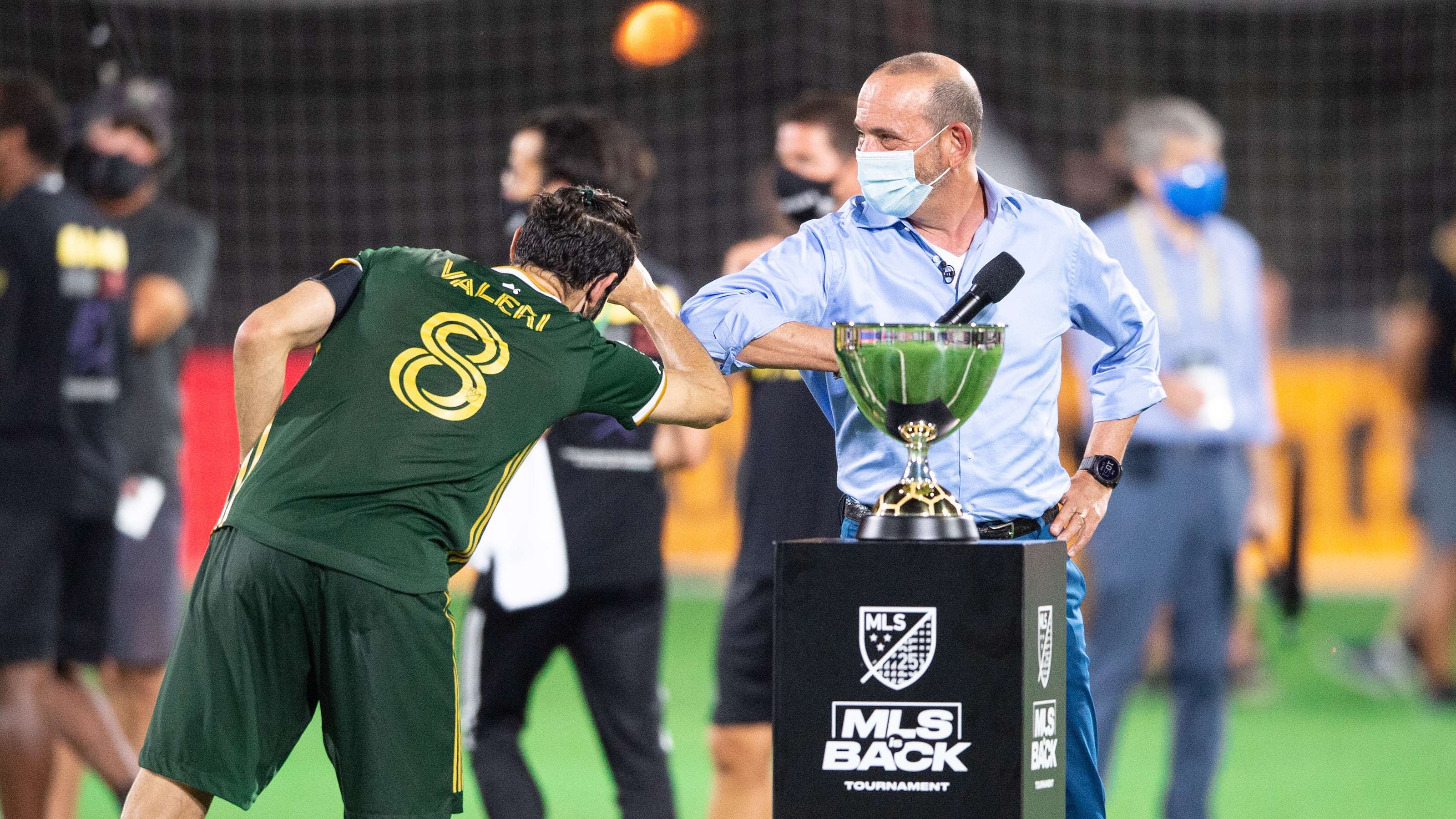
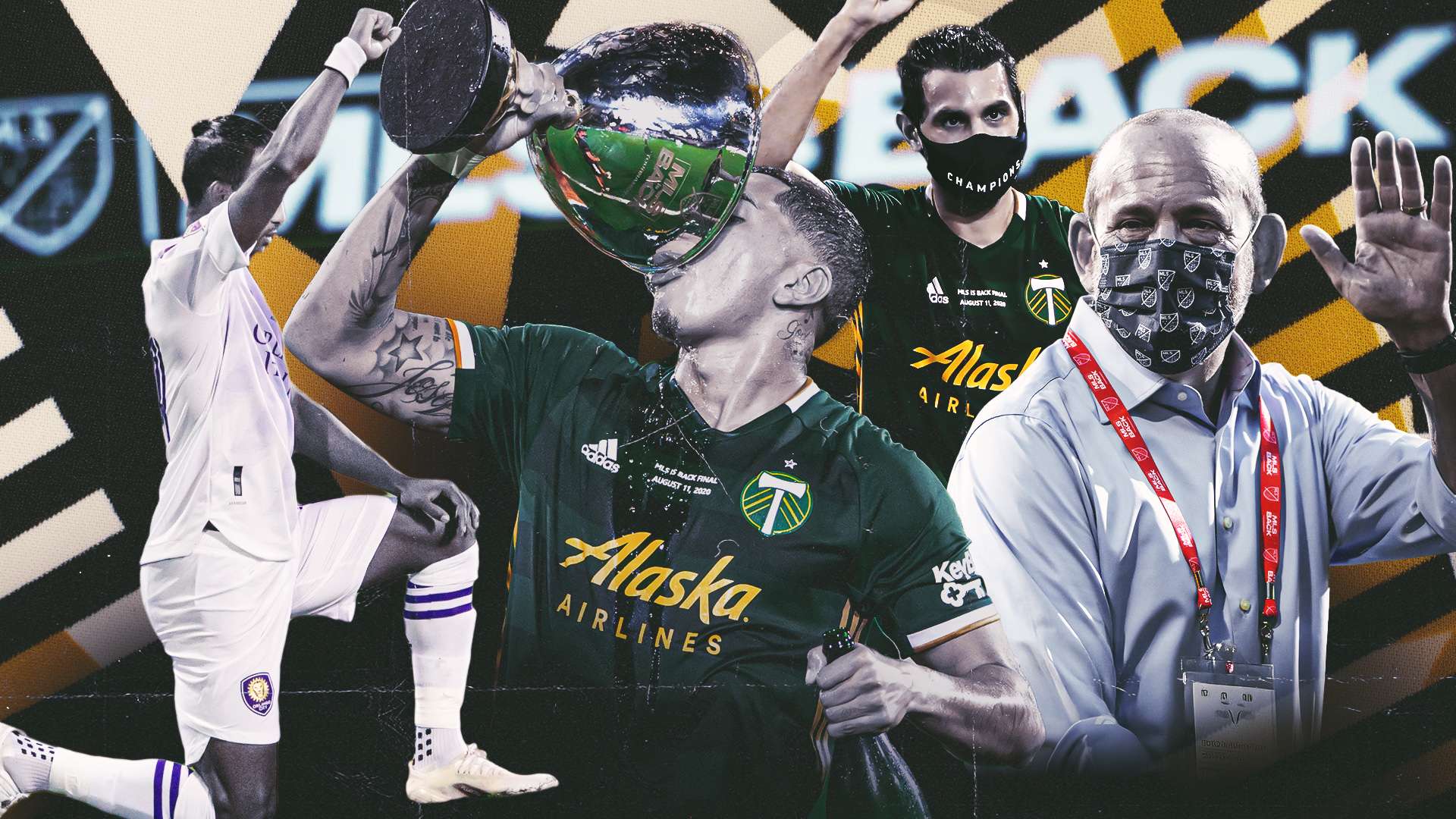
    Valeri, Williamson and the Timbers, ultimately, lifted the trophy - and in some cases, guzzled champagne out of it - after defeating Orlando City, 2-1 in the finale. Portland’s Sebastian Blanco was named player of the tournament, with LAFC’s Diego Rossi winning the Golden Boot and Philadelphia’s Andre Blake taking the Golden Glove. In total, there were 146 goals scored in the bubble. Following the tournament, MLS regular season resumed with a revised schedule, which concluded with the playoffs and MLS Cup 2020.

    Williamson: We get to the trailer and everyone wants to take pictures. We were pouring everything we could to drink out of the trophy, which, looking back, was not a good idea. We go back to the hotel and, since there's no one there, we have the whole pool, the whole pool bar, everything left in it, to ourselves. I think at one point the referees came down and were on the other side in a cabana because they had nothing else to do either - and they were having their little celebration for their success as well. We had guys jumping in the pool with the trophy, using it as a helmet, everything.

    Valeri: At the moment, we didn't really know how to value the trophy we got. I think, now, it's a trophy you have to really appreciate because of all of the things you had to go through to get it.

    Williamson: We knew that night was our proper celebration, because we wouldn't really get to have one after flying home the next day. We were greeted by family and friends, but we couldn't really celebrate with all of them. The flight felt like our victory parade. We were going across the country with this trophy, feeling like we actually won.

  • Don Garber MLS Bubble 2020Getty Images

    FIVE YEARS LATER: WHAT IT ALL MEANS

    For the players and coaches who lived it, the bubble seems like a lifetime ago. It was a time, a place, a situation without precedent. There were countless negatives, to be sure. But incontrovertibly, those moments, days, weeks changed lives forever.

    McCarty: I view it as almost a necessary evil that came from the unpredictable things that happen in the world. It showed that our future really isn't in our own hands. We've got to drop everything we're doing, pack up and do things that impact our family's lives.

    Twellman: It's going to be a story I tell my grandkids about just because of how crazy it was. In a very small way, it was refreshing we were doing something, even though it was in a very different way. We were doing something we normally do, which is watching soccer and commenting on it for entertainment. I think it will be studied in college for years. I think it will be looked at for the positives, the negatives, the whole thing. It was the most bizarre thing in the world.

    Williamson: Looking back, 10 years from now even, I'm going to be telling people about these things. At times, yes, you wondered if you could go home now. But then you'd step out to train at 9 p.m. and you're in Disney. You realize, at the end of the day, you're just playing soccer and you feel like a kid again.

    Tolkin: It was so chaotic, but it was a cool experience looking back on it. It's one of those things that you know you're never going to do again. I can say I was there to play in peak COVID in a bubble. How many other people can say that?

    Pareja: It was an experience that we don't want to remember, but also there were many things that happened that made us aware of what we had. When I think about my experiences that summer, they're not bitter; they're good. I do remember that experience as one that helped with my togetherness with my players, so that made me grow a lot. It's a good time for us to think about the times when we weren't aware of how blessed we were before and how blessed we are now. The more I think about it, the more I think about how those were some good times. It allowed us to grow in different areas of our lives.

    Valeri: Obviously, soccer is not important when you think about these kinds of things. It reminded us that soccer is not more important than life. But even knowing that, soccer is a big part of what makes our lives special.

    Akindele: Man, what Diego said is crazy! I wish I thought of that one myself! It captures it in an amazing way.

    McCarty: You don't know exactly how much you're going to miss something until it's gone, until someone or something takes that away from you for a long time. You realize how much dedication and commitment you put into that one thing every day. When you don't have that anymore, there's that identity crisis. Having it taken for a bit, then realizing just how much we'd be willing to do to get back to some form of normalcy, that was a unique experience.

    Akindele: Every day, you're focused on soccer and, boom, overnight, it's taken away. It reminded us of how important soccer is to us, but also the ability to spend time with the people that soccer gives us. In sports, it's easy to feel like a mercenary, sure, but you're also part of a team. These guys are your best friends, and they might get traded tomorrow. And this made us all value everyone that we were in there with. You don't take those moments or those relationships for granted anymore because they got taken away from us. Were we ever going to get back to normal? It's easy to feel like it was, and that this is your soccer career or your journey. But that summer was a shared journey that we all experienced together.