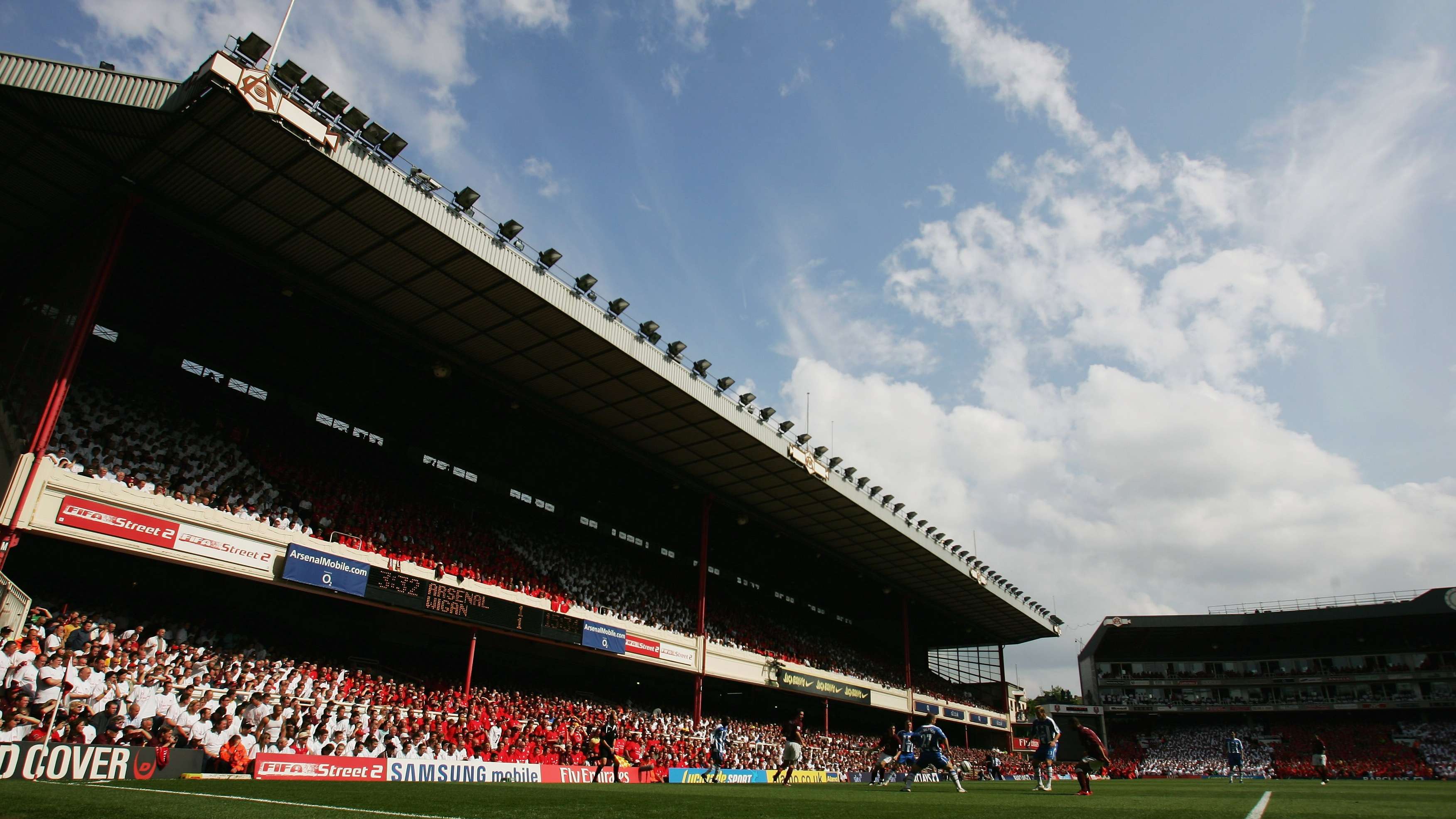
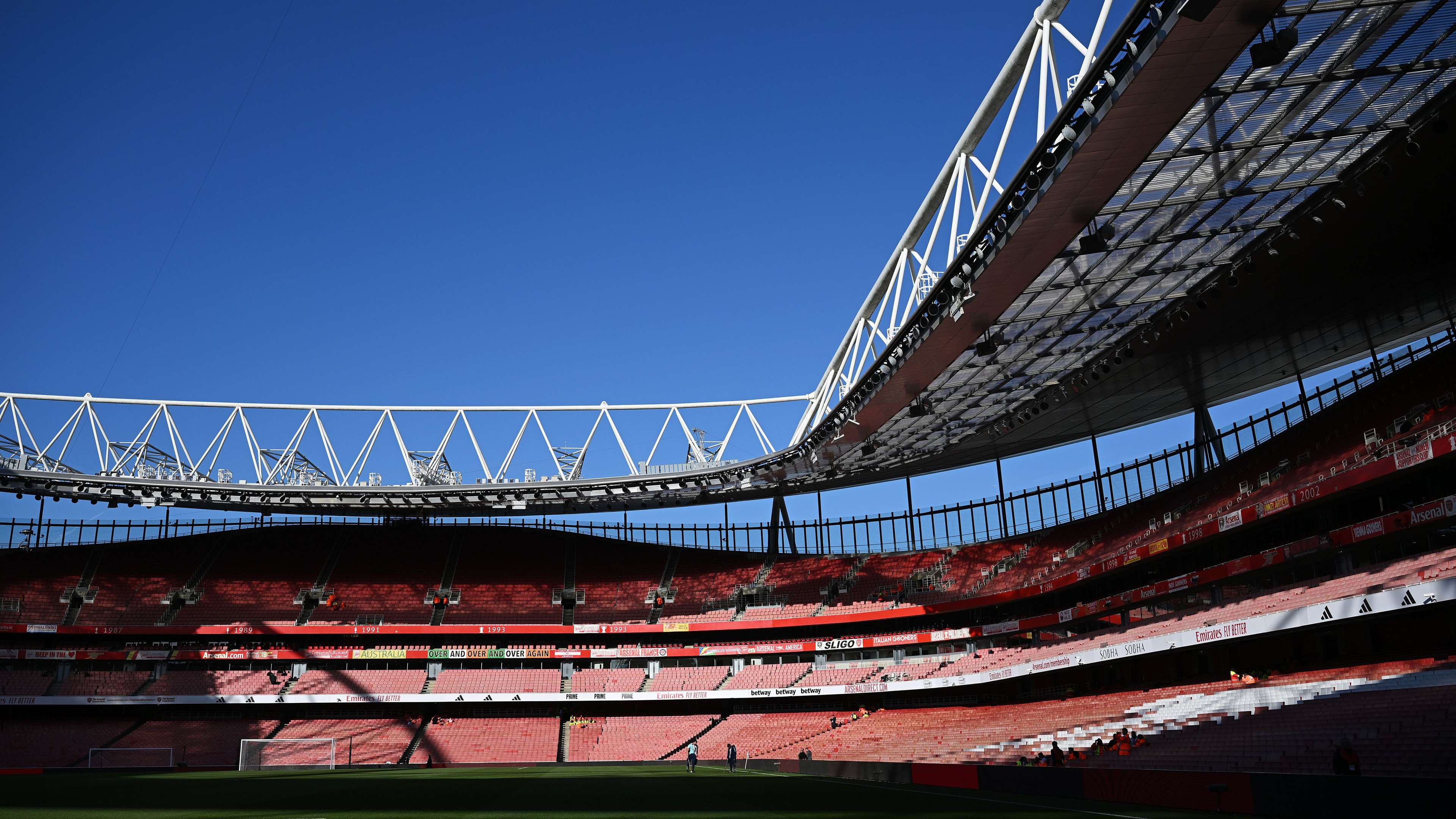
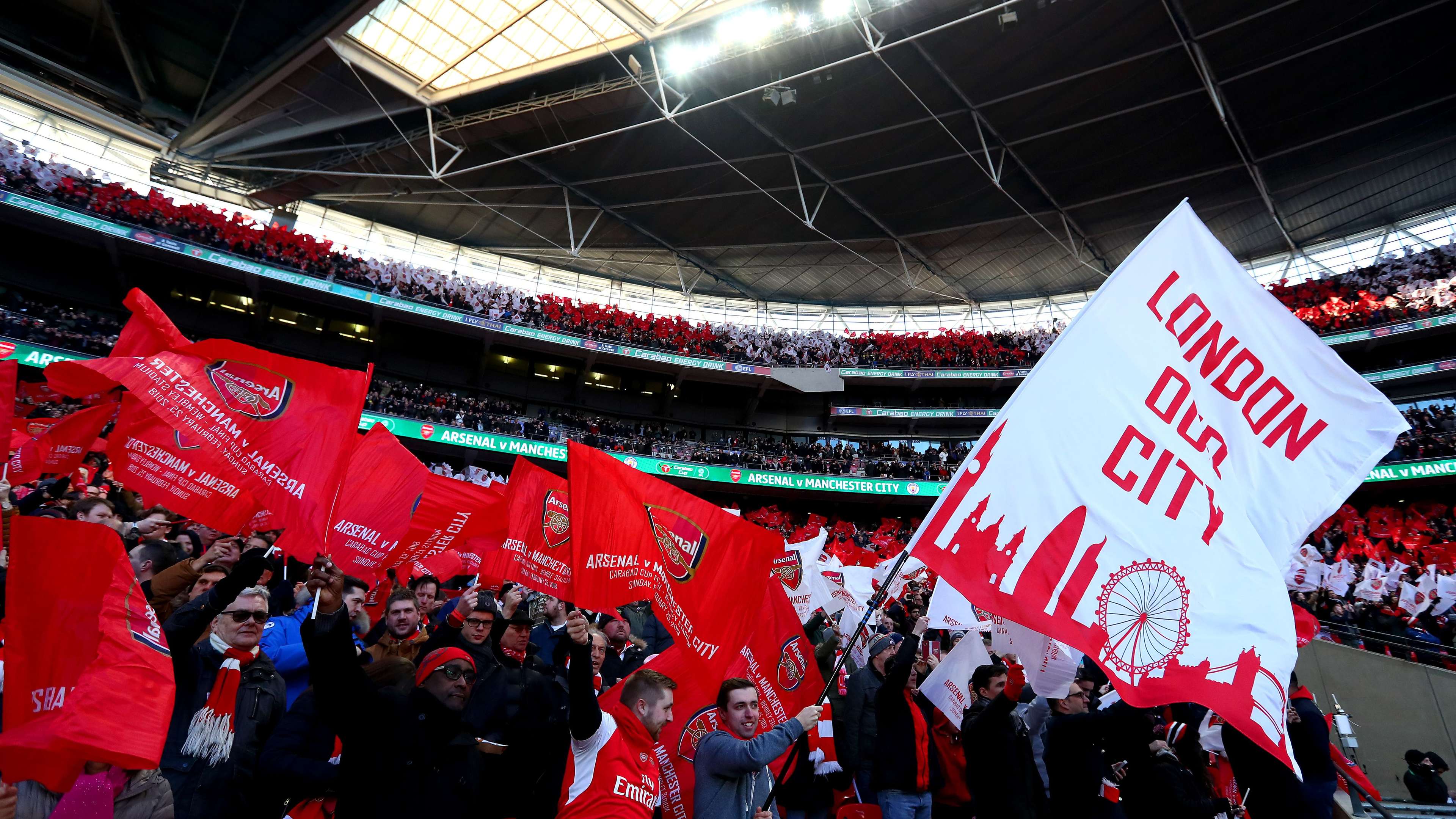
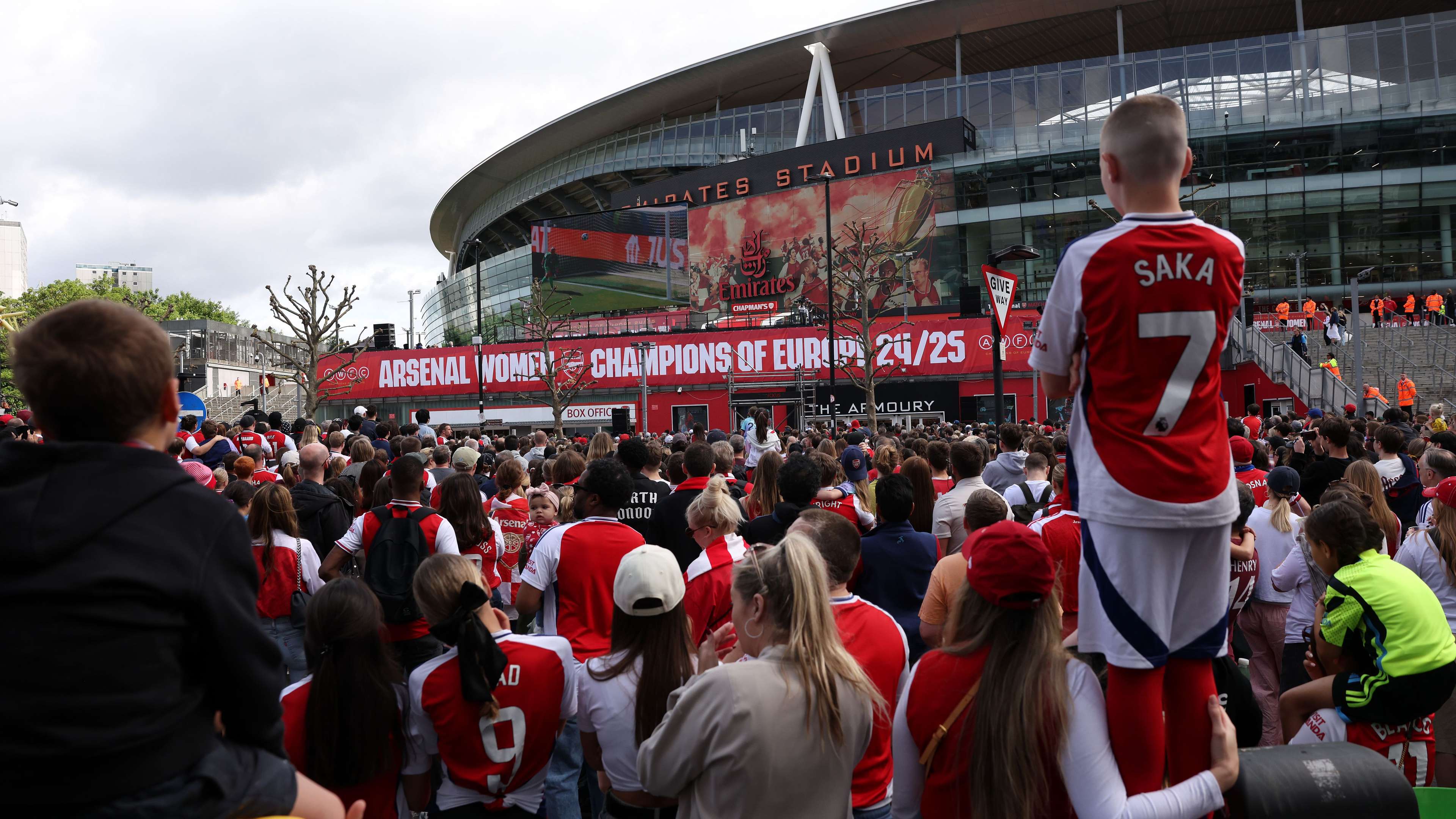
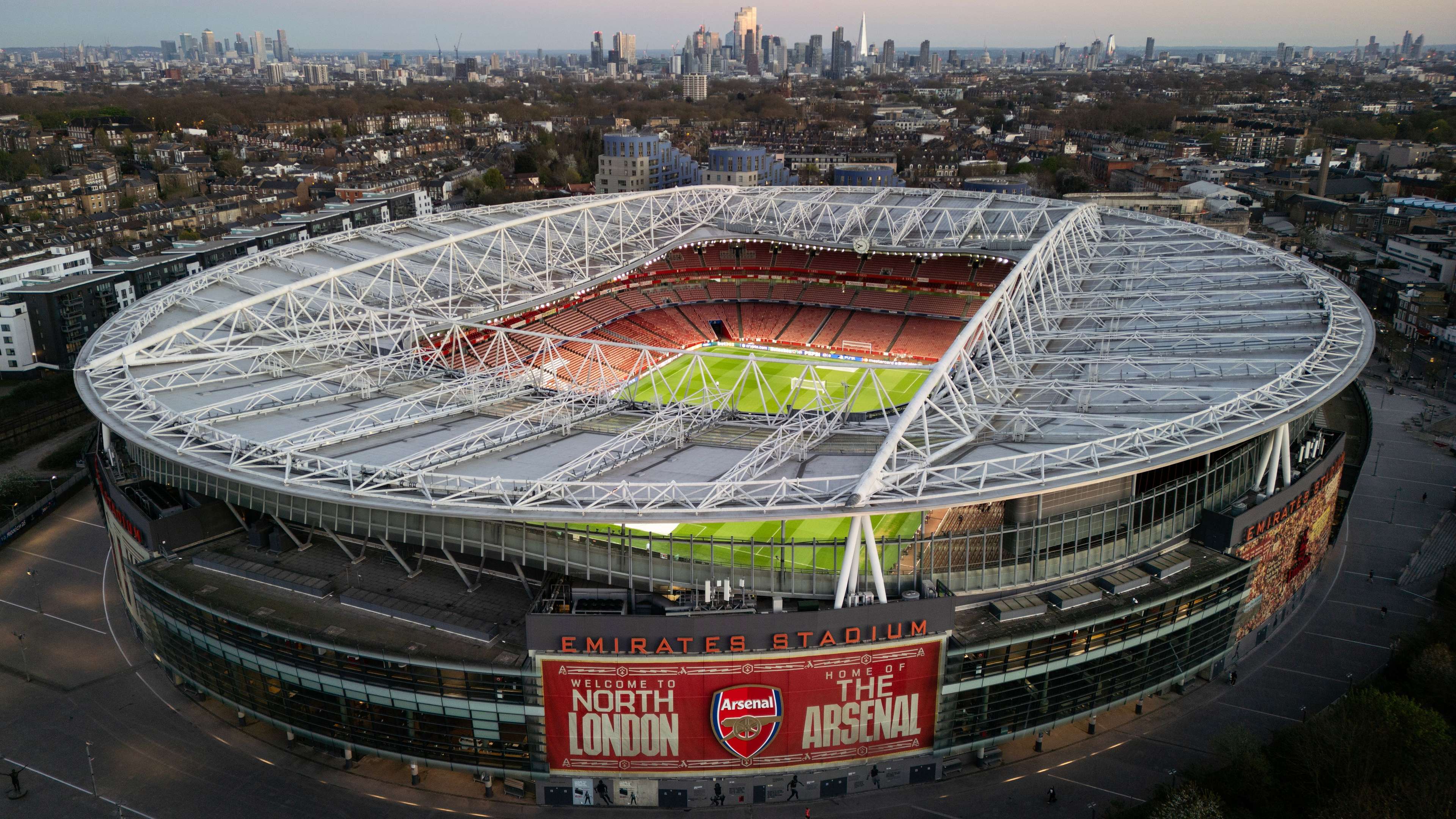
As mentioned, Arsenal have played home matches at Wembley before, though in a different era and without much success. Wenger's teams of the 1998-1999 and 1999-2000 seasons fulfilled their home Champions League group stage fixtures in the London borough of Brent inside the old stadium with attendances slightly north of 70,000, though won only two of their six games there and were eliminated before the second stage on both occasions.
Much more recently, rivals Spurs spent three seasons staging home games at the new national stadium to a varying degree of success. Like Arsenal, they took Wembley for a test run during their 2016-17 Champions League campaign, but were knocked out at the group stage and then dumped out in the last 32 of the Europa League in humiliating fashion. There was also an agreement in place for Tottenham to spend the entire 2017-18 season there while they built their new £1bn ($1.3bn) ground on the site of the incumbent White Hart Lane, and though this proved to be a fine season by their standards, it arguably came at the worst possible time. The Spurs side of 2016-17 finished second in the Premier League and tallied a club-record 86 points, boasting a young team of stars such as Harry Kane, Dele Alli, Son Heung-min and Christian Eriksen, with Mauricio Pochettino in the dugout. They won 17 and drew two of their 19 league matches at home during White Hart Lane's farewell season, dropping only four points from a possible 57, before throwing away five from their first two matches at Wembley the following campaign.
Centre-back Toby Alderweireld admitted at the time that he and his team-mates had to get used to their new surroundings, and he span a story of how he would use features of White Hart Lane's architecture to calibrate his positioning and long-range passing. That was one teething problem to address, but another was the completely different atmosphere. Where the 36,000-capacity White Hart Lane kept noise inside and bounced around, neatly complementing Pochettino's intense pressing style, Wembley's vast open spaces meant you would often hear various chants at the same time which brought no bite, while lower profile matches saw little sound at all. The sense of community disappears in a bowl like that. This particularly became of detriment to Spurs when they were unexpectedly forced to spend the majority of 2018-19 at Wembley owing to delays finalising the Tottenham Hotspur Stadium.
Spurs won only one of their first six matches at Wembley and were relieved to finally head back home in April 2019, returning to the same location where their old stadium once stood, which was another understated part of the move. Though Tottenham isn't too far from the national stadium - about a 30-minute drive round the North Circular Road on a good day - the area surrounding it is soulless, gentrified and not fit for club football. The outlets and novelty of it are fine for cup finals, England games, concerts or other sports, but when you're having to schlep there every other week, there's only the 90 minutes of the actual game to look forward to, which isn't always what football is about. A common 'what if' among Spurs fans nowadays revolves around the potential of having stayed at White Hart Lane for the remainder of the Pochettino era rather than going through a seismic period of transition.
The warning to Arsenal is twofold. Any move to Wembley, at this point for an unspecified amount of time but surely for at least one planned season, could lead to a period of tactical adjustment, and the longer they stay there increases the risk of apathy among supporters, which in turn would remove the atmospheric threat of home-field advantage.