+18 | Commercial Content | T&C's Apply | Play Responsibly | Publishing Principles
Quiet January window HICGOAL

The quietest transfer window ever! Why are clubs refusing to spend this January?

Ever since the transfer window swung open at the beginning of January, tumbleweeds have blown across Europe. Even in the Premier League, where clubs usually splash the cash with little regard for the consequences, there has been near radio silence.

Ironically, considering the criticism Daniel Levy has received for tightening the pursestrings in the past, it is actually Tottenham who lead the way in the spending charts at present. But even they have hardly pushed the boat out, signing Timo Werner on loan and paying Genoa £21.5m ($27.4m) plus £5.2m ($6.6m) in add-ons for the services of Radu Dragusin.

They were linked with a move for Chelsea's Conor Gallagher too, but seem to have turned the noses up due to economic reasons - echoing the wider trend of financial restraint being exercised by clubs across the continent this January.

The question on everyone's lips is: where have all the big spenders gone? This time last year, Chelsea had already splashed £89m ($113m) on Mykhailo Mudryk, Liverpool had snapped up Cody Gakpo, while struggling clubs like Bournemouth and Leeds had been busy too.
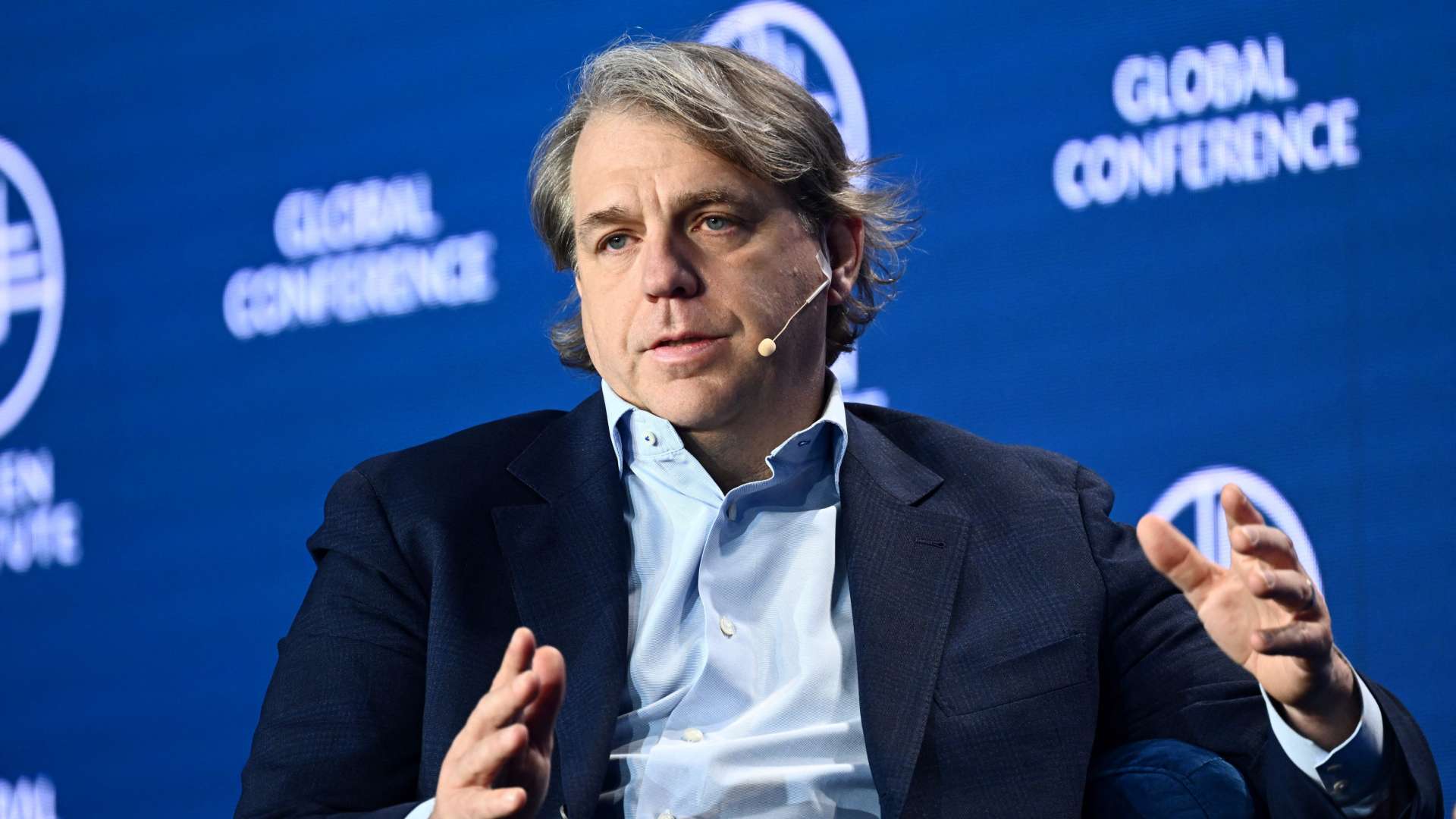
  • Todd BoehlyGetty

    Big spending catching up with everyone

    Largely, European clubs' penny-pinching this month has come as a direct result of this previous, lavish spending. Due to the Premier League's dominance of broadcasting and commercial revenue, they are usually the ones firing the starting claxon on the transfer merry-go-round.

    Over the past two summers, the record for summer spending in the English top-flight has been broken twice. In 2022, just shy of £2 billion ($2.5bn) was forked out by the 20 clubs. This summer, the record was eclipsed again, with spending reaching a staggering £2.4bn ($3bn).

    Even with sky-rocketing revenues offsetting this somewhat, in a post-pandemic world, it's understandable that the Premier League has - to put it crassly - simply run out of money. And as the first domino refuses to fall, the rest of Europe - which can only dream of affording the wages and transfer fees demanded in England - is struggling to scrape together enough funds to make the additions they need.

  • Advertisement
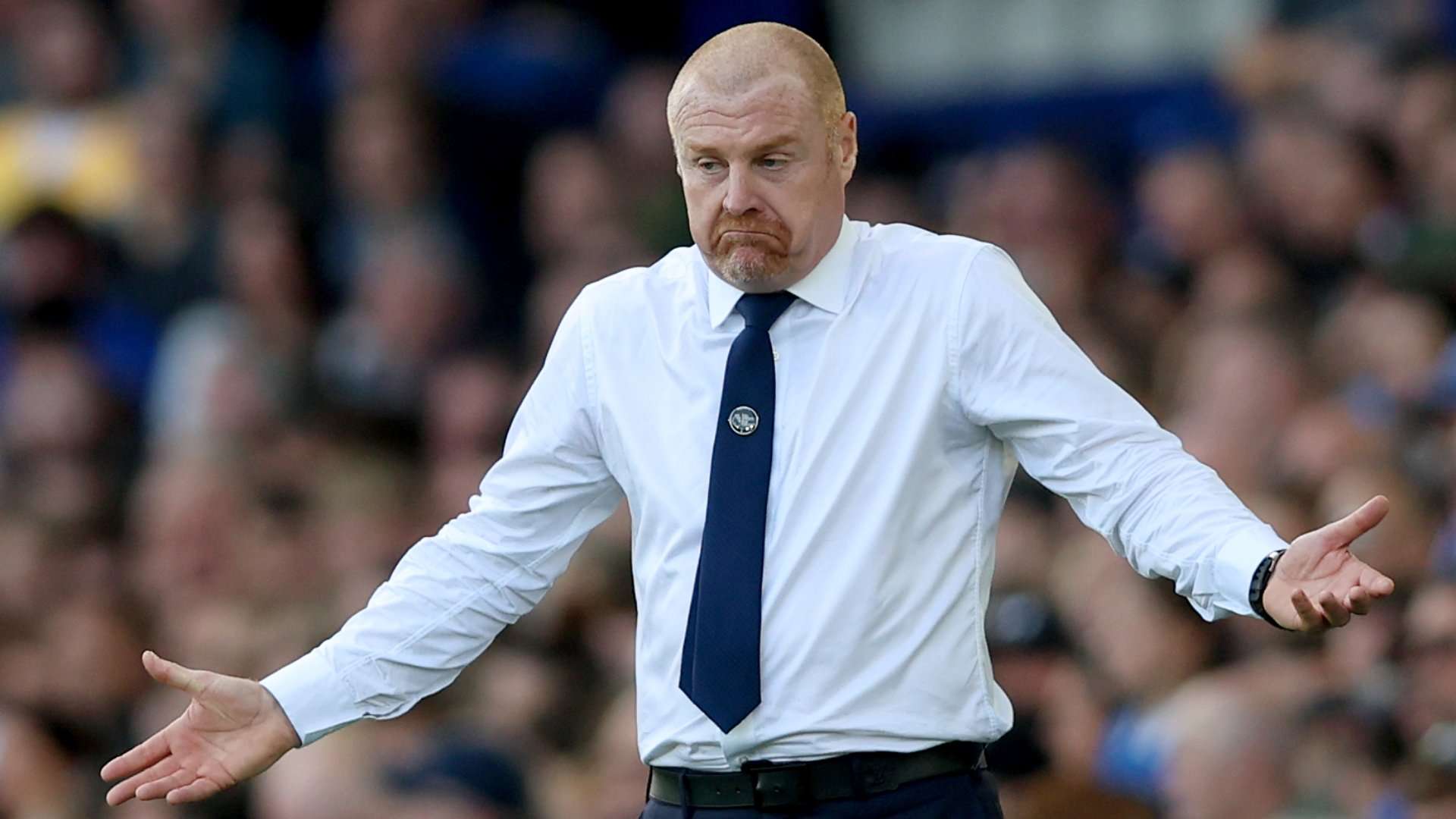
  • Sean Dyche Everton 2023-24Getty

    Concerns following Everton points deduction

    Of course, in the past, Premier League clubs might have chanced spending beyond their means in the pursuit of economic boosts further down the line, such as Champions League participation or survival from relegation.

    But with the UK government threatening to spoil the party by bringing in an independent football regulator, the Premier League has finally started to bare its teeth when it comes to financial regulation. Everton discovered this to their peril back in November, when they were shockingly handed an unprecedented 10-point deduction for breaching profit and sustainability rules.

    The Toffees - who have since been charged with a second, similar offence - are not the only club concerned about economic overreach, either. Nottingham Forest are also awaiting punishment for breaking profit and sustainability regulations, while 115 charges are currently hanging over Manchester City - though a judgement is that case in not expected any time soon.

    These events have the rest of the Premier League on high alert, with Newcastle CEO Darren Eales stating, when the club posted a concerning £73.4m ($93.5m) annual loss earlier this month: "The reality is the Everton judgment showed that there were teeth to the PSR regime. I think that’s something that’s probably focused a lot of minds within the Premier League that this is something that’s real."

    Profit and sustainability rules dictate a club cannot post losses in excess of £105m ($133.8m) over a three-year period. And with Chelsea registering a net spend of nearly £700m ($892m) over the past five years, it doesn't take a Rain Man-style maths genius to understand why Premier League clubs are so keen to rein in their outgoings.

    Across Europe, there are countless more clubs experiencing similar troubles in their own leagues. Barcelona, for instance, appear to have run out of 'levers' to alleviate their economic strife, while Champions League finalists Inter are understood to have debts around the £700m ($900m) mark.

  • Cristiano Ronaldo Al-Nassr 2023-24Getty

    Saudi money tap turned off - for now

    With Europe in a state of economic gridlock, clubs might be hoping that Saudi Arabia can get things moving, as they did in the summer with a landscape-shifting transfer splurge. Steven Gerrard's Al-Ettifaq had raised hopes of that happening in December, when he publicly begged the club's owner to invest following a terrible start to the season.

    "We need to show in this window, and also the summer window, that we mean business and we want to be competitive at the top of the league, and not where we are at the moment," Gerrard said after his side's winless run was extended to eight games against Al-Nassr. "We will hopefully be able to make significant changes to the team and the squad. Hopefully at the back end of January you will see a different, stronger and more competitive squad."

    Yet, even with Jordan Henderson high-tailing it out of Dammam this month, Al-Ettifaq have been strangely quiet in the transfer market, echoing the trend of the Saudi Pro League as a whole. There are several reasons for this.

    Firstly, SPL clubs are currently permitted just eight foreign players in their squads. Following all the summer transfer activity, the overwhelming majority of those spots - particularly at the four state-owned teams, who are the biggest spenders - are taken. Al-Hilal even had to get creative to sign Renan Lodi from Marseille, deregistering the injured Neymar from their ranks for the remainder of the season so the left-back could added to the squad.

    It's also understood that Saudi Pro League sides are gearing up for another big summer, when Premier League stars such as Casemiro and Mohamed Salah may be more amenable to leaving their European careers behind. That being said, Henderson's swift exit - and reports of other players like Aymeric Laporte and Karim Benzema struggling to settle in the country - threatens to derail the sporting project before it's had a chance to get properly going.

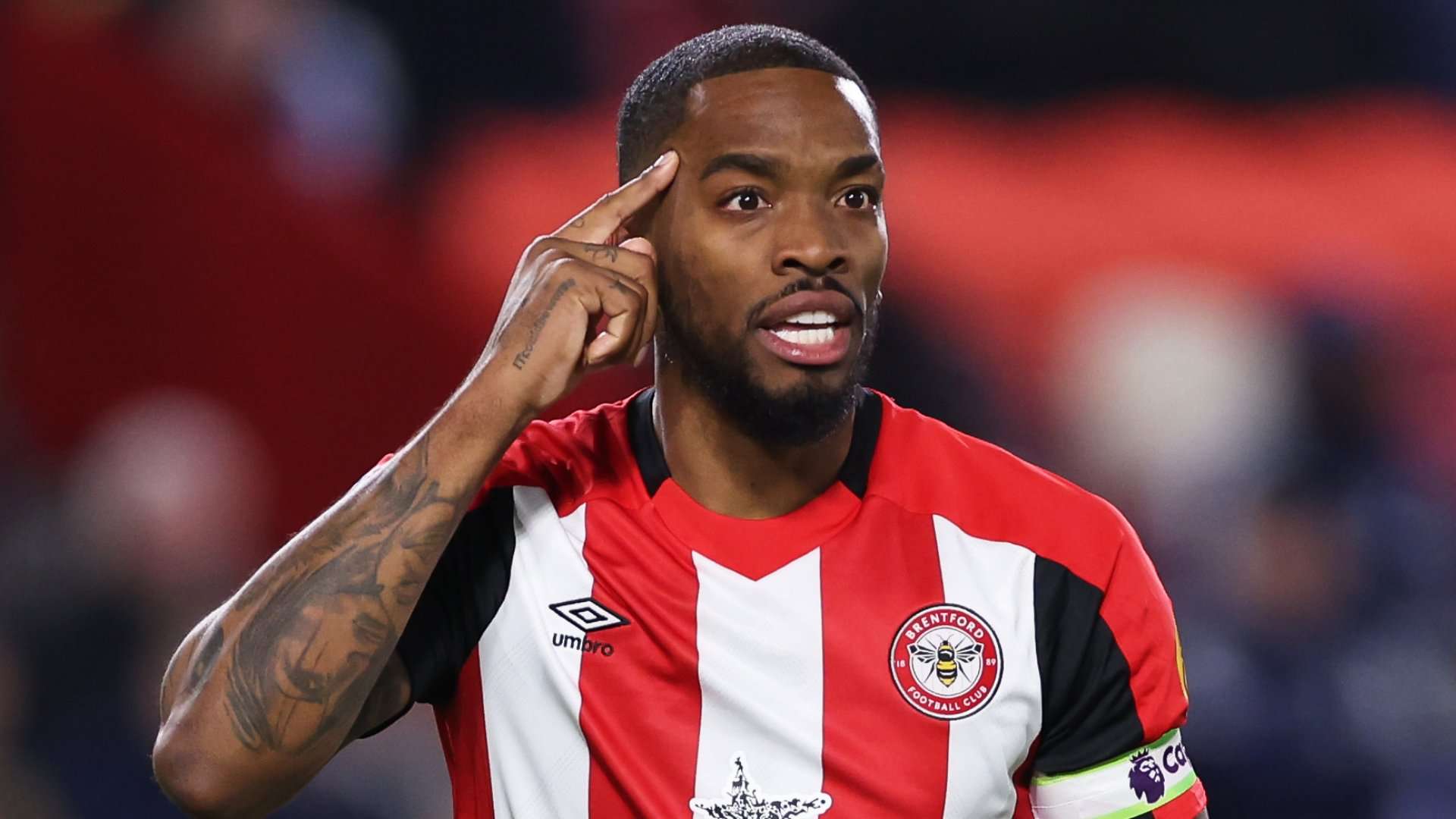
  • Ivan Toney Brentford 2023-24Getty

    Lack of options

    Back on European shores, the lack of transfer activity can also be explained by factors other than the financial bottom line, like a lack of suitable players being available for the traditional big spenders to sign. Despite Mikel Arteta's public stance that he is happy with his attacking options, it's pretty clear that Arsenal would be more than open to recruiting a striker if the opportunity presented itself. Chelsea are on the lookout for a centre-forward, too.

    Ivan Toney is high on their list, but he's simply not attainable. A lack of quality No.9s on the market means Brentford are in a particularly strong negotiating position, with the Bees slapping a reported £100m ($127m) price tag on his head. Napoli have similarly recognised the value of Victor Osimhen, protecting their prized asset with a release clause believed to be in excess of £100m.

    Over in Spain, Barcelona want a midfielder, but identifying talent within the limits of their current spending power is proving near impossible. Transfer market kingpins PSG, meanwhile, are struggling to identify an appropriate left-back to cover for the injury-prone Nuno Mendes, having only signed Brazilian youngster Lucas Beraldo for a mere €20m (£17m/$21.8m) at the beginning of the month.

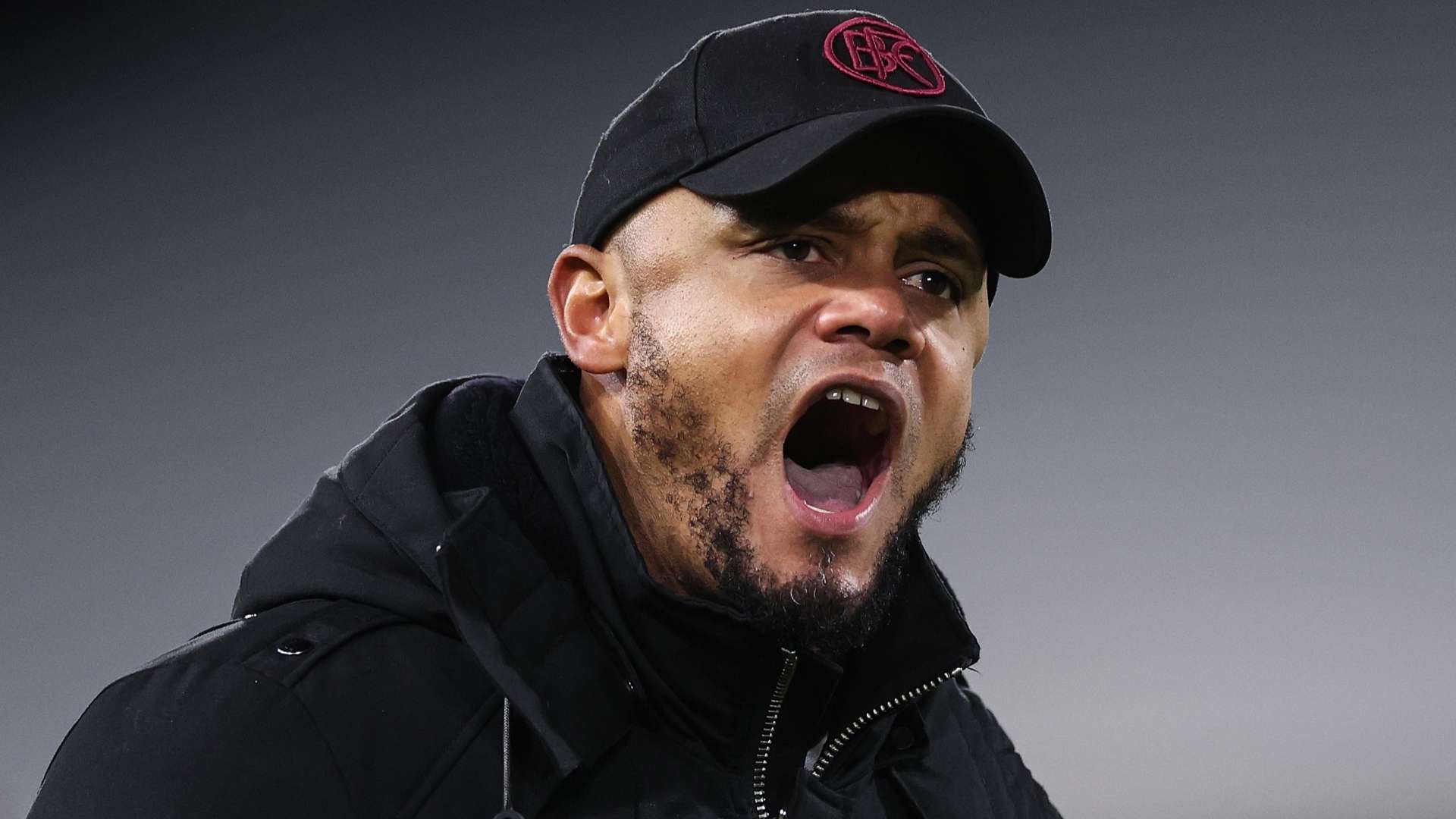
  • Vincent Kompany, BurnleyGetty

    Why risk it?

    Even at the bottom of the Premier League, where clubs usually try to spend their way out of trouble due to the riches that another season in the big time can offer, things have been eerily quiet.

    Privately, Sheffield United - who have only signed Ben Brereton-Diaz on loan from Villarreal - may feel that significant investment, which may put the club in financial peril, is not worth it due to the remote prospects of them staying up. Luton and Burnley are also opting for economic prudence.

    In the case of the Hatters, promotion last season was way ahead of schedule. With a new stadium coming and a manager in Rob Edwards that they trust at the helm, Luton are likely viewing this rare campaign of Premier League revenue as an unexpected but welcomed bonus.

    Burnley are in a similar situation, with Vincent Kompany proving himself an accomplished second-tier head coach last campaign. That is not to say that these clubs are not trying to be competitive; all three could still survive the drop, and if they do they will reap the benefits of having not panic bought this January.

  • Mbappe PSGGetty

    Free transfers on the horizon

    Then there's the looming prospect of a whole host of top stars' contracts winding down by the time the less congested and easier to navigate summer transfer window rolls around. Top of the list is Kylian Mbappe, who, after years of tantalising speculation finally looks set to move on from PSG at the end of the season when his current deal expires.

    The French champions still hold out hope of tying him down to another contract, with president Nasser Al-Khelaifi insisting the pair have a "gentleman's agreement", but the prospect of signing one of the best players in the world means both Real Madrid and Liverpool will be having quiet Januarys in order to be in the best place possible to tempt the superstar Frenchman to sign in June.

    A sizeable group of other top-of-the-market talent will also move into the final year of their contracts in the summer. Most of them play for Bayern Munich, much to Harry Kane's presumed frustration, with Leroy Sane, Joshua Kimmich, Alphonso Davies and Thomas Muller all yet to commit their futures beyond 2025.

    Liverpool legend Mohamed Salah, City sensation Kevin De Bruyne and Juventus star Federico Chiesa are in the same boat, as are Son Heung-min, the aforementioned Toney and Gio Reyna, to name but a handful.

    In recent years, elite players - with Chelsea's contingent of young stars an obvious exception - have taken their future into their own hands by delaying signing long-term contracts. The advantages of this are clear: By removing the need for clubs to pay a transfer fee, they have a greater selection of sides to choose from. The sizeable signing-on fees they and their representatives can receive is another plus point.

    Clubs could simply be adapting to this new reality. Why spend time and money negotiating traditional transfers when players might be willing to wait until their contract is running down? Many clubs adopting longer-term recruitment plans has only further increased the prominence of this type of deal.

  • Gio Reyna Borussia Dortmund 2023-24Getty

    Still time for things to change

    All of above does not mean that this January transfer window is guaranteed to be a damp squib, though. As always at this time of year, all it takes is one or two moves to get the entire market clicking and there's still time left for some noteworthy deals.

    Perhaps Crystal Palace will be sufficiently spooked by their recent poor form to make a move for Eddie Nketiah, giving Arsenal the funds to pursue a striker. Or maybe Chelsea will decide to let a homegrown star fly the nest in an attempt to balance the books.

    It should be said that there has already been a string of blockbuster loans this January, too. Jadon Sancho returning to Borussia Dortmund is an exciting one, as is the prospect of Kalvin Phillips finally getting some minutes when his switch to West Ham is confirmed. Gio Reyna could also end up in the Premier League with Nottingham Forest, though other clubs remain interested in the United States playmaker.

    Realistically, though, anyone expecting an internet-breaking transfer before the month is up is likely to be left disappointed.