+18 | Commercial Content | T&C's Apply | Play Responsibly | Publishing Principles
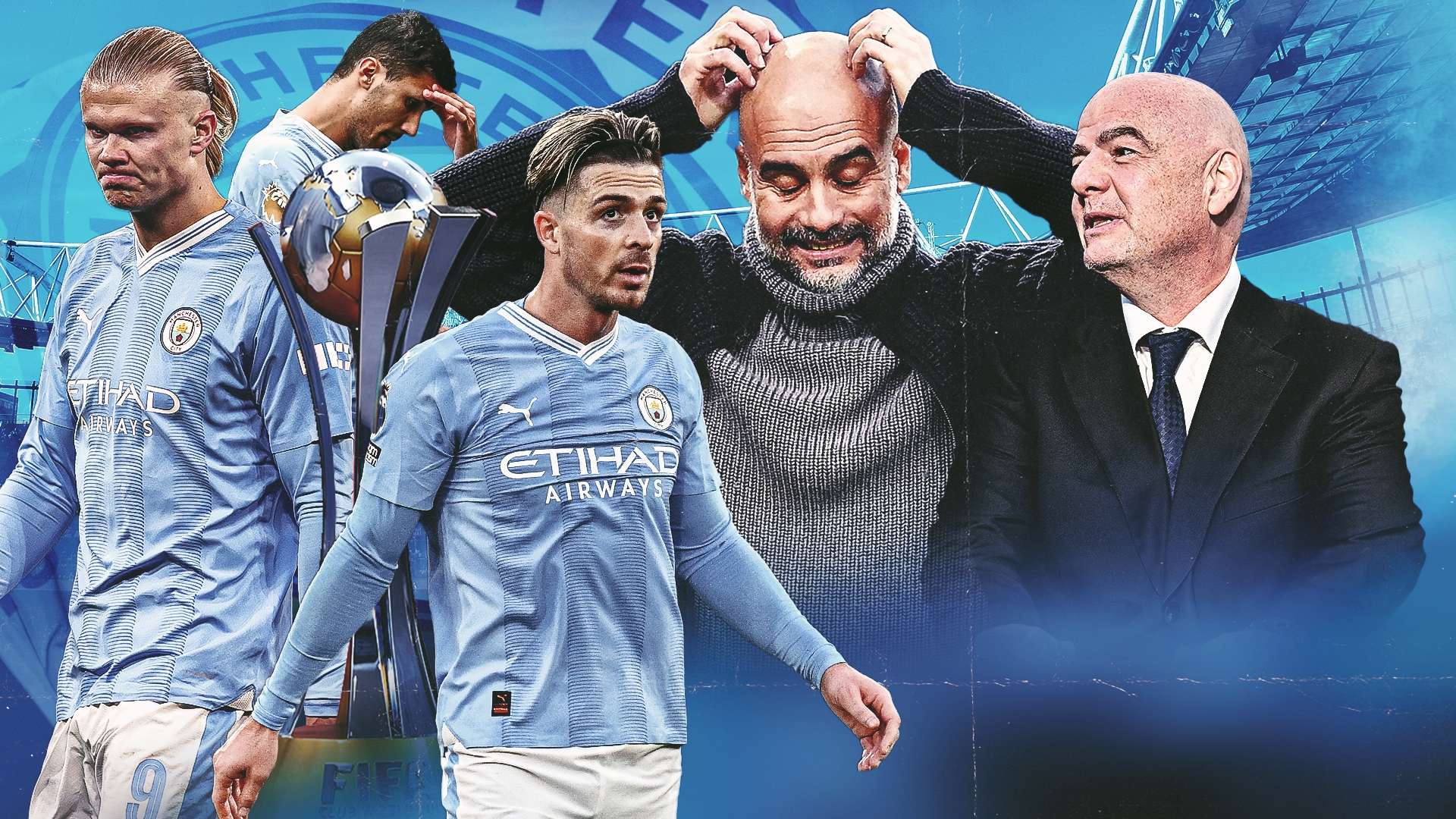
Man City Club World Cup GFXGOAL

Pep Guardiola loves the Club World Cup but struggling Man City could maybe do without it - and FIFA's revamped tournament is even more inconvenient and will alienate top clubs

There is a tendency in European football for turning your nose up at the Club World Cup, but Pep Guardiola has always respected the competition. The Catalan ranks Barcelona's triumph over Estudiantes in the 2009 final as one of the best moments of his career, and burst into tears when Lionel Messi clinched their 2-1 victory in extra-time after Pedro had snatched an 89th-minute equaliser.

It meant Barca had become the only team ever to win all six trophies they had entered in one year, and Guardiola hailed the achievement as "unthinkable". Guardiola and Barca also took the competition seriously in 2011, beating Neymar's Santos 4-0.

Manchester City cannot match Barca's clean sweep in this year's Club World Cup as they were beaten in the Community Shield by Arsenal, but they can still round off an incredible 2023 with a fifth trophy. And Guardiola was being sincere when, even after City's chastening 2-2 draw against Crystal Palace, he said he was looking forward to heading to Saudi Arabia to play for the right to be crowned champions of the world.

"We love to go to play the Club World Cup," he said. "To go there you have to win the Champions League. I'm very pleased and excited to go there to try and win it. Of course, it's nice. Years ago we could not imagine to be there and we are there."

Despite Guardiola's words, whether flights halfway across the world and two games in 30-plus degree temperatures is quite what a City team that has won just one of their last six Premier League games needs heading into the busy Christmas period is up for debate. But if you think this version of the tournament is inconvenient, then FIFA's plans for the future are something to behold.
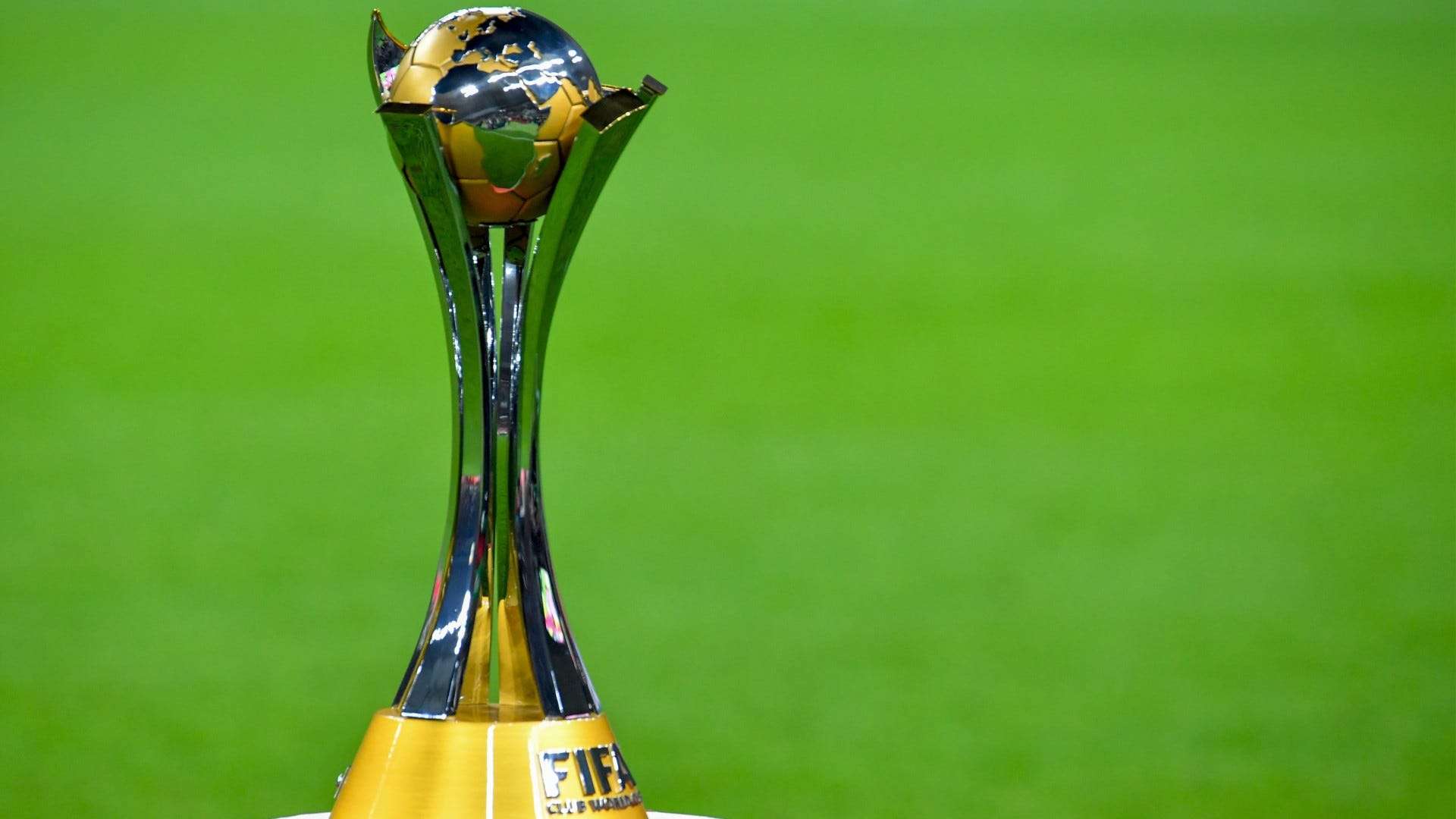
  • fifa club world cup trophyGOAL

    Last of its kind

    Guardiola's enthusiasm for the Club World Cup is unusual in Europe and especially in England, but not in the rest of the world. While only a few hundred City fans will make the journey to the Gulf nation for their semi-final against Urawa Reds on Tuesday and Friday's potential final, thousands of supporters of Copa Libertadores champions Fluminense have made the 10,000 kilometre journey from Rio de Janeiro to Jeddah to follow their side in their maiden bid to become champions of the world.

    Fluminense are keeping up a long tradition of South American clubs taking a mass following to the tournament: River Plate brought 20,000 fans to Tokyo in 2015 when they faced Barcelona, while Corinthians, the last non-European team to win the trophy in 2012, brought an even greater number of fans to see their unexpected triumph over Chelsea.

    African Champions League holders Al Ahly have also brought a large number of followers from Egypt over and they were rewarded when they saw their side knock out Karim Benzema's Al-Ittihad.

    But the whole reason Guardiola and so many others love the tournament is about to disappear. This year's Club World Cup will be the last of its kind before FIFA's revamp begins. It will destroy the very essence of the competition and further increase the load on players, while cementing Europe's domination over the rest of the world.

  • Advertisement
  • Real Madrid FIFA Club World Cup 2022Getty Images

    Increase in teams

    City are one of seven teams competing in Saudi Arabia, but in 2025, the competition will be massively expanded to 32 teams. Instead of lasting 10 days, it will last a whole month, from June 15 to July 13.

    The first edition will be held in the United States and will undoubtedly be a huge spectacle. But European clubs will dominate the tournament from start to finish, accounting for 12 of the 32 teams. And if we're being honest, they are likely to dominate the knockout stages, too.

    City are already guaranteed their place in 2025 after winning the 2023 Champions League, and will be joined by Chelsea and Real Madrid (winners in 2021 and 2022, respectively).

    They will be joined by Bayern Munich, Benfica, Inter, Porto and Paris Saint-Germain, who qualify due to their place in UEFA's four-year coefficient ranking. A further three sides will qualify for finishing in the top eight of the same rankings, although there is a maximum of two teams from each country, while the 2024 European Cup winners will also be there.

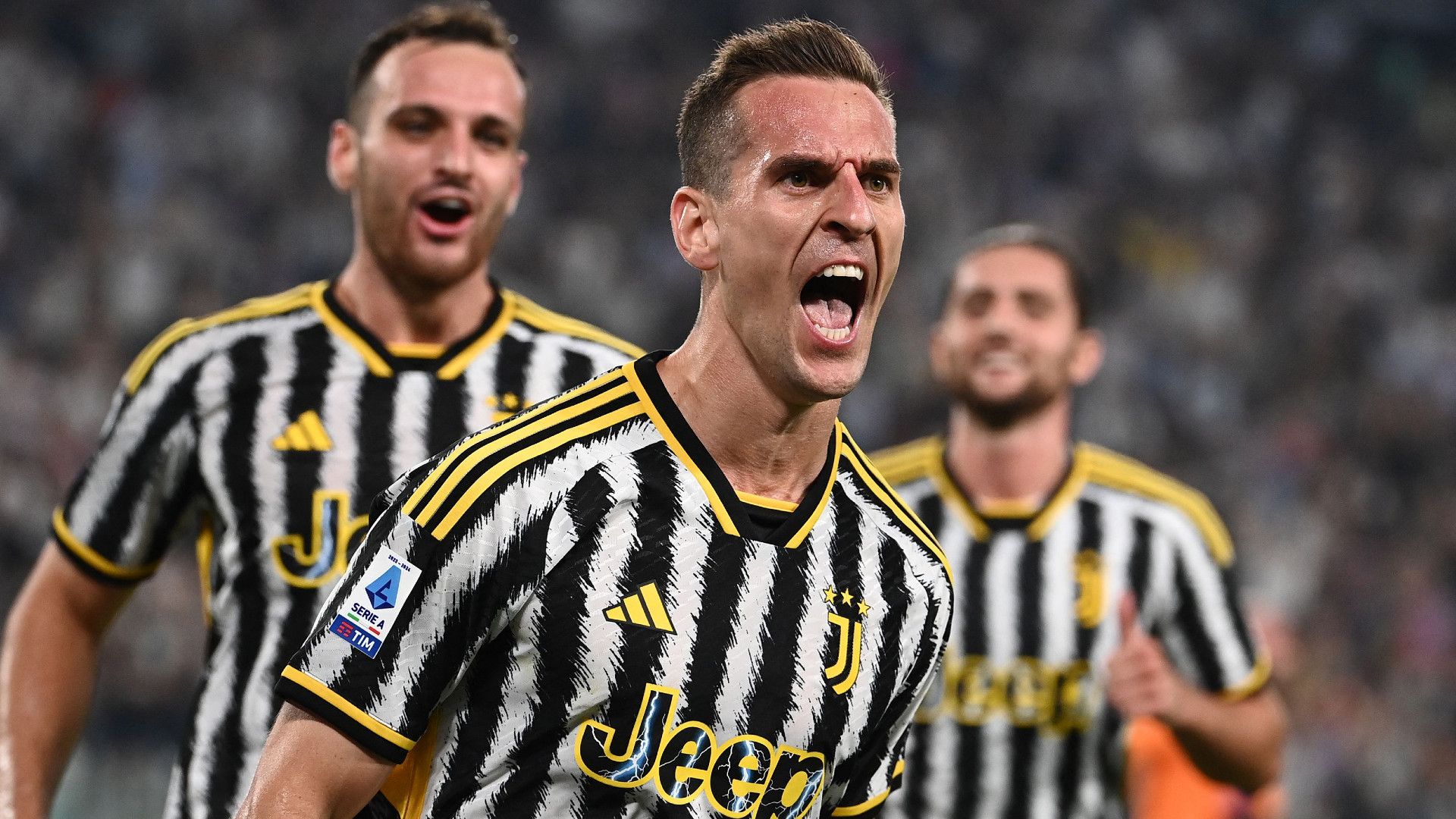
  • ARKADIUSZ MILIK JUVENTUS SERIE A 07102023Getty Images

    Making a mockery of meritocracy

    In other words, the qualifying process for the 2025 World Cup makes a mockery of the whole concept of the tournament, which was set up to bring together the champions of each continent. Now you can qualify for being utterly mediocre in international competitions. As things stand, Juventus would qualify, even though they are placed 14th in UEFA's four-year ranking.

    The Bianconeri are not playing in Europe this season after being docked Serie A points for breaking Italy's financial rules, and have not reached the Champions League semi-finals since 2017.

    Benfica, who are guaranteed their place, have famously not won a European trophy since former manager Bela Guttman placed a curse on them in 1962 for sacking him. Red Bull Salzburg are also in line to qualify, even though they have only once reached the last 16 of the Champions League.

  • ENJOYED THIS STORY?

    Add GOAL.com as a preferred source on Google to see more of our reporting

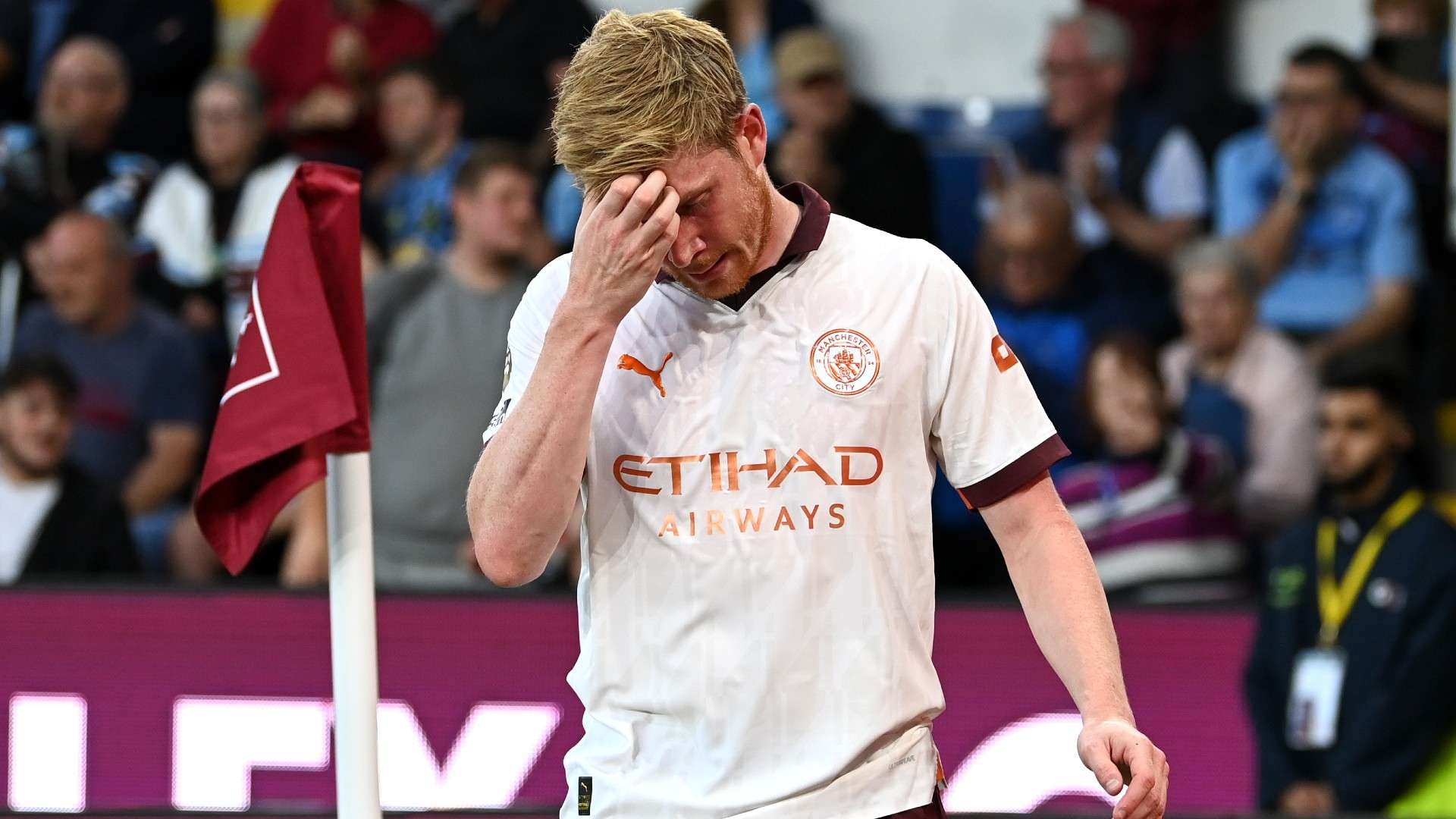
  • Kevin De Bruyne Manchester City 2023-24 sadGetty Images

    Another drain on players

    The expanded Club World Cup will naturally increase the burden on players who are already being pushed to the limits by an utterly relentless calendar. The chaos caused by Covid-19 forced players to squeeze multiple matches into one week, and then things were made even worse by the 2022 World Cup, which came little more than a year after the rescheduled European Championship and Copa America, and was crammed into the middle of the club season.

    Exhausted players got a much-needed break last summer, although even that was mitigated by Nations League and international qualifiers that continued until late June.

    There will be no let up now until 2027 due to next year's European Championship and Copa America, the expanded Club World Cup in 2025 and then the World Cup in 2026, which will involve 48 teams and an extra round of games, with the finalists playing eight matches. The Champions League is also being expanded to 36 teams from next season, meaning there will be an extra 64 matches.

    Matches are also much longer now than just a few years ago due to increased stoppage-time, which became normalised at the 2022 World Cup.

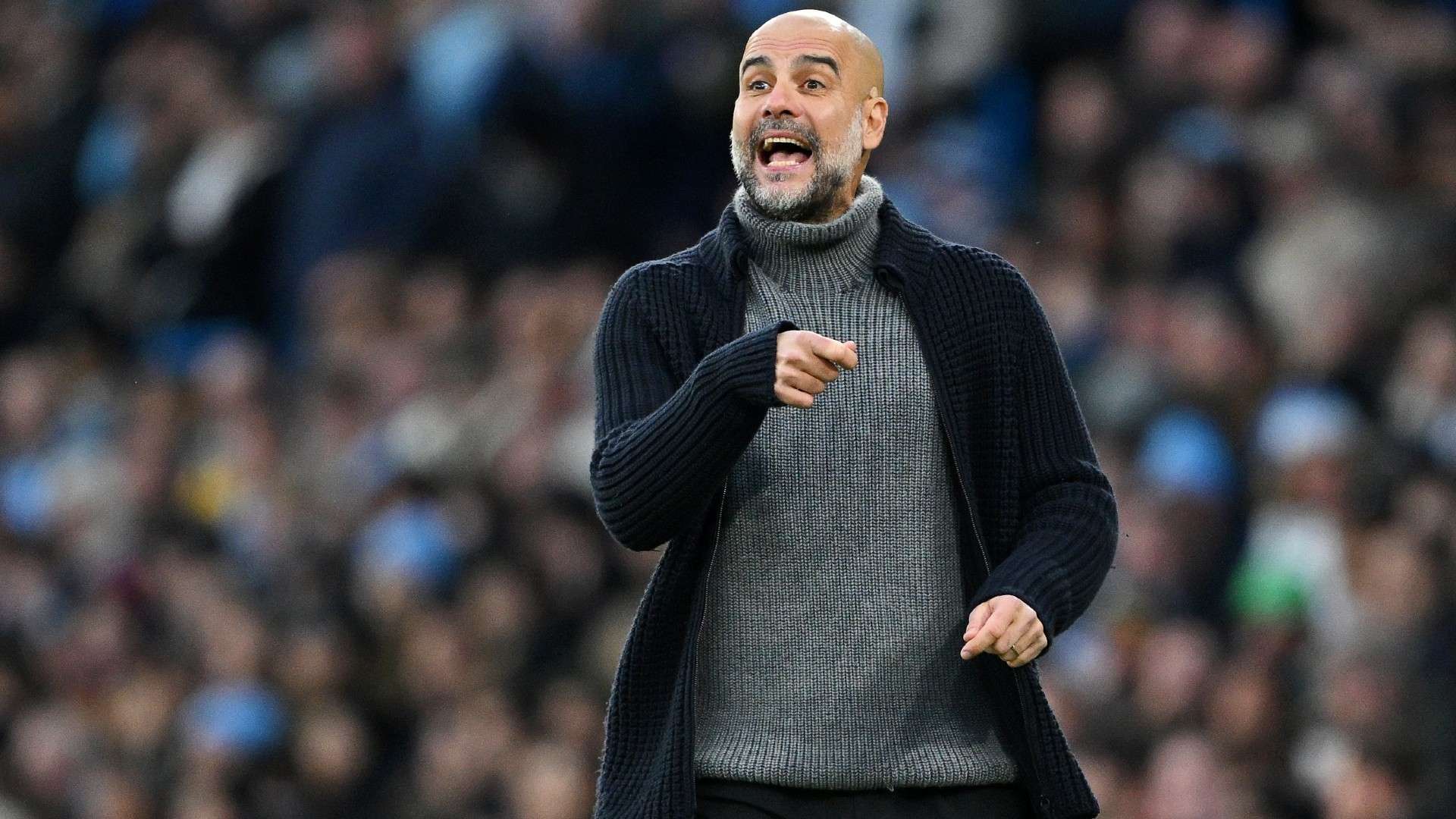
  • Pep Guardiola, Manager of Manchester CityGetty Images

    No proper break for Guardiola

    Guardiola bit his tongue when asked his opinion on the new format just before City flew out to Saudi Arabia. He said: "FIFA decide that. I don't have an opinion, about the tournament and the goals and the rules. They apply it and I accept it."

    But the City boss has been outspoken on the unrelenting schedule in the past and it is likely he opposes the plan for another month of football, especially in a rare year without international football tournaments.

    In 2021, he said "UEFA and FIFA killed the players" after the Covid-19 pause in action, and this season joined a chorus of opposition from other top coachesm including Jurgen Klopp, Mikel Arteta and Erik ten Hag, against the trend for ever more games amid the worrying rise in injuries.

    "I love to play football games, it’s just that when there is a break there has to be a proper break," Guardiola said in September. "Always I use the NBA as an example. They play 80 games in a few months, but after that, they have four months off, or three months off if you don’t play the finals, and you can regenerate. The problem here is that you go full and after you have three weeks off."

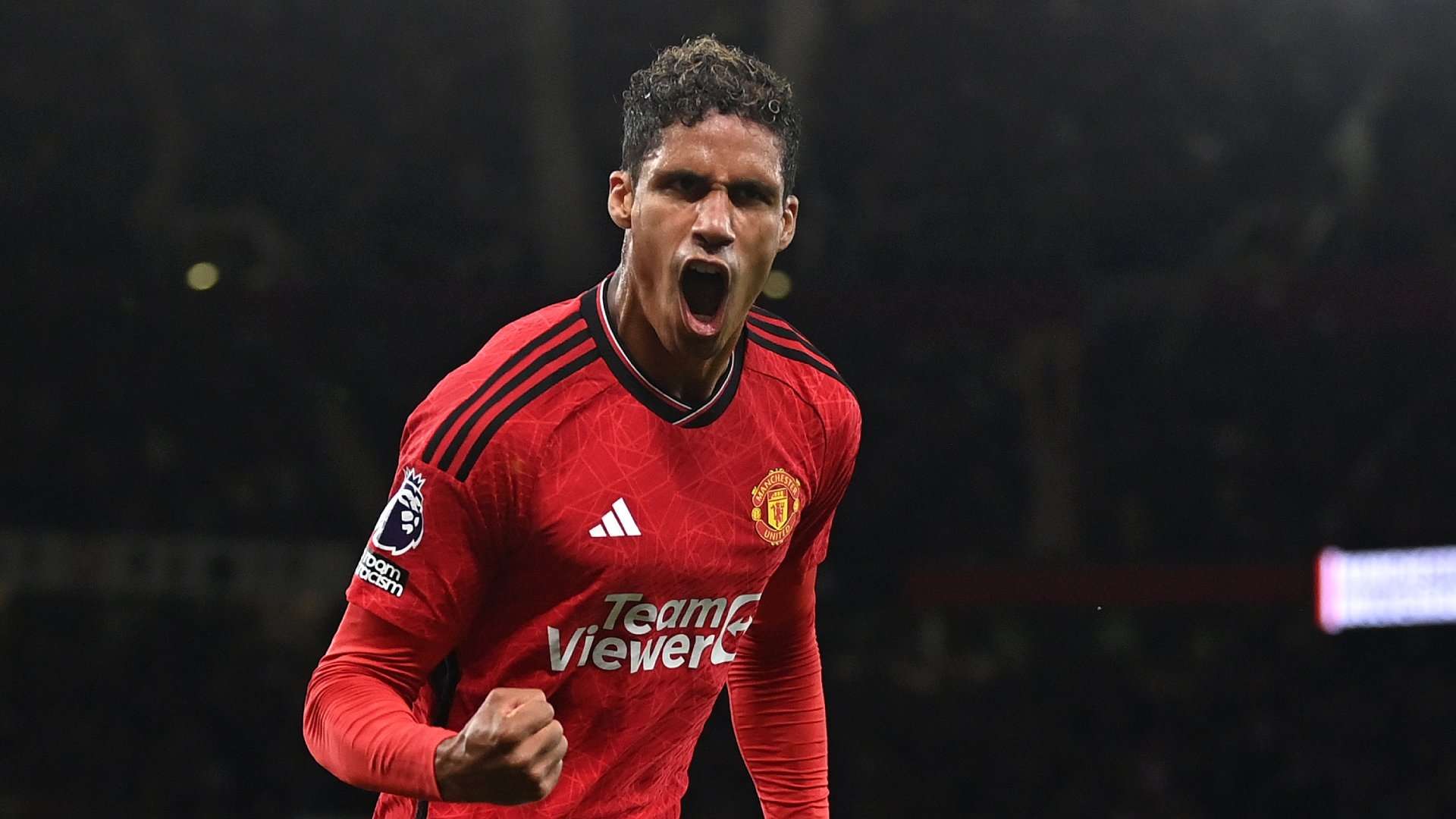
  • Raphael Varane Manchester United 2023-24Getty

    Schedule already at 'dangerous level'

    Players are also speaking out against the demands on them, which the new Club World Cup will only make worse. Raphael Varane set the tone with his passionate statement at the start of the season amid the lengthening of matches and other changes.

    "We have shared our concerns for many years now that there are too many games, the schedule is overcrowded, and it's at a dangerous level for players' physical and mental well-being," the Manchester United defender, who quit international football due to the unrelenting schedule, wrote. "We just want to be in good conditions on the pitch to give 100 percent to our club and fans. Why are our opinions not being heard?"

    The expansion of the Club World Cup is another example of players' voices not being heard. The Professional Footballers' Association reacted with dismay to the confirmation of the new format last week.

    PFA chief Maheta Molongo said "players have become pawns in a battle for primacy between football's governing bodies" and described the extra demands on players as "ridiculous".

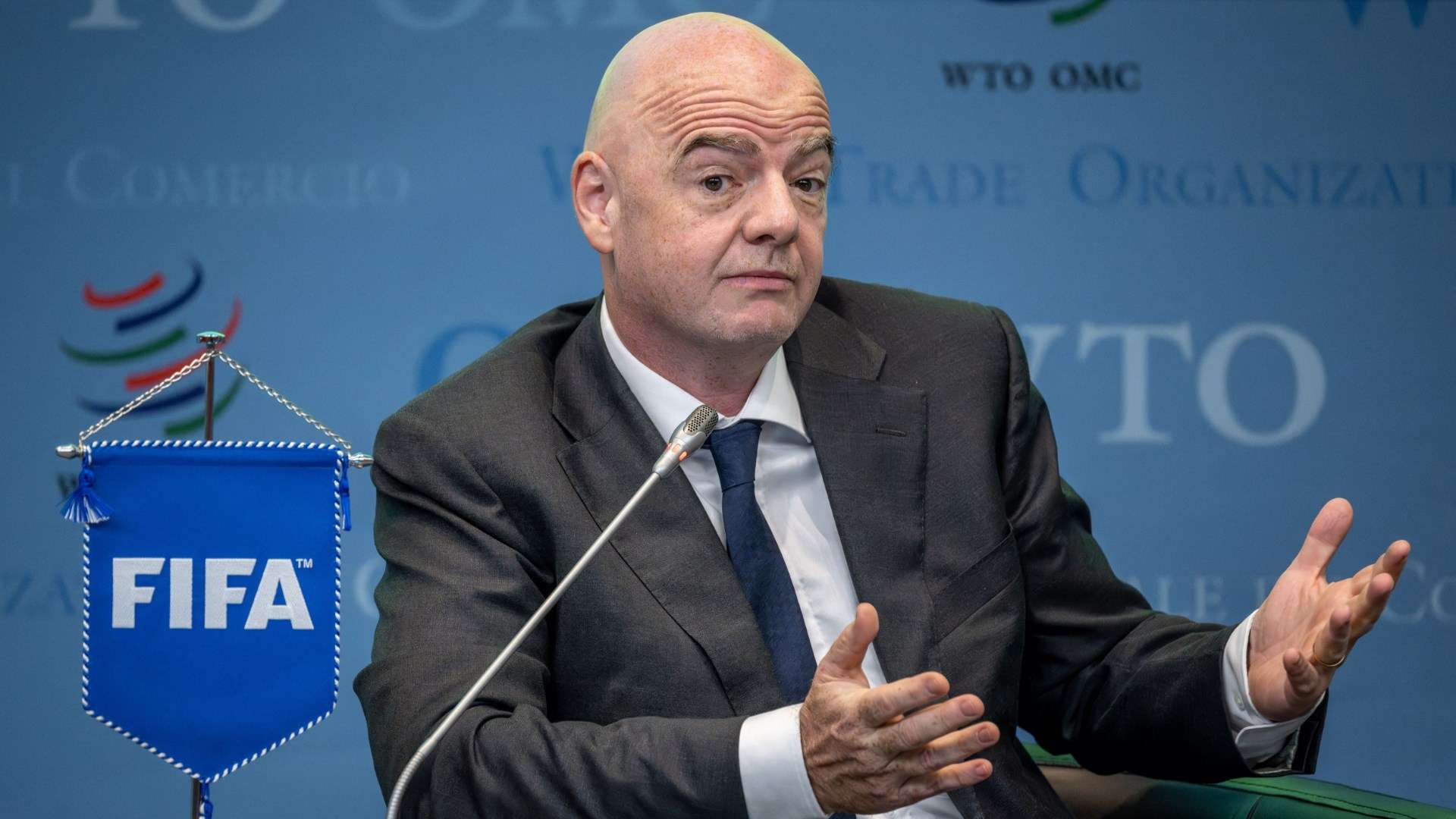
  • Gianni Infantino 2023Getty

    FIFA want their slice of club revenue

    The expanded tournament has also angered club associations. After the new format was officially announced on Sunday, the World Leagues Forum sent a letter to FIFA, signed by Premier League chairman Richard Masters, saying that it believes the organisation is overstepping its mark as a regular and prioritising its own competition over established national competitions.

    FIFA president Gianni Infantino claimed in 2016 that the reason behind the expansion was to give more power to the less rich continents. "Today football is not just about Europe and South America, the world has changed and that’s why we need to make the Club World Cup more interesting for teams, and also for fans around the world," he said in 2016.

    But the real motivating factor behind the revamped tournament is clearly to allow FIFA to considerably increase its revenue and compete with UEFA by creating its own version of the Champions League. That is why European teams will make up more than a third of the participants, with Africa, Asia and North and Central America getting four each.

    If FIFA really wanted to empower those confederations, it would distribute the slots more equally. Instead, the new format seems likely to entrench the inequality in world football and give ever more money to the big European sides.

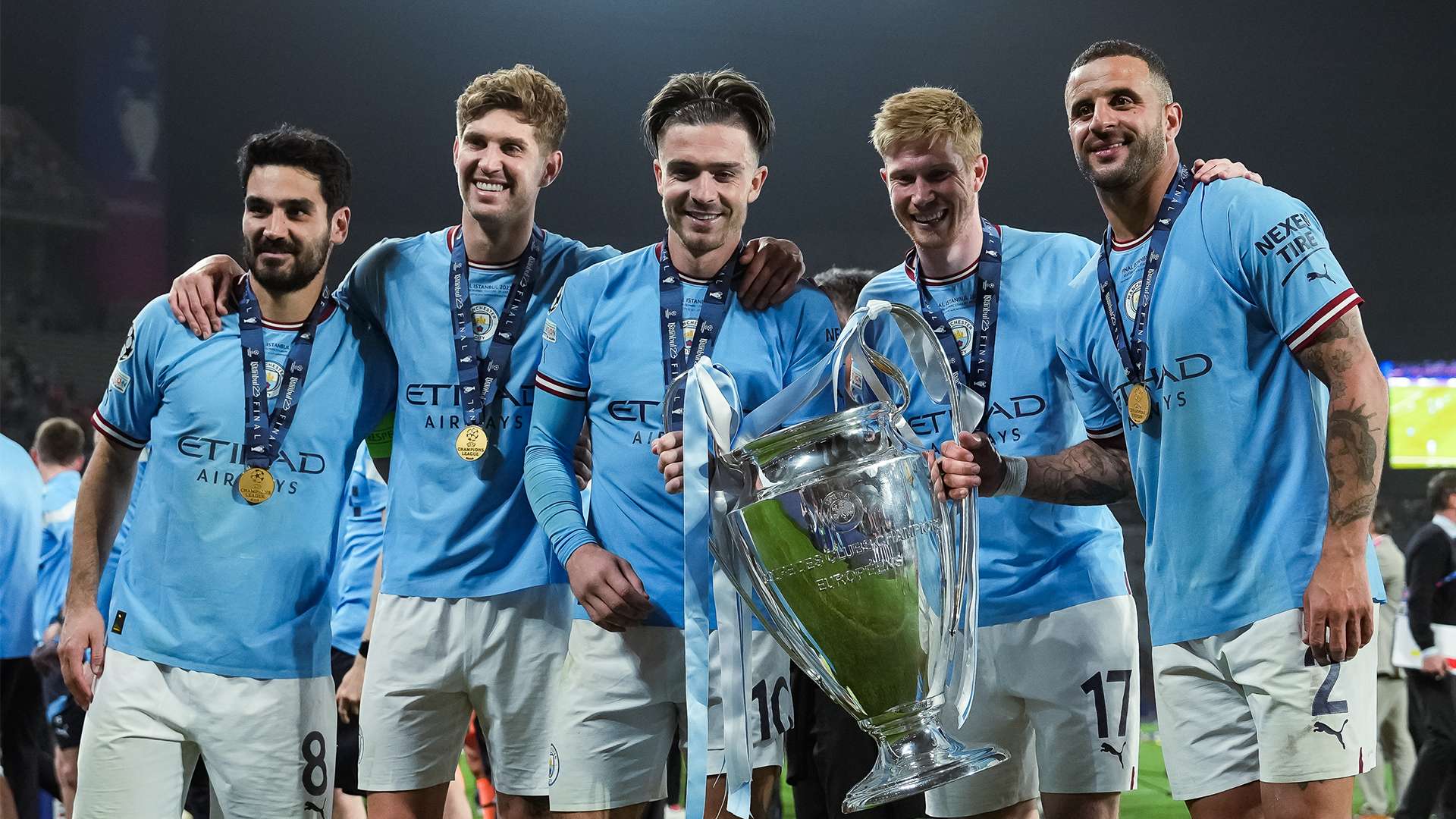
  • Man City champions league final Getty Images

    A World Cup or a European Cup?

    Although FIFA has not revealed how much money it will make from the expanded tournament, participating clubs are expected to receive around £50 million ($63m). So while a few clubs around the globe will get an important financial shot in the arm, the main effect of the new tournament will be the top European teams getting richer and richer.

    It will also be no surprise if the knockout rounds essentially becomes an all-European contest, making a so-called world tournament a one-continent affair.

    Infantino believes the new Club World Cup will be "the pinnacle of elite professional men's club football", but it cannot compete with the prestige of the Champions League, and even though European sides will be dominant, they are unlikely to take it as seriously as the continent's top competition due to all the prestige and history that surrounds it.

    FIFA have invested a lot in the new Club World Cup, but right now there seems to be general apathy among the clubs that stand to benefit the most from it.

    City could be the last team to win the tournament who will generally be remembered as world champions. So Guardiola should savour his last hurrah in the tournament before it turns into a month-long circus and threatens to run his already drained players further into the ground.