+18 | Commercial Content | T&C's Apply | Play Responsibly | Publishing Principles
Garber state of the leagueGetty

‘In 2026, we will show the world how far we’ve come’ - Don Garber says MLS is ready to compete with the best leagues and won’t rule out promotion-relegation

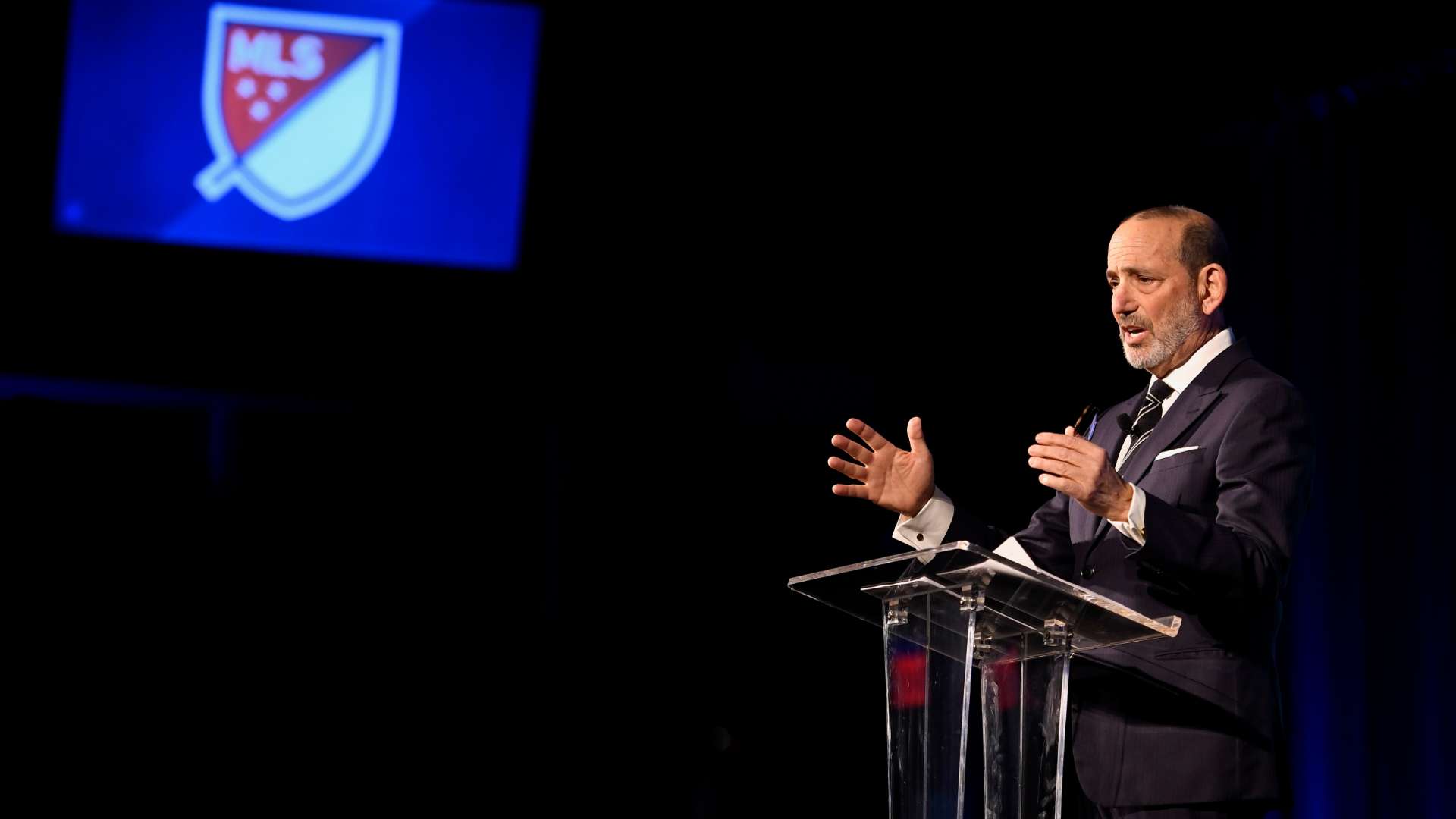
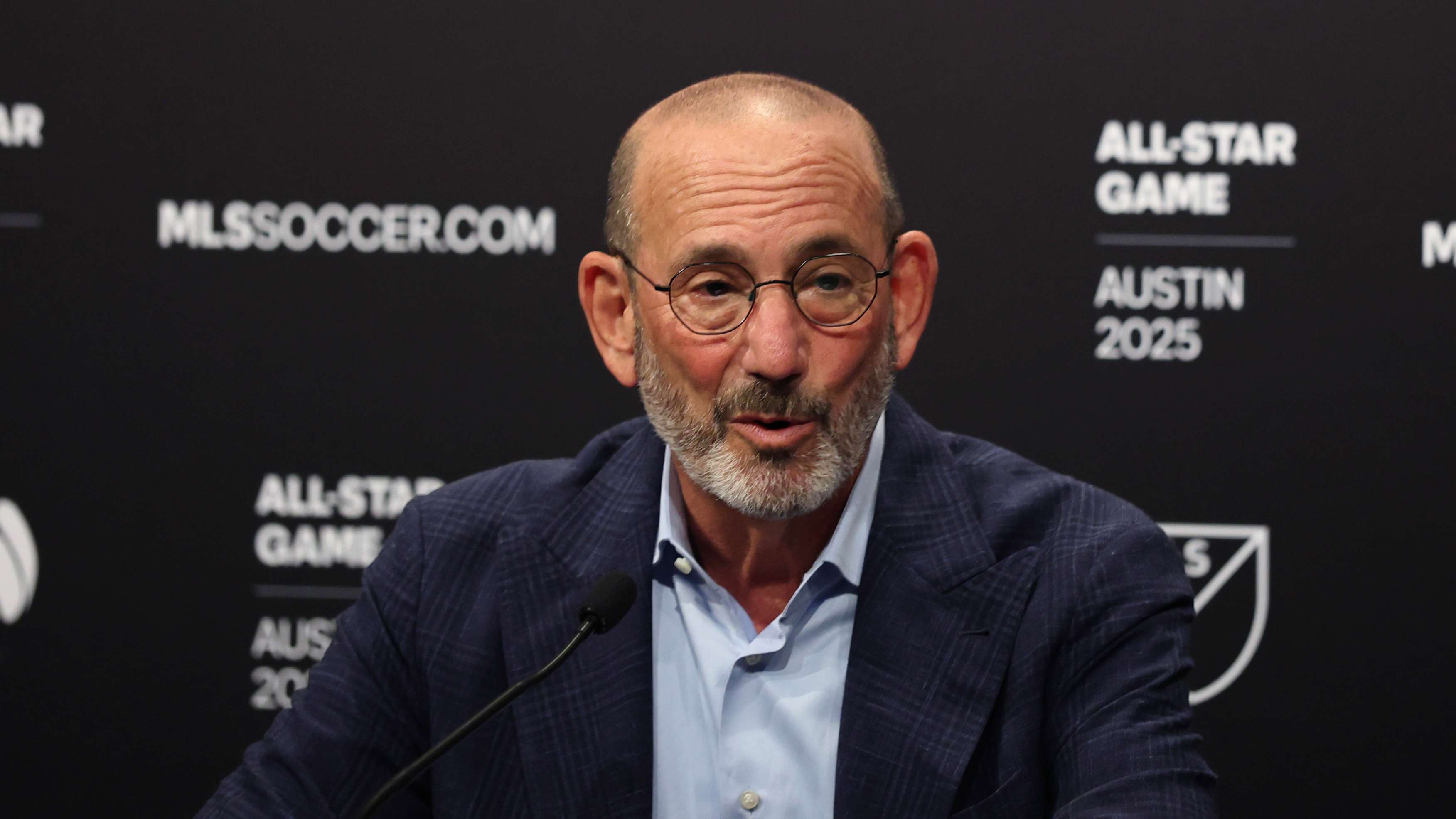
WASHINGTON - MLS Commissioner Don Garber delivered his annual State of the League address Thursday night at a glitzy event at Audi Field. It was familiar fare from the league’s top executive, who rattled through the past year’s achievements and offered a generous assessment of what comes next. To be fair, there’s plenty to shout about. MLS has unquestionably cashed in on Lionel Messi’s presence, and it now has a dream MLS Cup final: the league’s biggest and second-biggest stars facing off on Saturday.

But that wasn’t the only talking point. Thursday’s event was defined by the prospect of potential change, with Garber alluding to ideas that would have seemed unthinkable not long ago. Chief among them was promotion and relegation. For years, he flatly dismissed the concept as incompatible with American soccer. Now, though, he stopped short of ruling it out.

"Let's see how it plays out. Maybe as the development of the lower divisions continues to grow, as they've been doing so well over the years, there will be a proper ecosystem. Frankly, I don't believe that ecosystem exists today, but who knows? I've learned to never say never," he said, before adding, "that doesn't mean we're having promotional relegation."

And there were broader changes on the table. For a while now, he has touted "MLS 3.0" as his future vision for the league. In his eyes, that means further changes to a league that, after years of struggling to take big swing to grab a bigger foothold, has finally started to take calculated gambles. It started with a calendar switch, announced last month. It will continue with new stadiums and perhaps a new approach to the TV deal.

"It will elevate the overall quality of play on the field," Garber said. 

But other changes might come, too. Everything at this point is a bit speculative - and Garber is a true pro when it comes to navigating the peppering of questions from curious journalists. Still, his tone was one of optimism, and perhaps a little bit of a victory lap as the league nailed its 30th season. GOAL takes a look at the main takeaways from Garber's yearly summary of the league...
  • Opening the door to promotion and relegation

    It is the question that is always asked of American soccer. When will it align with the rest of the world? When will it embrace that crucial facet of the game that real soccer fans know too well. Those who watch European football week in, week out will tell you that promotion-relegation is a core part of the sport. The United States has avoided it for years. And Garber has routinely batted the question away, too.

    But on Thursday evening, he was curiously noncomittal.

    "Back in the day, I would say 'never.' Today, I say there's no real point of saying never, because I don't know what the future would look like," he said. 

    His remark came on the back of another major change as part of MLS's so-called MLS 3.0 initiative: a switch to a fall-spring calendar. That, too, has been a point of contention that the league seemed eager to avoid. Garber admitted that making that change could leave an opportunity to others.

    "I certainly never thought we would adapt to the international calendar. I remember getting those questions saying, how could we play in eight cities in cold weather? Now we have fans that are coming out from thick and thin, and I believe that with 92 percent of our schedule being exactly the same will have no impact at all," he added.

    It also comes in the context of other shifts in U.S. soccer. USL recently announced it is introducing promotion and relegation to its leagues, with a 2028 target start date. There is perhaps tangible pressure in a way there wasn't before. 

  • Advertisement
  • MLS Commissioner Press Conference - 2025 MLS All-Star GameGetty Images Sport

    Eyes on competing with the world’s best

    This had been coming for a while, Garber admitted. MLS first started tinkering with the idea of a calendar switch a few years ago. But it took some time to come together. There were variables to consider here: retaining the authenticity of MLS, weather, clashing with other parts of the American sports calendar. Yet last month, MLS officially ratified what it perhaps should have done a long time ago, and moved their dates of play to something roughly similar to a European calendar. The season will start in the late summer and play until late Spring, with a break in the winter to account for harsh weather and give players a mid season break. 

    Perhaps more importantly, though, it will see MLS mix in with the usual cadence of the global market. It's been a no-brainer for years, and Garber lauded it getting over the line.

    "This decision aligns our transfer windows with the top leagues in the world, reduces conflicts with international windows, elevates our playoff schedule and will unlock new commercial opportunities," he said. 

    Of all the things to shout about, this was surely the one where Garber could take the most pride. 

    "We're not just aligning with the world's best. We're aiming to compete with them," Garber said. 

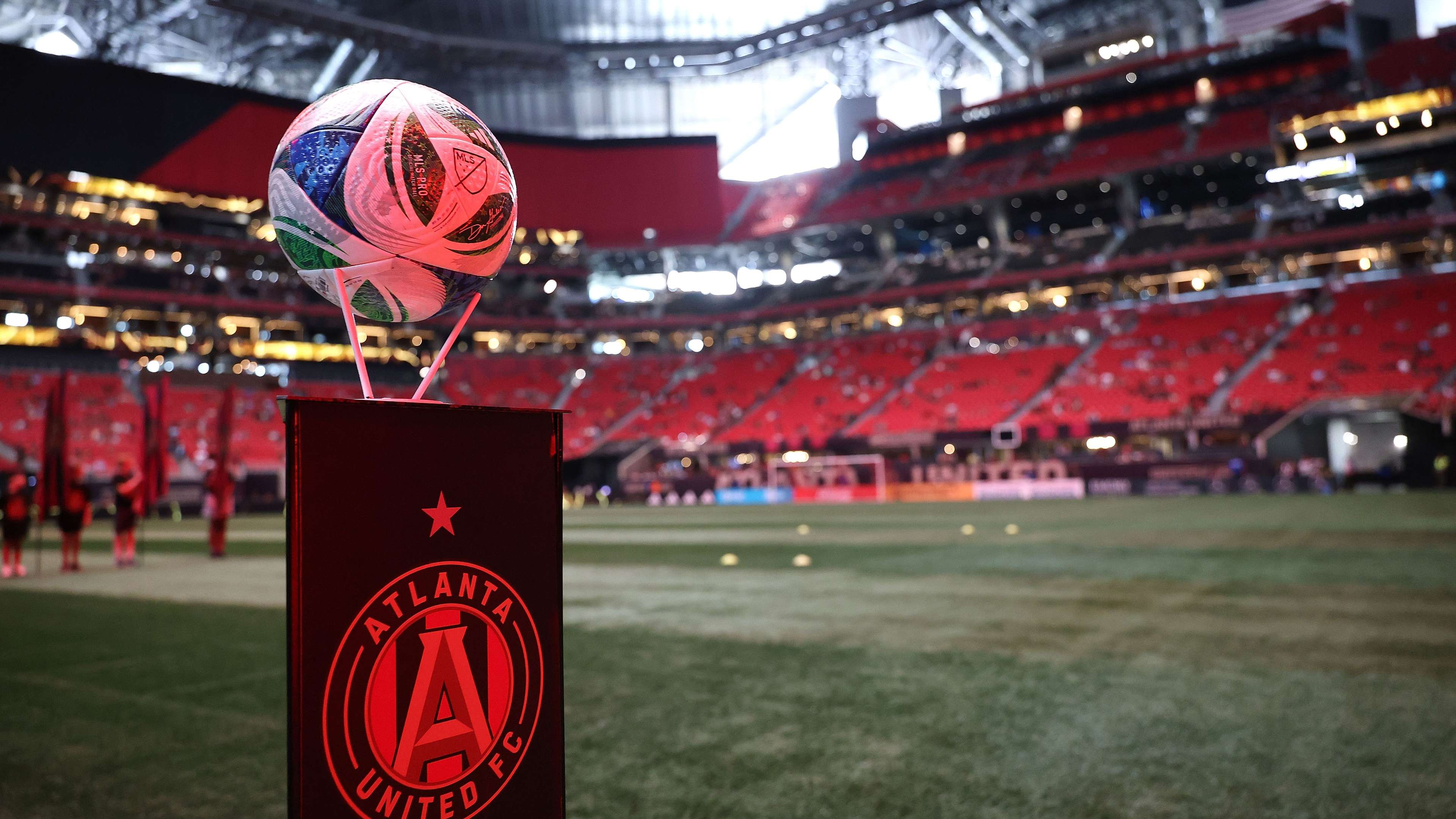
  • Atlanta United v San Diego FCGetty Images Sport

    What the World Cup means

    In 1994, the United States had to do something with its domestic league. More accurately, it had to actually form one. The primary condition of the U.S. hosting a tournament, in fact, was that they start a professional setup to kick off either the year after or soon following the '94 tournament. Back then, it was a question of momentum. America had been shown soccer, now it had the chance to shape the sport in its own way.

    "The 1994 World Cup became the most attended World Cup in history, a record that still stands today. It captured the imagination of our entire country, and it ignited a soccer movement across North America, and importantly, the World Cup laid the foundation for the lead that we promised FIFA we would deliver," he said.

    This time, the U.S. doesn't have to put on a World Cup. But Garber intends to use it as an inflection point. And after hinting at it for a while, he expanded. This is supposed to be a showcase.

    "In 2026, we will show the world how far we've come and how much bigger and better and more popular our sport will be in the future," Garber said.

    It's impossible to predict, of course. There is a chance that MLS doesn't take strides forward, and the league runs in place. But Garber insisted that the pieces and the initiative are there. 

  • Inter Miami CF v New York City FC - Audi 2025 MLS Cup Eastern Conference FinalGetty Images Sport

    The impact of Messi staying

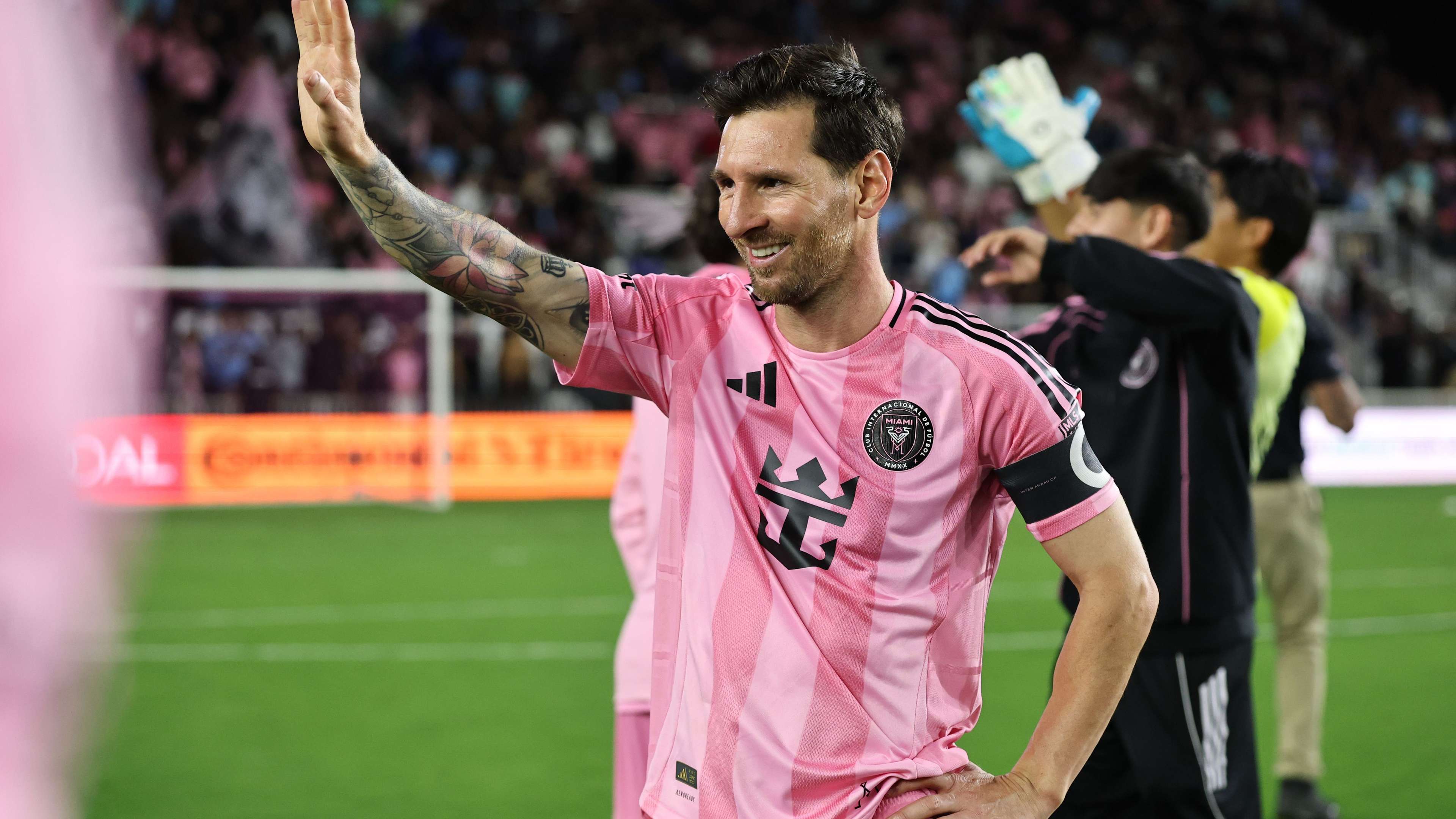
    Of course, Garber had to talk about his main man. It is impossible to overstate just how significant Lionel Messi's impact in MLS has been. Suddenly, there are eyes when there weren't before. This league feels that little bit more relevant on the global stage. Some people now care who didn't before.

    He's been around for two years now, and just penned a three-year deal to stick around for Inter Miami. As a result, he will be in the mix to compete for further MLS Cups, represent Miami in their brand new stadium and, undoubtedly, draw another star or two to MLS - to play with him or otherwise. Garber has repeatedly insisted that this league is about more than just the eight-time Ballon d'Or winner. But his influence was a topic: 

    "Global superstars, as we all know, are making MLS their league of choice on Saturday, the greatest player to ever play the game, Leo Messi, will go up against another World Cup champion and one of the world's most decorated players in Thomas Muller," he said.

    Critics remain skeptical of Messi's impact. His lack of media appearances has been questioned by some. But the eyeballs he has drawn cannot be ignored.

  • Philadelphia Union v Orlando CityGetty Images Sport

    Apple TV and the changing of the deal

    When MLS announced a 10-year, $2.5 billion deal in 2022, it was a massive payday, but MLS was taken away from national broadcasts as a result. There was a league that needed eyes, slightly mortgaging its future behind a paywall. Sure, it was a massive payday, but MLS was taken away from the national spotlight as a result. Making would-be-viewers pay a premium to tune in was a puzzling move. Thus far, the results have been a little mixed. The league has been loathe to release viewing data, and it's unclear how, exactly it has worked.

    Things changed significantly last month, though, when it was announced that MLS and Apple agreed to end their deal early, terminating the contract at the end of the 2028-29 campaign. Garber admitted there were some imperfections - and they needed to pivot.

    "Good businesses think about having the planning and strategy to go into making the right decisions and having the courage to pivot, to evolve those decisions, if it's not delivering everything that we're looking to deliver," he said.

    The news that MLS would be available with a standard Apple TV subscription came soon after. Garber, for his part, insisted the deal has been nothing but a success - and the early end just opens up the options.

    "We had a deal that was a revenue sharing deal based on the subscriptions. When that went away, we sat down, didn't take a lot of time, and said, 'Let's redo our deal,' and that has a different term and some other elements. They couldn't have been better to work with. They couldn't have been smarter to work with. They've been great partners," he said. 

  • Mauricio Pochettino, USMNTImagn

    Wishing the USMNT the best

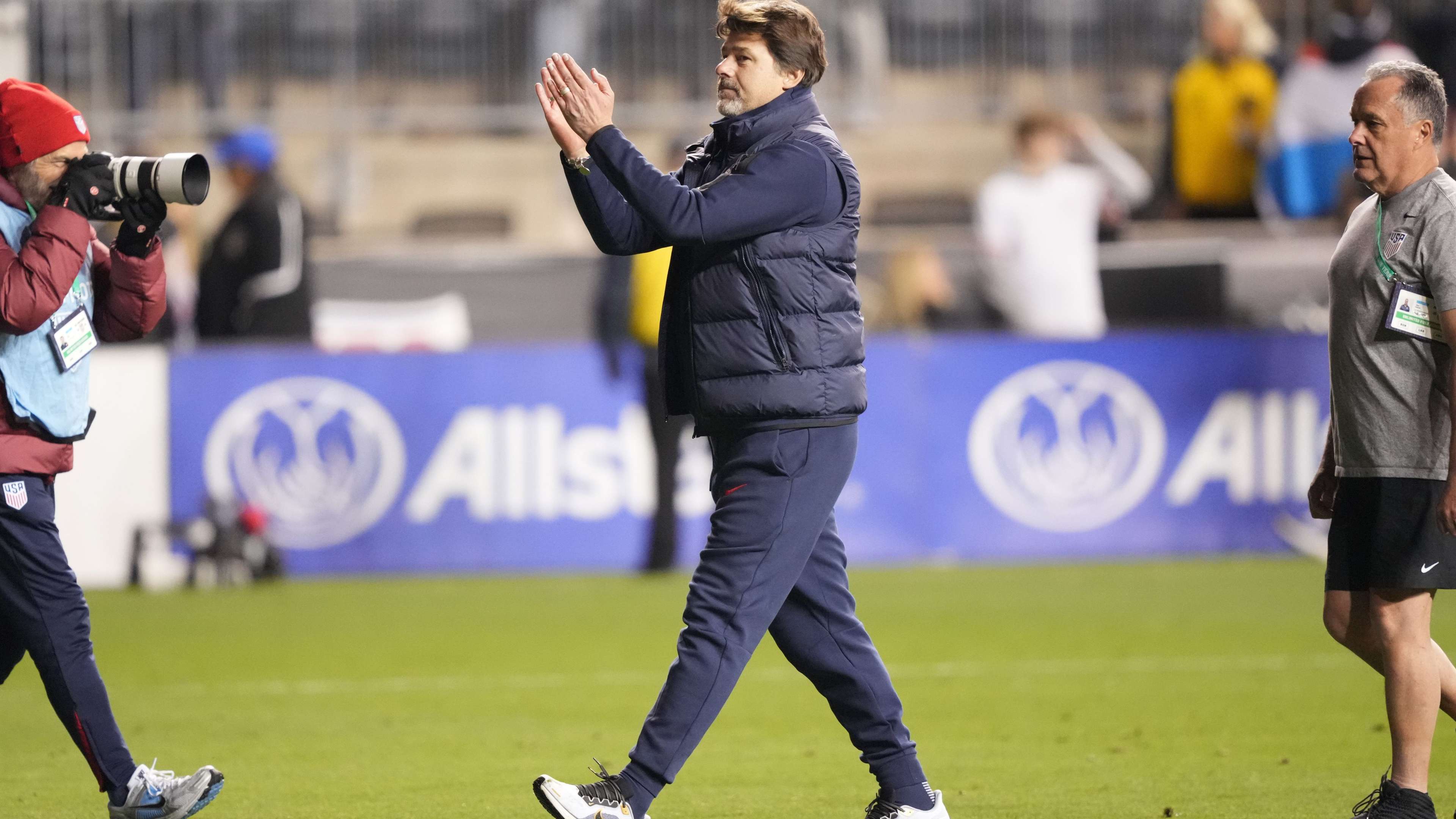
    Garber was full of praise for U.S. Soccer and perhaps it’s due to Pochettino's embracing of MLS talent. In the past that hasn’t always been the case, Jurgen Klinsman was reluctant to dip into domestic soccer, based mostly on the assumption that those who play week in, week out in Europe were simply better. 

    It has led to some friction in the past. But Garber insisted that his relationship with Pochettino is strong

    "I have a very close relationship with our national team coach. I think this is the best relationship we have had with US Soccer in my 26,27 years. There's an integration of thought and strategy," he said.

    It helps, of course, that Pochettino has repeatedly picked MLS-heavy squads. And Garber praised the manager for doing just that. 

    "I will be cheering for our national team. And I hope that Mauricio picks a lot of MLS players, and they can hopefully lift the trophy," he said.