
UEFA presented with final proposal for Super League project that would include dramatic evolution of current Champions League format and free-to-air broadcasting package
 Carl Recine
From war to peace: a secret deal in the making
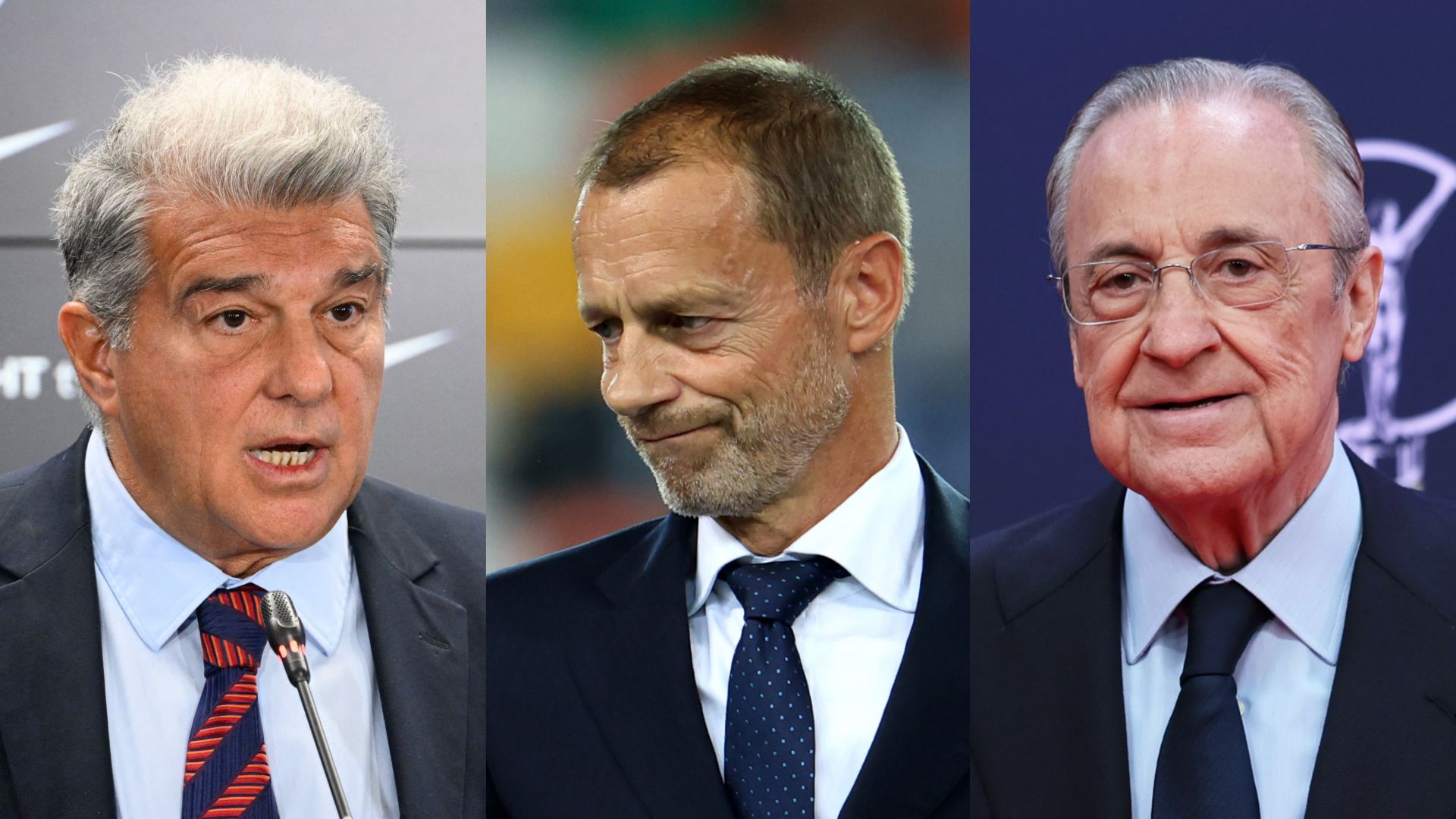
Since the infamous Super League breakaway fiasco in 2021, tensions between UEFA and Europe’s elite clubs have simmered beneath the surface. But now, after seven rounds of discreet meetings, some even taking place inside UEFA’s own headquarters, both sides are finally edging toward a compromise. The goal? A revamped European competition that keeps UEFA in charge, satisfies the big clubs’ financial ambitions, and prevents the re-emergence of a rogue Super League.
.png?auto=webp&format=pjpg&width=3840&quality=60) Getty/GOAL
Getty/GOALA new “super” champions league format
Under the proposal, the Champions League would remain by name, but with a bold new look. The current 36-team setup would stay, yet the structure would be split into two separate groups of 18 clubs each. The top 18 clubs, ranked by UEFA coefficients, would face off in eight blockbuster first-phase matches against fellow heavyweights. Meanwhile, the lower 18 clubs, ranked 19th to 36th, would play their own eight fixtures, a mix of competitive, evenly matched encounters determined by draw. Qualification for the tournament would still come via domestic league performance, keeping national competitions relevant.
 Getty Images Sport
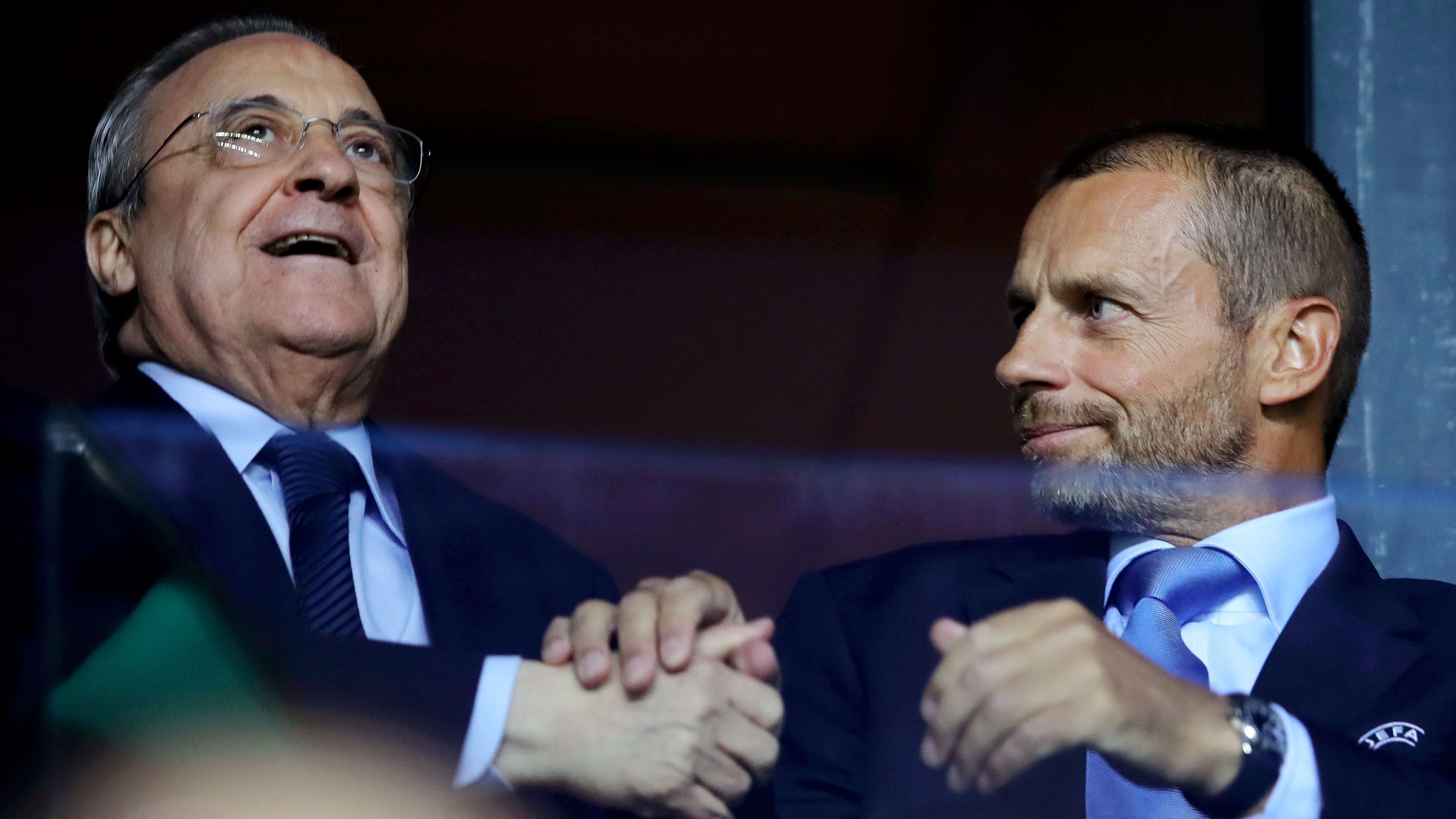
Relations thawing between rivals
What once seemed an irreparable divide between UEFA and the Super League has softened dramatically. Sources close to the discussions reveal that relations have improved beyond recognition, with both parties showing genuine intent to reach a peaceful settlement. Accepting the Super League’s latest offer could end years of hostility and reshape the European game for decades to come. Rejecting it, however, risks reigniting the feud that once threatened to tear football apart. The new format might see daylight in 2027, when the current broadcasting rights for the Champions League will expire.
ENJOYED THIS STORY?
Add GOAL.com as a preferred source on Google to see more of our reporting