MLS Rondo GFXGOAL

The Rondo, new MLS commissioner edition: Is Larry Berg the right man for the job? What are his biggest challenges, and what changes does MLS need?

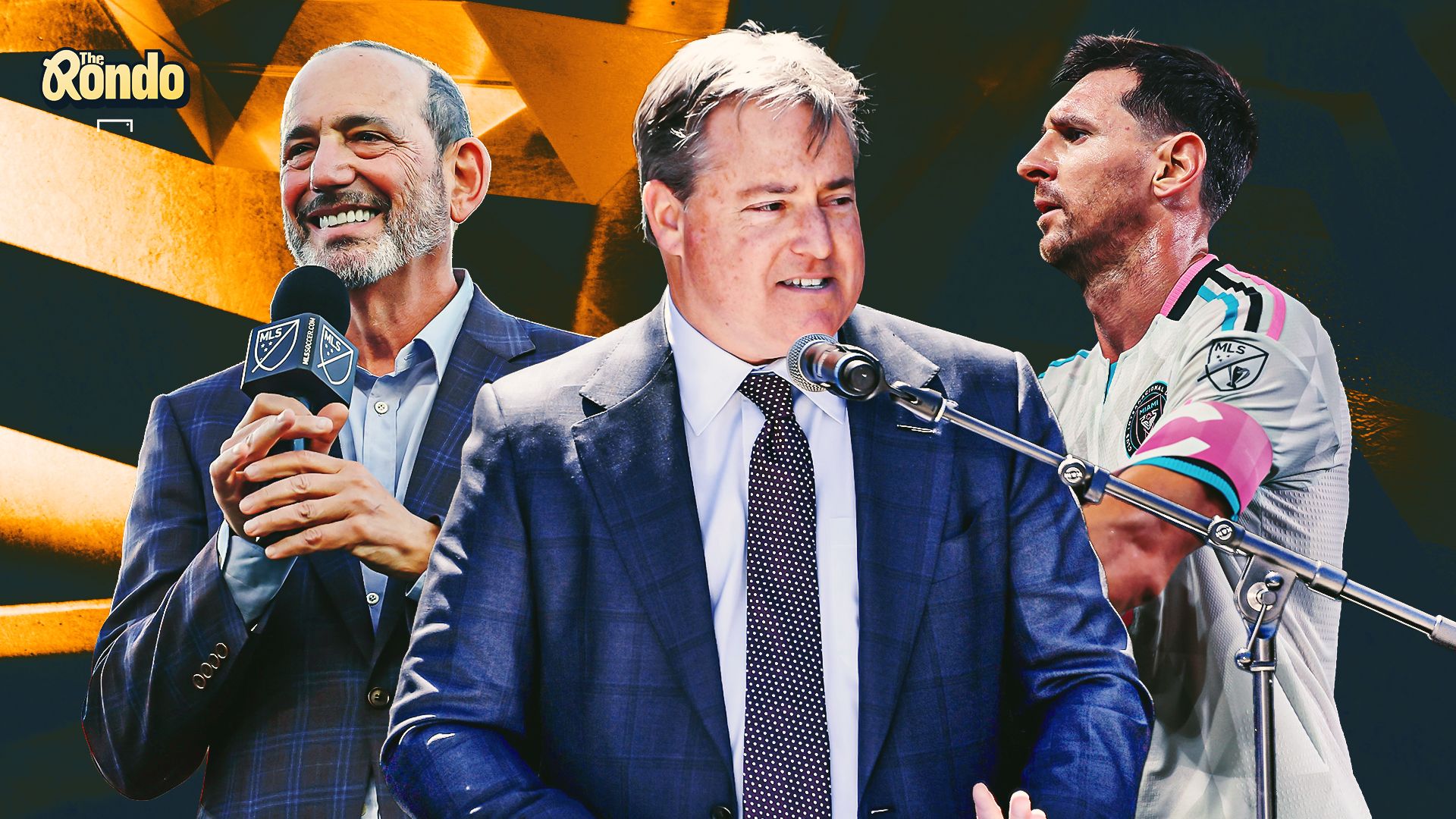
Thanks, Don Garber. Larry Berg will take it from here. For the first time since 1999, MLS has a new commissioner.

Garber is stepping away from the position at the end of this year, and he will be succeeded by Berg - though the current commissioner will remain as a chairman. It seems a pretty shrewd appointment. Berg's resume is as solid as they come. He knows the league. He has won competitions as a co-owner of LAFC here. He has helped build out the framework of many new sporting initiatives that have allowed MLS to be ambitious.

It's not exactly a jaw-dropping appointment, but it is a tidy one. Berg, at the very least, probably won't screw this thing up.

Obviously, that's a good thing. But what does Berg bring to this role that Garber didn't? Is this a steady line of succession, or a bit of a shake-up? And, fundamentally, is Berg the right man for the job? GOAL writers debate the appointment of MLS's new main man...

  • Larry BergGetty

    Thoughts on MLS's decision to hire Larry Berg

    Tom Hindle: The right decision, if it is a little bit uninspiring. It feels very "hire from within", which is probably what the league needs. Berg has been among those charged with building "MLS 3.0", and he would seem to have the right attitude to think about taking MLS into its next era. This is a sport, and it seems a good sports decision.

    Ryan Tolmich: A strong indication of where priorities lie. Rather than going with a former FOX executive, David Nathanson, which would have indicated that broadcast rights were the focus, the league's owners opted for Berg, indicating an increased prioritization of the product itself. We'll see how radical Berg is, particularly compared to his predecessor, but there will surely be changes coming.

    Alex Labidou: Overall, the decision makes sense. MLS is a complicated league, and Berg should understand it well, having served as a co-owner of one of its most successful clubs in LAFC. Still, considering the league’s growth and the soaring valuations of its clubs, this feels like a safe choice rather than a swing-for-the-fences hire. Berg offers continuity, but time will tell whether MLS needed something bolder.

  • Advertisement
  • GarberMLS Soccer

    Did MLS make the right call by sticking within the league for its hire?

    TH: Yes - in a sense. Berg was the ready-made hire and he was basically right there. If there hadn't been an inspiring internal candidate, then MLS can have its critics. But this seems the right choice - as long as Berg brings some fresh ideas to the fore.

    RT: Ultimately, the role of commissioner is simple: make money and take heat for your owners. You're the figurehead and the lightning rod, but the decisions will still be made by the league's owners. If this makes that relationship work well, then fine.

    AL: Largely, yes, because of MLS’s complexities. Still, the decision to hire an insider rather than bring in a fresh set of eyes will linger over the league, especially considering the challenges it faces.

    Former Fox executive David Nathanson might have been well-equipped to address the league’s biggest remaining challenge: its media footprint and revenue. At various points, names such as Big 12 commissioner Brett Yormark and Christian Seifert, the former CEO of the German Football League, were reportedly linked with the role. It is also worth remembering that MLS hired Don Garber away from the NFL before his transformative, nearly three-decade run. Time will tell whether sticking with an insider was the right call.

  • Philadelphia Union v Orlando CityGetty Images Sport

    What is the most pressing issue Berg will need to focus on when it comes to MLS?

    TH: Well, it's tough. You can talk about "product on the field" as much as you want, but that's a steady growth thing over time. The commissioner himself can't really do all that much about that alone. It's got to start, really, with salary rules, and giving teams the ability to spend more. Why should media companies invest in an unspectacular product, especially if it doesn't have loads of ambition?

    RT: The on-field product. American fans are smart, and they want to watch something better than what the league is offering at this particular moment. So how do you fix that? Increase spending, increase flexibility and, most importantly, increase talent to a level where the casual fan has reason to take this a little bit more seriously.

    AL: TV and media is the issue Berg has to solve if his tenure is to be considered a success. Garber did plenty to grow the league and establish a respectable product, but turning that growth into a consistently large audience and significantly greater media-rights revenue was always his white whale.

    Media rights help drive the NFL, Premier League and NBA forward. MLS’s agreement with Apple runs through the 2028-29 season, meaning Berg will oversee the negotiations that could define the league’s next era. He must find a partner - or combination of partners - that will increase investment, expand the league’s reach and deliver a compelling broadcast product that audiences want to watch and media companies want to keep paying for.

  • ENJOYED THIS STORY?

    Add GOAL.com as a preferred source on Google to see more of our reporting

    Add as preferred source on Google
  • Seattle Sounders campeones Leagues Cup 2025Getty

    What idea would you pitch to Berg to help grow the league?

    TH: Bring in outside perspectives. Yes, MLS is very much its own product that exists in its own ecosystem, but this thing needs fresh ideas chaired by the right people. Berg isn't an idiot. He knows that roster rules are constrictive and the playoff system needs a shot in the arm. But there need to be new voices here. And since we're here, think about merging with USL and implementing promotion-relegation.

    RT: Take off the shackles. Everyone knows MLS needs to spend, but, to get a return, MLS has to spend big. The average fan couldn't tell you the difference between an MLS game, a Championship game, and a Liga MX game based on style alone, but they sure as hell can tell the difference between an MLS game and a Champions League game. If you want to make people care, you have to make up the gap, and you can't just make it up a little.

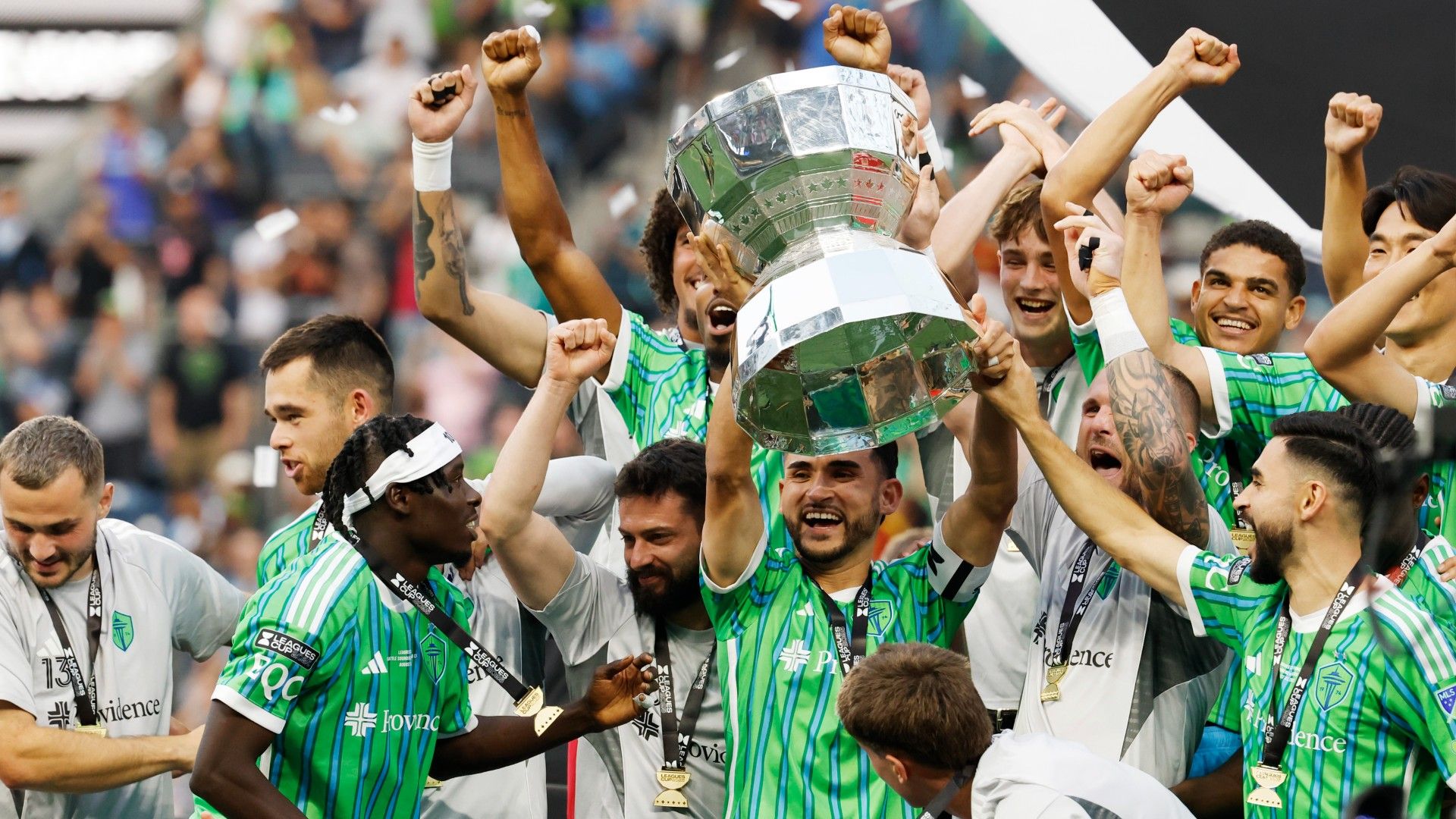
    AL: It’s time to evolve Leagues Cup into something more impactful and interesting. The rivalry between MLS and Liga MX is real, but between the CONCACAF Champions Cup, club friendlies, All-Star festivities and Campeones Cup, meetings between the two leagues have begun to feel oversaturated.

    MLS should work with CONCACAF and CONMEBOL to bring South American clubs into a reimagined competition. That would create something genuinely fresh and give MLS clubs an opportunity to prove that they can compete with the best teams across the Americas.

  • Lionel Messi MLS CupGetty

    What's one thing Berg should consider moving MLS away from?

    TH: Make it simpler! GAM, TAM, U-22s, DPs... bored yet? It's all so, so complicated. Give teams guidelines - say, three or four DPs, - and let them cook.

    RT: Streamline this stuff. All of the acronyms have served their purpose, and all American sports have their share of sport-specific nomenclature, but MLS has created this artificial barrier of entry for any new fans. Make a salary cap and floor, don't include transfer fees in it and make this stuff easy to understand.

    AL: Complacency. Berg must find a way to make regular-season matches feel more significant. There is excitement at the beginning and end of the season, but the middle can become a slog, particularly when teams are well outside the playoff race.

    Part of soccer’s global appeal is the feeling that every match carries consequences. MLS does not have enough of that right now. Whether that’s considering a promotion-relegation situation or finding better ways to reward strong teams or penalize underperforming ones, something needs to be changed.

  • Thoughts on Garber's legacy?

    Hindle: Well, he was the guy who inherited a dumpster fire and, albeit steadily, took MLS from absolutely nowhere to a pretty compelling setup. MLS is not a top five league (it might never be). When the rubber meets the road, its best teams can't really compete with the best of Liga MX. But it's a good product, packaged nicely, featuring loads of good talent. Garber deserves plenty of credit for being the architect of that in nearly 30 years in the job.

    Tolmich: His legacy is one of survival and progress. The league was in no man's land when he arrived and now it is stable, successful, and poised for more. He may not have been able to get the league to that next step of competing with the elite, but he kept the ship sailing long enough for MLS to have a chance, which was no small achievement. Without Garber, MLS may not exist so, for all of the league's problems, it is in a much better place than it could have been.

    Labidou: There is no questioning Garber’s success or impact. He was the transformational figure MLS needed to survive, turning a league fighting for relevance into an increasingly valuable part of the American sports landscape. According to Sportico, MLS clubs now have an average valuation of $767 million, and Garber helped make the league a credible destination for stars such as David Beckham, Thierry Henry and Lionel Messi.

    At times, his public ambition and strong-arm approach worked against him. His declaration that MLS could become one of the world’s top leagues by 2022 did not age particularly well, while his attempt to dramatically reduce the league’s participation in the historically important U.S. Open Cup damaged relationships within American soccer.

    Still, Garber made MLS an extraordinary investment opportunity. Now, it is up to Berg to turn it into a stronger and more compelling sporting product.