
WSL VAR compositeGetty/GOAL

'Has got to change' - VAR is not the answer to the WSL's 'embarrassing' refereeing woes

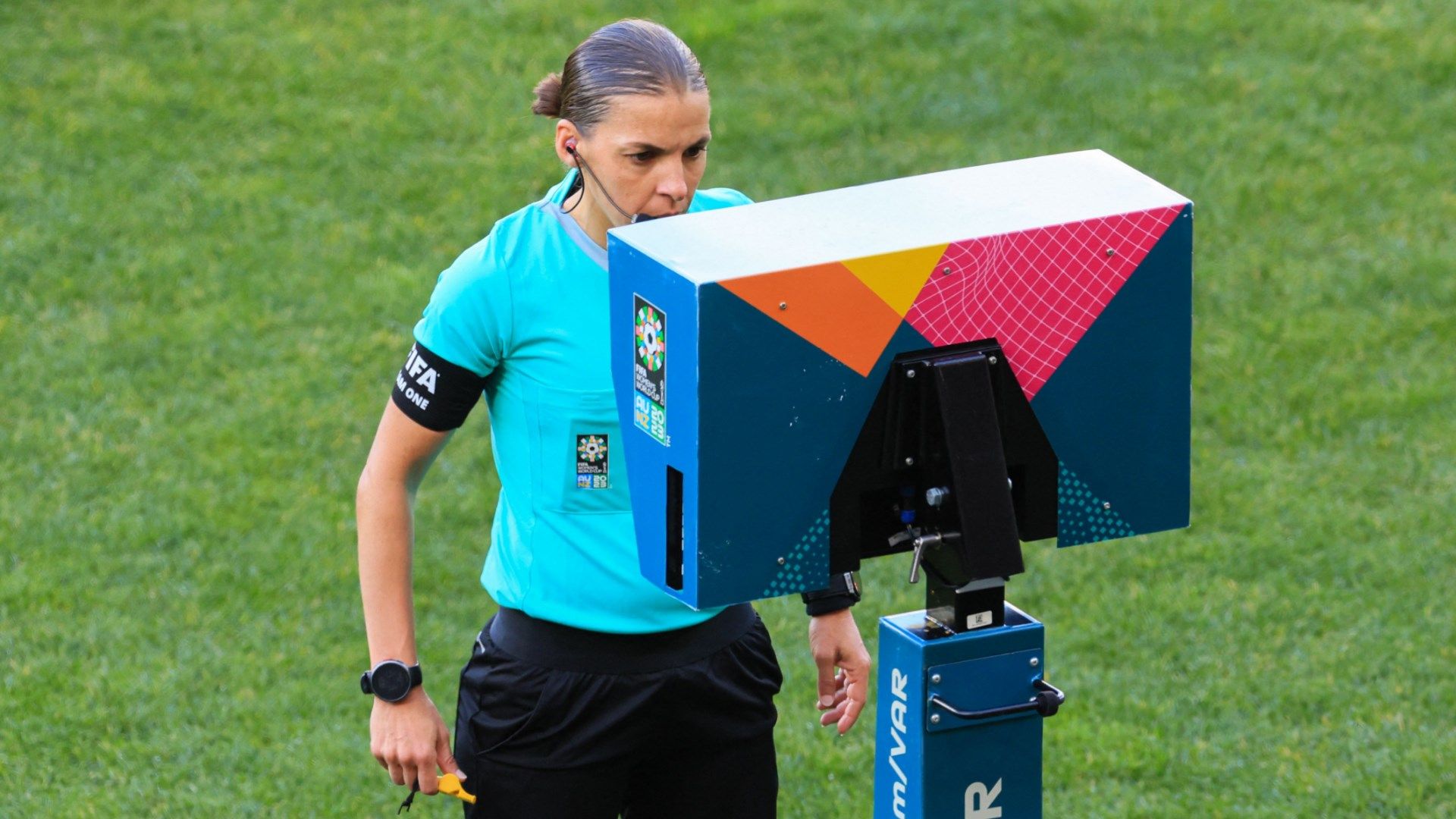
VAR is by no means a popular piece of technology. Throughout its integration into football over the last few years, it feels like it has caused more controversy than it has solved problems, with there strong calls for its total abolition, even, in recent times. But despite all the commotion, this past weekend has seen desire for its implementation in England’s Women’s Super League grow further.

On Sunday, relegation-threatened West Ham thought they had equalised against champions Chelsea with a well-worked goal that ended in Honoka Hayashi cleverly finishing past Hannah Hampton. Yet, though the Japan star was at least a clear yard onside, the assistant’s flag ruled it out.

After the Hammers’ eventual 2-0 defeat, manager Rehanne Skinner did not mince her words. "It's not good enough,” she told Sky Sports. “The bottom line is, if that's how I operated in my job, I wouldn't be in my job. A lot of people are talking about VAR and things like that, and if that's what we need to do to get results right, then that's what we need to do.”

Manchester United boss Marc Skinner was pondering the same possibility just 24 hours earlier. The Red Devils were eventually soundly beaten by rivals Man City on Saturday, but the goal that broke the deadlock, after United had started the better of the two, should have been ruled out for a clear offside.

“It’s a question isn’t it?” he said, asked about the prospect of VAR. “It’s hard. Of course it would affect this actual decision and in other games, I’m sure, other decisions. I just don’t think it can stand, a goal like that. It’s a derby. It’s a huge, huge game. The first goal swung the momentum Manchester City had going into the end of the first half – momentum when they didn’t have any. I felt they played within their shells until that goal. The cliché is ‘goals change games’ and it definitely did in this case.”

But while VAR would have rectified these two particular errors, and many others, it is not the long-term solution to the officiating issues the WSL is facing.
  • Bigger issue at hand

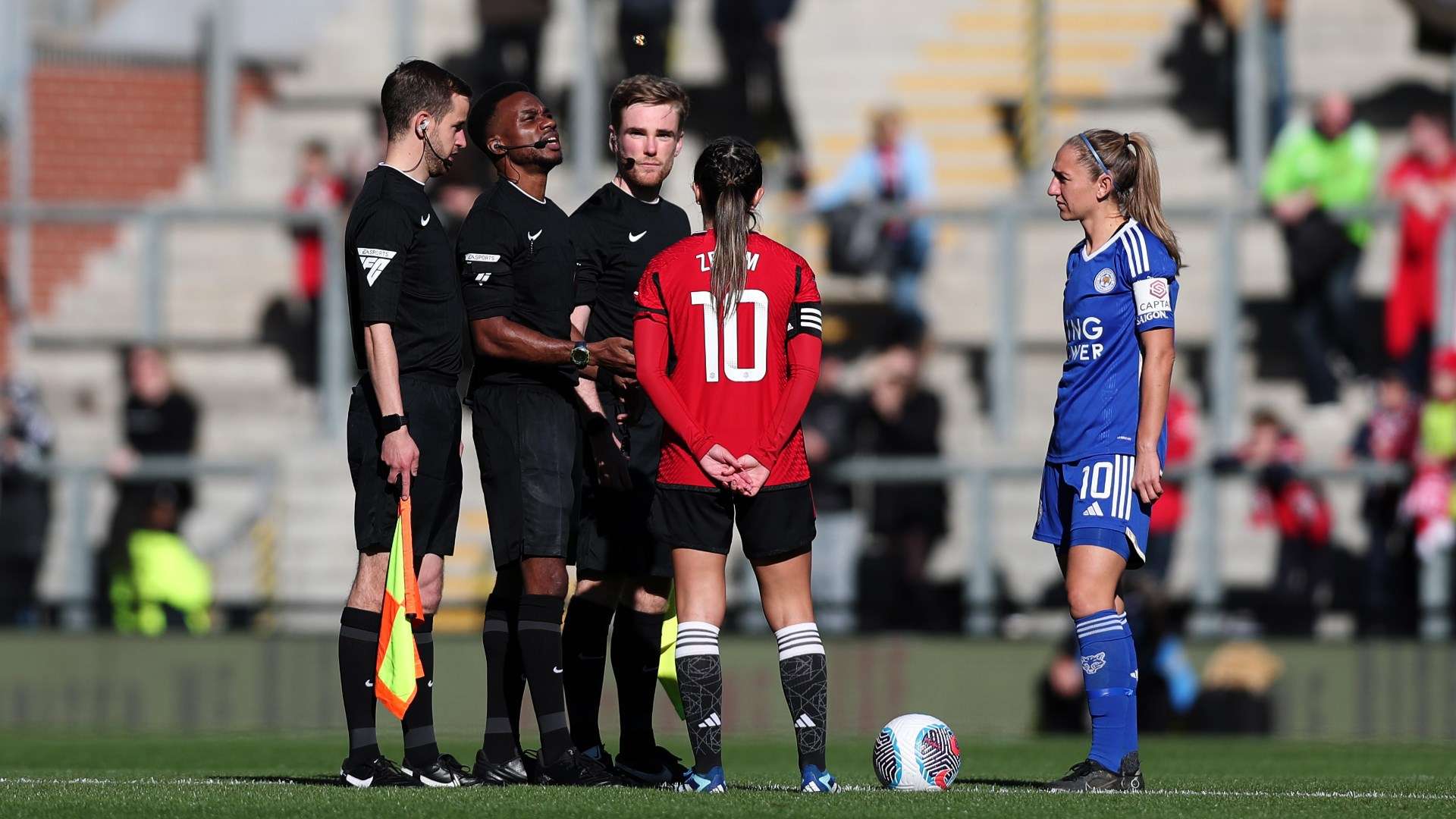
    Before any conversations about VAR, the WSL has to address the fact that its officials are all still part-time. While these officials are extremely dedicated to their roles and very professional in their application, it’s difficult for anyone to be the very best at a job that they are not working on a full-time basis.

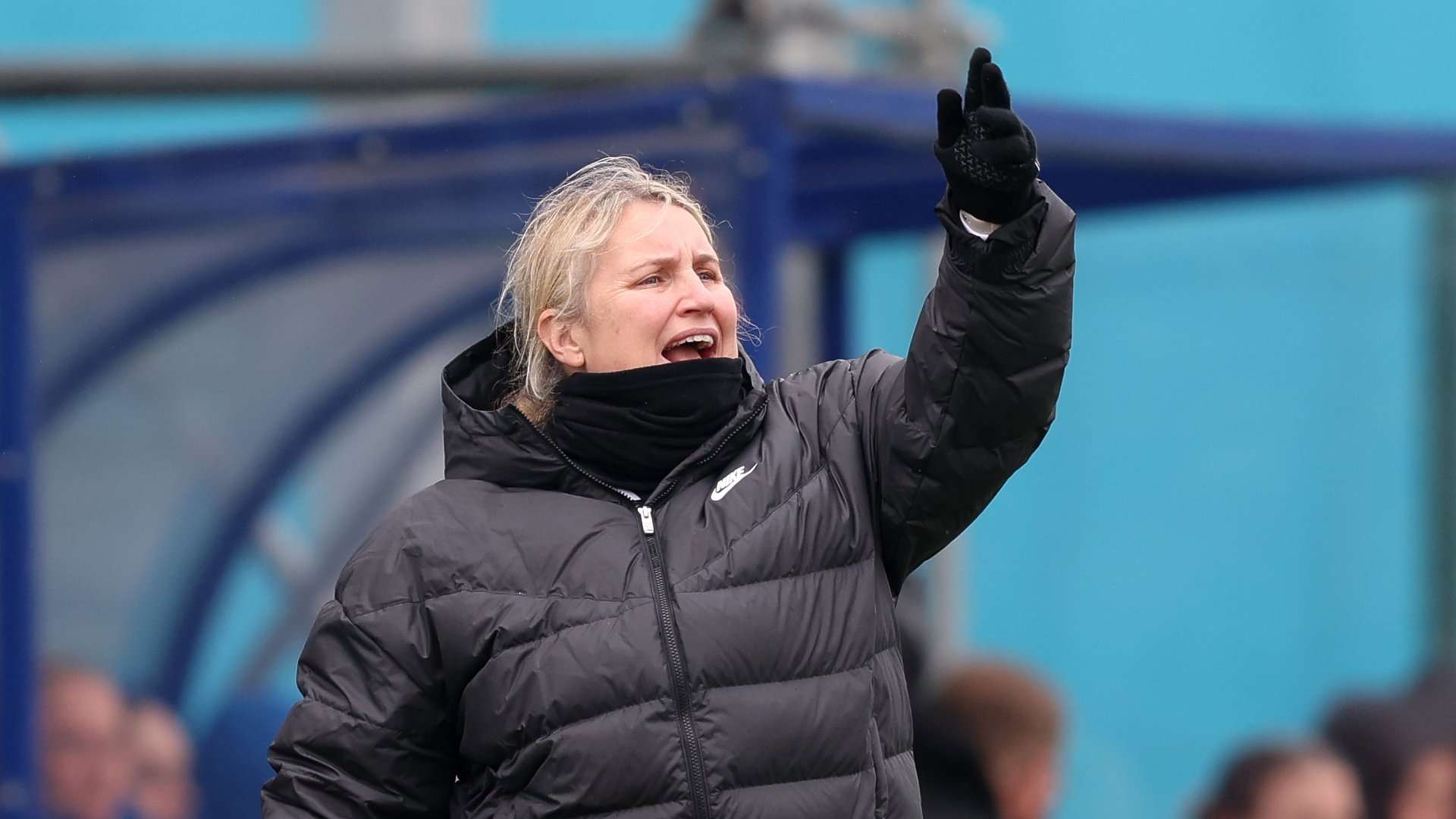
    That is where the focus has to be when it comes to this issue. Rehanne Skinner highlighted as much on Sunday, stating that the lack of professionalism “has just got to change”, and Izzy Christiansen, the former England midfielder on punditry for Sky Sports for West Ham’s defeat to Chelsea, agreed.

    “I think the investment and energy needs to go elsewhere, developing the officials in order to give them the opportunity to flourish professionally,” Christiansen said. “They need to become better equipped to make better decisions on the pitch. The more professionalism and training that is given, the better the decisions will become. It's a difficult one, but I'm not for VAR coming in yet. I want more professionalism for the officials.”

  • Advertisement
  • Emma Hayes Chelsea 2023-24Getty

    'Ludicrous' and 'embarrassing'

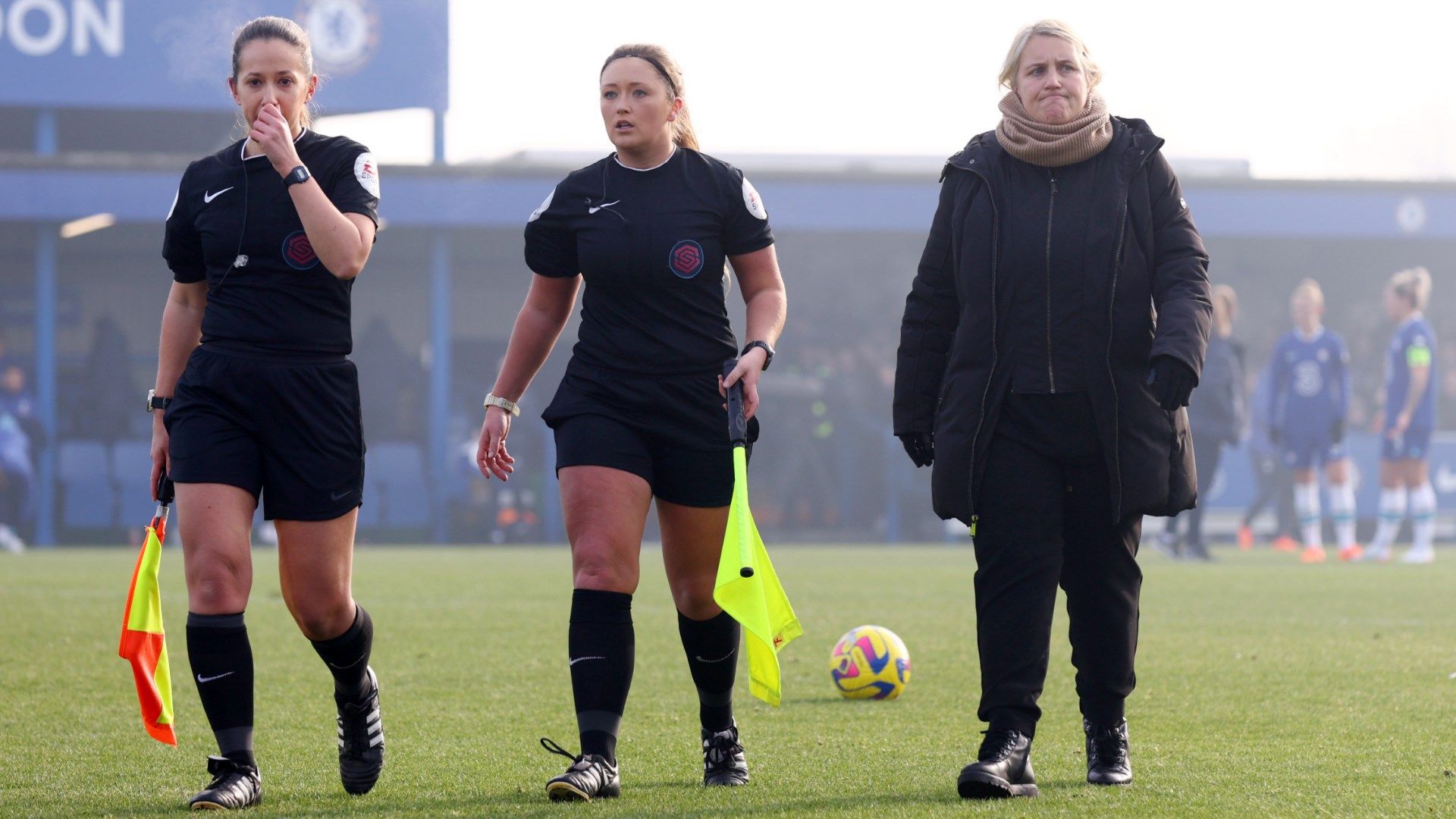
    There are other steps for the WSL to take, too. After all, the league doesn’t even have goal-line technology yet, something which has been in use in the men’s game for 10 years now. Its implementation has been extremely successful, and Chelsea boss Emma Hayes has called its lack of use in the women’s game “embarrassing”.

    Hayes made those comments after Guro Reiten was denied a goal against Tottenham earlier this season, even though the ball clearly crossed the line. "I want to know, why are we not investing in [technology]?" she asked Sky Sports after the game. "That has to be put to the board who make the decisions. It's embarrassing.

    "If this is the Premier League of women's football, the top level, we've already proven we can have VAR-lite, we had it at Kingsmeadow [the home of Chelsea’s women’s team] in a pre-season game. We need [goal-line technology] - it's ludicrous. We had it at the World Cup. We had it in the FA Cup final but not the semi-finals."

  • Jonas Eidevall 2023Getty

    Inconsistencies

    That inconsistency is another problem the women’s game faces. Often, things like VAR and goal-line technology can be in use sporadically, particularly in the latter stages of knockout competitions when games are regularly staged in bigger, showcase stadiums.

    But even in the elite competitions like the Champions League, the rules around technology are not consistent enough. Last season, after Arsenal thought they had equalised away at Bayern Munich, it was revealed that goal-line technology is not a mandatory requirement in the competition, but instead an optional one. So while VAR was in use at the Allianz Arena, goal-line technology was not.

    “Today, goal-line technology was not in use because Bayern Munich chose not to pay for it,” Gunners boss Jonas Eidevall explained. “When we go to the Emirates next week, Arsenal choose to pay for goal-line technology because we think that’s the right thing to do to ensure a fair competition.

    “I think it’s a problem for the competition that not every game has the same level of technology in helping the officials take the right decisions. It’s not Bayern’s fault. It’s within their rights to take that decision, but I think we can all agree it’s very weird that you play at a level in the competition and all of a sudden it comes down to the host club whether you’re going to fund technology that is going to be used by both teams.”

    While this was an issue specific to the Champions League, it highlights the inconsistency across the board that clubs in England, in Europe and beyond experience in the women’s game.

  • ENJOYED THIS STORY?

    Add GOAL.com as a preferred source on Google to see more of our reporting

  • Stephanie Frappart VAR 2023Getty

    Plenty to consider

    Stadia and its ability to have goal-line technology and VAR is also a factor. With many women’s teams playing at smaller stadiums throughout the season, often the homes of lower-division or even non-league men’s clubs, the WSL would probably need to adapt to implement technology in some arenas.

    That is where something like VAR-lite would be needed, as Hayes mentioned being used at Kingsmeadow, as opposed to the version used at the top level in the men’s game. How effective would that be on a regular basis? To answer the question would be to speculate, but it would have to be a product worth using, one that could make a positive impact and provide adequate support to the officials.

    If those officials were full-time, they would also be able to train to use a technology like VAR more, too. That is another problem. When VAR was brought into the Women’s World Cup in 2019, many officials were using it for the first time and, as a result, made errors even with it there to support them. It all goes back to giving the officials the time to hone their craft.

  • Referees WSL Man Utd Leicester 2023-24Getty

    Priorities in order

    This has to be a priority for the WSL’s new owners, NewCo, and it is good that it sounds like that will be the case. The company will take over the running of the women's professional game as of next season and if it wants to make significant improvements, it has to address the problems that officials face and the problems that so often arise from the lack of support they receive.

    “I think referees are really important. The better the refereeing, the better the product itself. It’s one of the priorities for sure,” Nikki Doucet, the CEO of NewCo, told reporters in January. “From a VAR perspective, it’s something we need to figure out, what’s the innovation going forward? Is that the right thing for our game, based on what’s been done in the men’s game? Is there a new alternative? It’s definitely something we’re looking at. A lot of the stadiums themselves just aren’t ready for that and so it will require an amount of investment.

    “As we go on this journey, it’s prioritising what has to be done first based on the resources and the investment that we have. It’s definitely something that’s a priority.”

  • Emma Hayes referees 2023Getty

    Vital step

    The WSL is one of the best leagues in the women’s game. The professionalism that exists throughout the division, the broadcast deals that have been struck in recent years and the quality of the product have all intensified its attractiveness across the globe, with top players from so many different countries keen to play in England.

    But, as Rehanne Skinner pointed out at the weekend, it has a long way to go. “The game has got so much growing up to do - it's not right across the board,” she told Sky Sports.

    There are a lot of issues this league has that can be ironed out to further maximise its potential, and officiating is one that crops up time and time again. Those in charge when these matches kick-off every weekend are doing the best they can, but they need more support - and making them full-time is one of the most important steps forward the league has to take.