This page contains affiliate links. When you purchase through the links provided, we may earn a commission.
Berhalter Reyna split Getty Images

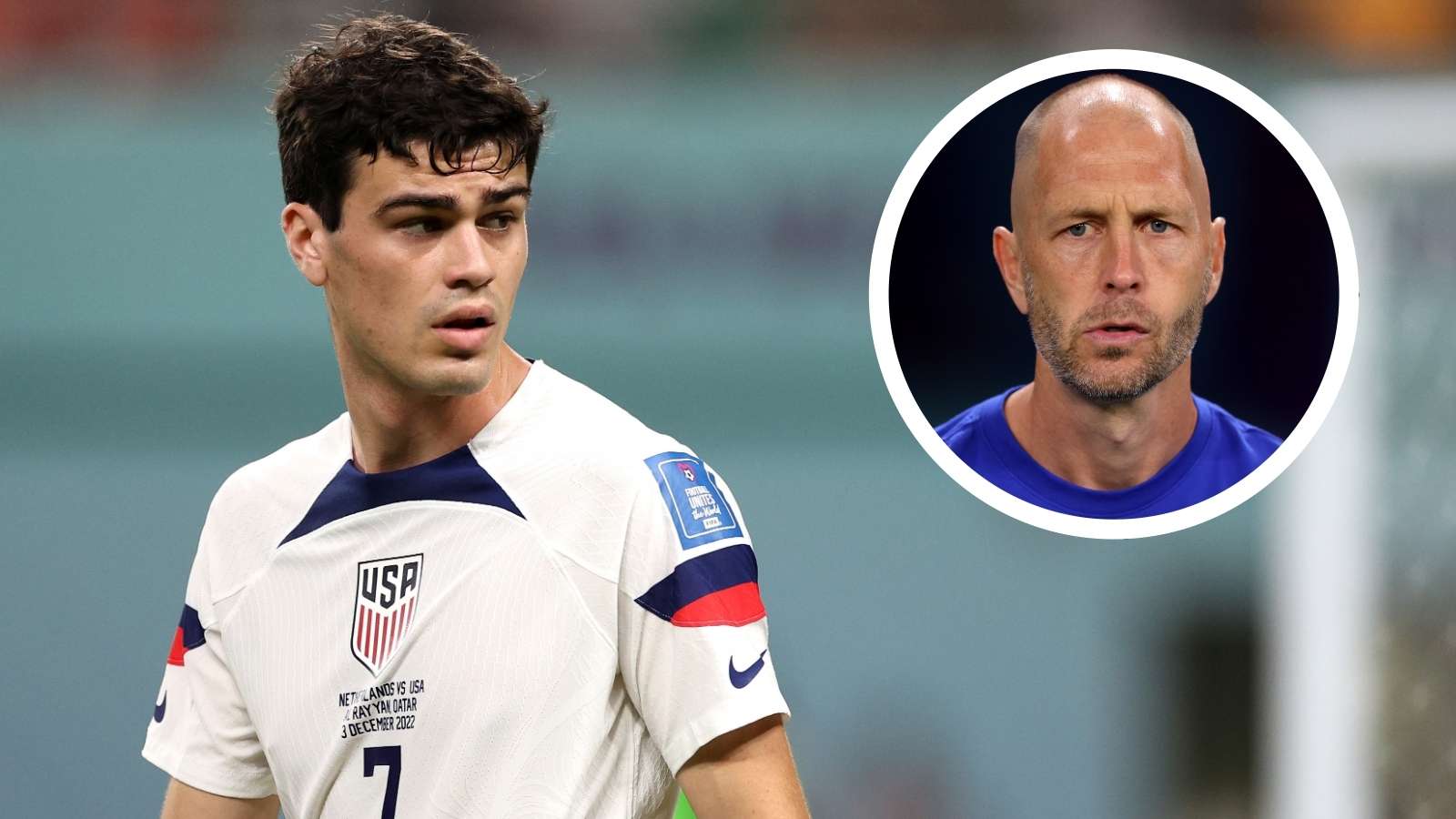
A message for Gregg Berhalter - this is how you use Gio Reyna properly & doing it right could define the 2026 World Cup cycle

It's safe to say that Gregg Berhalter and Gio Reyna have a lot to figure out. At some point over the next two months, the pair will need to get in a room together, sit down and talk, not as player and coach, but as people. What happened between the Berhalters and the Reynas is beyond soccer, and they need to find a way to put that behind them.

That's one thing, and the most important thing, for them to figure out. After the personal side is behind them, though, the focus will turn towards soccer, and there's a lot to work out there too.

Much has changed for Reyna with the U.S. men's national team since Berhalter's departure(?), and we're not just talking about that bleach-blonde hair. Both Anthony Hudson and B.J. Callaghan have used Reyna in a way that Berhalter refused to, deploying him in a central role that, seemingly, gets the most out of him.

And, as the World Cup cycle now truly begins for the USMNT, maximizing Reyna's impact is one of the most important things on the agenda. Luckily for him, the two interim coaches may have left him with a pretty good blueprint.

This page contains affiliate links. When you subscribe through the links provided, we may earn a commission.

Sign up here for MLS Season Pass through Apple TV and watch every MLS match, including the playoffs!
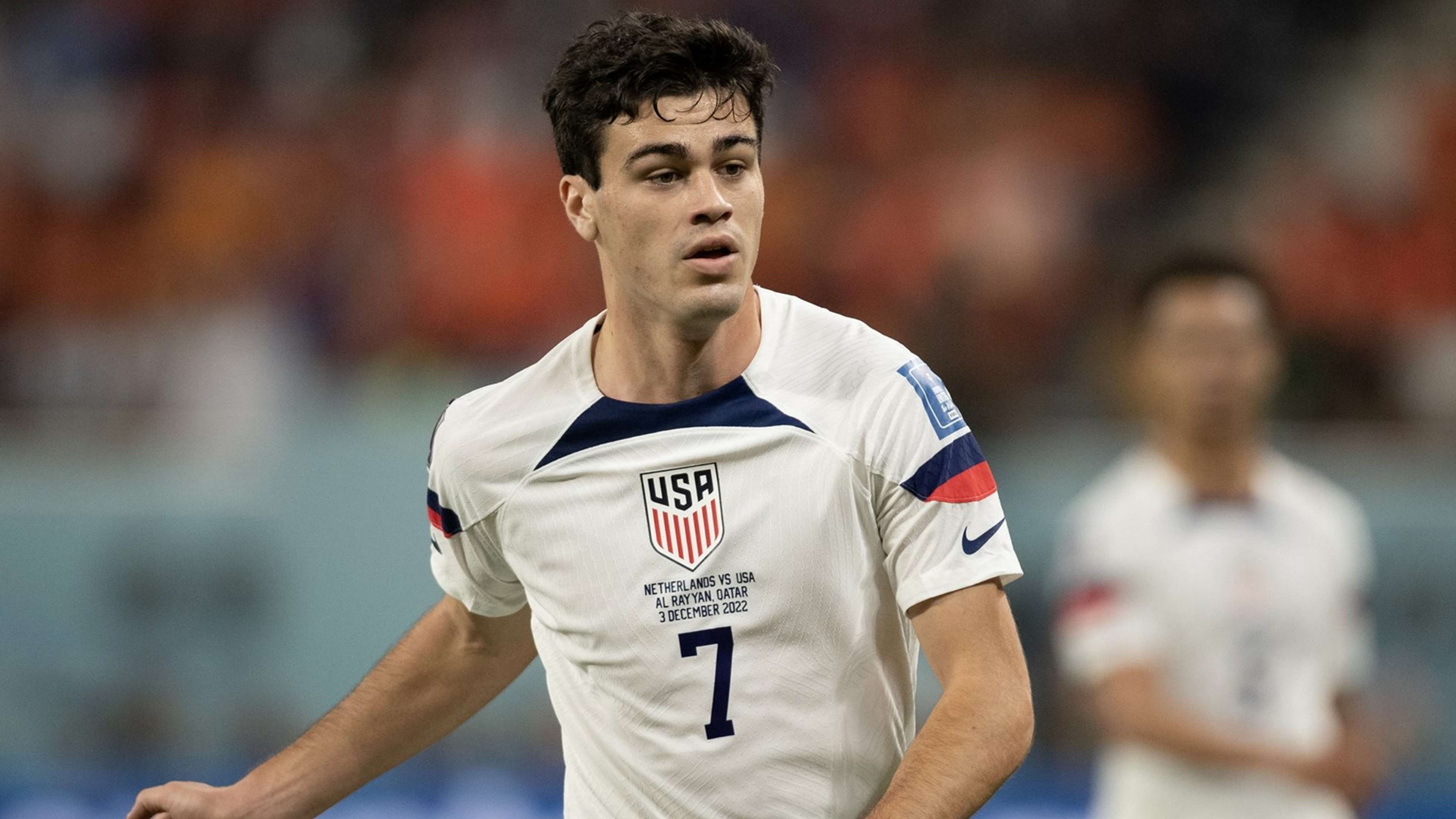
  • Gio Reyna World Cup USMNT disappointedGetty Images

    Berhalter's tactics

    For much of Berhalter's original tenure, Reyna was identified exclusively as a wing player. There isn't anything objectively wrong with that. He plays the position well and offers something that many of the other wide men in the pool don't. He's super creative in the final third and good on the ball. Of the wingers in the squad, you could argue he's the best pure goalscorer, too.

    However, Berhalter's tactics didn't really call for a winger like Reyna. With Christian Pulisic entrenched on the left, Timothy Weah was preferred on the right for several key reasons. Weah is absolutely key to Berhalter's ideal play in the final third: he beats his defenders, gets to the end line and whips in crosses for easy finishes. It's a formula that Berhalter has always relied on, and not necessarily one that lines up with Reyna's skillset.

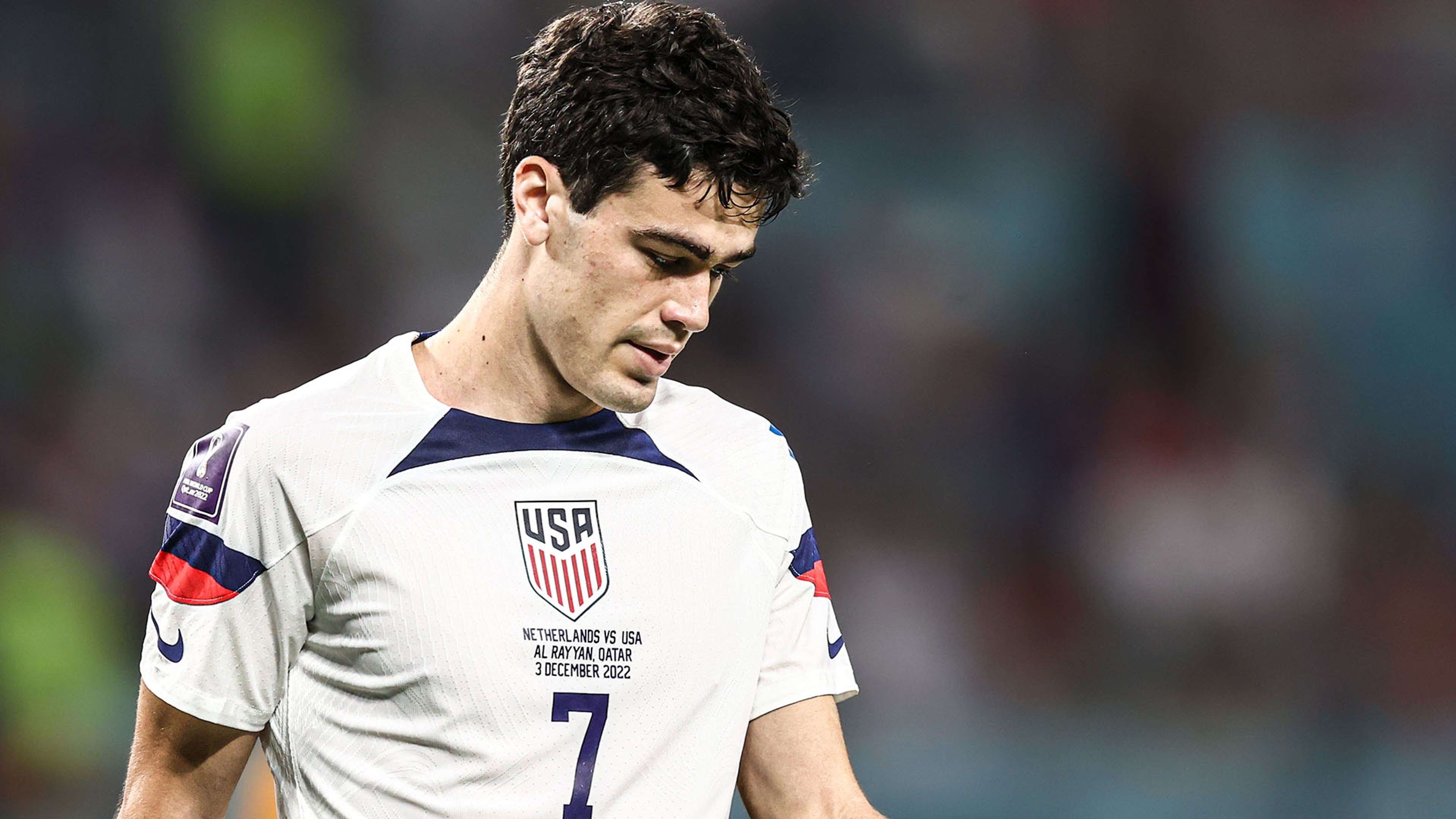
    Due to that, and a series of injury issues in the year leading up to the World Cup, Reyna wasn't a first-choice starter in Qatar, and we all know what happened next.

  • Advertisement
  • Gio Reyna USMNT 2022Getty Images

    The positional debate

    Back in March 2022, Berhalter had the chance to deploy Reyna centrally. Weston McKennie was out of action due to injury, leaving a hole in the middle of the field that Reyna, theoretically, could occupy. The Borussia Dortmund star said he would be happy to do so, citing the fact that he has long enjoyed playing in the centre.

    "I'd feel perfectly comfortable playing there," Reyna said. "My favorite position is probably through the middle. Obviously, Weston does a lot for the team. But I can try to fill his shoes if I need to."

    Berhalter, meanwhile, called it a possibility but opted to use Reyna as a substitute in the three qualifiers. That decision was understandable as the player was just coming back from a lengthy injury absence. When Reyna did come into the game, he replaced wingers Weah and Paul Arriola.

    Still, as Reyna said, he is more than comfortable centrally. He was used there as a youth player and featured in the role during six of his 30 appearances for Dortmund this season. And, in an interview with the Bundesliga's official website last year, he did say he's happy to play anywhere on the field when called upon.

    "I don’t really want to put a position out there,” he said, when asked where he prefers to play. “I think that’s one of the strengths of my game that I’m versatile. I can play on the left, in the middle, or on the right. I grew up playing in the middle as an attacking midfielder but I think with the way we play here, it’s very free-flowing and very open for all the attackers to be creative."

  • Gio Reyna USMNT United States Mexico 2023Getty

    What you get with Reyna down the middle

    With Tyler Adams out of action in each of the last two windows, both Hudson and Callaghan have made a tactical tweak, inverting the midfield and putting Reyna in at the No.10. It's a move that didn't quite come off in the March window, but it was effective against Mexico in the Nations League semifinals.

    Reyna was more influential than ever, even if he couldn't quite turn it into a goal or assist. He created several chances, looked comfortable taking on defenders and, perhaps most importantly, the USMNT midfield was not overrun despite the lack of a pure No. 6.

    To put it lightly, Reyna looked free. He, no doubt, was motivated by the moment, having previously torched Mexico with his Maradona-esque run during last cycle. But, given the chance to make an impact in the middle of the field, Reyna did just that.

    With Reyna on the field alongside the likes of Pulisic, Weah and Folarin Balogun, the USMNT has so many different, dangerous options to break down a defense. It's why Mexico were constantly on the back foot and had little way of stopping the U.S. until the game got totally out of hand.

    That look, with those four in attack and two more defensive-minded midfielders behind them, could be the way forward since it helps the U.S. get their best players on the pitch together. That, of course, is the big bonus of all of this: it maximizes the USMNT's talent. Depth is good, flexibility is good, but there's also something to be said for getting outstanding players onto the field together and letting them go to work. However, sacrificing another midfielder to get Reyna into the XI does have its drawbacks...

  • Musah McKennie Adams GFXGetty / GOAL

    A ripple effect

    There is one notable downside to deploying Reyna centrally: it breaks up the MMA midfield. McKennie, Adams and Yunus Musah all solidified their spots as USMNT stars last cycle before shining at the World Cup, both individually and as a unit. They're all still young, too, with many backing that trio to be the go-to midfield for quite some time.

    However, if Reyna does start down the middle, that means one of the three would have to come out. The most likely one to make way would be Musah, which would be harsh on the young Valencia star. He too played a good game against Mexico, showing growth as he evolved from a pure ball-progressor into a more complete midfielder.

    Against Mexico, though, the USMNT showed that they could survive with a double-pivot. With all-energy Adams next to McKennie, the U.S. should have enough defensively to compete with most teams.

    Is Berhalter willing to make that switch in big moments? Time will tell.

  • Gregg Berhalter USMNT 2022Getty Images

    Not a zero-sum game

    One of the beautiful things about this sport is that you're not married to a singular system, player or ideology. You can be flexible and adapt based on the task at hand.

    The USMNT mainly stuck with one tactical setup during the last cycle. Aside from a few games throughout Berhalter's first tenure, the U.S. almost exclusively played a 4-3-3.

    By and large, that worked. They qualified for the World Cup and impressed once there, outduelling England in their 0-0 draw. Berhalter has, undeservedly, been criticized for his lack of tactical flexibility, but there's something to be said of having a defined, concrete style to teach a group of young players all growing together.

    Now, in this second cycle, the U.S. has a nucleus that understand each other. That allows a bit more flexibility as they look to take things a step further this time around.

    Do they play Berhalter's 4-3-3 or this Reyna-led 4-2-3-1? The answer can be both, depending on what the situation calls for. And, going forward, it probably does have to be both, simply because the latter can be just as good, if not better, than the former.

  • Gio Reyna Berhalter USA WCGetty

    What comes next

    Reyna has one more game with the USMNT, Sunday's final against Canada, before heading off for summer vacation. The midfielder should enjoy that break, having gone through a hell of a lot this year on and off the field.

    Berhalter, too, has lots to do as he returns to the USMNT fold. He'll miss the Nations League and Gold Cup as he works alongside Matt Crocker to build a roadmap for the future. After those tournaments, he'll get back into the weeds of coaching.

    His first big test won't come on the field, but in the locker room. He'll need to meet with the likes of Zack Steffen, Ricardo Pepi and Joe Scally, all players that acknowledged they were frustrated with what went down last cycle. Most importantly he'll need to meet with Reyna.

    "Gio is an important player in this team," Berhalter said at his re-introductory press conference. "He's an extremely talented individual and I have the obligation and the commitment to coach him like a coach every other player. I want to get the best out of him. We know that, if we can unlock his talents, he's going to be a game-changer for this program. There's work to do and part of it is working together with Matt [Crocker] and trying to build rebuild the relationship that we know will be important."

    Talk over positions or tactics will wait, probably until the fall window when Berhalter really gets going. He has a lot to figure out with Reyna, and his ability to navigate everything that comes with that will almost certainly define this second cycle.