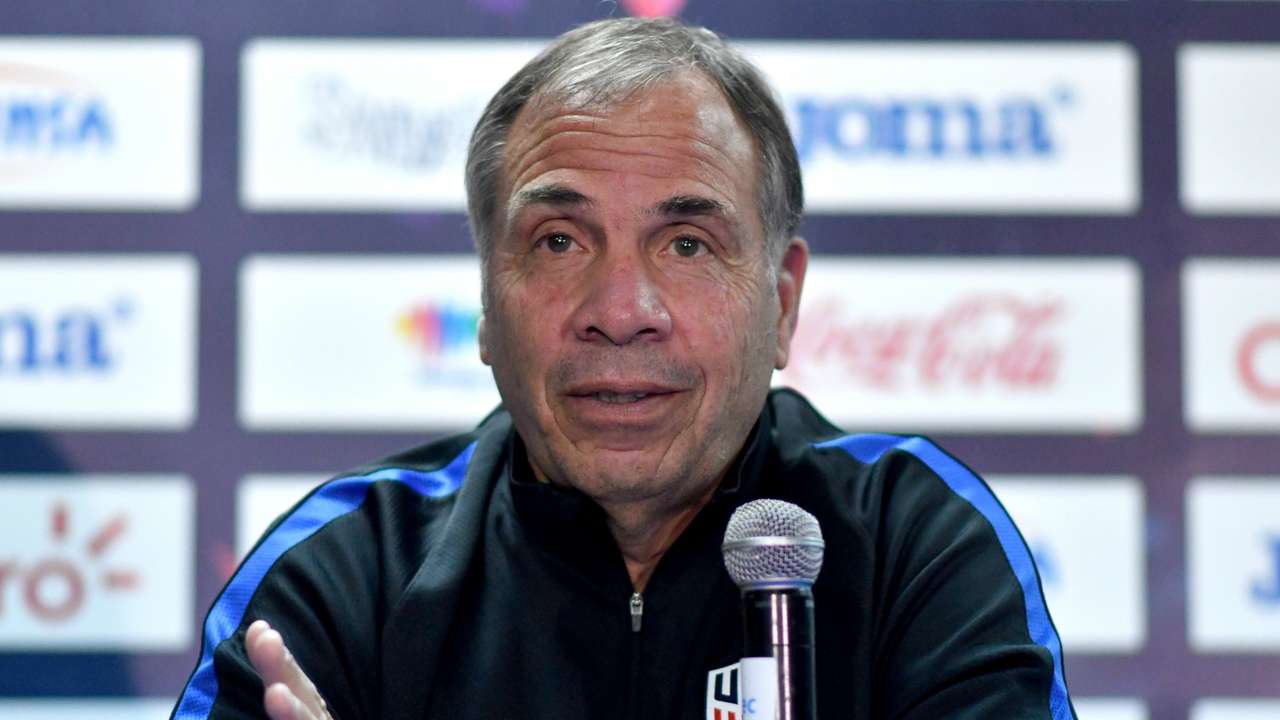
Mauricio Pochettino isn't the first USMNT coach asked to run it back. Each of the program's previous four permanent managers returned for another cycle with the same mandate: keep building, evolving and improving. History shows how rarely that happens.
Bob Bradley, Jurgen Klinsmann and Gregg Berhalter were all dismissed before reaching a second World Cup. Bruce Arena made it there, but the drop-off from 2002 to 2006 ensured his second cycle was no success, either. Some failures were more dramatic than others, but the pattern is unmistakable: none managed to beat second-cycle syndrome.
Pochettino, of course, will hope to break the curse, and doing so won’t be easy.
There are major overarching reasons why second cycles are notoriously hard, and those reasons aren’t exclusive to one coach or country. The longer a tenure goes, the harder it is to keep the public on your side in rocky moments. Oftentimes, key players tune out messages, while there is also the unique phenomenon of having to reintegrate players a coach cut from a World Cup squad, crushing their dreams in the process. Ultimately, the world is so much more ready to see a second-cycle coach fail, which is why the fact that these types of hires keep going wrong is no coincidence. The history is quite clear on why it happens.
The beautiful part about history, though, is that you can learn from it. Pochettino can look at the Arena, Bradley, Klinsmann, and Berhalter eras and assess where it all went wrong. All made mistakes, and all had moments or ideas that ultimately led to their downfalls. These, then, are the lessons Pochettino can learn to avoid meeting the same fate as his predecessors.