+18 or +21, depending on state | Commercial Content | T&C's Apply | Play Responsibly | Publishing Principles
Christian Pulisic, Sergio ConceicaoGOAL

Talking tactics: Why USMNT star Christian Pulisic has struggled under Sergio Conceicao at AC Milan, and what needs to change

Christian Pulisic had to put out a statement insisting there was no conflict between him and AC Milan manager Sergio Conceicao. It was pretty clear how he felt:

"I have never argued with the coach and I have never asked to leave," he said, via Milan's social channels, "I am very happy at Milan and I want to continue wearing this shirt. Reading these lies is unacceptable, but let's all continue to remain united and fight together on the pitch, for the club and for our fans."

And perhaps that is the truth. The image conjured up by the rumors of discontent in the Italian press is that of a livid kid from Pensylvannia, storming into his coach's office and demanding a tactical rethink. Maybe. Or maybe he was argumentative at training, refused to partake in a drill, or chewed out a teammate.

Or, more likely, it's none of those things, and Pulisic is just going through a bit of a slump under a coach who can't get the best out of him - as Milan stumbles in Serie A after crashing out of Champions League.

Regardless of the specifics, though, the fact that there is a chatter alone speaks to a broader issue: not all is well for Pulisic in Milan. And that happens in sports. A new coach comes in. Fresh ideas are brought to the table. A new configuration gets the best out of some, and perhaps takes some of the spark out of others.

The Pulisic case at Milan, though, is a curious one. This is not a player offered limited chances as much as one being siphoned out of the attack that he once ran all together. In recent months, Christian Pulisic, superstar, has become Christian Pulisic, peripheral presence.

  • AC Milan v Parma - Serie AGetty Images Sport

    Where Pulisic is at his best

    Let's start with the nerdy stuff. It is all well and good noticing that Pulisic isn't really getting involved as much as he should be. In Pulisic's last 12 months at Milan - first under Stefano Pioli, then Paulo Fonseca and now Conceicao - he has played mostly on the right of an attacking midfield three, behind a central striker.

    The beauty of that system - especially for the right-footed Pulisic - is that when it's at its best, he can float across multiple positions. At times, he could pop up on the left. In transition, he might take up a more central role. Milan's wonderful counter-attacking move against Real Madrid at the Santiago Bernabeu highlights just that.

    Pulisic receives the ball in a central area, running towards goal. For most players a lateral pass to a central midfielder would be the safest option. A riskier ball might be a slide-rule pass to the cutting Rafa Leao. Instead, Pulisic plays into Alvaro Morata, receives the ball in a slightly wider position - and then plays the key pass that leads to a Milan goal.

    A lot has to go right here. Leao still has to turn his man, while Morata has to time his run to perfection. But the basic principle remains: Pulisic switching from one position to another creates the chance.

    The other key observation is to see where Pulisic receives the ball after the initial pass. It's roughly in line with the corner of the 18-yard box. He's not hugging the touchline, nor is he in the center of the pitch. Soccer analysts call that the "right half space."

    That, in effect is Pulisic's spot - the area where he can do the most damage. The numbers back it up. Jeff Reuter of the Athletic wrote a smart piece outlining the specifics, but 41% of Pulisic's touches last season came in that exact spot. It is of little coincidence that it was also his most prolific campaign in Europe. Get Pulisic the ball there, and things happen.

  • Advertisement
  • GNK Dinamo v AC Milan - UEFA Champions League 2024/25 League Phase MD8Getty Images Sport

    Where he is getting the ball now

    Now, though, things are different. And this change has been coming for a while. Pulisic is a versatile footballer who can play any of Milan's attacking positions. For the USMNT, he is arguably at his best on the left. At times, he has been used as a No. 10.

    Under Pioli, he played significant minutes at all three. The result was touches coming from all over the place. But in his area of highest impact - that right half space - Pulisic's touches are down. Now, just 31 percent come in that area. He is actually on the ball more as a traditional No. 10.

    That can be attributed to various factors. Then-manager Fonseca shook things up at the start of the season - and shifted Pulisic around. This season, Pulisic has started nine games as a central attacking midfielder. He has - at some point - played the position in 11. Fewer minutes in his best spot means fewer chances.

    Dive deeper, and the realities look more concerning. Heat maps of Milan's game in recent weeks paint a picture of Pulisic receiving the ball pretty much everywhere except the spot in which he does the most damage. Sometimes, he gets it hugging the right touchline - away from goal and often double-teamed by a dogged defensive unit. Others, he drops far too deep to get involved - slightly losing his positional discipline in a desire to get his touches in.

  • Sergio Conceicao Milan 2025Getty Images

    The arrival of a new manager

    Part of this, of course, can be attributed to the fact that Milan have a new man at the helm. Fonseca may have been the right manager for Pulisic, but he was a pretty woeful one for the Rossonieri. In effect, they had no choice but to let him go when they slipped to eighth place, having won just 12 of their first 24 matches of the season. Five of their seven wins in the league came against teams in the bottom half of Serie A. There was no wiggle room or negotiation here.

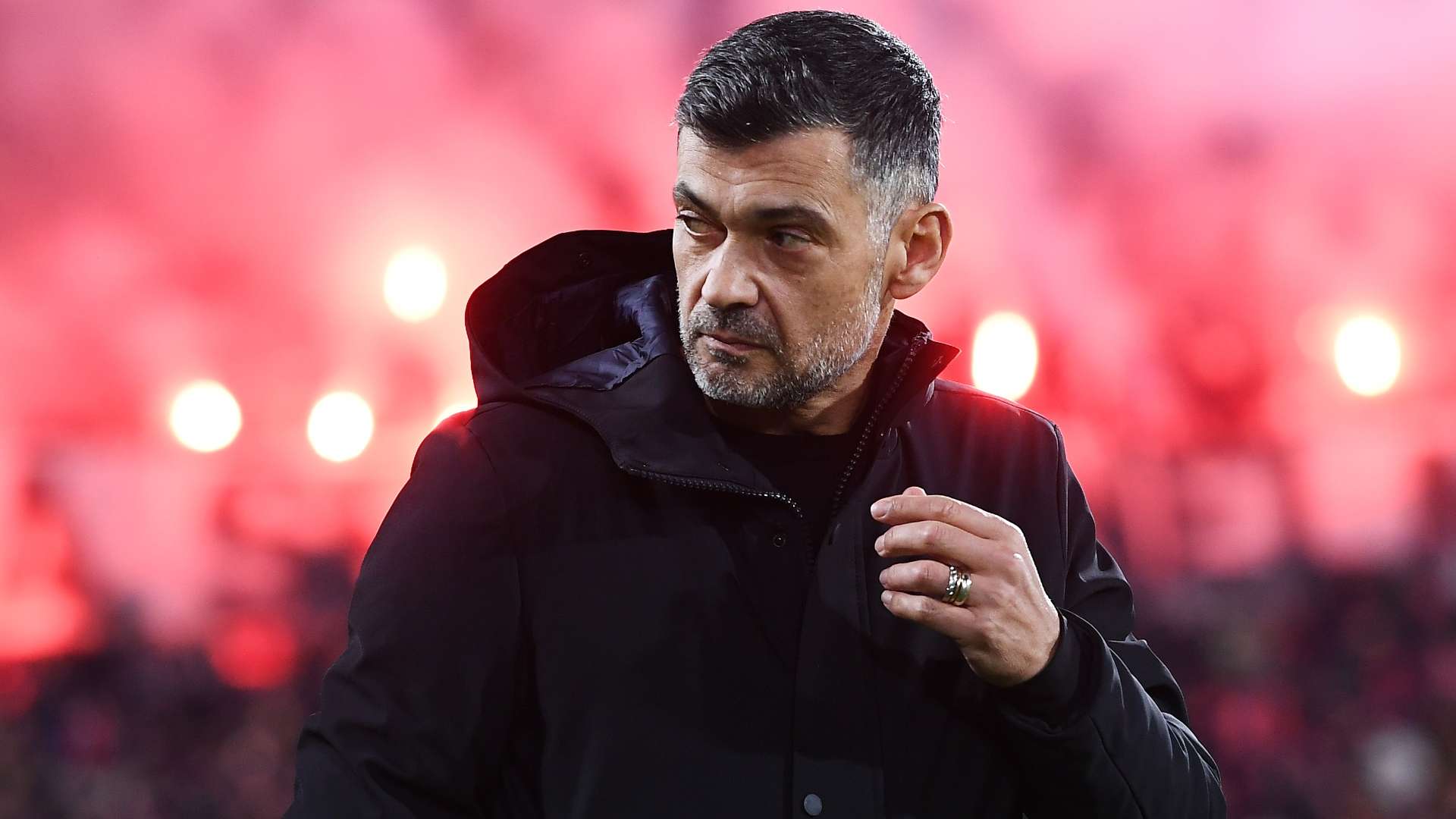
    Enter Conceicao, a stern tactical disciplinarian who had been out of football for seven months following a successful spell with Porto. He seemed something of an intriguing fit, especially for Pulisic. The manager historically preferred a 4-3-2-1 formation, with three solid midfielders and two inside forward, tucked in behind a traditional No. 9.

    Pulisic, it seemed could be perfect for one of the "2." Instead, he reverted to a system that mimicked Fonseca's, a 4-2-3-1. That, too, might have suited Pulisic. After all, a similar formation would likely ensure a sense of stability. Instead, things have been fairly miserable. While first Pioli and then Fonseca encouraged mobility in his front line, Conceicao allows no such variation. In other words - stick to your zone, and don't move from it.

    All of the floaty stuff that made Pulisic so effective has been limited by the new system in place.

  • Joao Felix Milan Feyenoord Champions LeagueGetty Images

    The arrival of Joao Felix

    And then, there are the signings. It was an odd winter for Milan. They made the inevitable, unfortunate choice to get rid of Fonseca, but after bringing in a new manager rewarded him with a couple of attacking signings. One of them, Mexican national team star Santi Gimenez, made infinite sense. Alvaro Morata, signed the previous summer, had struggled up front. They needed a focal point in attack, a true finisher to bag the goals. Gimenez was a quality signing, and at $36 million, decent value, too.

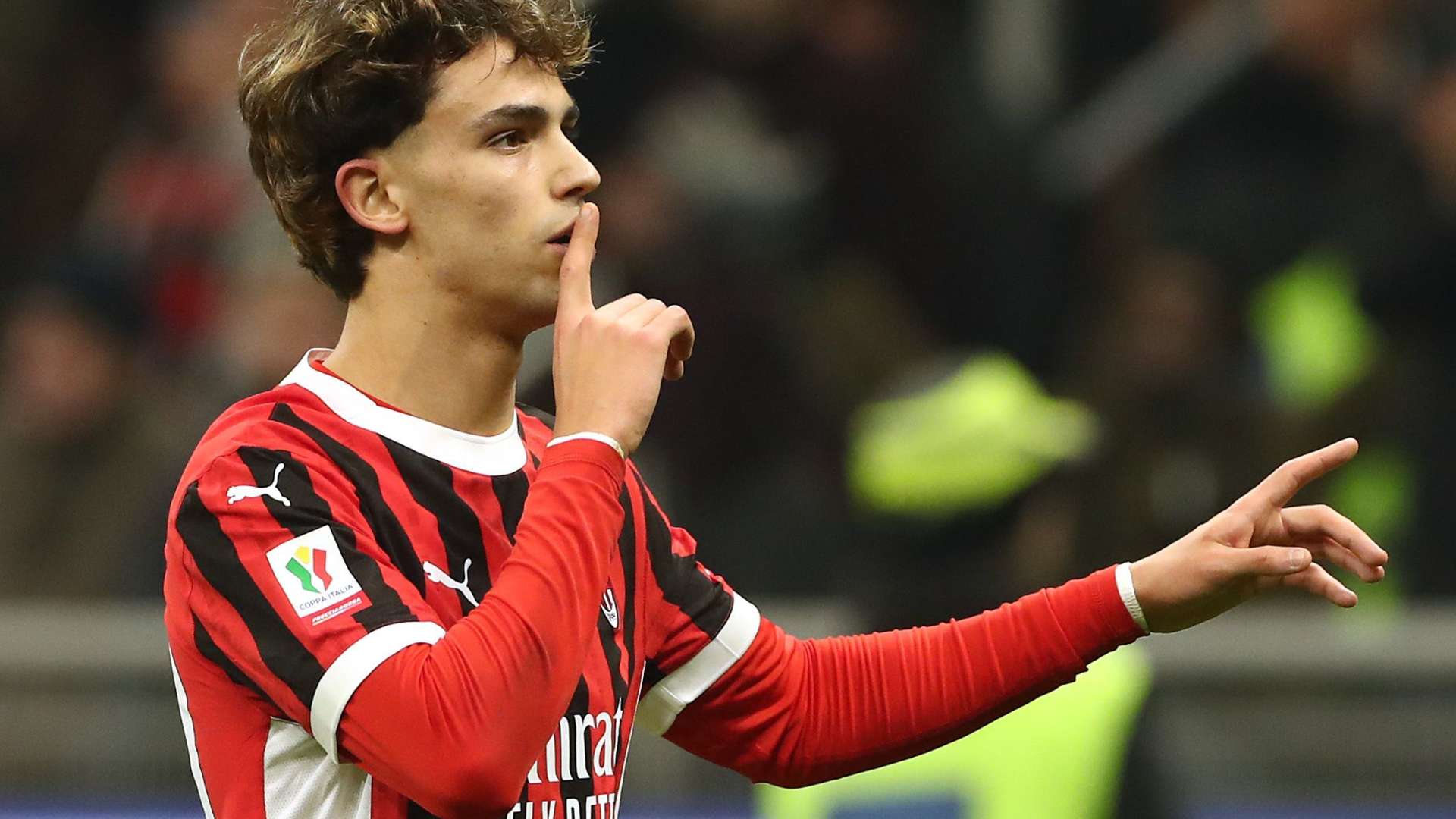
    The other one was baffling. Joao Felix is a strange footballer. There are few in the game more naturally gifted than he is. His trickery with the ball, understanding of space, and mercurial talent in tight areas should make him one of the best in the world. He really should be playing at a top European club - and starring for them, too.

    Instead, his career has been marked by a series of high-profile loan moves and false dawns. After a massive move to Atletico Madrid didn't pan out. Chelsea and Barcelona both took chances on him. Milan are the latest team to have a crack, and it's gone as well as anyone could have expected: fairly miserably. In eight games (six of which have been starts) for Milan, he has scored just once. He hasn't picked up an assist, either.

    His biggest impact has perhaps been the way he has stifled space for others. While Pulisic and Rafa Leao have been squeezed into the touchline, Felix has been handed the freedom to roam, explore space, and serve as creator in chief in the final third. He is occupying all of the spaces where Pulisic thrives.

    Suffice to say that it simply hasn't worked. Of the last five games in which Pulisic has either scored or assisted, only one has come with Felix also on the pitch. And even that game - a 2-0 win over Empoli - featured very little active involvement from the American. He managed just 19 touches in his 45 minutes on the pitch. Two of them were the final pass before a goal. He created three chances. Felix, for his part, had 53, zero assists, and created just one chance in 84.

  • Kyle Walker MilanGetty Images

    The arrival of a marauding right back

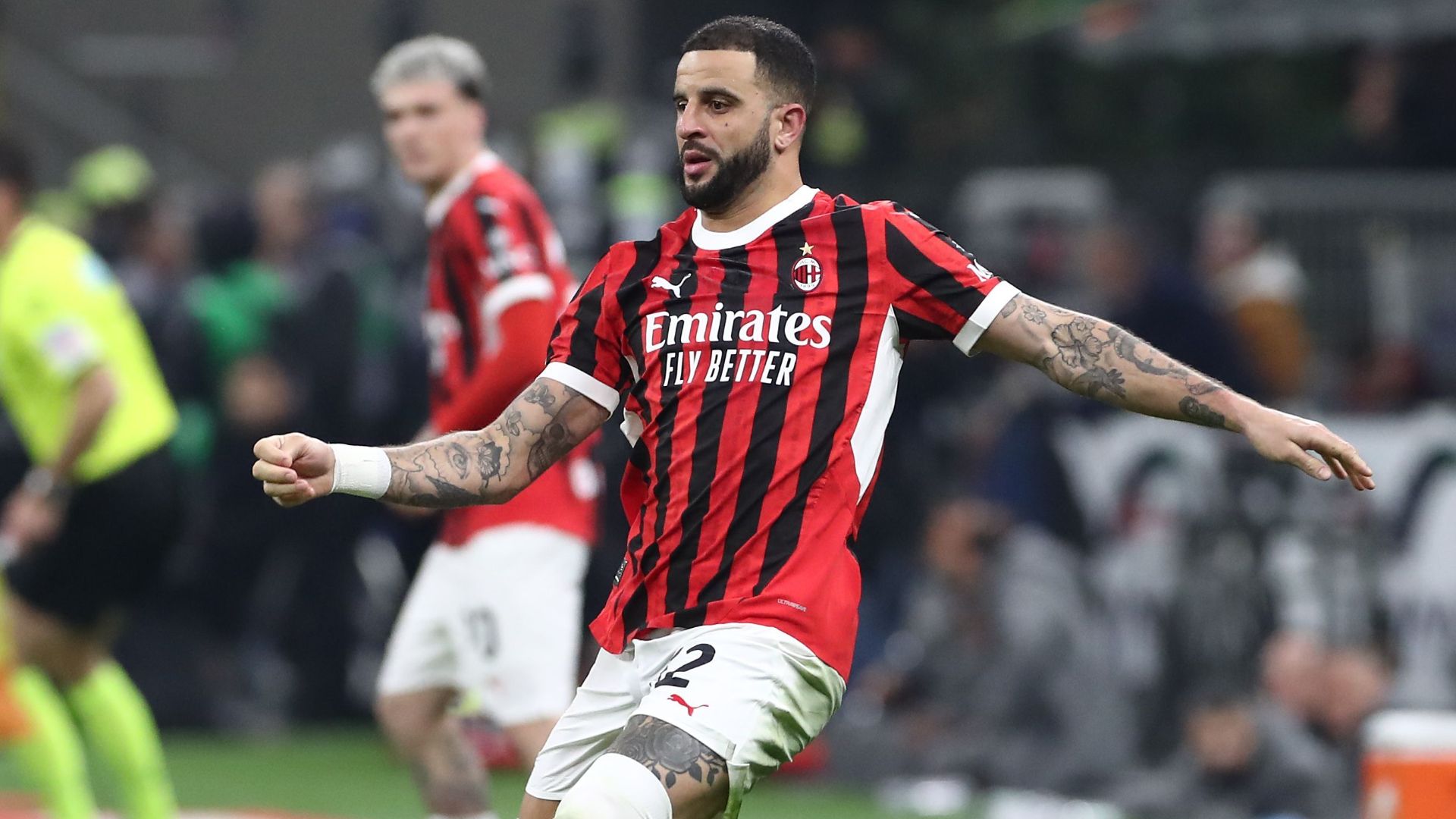
    The other issue here is the guy playing behind him. Milan did Man City a favor when they signed 34-year-old right back Kyle Walker on loan. His time was up in Manchester. His legs have slowed, his speed of thought not quick enough to make up for it. Walker is an excellent full back, but he is simply past his best. One thing he still tries to do though, is run forward, usually very quickly, and almost entirely into the same spaces Pulisic wants to operate in.

    The result? Three players - Felix, Pulisic and Walker - occupying space meant for just one. In fairness, such is the switchability of modern football that most teams can play in enclosed spaces. Arsenal, in particular, are excellent in moving the ball when they have no room to breathe. But that has come after three years of the building of chemistry, and razor-sharp tactical adjustments. Milan don't have that luxury, or that quality.

    Basically, on the right wing, they're easy to beat. Teams dig in, get men behind the ball, and then hit that exposed space on the break. Milan have out-possessed their opponent in nine of their last 10 games. Only two of them have been wins. Five have been losses.

    According to WhoScored, in every loss more than 40 percent of opposing attacks came down the Milan right - the busiest of any of the three attacking zones. Attack Milan on that side, and you will win.

  • AC Milan v Parma - Serie AGetty Images Sport

    Confidence

    On Feb. 22, Pulisic missed the first penalty of his career. It was a poorly hit thing, too close to the goalkeeper but hit not quite hard enough to squirm in. Milan lost, and Pulisic was blamed by the Italian press. In some ways, that was fair. Games are decided by big moments, and when called upon, Pulisic failed to deliver.

    More than anything, though, that miss embodied a difficult six weeks. Penalties, it must be noted, are mostly luck. Torino's Vanja Milinkovic-Savic must have done his research in net, but had he moved the wrong way, the narrative might have been different.

    Still, this was Pulisic's wheelhouse, the place where he had quite literally never failed. Suddenly, in a solitary moment, he couldn't do the one thing he had always been good at. This all speaks to a player low on confidence, struggling to make an impact, and unsure of himself at a club he was not so long ago absolutely vital to.

    Much of this, of course, is not his fault. Athletes in all sports thrive under different systems. The right coach and situation for one player might be the wrong one for another. Perhaps Pulisic has been sucked into one that might not work out as well as he'd hoped.