This page contains affiliate links. When you purchase through the links provided, we may earn a commission.
Mexico Gold Cup 2023Getty

The Gold Cup isn't what it should be - is there anything CONCACAF can do to fix it?

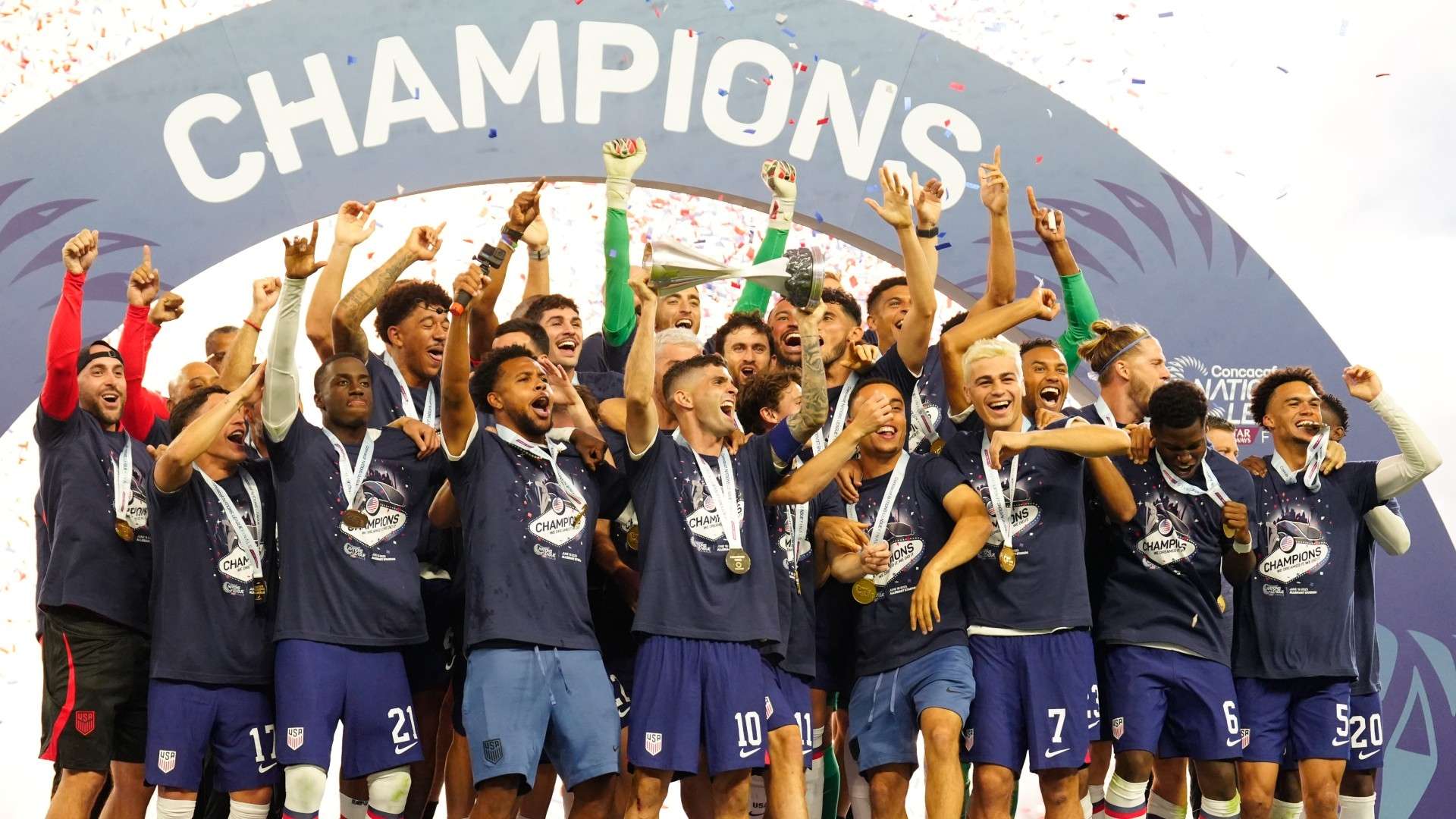
On July 9, the U.S. men's national team faced Canada in the Gold Cup quarterfinals. It was a rematch of this summer's Nations League final and a clash of the region's two top teams, both of which went to the World Cup in Qatar.

Yet, the match wasn't the clash of titans it could have been. On the U.S. side, stars like Christian Pulisic, Folarin Balogun and Gio Reyna were long gone, having jetted away from Las Vegas after the Nations League triumph for a brief vacation before preseason. Canada, too, was missing the faces of their program, with Alphonso Davies, Jonathan David, Cyle Larin and Tajon Buchanan all gone for similar reasons.

It was a sign of what the Gold Cup has become: a tournament that still remains important in the CONCACAF region, but one that is deeply flawed. Gone are the days when the Gold Cup was the top prize in this region, having been replaced by the Nations League as the highest-level matches in North America. The Gold Cup has morphed, with several teams continuing to take it seriously while others utilize it as more of a proving ground.

That leaves the Gold Cup in a weird place. Is this tournament meant to be the pinnacle or just another trophy? Does this competition matter like it used to and, if not, is there any way to bring back the prestige?
Sign up here for MLS Season Pass through Apple TV and watch every MLS match, including Lionel Messi's Inter Miami!

  • USMNT Nations League trophy lfitGetty

    The Nations League impact

    The USMNT had to decide whether to gather the A-team for the Nations League or Gold Cup heading into the summer. Playing a full-strength squad in both competitions would have been plausible, sure, but also wildly unfair. After a grueling club season with a World Cup in between, certain players needed a break.

    The U.S., and Canada, eventually chose the former, the Nations League, just as they had last cycle. It's easy to see why: two games in a central location over a relatively short period of time is much easier to digest than a more rigorous weeks-long tournament all over the United States. The Nations League allows the U.S. to get their players in, play some games and get them out with some semblance of a vacation before transfers and preseason come into play. The Gold Cup, meanwhile, is a longer, late-summer competition that could see several players miss vital preseason opportunities.

    It was a question that came up once CONCACAF was forced to come up with its own Nations League to counteract Europe's pivot away from friendlies. Would teams prioritize the Nations League or the Gold Cup?

    So far, the answer has been Nations League. The tournament follows the international calendar throughout the year, meaning it isn't a nuisance at any point. And then the final comes just after the club season, allowing players to stay somewhat fit before winding down after their European campaigns.

    As a result, several teams have relegated the Gold Cup to secondary status. The USMNT, for example, didn't even bother to have Gregg Berhalter rejoin after rehiring him, preferring instead to have him work alongside Sporting Director Matt Crocker to build out a roadmap toward 2026.

    Mexico, of course, went for it this time around, as did Jamaica and Panama, but there hasn't been a real, top-level Gold Cup in each of the last two cycles due to the prioritization of the Nations League.

    However, this isn't a new phenomenon. For nearly as long as it's existed, the Gold Cup has had this sort of problem.

  • Advertisement
  • Mexico Gold Cup Dos Santos 2021Getty

    On and off years

    For years, there have been two kinds of Gold Cups: on years and off years. The tournament, held every two years, would have a different meaning each time, as difficult as that was to comprehend for outsiders. On-year Gold Cups decided who would go to the Confederations Cup, while off-year Gold Cups lacked that particular carrot at the end.

    There have always been excuses for teams not to bring their stars to the Gold Cup. The Nations League just finished its second iteration, but it's far from the first competition teams prioritized over the Gold Cup.

    World Cup qualifying, the Confederations Cup, the Olympics... all have been used as reasons for teams to send "B" squads to the Gold Cup. It's something that would be unheard of at, say, the Copa America or Euros or African Cup of Nations, all of which are seen as the pinnacle of that region's international calendar.

    The Gold Cup, though, has never been treated anything like that, partially due to the scheduling. Still, scheduling has never held the AFCON back, and that tournament has been held right in the middle of a club season.

    For the big teams, the USMNTs and Mexicos, the Gold Cup has generally been seen as a means to an end that just so happens to have a trophy at the end of it. In some years, it's a chance to energize the program with a trophy. In others, it's a chance to get a closer look at young stars. The tournament, though, never has a universal meaning, although it does often have a familiar result.

  • Gimenez Mexico Gold Cup final 2023Getty

    USMNT and Mexico dominate

    Think of your favorite Gold Cup moment, the goal or game or sequence in this tournament's history that mattered most to you. It's a safe bet to assume the USMNT or Mexico were involved, right?

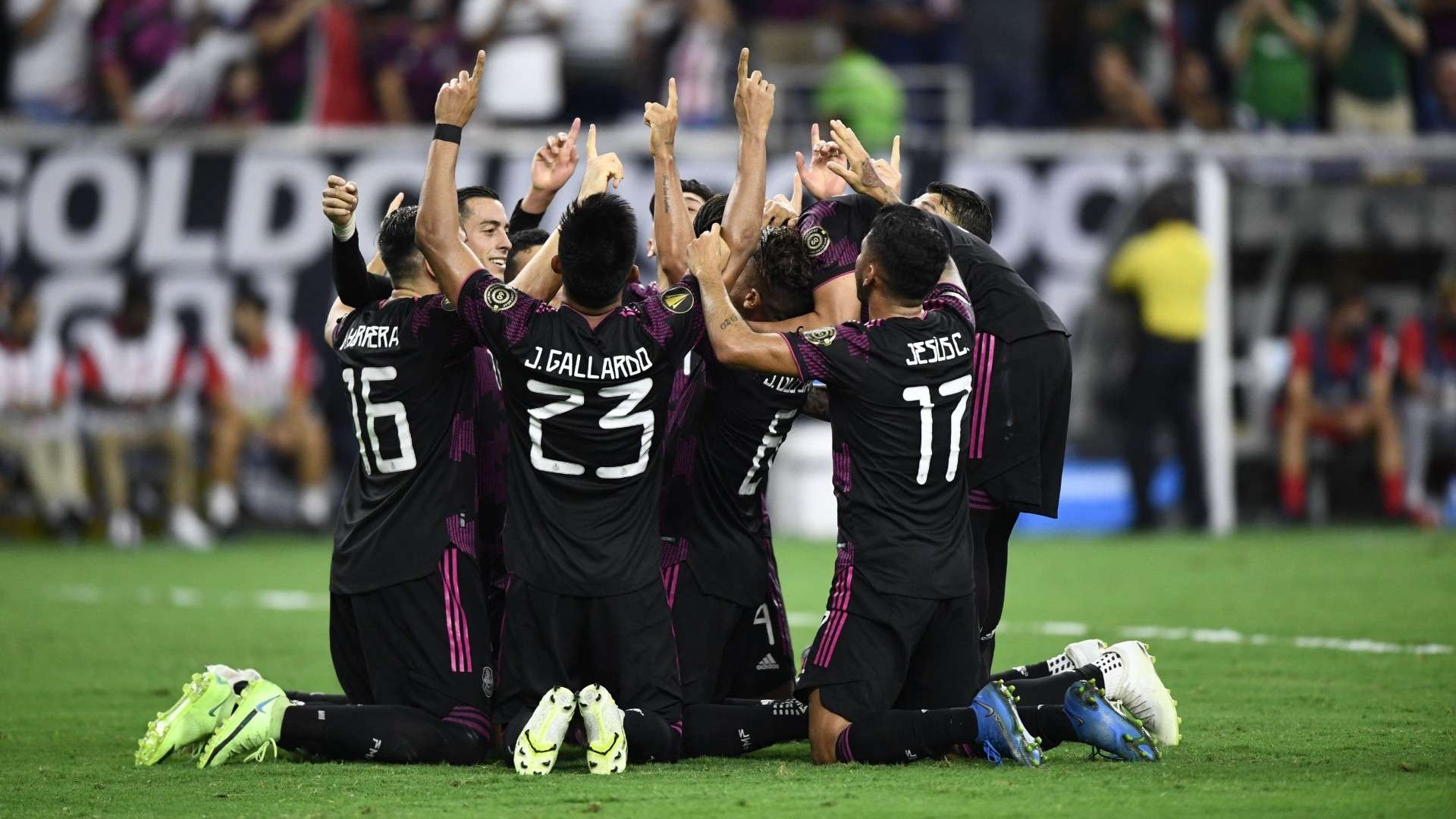
    Since the tournament's inception in 1991, all but one Gold Cup was won by the U.S. or Mexico. That one win came from Canada back in 2000, which means that, for 23 years, CONCACAF hasn't seen anyone stop the dominance of the U.S. or Mexico.

    Teams have come close, sure. Panama and Jamaica have had good runs, reaching multiple finals. Guests Brazil made it to the finale in 2003. Costa Rica has long been a contender in this region, even if Los Ticos don't have much Gold Cup success to write home about.

    Still, any way you look at it, this is a tournament almost always contested between the USMNT and Mexico. It has been decided in some instant classics and by memorable goals from the likes of Gio dos Santos and Benny Feilhaber. It has also been decided, at times, simply by one team caring enough to send a top-level squad to compete. Either way, the tournament often feels like a waiting game to see which of the two blinks first, be it against one another or on their path to the final.

    Unfortunately for CONCACAF, you can't really cure Mexico and the USMNT's dominance. Canada, Jamaica, Panama and Costa Rica can all beat the two superpowers on their day, but there isn't anything the federation itself can do to make games not involving those two feel like they really matter.

    Part of the reasons tournaments like the Euros are so exciting is that so many different things can happen. You can see a team like Greece make a heroic run, or titans like England and Italy clash in a final. In CONCACAF, the Gold Cup just doesn't have that sort of gravitas. A bunch of teams gather for a weeks-long tournament and, in the end, the U.S. or Mexico lift the trophy.

    It's a hard fix, for sure, but there are some things CONCACAF can do to spice things up.

  • Mexico Panama Gold Cup finalGetty

    Some possible solutions

    One criticism of the Gold Cup is that it is almost always played exclusively in the United States. Fans of other countries would obviously love to see their team host games, and benefit from the competitive advantage the U.S. does get from staging matches on home soil.

    But we can write that off almost immediately for one obvious reason: money. The Gold Cup remains CONCACAF's biggest moneymaker, and the U.S. is the country where the most money can be made. The funds raised during the Gold Cup help CONCACAF prop up the rest of its business, so moving the tournament away from the U.S. is basically a non-starter.

    Still, there are other ways to spice it up.

    One is guest teams, which remain a part of the tournament. Qatar participated this year, having also played in the last tournament two years ago. However, no disrespect to the 2022 World Cup hosts, but they aren't quite the team to move the needle. In the past the likes of Brazil, Colombia, Peru, South Korea and Ecuador have been involved, adding significant spice and quality to an event that definitely needs it. But securing guest teams is difficult, as they, too, would have to agree to the same issues of timing that led to the U.S. and Canada fielding B-teams this summer.

    Perhaps the answer is prize money of some sort. Still, that likely won't be too big of a factor for the U.S. or Mexico, who would almost certainly prioritize sporting reasons unless the prize was out of this world.

    The most likely solution is to move the tournament entirely, playing it every four years. A cycle could then go: Nations League, Gold Cup, Nations League, World Cup (with the Nations League finals, perhaps, being played in some time other than summer). It would prevent the tournament from getting watered down and playing it once every four years would be a bit easier for the bigger teams to justify.

    Still, that's tough for CONCACAF given the loss of the money that we mentioned before. Doing so would harm their checkbooks - unless of course there was something else that the federation could do that was even more financially successful...

  • Lionel Messi wins the Copa America with Argentina 2021Getty

    The Copa America

    We all know what's coming next summer: the Copa America. It's the biggest international tournament in the Western hemisphere and, for the second time in less than a decade, it'll be held in the U.S.

    The last time, 2016, proved to be a massive success. CONCACAF and CONMEBOL both made boatloads of money, while U.S. Soccer made $80 million in profit in just that one summer. It's easy to see why all involved want to do this again: CONMEBOL wants their share of the American and Mexican market and CONCACAF wants the legitimacy and competition that comes with South America's top teams.

    Could something like this become commonplace in the future? Possibly. It's clear that the relationship between CONCACAF and CONMEBOL is strengthening, with both sides understanding there's much to gain from utilizing the other's help. With UEFA off doing their own thing, preventing many of their top teams from playing too many friendlies due to their own Nations League, it seems a union between North and South America could be the best way for both sides to prop themselves up.

    What form does that take? Who knows? Do we see the Copa America return to the U.S., or Mexico, more frequently? Could we see CONMEBOL teams feature in an expanded Gold Cup? Do the two sides unite to create some kind of All-Americas tournament separate from their own regional competitions?

    The Copa America schedule has been anything but consistent, so it's hard to truly project what a potential schedule could look like, but South American influence could be the secret to making games a bit more meaningful in North America, and making all involved a bit richer.

  • Mexico Panama Gold Cup finalGetty

    Does the Gold Cup really need fixing?

    Of course, there is the devil's advocate side to all of this, the one that would ask one question: does this tournament even need fixing?

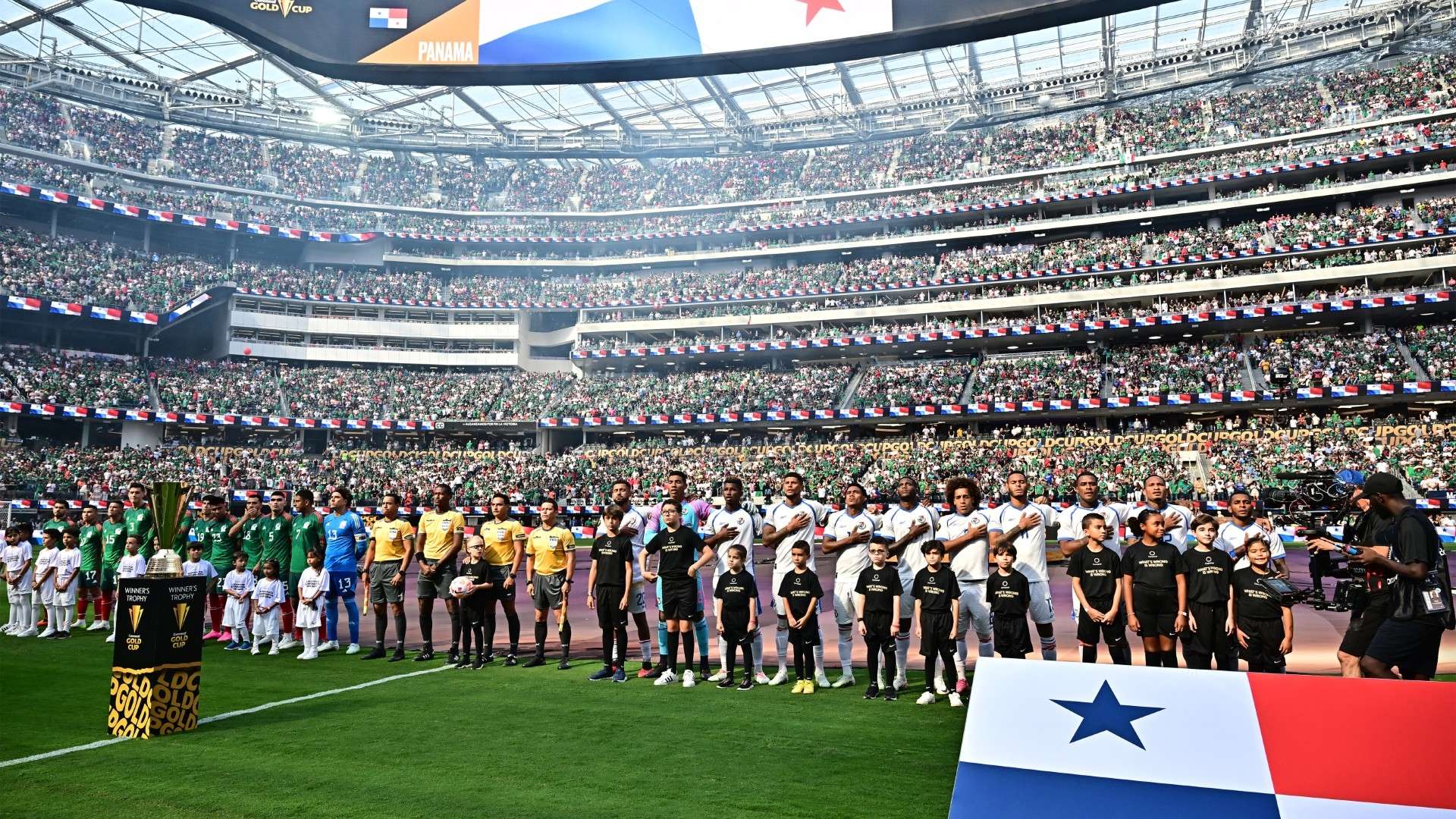
    Over 70,000 fans packed into SoFi Stadium for this summer's Gold Cup final between Mexico and Panama. That's a massive number, a huge success by any stretch. This tournament, once again, had good crowds and some sort of intrigue, even with the host country rolling out an inexperienced team before going out in the semifinals.

    Could it be that it all is just fine? It's a somewhat different scenario, of course, but you often see big clubs rotate in the Europa League, and it doesn't make that tournament irrelevant. Is it possible that different teams can find different and perfectly valid meanings in the Gold Cup?

    That may be the answer, after all. With all teams constantly focused on the World Cup, maybe it's okay that some teams use the Gold Cup as a proving ground rather than a trophy chase. As long as fans tune in and teams benefit in some way, on and off the field, can you really criticize it?

    Still, there will be those that will want the Gold Cup to be more than it is and has been. There will be those that point to the Euros or Copa America or AFCON and ask why CONCACAF can't have a tournament that feels the same way each and every time.

    For those people, there's no quick fix. If there was, CONCACAF would have tried it long ago. As things stand, the Gold Cup is an imperfect, weird, off-the-wall tournament, one that, in many ways, fits in just fine with the region it represents.