+18 or +21, depending on state | Commercial Content | T&C's Apply | Play Responsibly | Publishing Principles
This page contains affiliate links. When you purchase through the links provided, we may earn a commission.
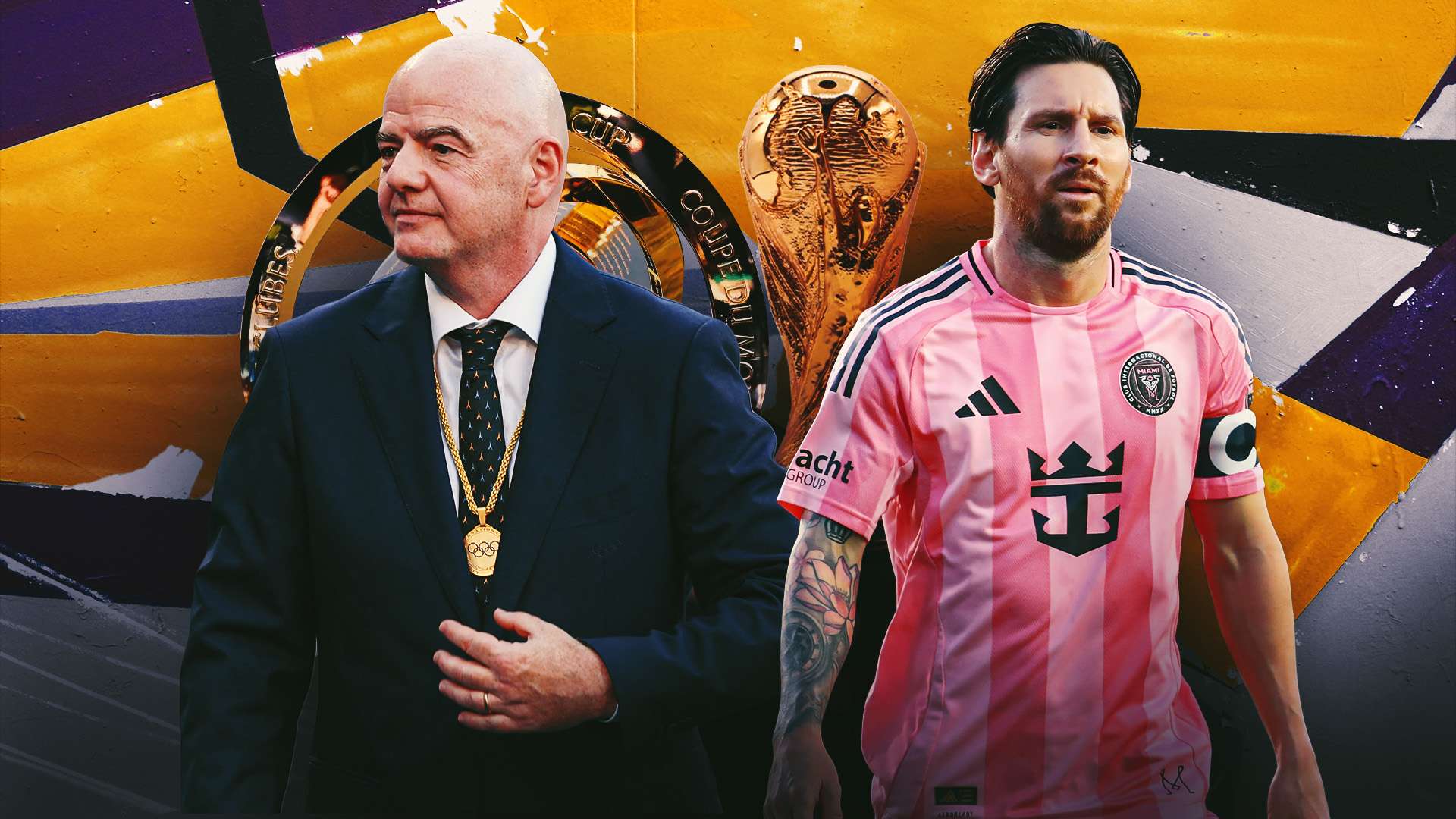
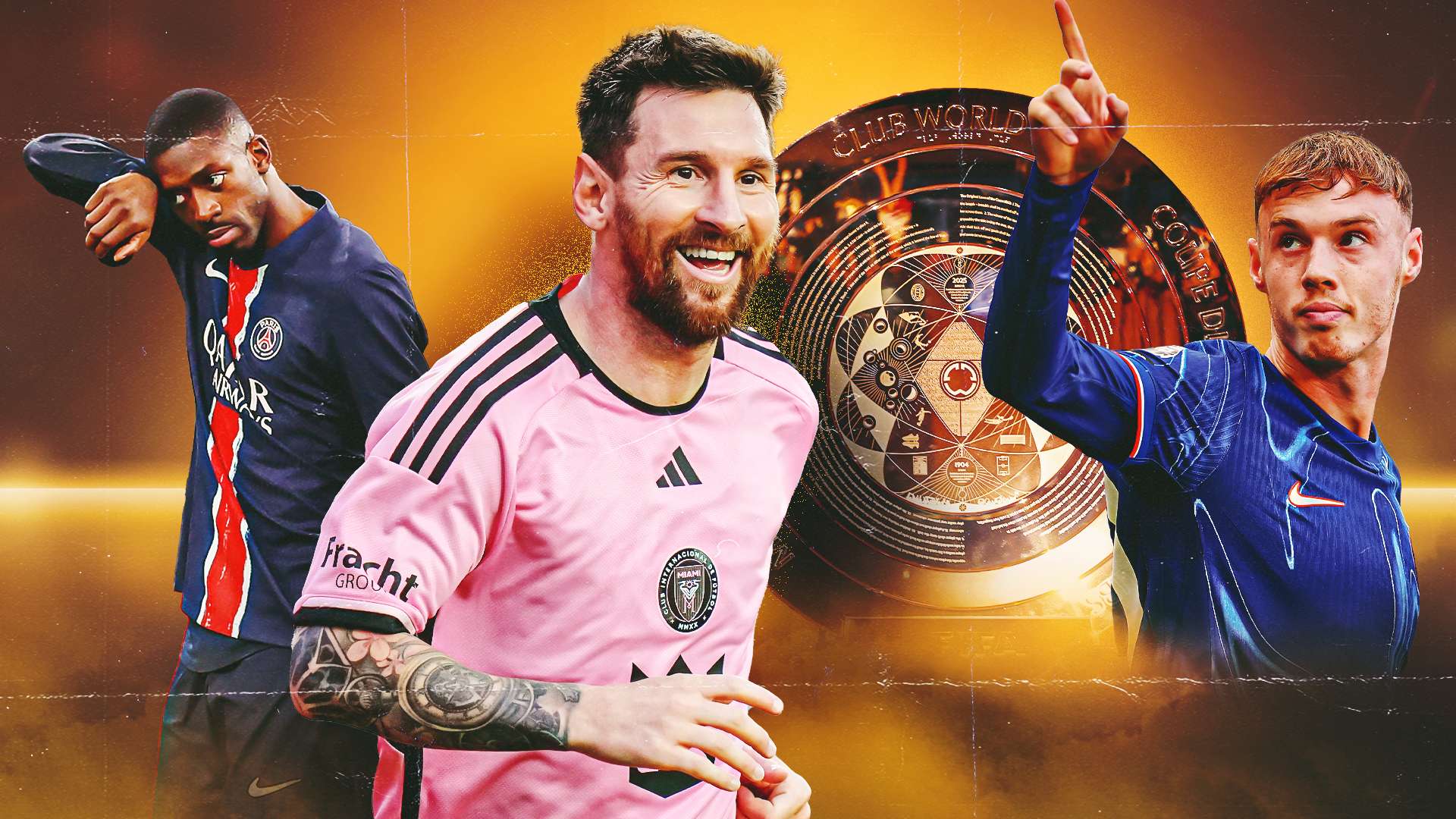
Club World Cup winners & losers GFXGetty/GOAL

'This is a real game, this is a real competition' - As a precursor to FIFA’s showcase event in 2026, the Club World Cup could change U.S. soccer forever - if anyone pays attention

Official tickets

FIFA

  • Buy direct from FIFA.com and lock in your seat for the matches you want to see most.
  • Tickets start at just $40, making it easy to catch top clubs live without breaking the bank.
  • Perfect for fans who want flexibility - choose the date, city, and match that fits your schedule.

Prices start at

$40

Get tickets

The drama over the Club World Cup started in full back in June 2024. Real Madrid manager Carlo Ancelotti made his thoughts on the competition known.

"FIFA forgets that player and teams will not participate in the new Club World Cup. A single Real Madrid match is worth €20 million and FIFA wants to give us that amount for the entire tournament. Negative. Like us, other clubs will refuse the invitation," he told Italian media.

That same day, both he and Madrid walked back the comments. Just kidding, the Club World Cup means a lot.

"Our club will compete, as planned, in this official competition that we face with pride and with the utmost enthusiasm to make our millions of fans around the world dream again with a new title," Madrid said in a statement.

And so began the debate over FIFA's revised club tournament, played out in the open. In the 12 months since, further questions have been raised - and FIFA has been relatively adamant it has the answers. Prize money? Lots of it. Tickets? Cheap(ish.) Publicity? Not a problem. Will fans care? Of course.

Some of the biggest names in the game will transplant to the United States next month. The event will be played in 12 stadiums in 11 U.S. cities, from the opener on June 14 until the final on July 13. Real Madrid and Man City are the early favorites, according to the oddsmakers, followed by PSG, Bayern Munich, Chelsea and Inter Milan - major European clubs competing in America.

Top level men's soccer hasn't been this accessible in the U.S. since the 1994 World Cup.

More broadly, of course, this feels like a warmup for a far bigger event - the 2026 World Cup, in the U.S., Canada and Mexico. The Club World Cup has seemed hastily thrown together in some senses, but also well-executed at others. And although some of the messaging around it has been confusing, and its political implications are concerning, there is no doubt that soccer's governing body intends to make it a hallmark event and proof of concept for soccer in America.

The big question currently unanswered is simple: will it all work?

  • 2025 FIFA Club World Cup Draw - CeremonyGetty Images Sport

    A World Cup warmup

    From one perspective, what we have here is a warmup of sorts for the 2026 World Cup. All of the basics are in place: a load of teams, formatted into groups. Everyone plays each other once. Various cities are hosting, with associated training hubs. The final is expected to be a marquee event, held (across the river from) a glitzy city.

    FIFA has toyed with the idea of an expanded club World Cup for some time, but in the United States, this summer, it found the perfect opportunity to execute it. This is, in many ways, a marriage of convenience. The U.S. can use the event as a logistical test for hosting the 2026 World Cup, and build soccer excitement throughout the nation. FIFA wants a country willing to take on what is a large and complex project.

    It's a perfect match.

    And everything has felt like a dry run. FIFA has pushed this whole tournament like it is THE World Cup. The trophy is a bit of an ostentatious thing, a cylindrical block of Tiffany gold that needs to be unlocked with a specially designed key. It has been toured all over the world, accompanied by soccer legends. Ronaldo Nazario was present for a high-profile draw event, complete with a red carpet event in Miami.

    The host cities were announced not via a press release, but at a music festival in New York's Central Park, a baffled Hugh Jackman trying to explain the appeal of this whole thing while FIFA president Gianni Infantino boomed "CIN-CIN-NA-TI" into a microphone in front of thousands of drunk 20-somethings, mostly there to see Post Malone (although it's fair to debate which was better entertainment.)

  • Advertisement
  • FIFA Club World Cup Trophy Tour Media ConferenceJ.LEAGUE

    The fans

    The biggest concern with any tournament that exists outside of the traditional soccer schedule - and isn't a major international competition - is fan interest. Supporters will flock to watch any of the club teams participating during their normal windows. From Wydad Casablanca to Real Madrid, there will always be fans in the stands when the games matter in a traditional setting.

    Home stadiums, these days, are tourist destinations, not cathedrals of sport. That is a good thing for clubs, of course. Account for the match-going public, and throw in the tourists, and you have a full-capacity venue.

    But part of the reason that these stadiums are packed, complete with (mostly) excitable atmospheres is the fact that the games matter. There's appeal in the journey, drama and jeopardy. How, exactly, fans will respond to the Club World Cup is unknown. It depends, to some degree, on how much teams value the trophy - and as importantly, the massive pot of cash available to them.

    If Jude Bellingham tackles like he wants $50 million to go towards Trent Alexander-Arnold's salary, then the fans will likely have something to cheer for. But if these games are slower affairs played out in the American heat, then that signature matchday intensity might be hard to replicate.

    Yet simultaneously, FIFA can point to the numbers brought about by preseason friendlies. Real Madrid, Barcelona, Chelsea, Manchester United, Juventus, Liverpool, Milan and any number of European giants routinely travel to the United States in the summer. Those games regularly sell out. There is, it seems, always an appetite for European teams playing in America.

    Ticket pricing, of course, complicates things. FIFA has been outspoken about the relative affordability of prices, with tickets starting at just $30 for "category four" matches. The organizing body has tried to drum up excitement while unveiling of prices, saying fans are "encouraged to act early, as tickets will go fast." But not all tickets prices are created equal. A seat at the final costs $635.55 (the game is not sold out.)

  • Newcastle United FC v Chelsea FC - Premier LeagueGetty Images Sport

    The money

    One of the central questions FIFA faced in piecing together this whole thing was getting teams to care, to truly compete. How could they separate it from the usual preseason friendlies played out in the U.S.? How could they ensure that these aren't just casual kickabouts played out in the searing summer sun?

    These will not be friendlies in which the likes of Lionel Messi, Vinicius Jr., Erling Haaland, Cole Palmer, Ousmane Dembele and Kylian Mbappe get brief run outs - or so we are told. One of the potential solutions was the reported hefty fines set to be levied towards teams that didn't start their first team players - or elected to leave the big names at home.

    One thing has been made abundantly clear: there is a lot of money on the line here. The big fat number you need to know is: $1 billion. Or, as Infantino put it, "biggest-ever prize money for a football tournament." And he's not wrong. Piece it all together, and the CWC winner will receive up to $125 million. The 12 European clubs will get between $12.8M and $32.8M each, just for showing up. MLS sides Inter Miami and Seattle Sounders will collect nearly $10M each.

    The narrative is that the money will be enough of a motivator. Infantino is pushing astronomical sums here. In theory, clubs will want the cash. It can certainly be argued that some of the teams who could otherwise be in financial bother - looking at you, Chelsea - actually need it.

    Broken down, each team will collect $2M per win, and $1M for a draw. For context, Manchester City brought home $230M for winning the Premier League in 2024. Champions League winners tend to pocket around $180M. This is not the same as completing a 38-game slog, or 15-game, high-intesity slate against all of the other best teams in Europe, but there are certainly massive amounts of money up for grabs.

    And beyond the money? There is incentive, at various degrees, for clubs to collect silverware.

    "I think we often ask these questions, and when it comes to it, we always find out that they do actually care," ESPN FC analyst Kay Murray told GOAL this week. "In this day and age, everybody wants whatever they can call silverware. What might be deemed less important silverware to the outsider is pretty much always important to those inside the club."

  • trump infantino us fifa getty

    The politics

    FIFA have, in many ways, played this perfectly. Infantino understands the celebrity, the glitz and the glamor. He has tried, in every way, to appeal to the Americanness of it all. Big events, big stadiums, a big trophy.

    “You get the best of the best as Harry Kane, Kylian Mbappe will be there, so will Leo Messi and many many others," Infantino said last month. "The 32 best club teams and at stake is an incredible trophy, but the money we’re talking about is $1 billion as prize money for the winning team. First time, we’re organizing an event like that, first time there will be a club truly crowned world champion by FIFA."

    But he has also realized how it can all work from the very highest place and down. The FIFA president has repeatedly appeared next to President Donald Trump, and showcased the Club World Cup trophy from the Oval Office. Trump owns the power here, establishing and chairing a 2026 World Cup task force, which Infantino has routinely praised.

    With all of the reported concerns over fan attendance, visa issues and security around next year's event, the Trump administration will affect the way that this tournament is executed and perceived. Ivanka Trump, too, was involved in Club World Cup preparations, appearing at the draw for the tournament at the end of last year.

    This could also have significant implications. Relationships are tense between the U.S., Mexico and Canada at geo-political levels. And FIFA is facing pressure about the 2026 World Cup after a top human rights organization said it has “grave concerns” about Trump's border policies affecting the tournament, according to POLITICO. Human Rights Watch urged FIFA to be “prepared to reconsider the hosting decision” if the safety of fans and players can’t be guaranteed.

    The White House has pledged that World Cup travel will be a smooth process for visiting supporters.

    “Every part of the U.S. government will be working to ensure that these events are safe and successful, and those traveling to America to watch the competition have a seamless experience during every part of their visit,” Trump said during a World Cup task force event last week. “It’s going to be very special.”

  • trent-alexander-arnold(C)Getty Images

    The complexities

    Meanwhile, multiple elements of the tournament, from ticketing to roster regulations to actual participants in the tournament have happened off the cuff. FIFA, in an effort to encourage fans to buy Club World Cup tickets, offered a package that would increase the chances of securing a spot at the 2026 World Cup final.

    Infantino said last month that he is not concerned about dragging ticket sales. Speaking at an event at Mercedes-Benz Stadium in Atlanta to promote the tournament, Infantino insisted "this is a real World Cup" and claimed he is not worried about initial slow sales, in part because of how stadiums were filled for friendly matches in years past for top-tier teams from around the world.

    "I'm not worried at all to fill a stadium when teams are coming to play a World Cup, to play for something real, not just an exhibition game where sometimes the second or third squads are fielded and so on," Infantino said. "This is a real game, this is a real competition. This is a real World Cup. It's the best players. It's the best teams coming."

    Transfer rules, meanwhile, are fiddly and messy. To accommodate for the kind of summer business that may take place at the start of the transfer window, FIFA added an extra mini-transfer window from June 1-10, in which clubs participating in the tournament will be allowed to register summer signings in advance.

    The all-but-confirmed move that Alexander-Arnold will make as a free agent to sign for Real Madrid, for example, is one such deal that could come into effect in that short period. There was speculation that Palmeiras' Estevao could complete his delayed deal to Chelsea earlier than expected ahead of the tournament, before the Brazilian club confirmed that they want him on their books for all of June.

    And then there's a question of who will actually be playing. FIFA hastily announced that MLS's Inter Miami would play in the tournament after claiming the 2024 Supporter's Shield - despite the fact that winning the trophy had no bearing on their ranking coefficient. Club Leon were then expelled from the competition after they breached multi-club ownership rules (their owners also run fellow Liga MX side Pachuca).

    FIFA's solution is to have Club America and LAFC face off in a one-game, winner take all playoff - akin to a Wild Card game found in other U.S. sports - to replace Leon in the Club World Cup.

    These all seem to be rushed solutions to unanticipated problems.

  • Club World Cup primer 2025Getty/GOAL

    Will anyone care?

    So, a month out from the tournament, there is still rampant uncertainty to how this will actually work - and whether the country will embrace it. FIFA has talked for years about the possibility of a 32-team Club World Cup, one that mimics the World Cup proper, and properly pits together the best in world football.

    For a long time, it was rubbished as a pipe dream. There was, in theory, no room in the soccer calendar for such a thing. However, that space has now been found. Starting in mid-June, 32 teams from all over the world will descend on the United States with a lot of money on the line.

    FIFA, in fairness, has tried its best to answer every lingering question, check every box and appeal to the wider soccer demographic as much as it can. Ostentatious trophies, after all, aren't expensively crafted for nothing. Furthermore, the fact that this comes 12 months before a World Cup, one that has been advertised as seemingly the biggest sporting event in recorded human history, is only pushing the narrative.

    More than anything, it will be fascinating to see how it all plays out, and see if FIFA's new flagship competition has found a country ambitious enough to pull it off.