+18 or +21, depending on state | Commercial Content | T&C's Apply | Play Responsibly | Publishing Principles
This page contains affiliate links. When you purchase through the links provided, we may earn a commission.
MLS Wrexham Marsch GFXGetty/GOAL

MLS promotion and relegation isn't 'inevitable' - U.S. soccer shouldn't change just to please European fans

It's that time of year again, when the same old debate resurfaces. Cinderella stories are being written all over Europe, as Wrexham's rise continues, while Ipswich Town won one for the little guys, earning their Premier League place. Promotion playoffs are set to begin all over the continent, several of which will include American players.

And so the same question gets asked once again: Why oh why don't we have this in the U.S.?

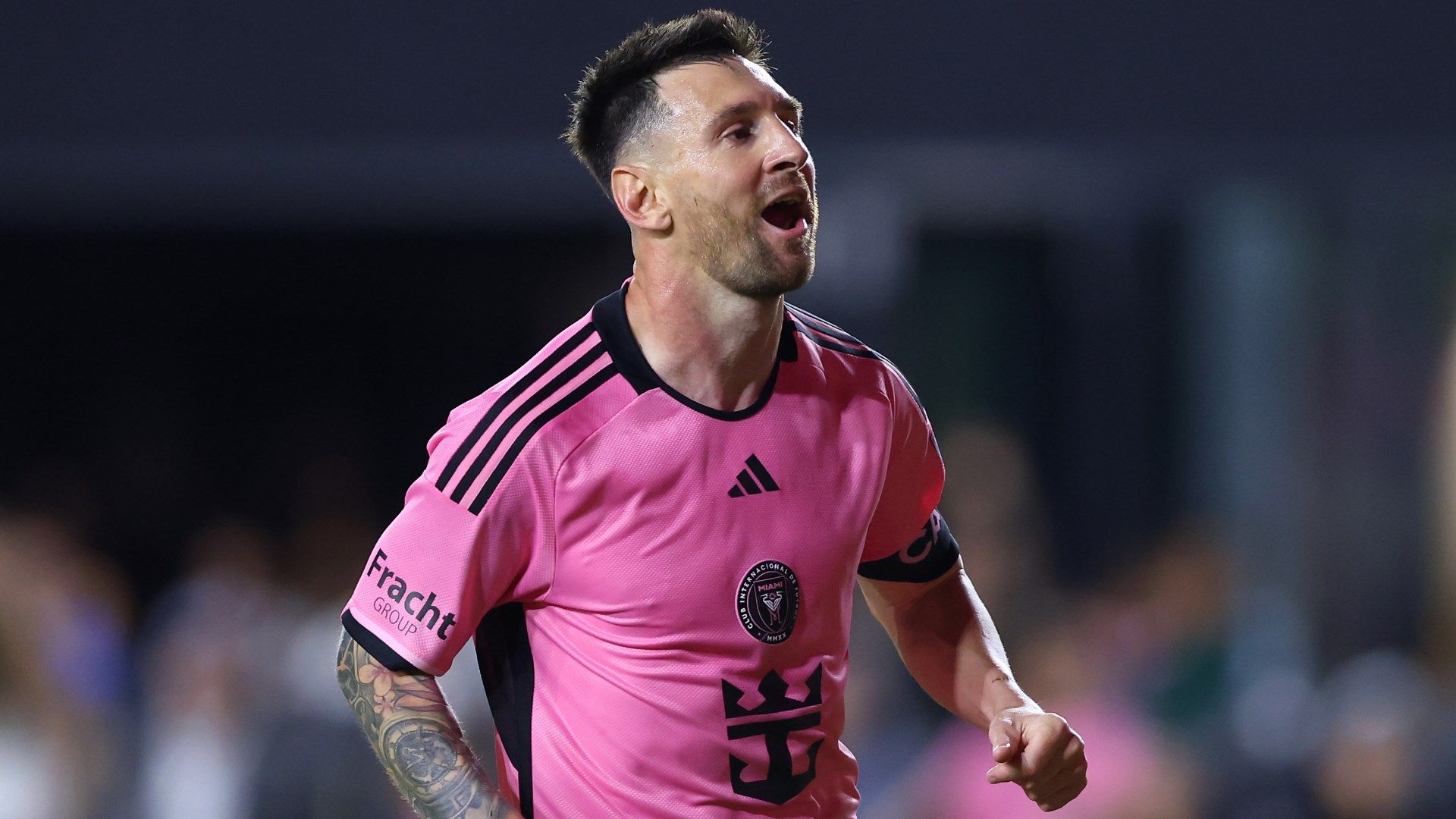
It's a nice thought, isn't it? A club rising from the smallest of towns all the way to the big leagues. Lionel Messi's Inter Miami having to take on a club from, say, New Mexico, with that team earning their place right there among the best in the country.

Thoughts aren't realities, though, and the American soccer landscape won't bend itself to accommodate Cinderella stories. As fun as it might be, the fact remains: Europe is much closer to changing to fit the American soccer model than American soccer is to adopting promotion and relegation.

  • Jesse Marsch 2022/23Getty Images

    Discussion ignites... again

    As promotion and relegation races heat up all over Europe, the concept remains a talking point in American soccer. In a country so vast with so many big cities, why couldn't there be multiple tiers of professional soccer all on one pyramid?

    College sports, in particular, prove that there are fanbases all over the country that can support literally hundreds of teams. There are 133 Division 1 football teams and 350 Division 1 basketball teams, many of which draw significant crowds in cities all over America. Why can't that be translated to soccer?

    As lower leagues continue to carve out their own niche, that point will gain traction. The USL has built clubs in plenty of markets, with thriving teams scattered all over the country. It's that growth that has American coach Jesse Marsch wondering whether pro/rel is on the horizon.

    Marsch, who has coached in the Premier League, Bundesliga and Champions League, toldCBS Sports Golazo: "The game has come so far, but at some point there will be pressure to move to promotion/relegation. Trying to protect assets and what's happening with the lower leagues... At some point it's going to become inevitable. I'm sorry, but that's just the way it works. I'm a little surprised when FIFA gave us the World Cup [that they] didn't mandate along with that promotion/relegation. That's just the standard everywhere in the world."

  • Advertisement
  • Rob McElhenney Ryan Reynolds Wrexham 2023Getty

    The Wrexham effect

    There's no doubt that this conversation has been furthered by the rise of the Wrexham. The growth of the Premier League in the U.S. has introduced fans to the concept of promotion and relegation, but Wrexham and their Hollywood owners have offered placed the microscope onto the lower leagues, and the dreams that come with playing in them.

    The magic that Ryan Reynolds and Rob McElhenney have captured with their 'Welcome to Wrexham' docuseries has changed American soccer culture. The pair have opened American fans' eyes to a whole new world, drawing in both diehards and casuals with their project in Wales. The club now has thousands of fans stateside, all of whom are on the edge of their seat watching Wrexham's rise up the leagues.

    It's all made for fantastic theatre, so compelling that even the Hollywood duo couldn't have written it. After coming so close in their initial season, Wrexham have now achieved back-to-back promotions, and fans have been captivated the entire time, turning a small Welsh club into a global juggernaut.

    But Wrexham, and every other lower-league club, comes with something that just hasn't quite developed in American soccer: History.

  • Lionel Messi Inter Miami 2024Getty Images

    Why it won't work (at least for now)

    What made Ipswich Town's Premier League promotion so special was the emotion of it all. You saw it throughout the stadium; thousands of fans from all generations showed up at Portman Road for that special moment. For the first time in 22 years, the club is heading for the top flight.

    MLS, by comparison, is just 28 years old. The USL? Just 11. The foundations of American soccer are still being laid and, right now, it's not quite strong enough to support promotion and relegation.

    Ipswich averaged about 29,000 fans per game in the Championship this season. By comparison, the top USL sides average around 10,000. Right now, there's such a massive gulf in infrastructure from the best in MLS to the best in USL, from stadiums to training and everything in between.

    For years, American soccer's lower leagues have been the wild west. Leagues have risen and they have fallen. The USL has done a fantastic job of building their league, but it is still very much being built.

    If promotion and relegation were instituted, promoted teams would be instantly thrown into an impossible situation. Relegated teams, meanwhile, would be thrown into the fire financially. Thrust into a second division with no stars, attendances and TV money would plummet. Right now, there just isn't enough interest to sustain it.

    “Just because there is promotion/relegation in other leagues that were founded on different principles doesn’t mean that it would make sense in Major League Soccer," MLS commissioner Don Garbertold theKansas City Starin 2019. "We have a vibrant No.2 league in the USL.

    "If all of a sudden [expansion teams are] playing in a different division that doesn’t have national revenues - because the USL doesn’t have that - how does that make any sense? There’s no economic rationality to promotion/relegation whatsoever in the era that we’re in today.”

    Much has changed since Garber's comments, as the USL has grown and secured broadcast deals of its own. But, even so, things haven't changed that much. Right now, it just doesn't make sense financially, particularly when you look at the risk MLS clubs would take if it were instituted.


  •  David Beckham and Jorge Mas MiamiGetty

    Follow the money

    This week, Sporticoreleased its list of the 50 most valuable soccer clubs in the world. Most of the big hitters were there: Manchester United, Real Madrid, Barcelona, Liverpool and Bayern Munich made up the top five.

    Guess which league had 20 of the top 50, though? MLS, who was far and away the most-represented league, ahead of the second-placed Premier League with nine.

    So why are MLS clubs so valuable? In one word, safety. Clubs are regularly being bought by billionaires and, if you know anything about billionaires, they like to know what they're investing in. When you buy an MLS club, you know exactly what you're getting: a piece of this big, growing soccer pie that will almost certainly see its value go up in the next few years.

    For MLS owners, there's no incentive to institute promotion and relegation. Could it lead to more money for teams at the top due to increased interest? Certainly. Casual fans would likely be drawn in by it all. But is that increase in interest worth potentially losing it all? Probably not. It would be a mighty big gamble, one that could see those that put their money on the table lose it all with one bad season.

    MLS owners are instead content with a safe, steady rise. It's like putting your money into an index fund rather than crypto. Because of that, it's easy to see why MLS is largely protecting itself and building its own American soccer picture.

  • Don Garber MLSGetty Images

    MLS' attitude

    It's become clear in recent years that MLS wants to do its own thing, which has become a point of contention. The league has created the Leagues Cup, an annual duel with Liga MX that has certainly impacted performance in the CONCACAF Champions Cup. It's a huge event between two massive leagues, and it's controlled by both of them rather than federations or outsiders.

    Meanwhile, MLS' decision not to take the U.S. Open Cup seriously remains a fracture point. Citing the increased number of games due to the Leagues Cup, just eight MLS first teams and nine MLS Next Pro teams were included in the tournament field for 2024. It was the first time since 2011 that any MLS team at all didn't participate.

    "The question really is, are rosters big enough and are we developed enough to have our teams play in 50 games a season? I believe we need to get to the point where we do, but I also don't think we should be playing in tournaments that are not driving value for our players, for our teams, and for our fans. It was part of the very controversial decision that we made about limiting our participation in the U.S. Open Cup," MLS commissioner Garber said this past week.

    "It's less about who controls it, but unless you have a tournament that rises to the level where fans care about it and partners care about it and it's got a real end game," he added. "The end game of the CONCACAF Champions Cup spot and a spot in the Club World Cup where you're competing againstReal Madridand competing againstManchester United, forcing us to see what we need to do to get our teams to compete. When our competition group looks at all the different competitions we, like all pro leagues, need to make some tough decisions and we need to prioritize those decisions."

    MLS' decision was a brutal blow for lower-division soccer. Without the revenue and interest generated by MLS teams coming to town for cup matches, clubs in the lower leagues have and will lose out on lots of money. That money is crucial to some of these clubs, who now won't get the chance to host, say, Messi and Miami.

    MLS is protecting its interest, rightfully so. As a league, the goal is to grow the game as those involved see fit, but also to make money for those that have invested in that growth. That aim, at times, will put them at odds with lower-league soccer, which only pushes this dream of promotion and relegation further and further away.

  • Super League Protest Manchester UnitedGetty Images

    Europe looking on

    It's a harsh reality for many, but it's true: We're much closer to Europe becoming like MLS than MLS becoming like Europe.

    Europe got close just a few years back with the Super League push, which would have guaranteed safety to the world's best in the same way MLS does to their clubs. There was still something of an open door for other teams to qualify, but make no mistake: European clubs looked across the pond and wondered 'why aren't we protecting ourselves like they do in the States?'

    It's not the only American idea brought to the world's game. Financial Fair Play was instituted to protect clubs from themselves as many spent and spent until they could spend no longer. Proposals for salary caps are still out there as stakeholders look to even the playing field a bit more amid the rise of state-owned clubs.

    Promotion/relegation is embedded in European culture, so it would be stunning to ever see that done away with. But even so, there are plenty of owners in Europe that are wondering what life would be like without the constant threat of suddenly missing out.

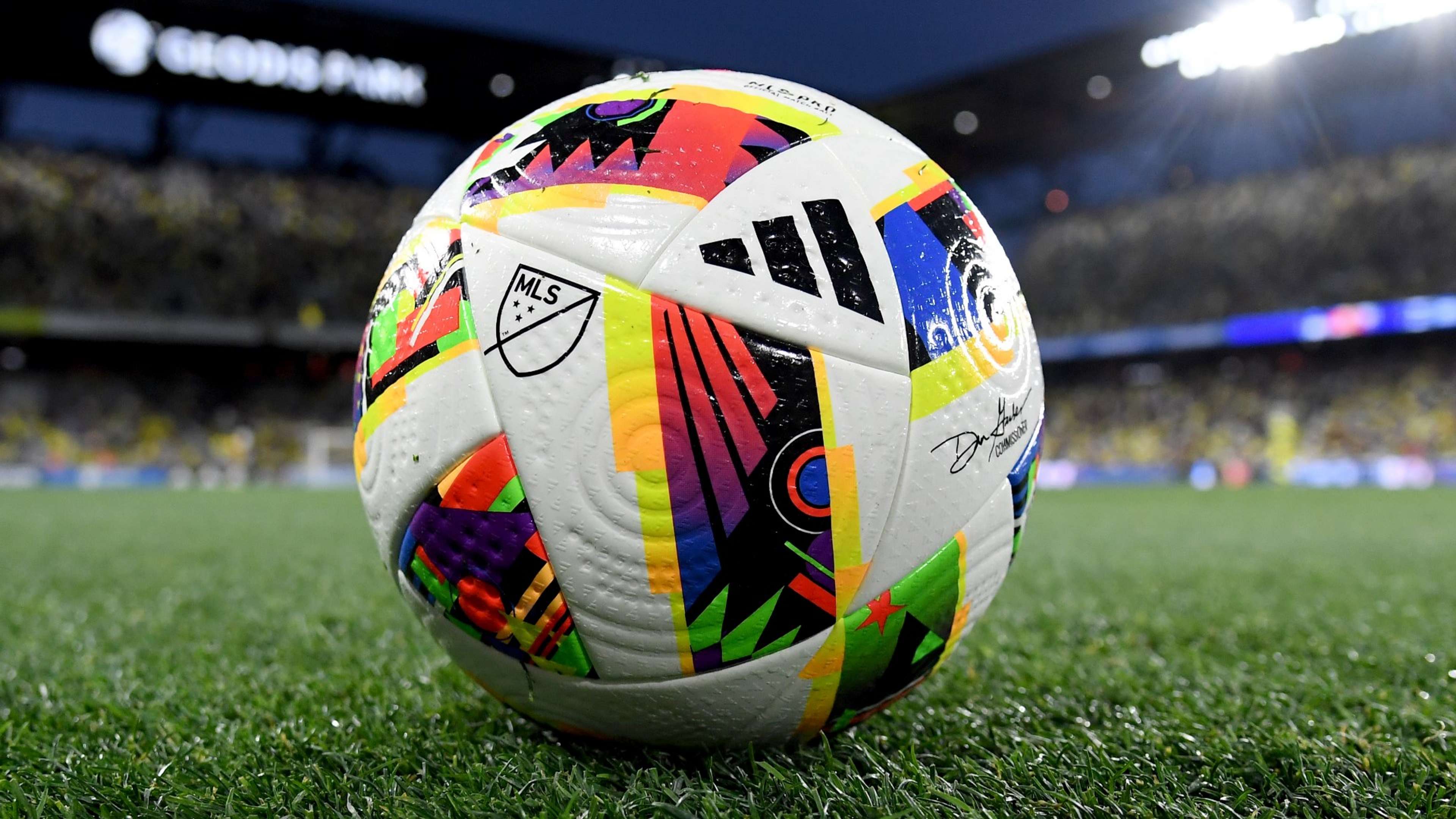
  • MLS Match Ball 2024USA Today Sports

    Hope for the future?

    Not all hope is lost, though. Someday, a version of promotion and relegation could find its way to American soccer. Charles Altchek, president of MLS Next Pro, pointed to the league's ongoing expansion. Right now, the league has 29 teams with three more to come in the next two years.

    "There's a lot of opportunity, a lot of open markets, a lot of great cities that don't have professional soccer in the U.S.," he told AFP. "We are a little ways from that, but when you start to have 40 teams playing, you've got some scale there. Would you consider adding a second division? If you get to that point, could we come up with some really creative, competitive formats between the divisions? Certainly between division two and three within Next Pro. And then the question is what could you come up with that's really creative that could include division one?"

    The USL, meanwhile, is exploring its own version of promotion/relegation. The league already has 24 USL Championship teams, 12 USL League One teams and 128 clubs in USL League Two, in addition to incoming women's competitions.

    “We’ve been pretty vocal that we’re exploring what that could look like,” USL Championship president Jeremy Alumbaugh told the Guardian. “It’s a big task. It’s a big change for our leagues, our owners and our clubs. If we do it, we need to be very calculated and strategic in how it gets put into play. We’re still doing that work. A lot of it happens behind the scenes, but we haven’t hidden from the fact that we think it could be something unique in the American landscape.”

    Even so, promotion and relegation at the highest of levels is still a long way away. It would likely require intervention from FIFA to even be a possibility. So, despite all of the dreams coming true in Wrexham and Ipswich, fans will likely have to continue watching those sorts of stories unfold on TV for the foreseeable future.