Goal.com
Live
+18 or +21, depending on state | Commercial Content | T&C's Apply | Play Responsibly | Publishing Principles
Clyde Davis GFXGOAL

'You're playing for everybody else' - Clyde Best was one of the first Black players to play in England, but his legacy spans across the Atlantic Ocean

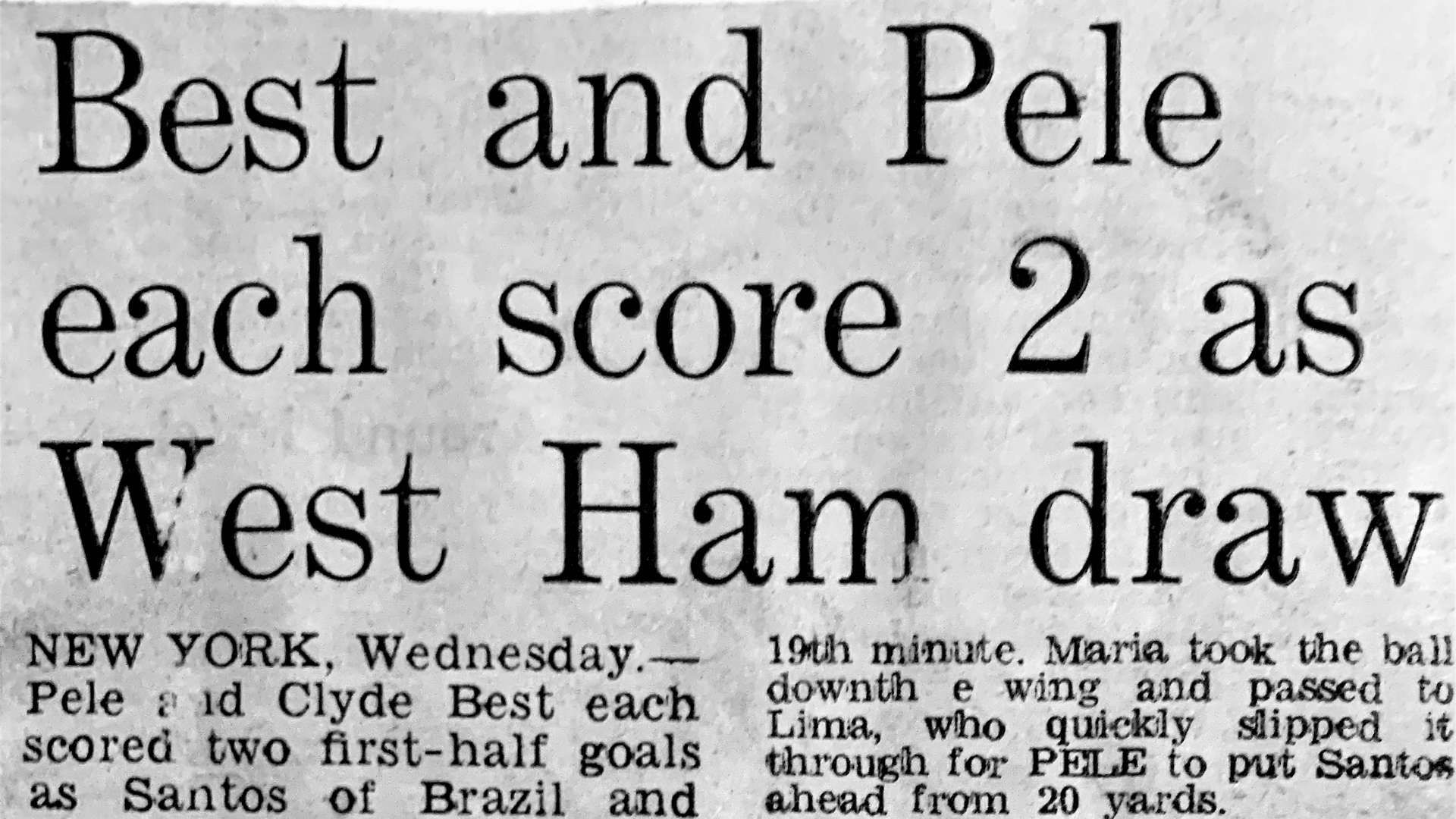
Pele called Clyde Best the prince. It was September 1970, and West Ham were playing a high profile friendly against Santos in Randall's Island, New York - a match set up by the North American Soccer League. 22,000 people were there, roaring in the stands (Sean Connery, supposedly, among them). The Brazilian great, of course, scored a brace for Santos. But the Hammers, too, found the net twice. For them, it was Bermudan forward Clyde Best who bagged the goals. Best remembers the post-match conversation with Pele well, to this day: 

"At the end of the game, Pele came up to me and he said, 'Clyde, let me tell you something. I'm the king, you're the prince,'" West told GOAL from his Bermuda home. 

Such was one of many remarkable stories of Best's winding, rich footballing journey. Best's career was never really for him. Sure, he loved football, and proved, over nearly 20 years, that he was pretty good at it, too. But playing the game, scoring the goals, and operating at the highest level of English football - that was for the other people who followed.

"My Dad told me: Clyde, when you go to England, you're not playing for yourself. You're playing for everybody else that is there, struggling and working to make a living, and those who want to be professional players," he said. 

It was the responsibility of being among the first Black players to succeed in England. His career, he admitted, was perhaps always going to be one that involved a certain bit of struggle. The Bermudan knew that when he signed for West Ham in 1968, there would be open hatred in every single football ground he set foot in. 

But looking back now, those instances don't matter as much. The West Ham years are well chronicled: the struggles, the triumphs, the goals. The American journey after is equally important, he says. Now, 40 years on, Best has realized that his duty was to other people.
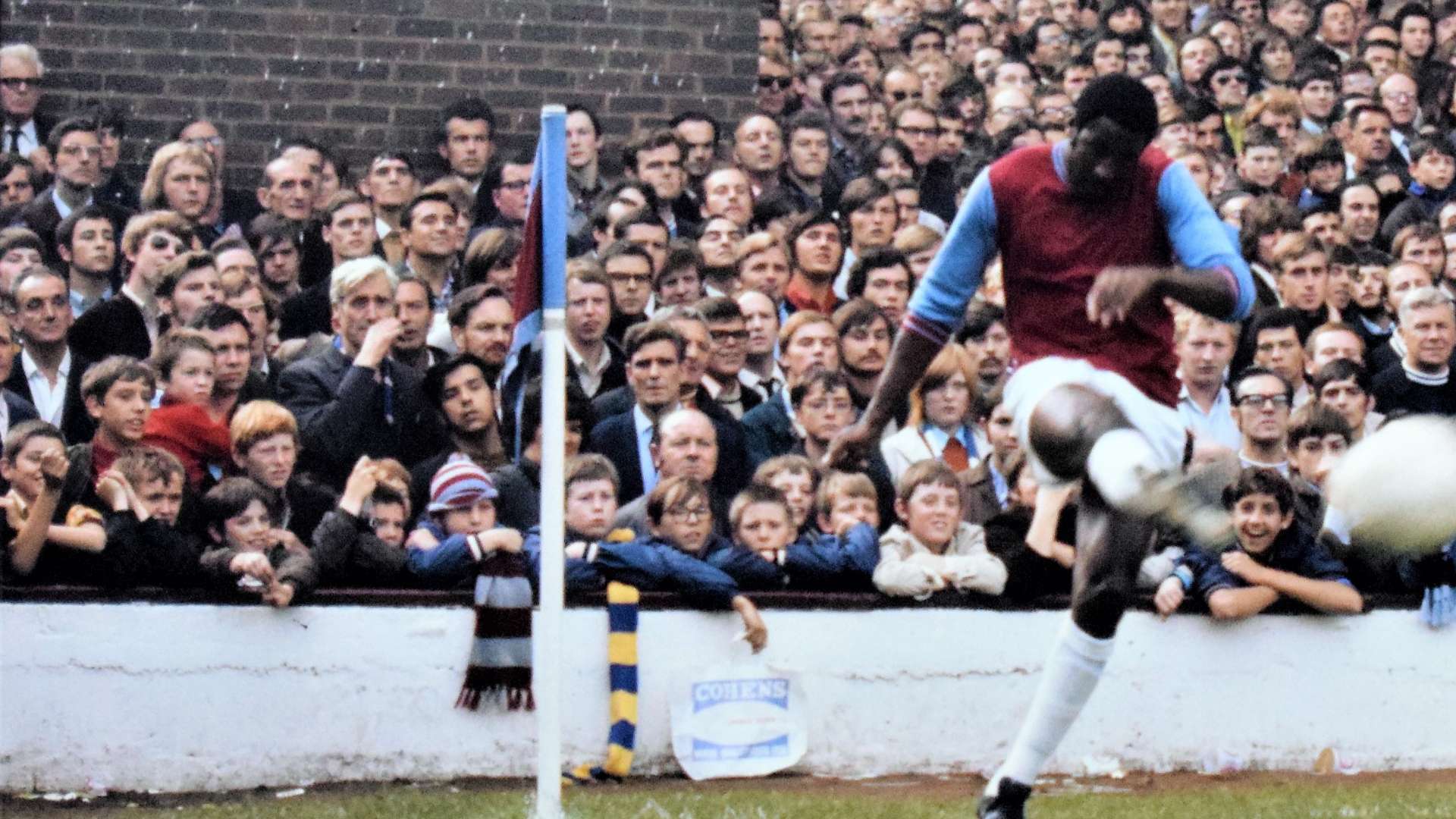
  • Clyde BestWest Ham

    The West Ham years

    Best always knew it was going to be a struggle. He left Bermuda for West Ham as a 17 year old, making the trip across the Atlantic as a fresh-faced striker, and tasked with rising through the ranks as a young Black man in a country consumed by racial tensions. Abuse was both horrid and consistent. Best recalls hearing it from supporters at pretty much anywhere that wasn't Upton Park. He had one fan threaten to attack him with acid when he ran onto the pitch. 

    But none of it was really a surprise.

    "Those people who don't want to change their ways are still going to be there. So you can't do anything about that kind of stuff," he said.

    So much of the conversation around race today is how, exactly, players should react to abuse. Racism continues around the top levels of football, in frighteningly similar forms. Best's approach was to get his head down, play his game, and score goals.

    Lots of them, as it turned out.

    He bagged 58 times in 218 games for the Hammers. Maybe, just maybe, he might have changed a few perceptions, too. 

    "You just got a job to do. You go out and do what you can and to the best of your ability. And my plan was always not to worry about me so much," he said.

    Things took a turn, though, with the 1975 FA Cup Finals. The Hammers had gone 10 years without winning a major honor. Best was yet to lift a trophy at the club. But manager John Lyall left the Bermudan out of the side. West Ham won, and for Best, it was his signal to leave.

    "Everybody wants to play in a cup final," Best said. "And I just missed out. I felt then that the time was right to move on and go somewhere else."

  • Advertisement
  • West Ham HeadlineWest Ham

    Off to America

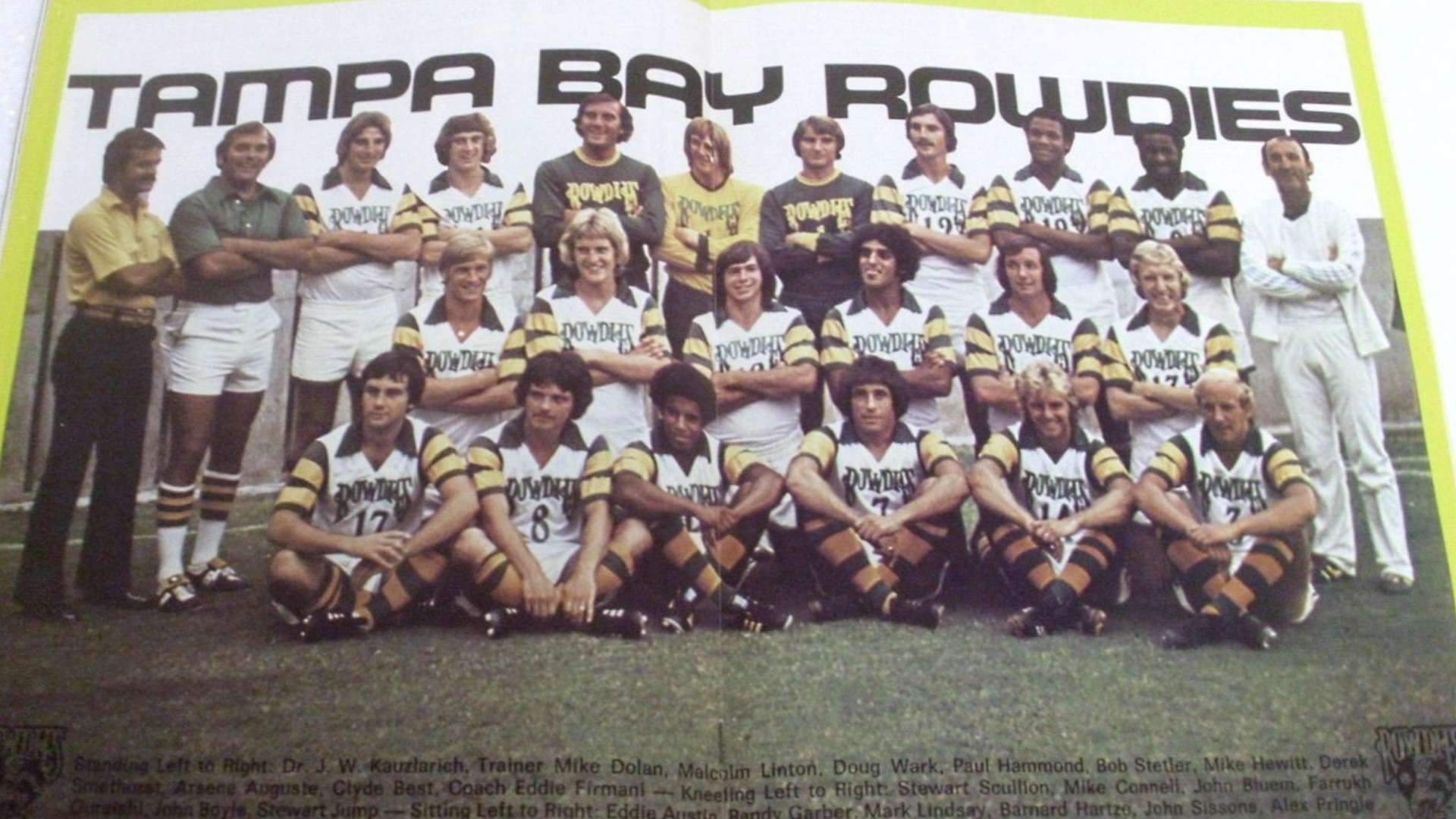
    He needed something new. He was still in his mid 20s, but no longer felt valued by the club. Eddie Firmani, the former Charlton manager, offered a way out. The Italian had just been appointed as head coach of NASL expansion franchise Tampa Bay Rowdies. Best was among his first calls. And the striker didn't really hesitate.

    "It was something new. Tampa, Florida. You couldn't beat that. I mean, it's a beautiful place. It was a good club. So it was a no-brainer," he said. 

    The paycheck helped, too. 

    "The guys like Pele, they made millions. We didn't quite make millions, but we were happy with what we got," Best said. 

    The issue was that Best didn't know much about America. Sure, he had heard of Florida, but he wasn't exactly well-versed in the NASL - aside from the friendly he had played in the States at the dawn of the decade. What he did know, though, was that the money was good, and there was a chance, once again, to do something special.

    "It was a different world, you know? And it's something that you have to adjust to, and it depends on your mentality. You have to come with a purpose. You're coming to help the sport to grow and make it better for those coming after you," he said. 

    At first, there weren't loads to get excited about. The Rowdies were pretty much an unknown quantity, and Best's role was as much ambassadorial as it was to play football. In the first few games, only a few hundred people showed up. Infrastructure wasn't particularly reliable, either. The Rowdies were so short on numbers in one game that head coach Firmani substituted himself in for the final 10 minutes (the local paper reported that he gave 'a pretty good account of himself' in a 2-1 win).

  • Tampa Bay Rowdies debut season Tampa Bay Rowdies

    Success in the States

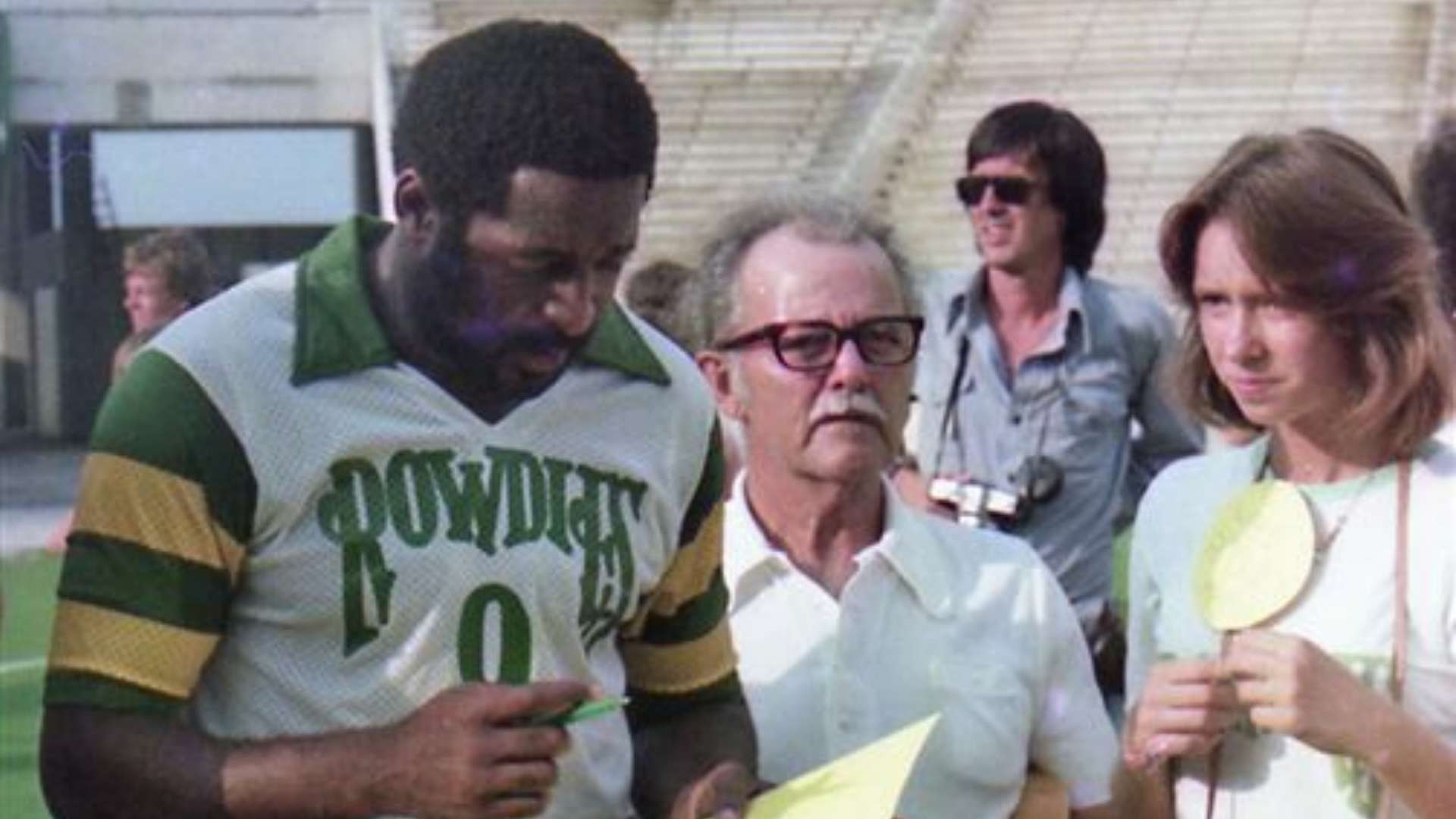
    His NASL career was nothing short of an unparalleled success. The Rowdies were an excellent side, who won the wonderfully named Soccer Bowl '75 in their inaugural season, besting the Portland Timbers, 2-0 to claim silverware early on (Best scored in the 88th minute to round out a comfortable victory). 

    But perhaps more important was the representation of things. The United States didn't really know what soccer was at the time. Sure, there were fans on the fringes, and yes, people knew who Pele was. But there wasn't consistent access to the game, and the USMNT were yet to make a splash at a World Cup. Olympic soccer didn't start until 1984, either. It was Best, the NASL - and not much else.

    "The fans, you know, it took them a little time to get used to it. I mean, if you look at the way they cheered for you, it was hard, but you know, you got used to it," Best says with a laugh. 

    Those days were admittedly strange, not least because of the roster of legends that played in the league: Pele, Johan Cruyff, Carlos Alberto, George Best, and Franz Beckenbauer. There were some pretty legendary coaches, too. All of them - outside of Pele - moved in relative anonymity in the country. Yet off the pitch, they became the unlikeliest of friends.

    "Playing against that quality, you know, it only helps to enhance your game. So all of us, when we put our boots on, it was business. It was war. After the game, you know, you had a good chat and a good sit down and something to eat," he said. 

    For Best, that was just part of the adventure. After a while, though, he got the sense that the game was certainly growing.

    "We started with about two 300 people in the first couple of games, but once they got used to it, we were packing in like 50,000. And then we played teams like the Cosmos, you couldn't get a ticket," Best said.

    And he knew that soccer might just stand a chance once the chants started ringing around Tampa Bay's Stadium. He recalls it well.

    "It goes like, 'the Rowdies are here, the Rowdies are there. They kick the ball around. The Rowdies are here, the Rowdies are there, then they fall on the ground.' And it was fantastic when you got 50,000 people in the stadium," he said.

    Their rivalry with the Cosmos became the stuff of legend.

    "They're coming down from New York to play us, and we wanted to make sure that they don't come and get points. It was a good confrontation between the two of us. At that time, it was Tampa Bay and the New York Cosmos. And the New York Cosmos had the money. They can get who they wanted because people wanted to play with Pele," he said.

  • ENJOYED THIS STORY?

    Add GOAL.com as a preferred source on Google to see more of our reporting

  • Johan Cruyff NASLGetty

    Going back to Europe

    And when they weren't competing against each other, they often played together. 

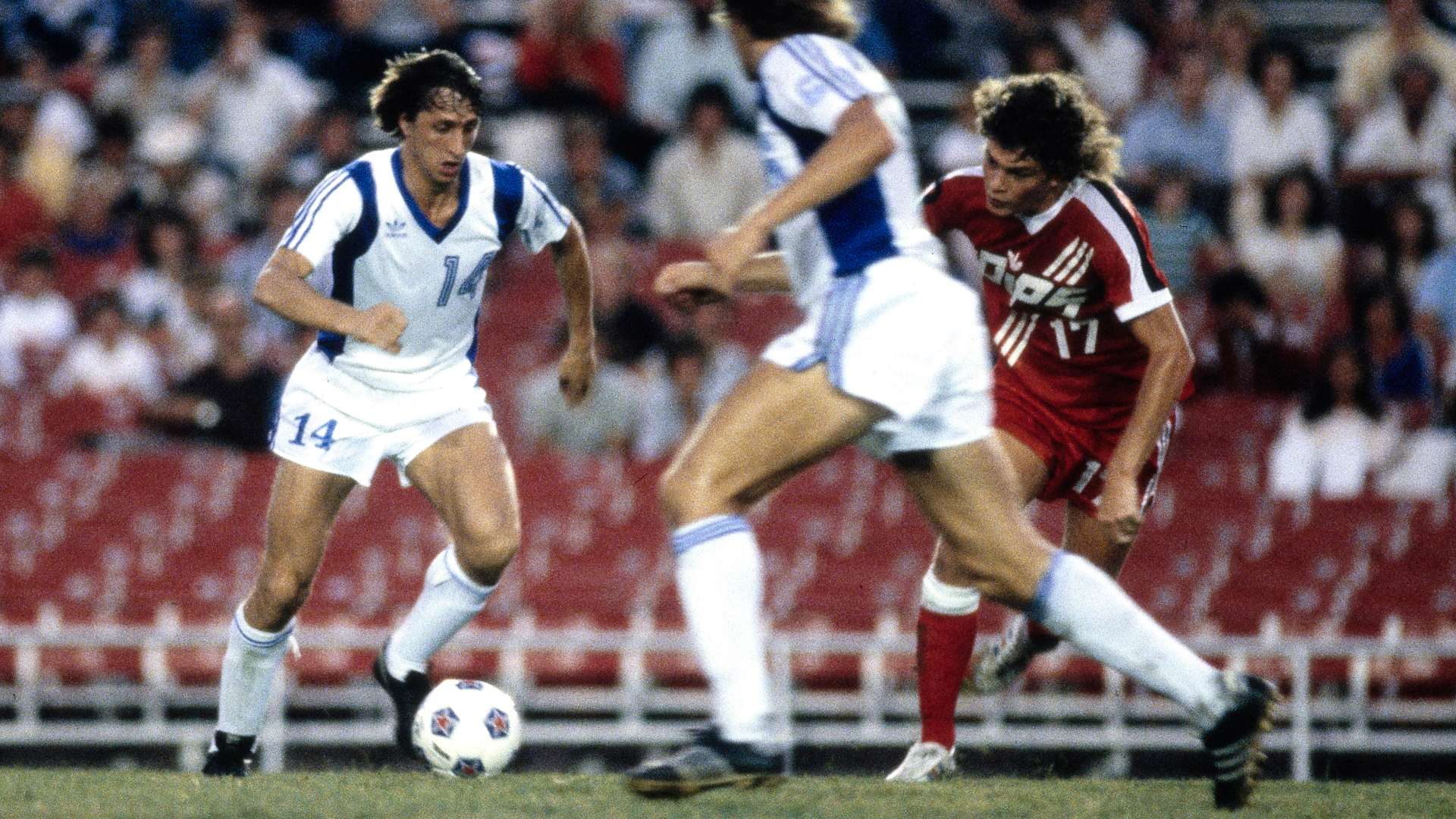
    As part of the NASL's efforts to expand, teams regularly went to Europe to play in exhibition games. That meant often absurd collections of players in the same lineup to spread the NASL gospel. Best recalls one instance well. He was invited to go on tour as part of the rival LA Aztecs for a series of fixtures in Europe. He figured it was a pretty good opportunity, not least because the Aztecs featured Cruyff, and were coached by Rinus Michels, the legendary manager credited with inventing "Total Football." 

    So, in October 1979, Best found himself representing the Azetcs and pitted against PSG at the Parc des Princes. They played the Parisians pretty much even in the opening exchanges, before Best won a penalty.

    He instinctively handed the ball to Cruyff. But the Dutchman refused.

    "I picked the ball up, and I said, 'This is for you. You're the best player in the world. You take the penalty.' He said, 'You won the penalty. So you take it,'" Best recalled.

    Best smashed it home and celebrated with Cruyff. The Aztecs won 2-1. Over two months, they played nine games in Europe, winning four, losing three, and drawing two, all while facing off against a number of top European sides. It was a tidy indicator of how good the NASL was at the time.

    "We had class, class people playing in the NASL, and we wouldn't have been ashamed to play against teams from England, Germany, and places like that," he said. 

  • Clyde Best RowdiesTampa Bay Rowdies

    Sticking around in America

    Best could never quite let go of America. He played for the Rowdies' outdoor team for a year, and bounced around the country for a while after. A brief interlude with Feyernoord proved fruitless - and he returned to the States. He made 118 appearances for the Timbers' outdoor team, and also made four stops for various indoor sides. 

    "If you can play football, you can play indoor; it's no different. You've got to put your foot into it. You got to have good technique," he said.

    The finale came in Southern California. He signed for Toronto Blizzard in 1981, and regretted it almost immediately. He lasted one full regular season before deciding that the cold of Toronto wasn't for him. So he called up a contact, and asked to sign for the Los Angeles Lazers, then owned by the Buss Family - who at the time were running the Showtime LA Lakers.

    "I was freezing my you know what's off, and I didn't like the cold. So I called [the coach]. I was on the plane, first thing, smoking, I told my wife, you've got to sell the house. I'm going," he said. 

    And that was more or less it. He played 90 times for the Lazers, scored 29 goals, and saw out his playing days in Southern California. He had been there before on tour with West Ham, and it was the perfect place for him to go out on his own terms.

    "I've always had it in my mind that I'm going to walk away when I'm ready. I'm not going to let nobody tell me that you're not going to get a contract no more. So I decided to pack it in. And that was it. I didn't want to play anymore. I just called it quits," he said.

    Best stayed in Southern California for 15 years, switching between playing and coaching. That, to him, was paradise.

    "I just fell in love with the place. It's a lovely place and a wonderful state," he said.

  • Clyde BestTampa Bay Rowdies

    Looking back on the old days

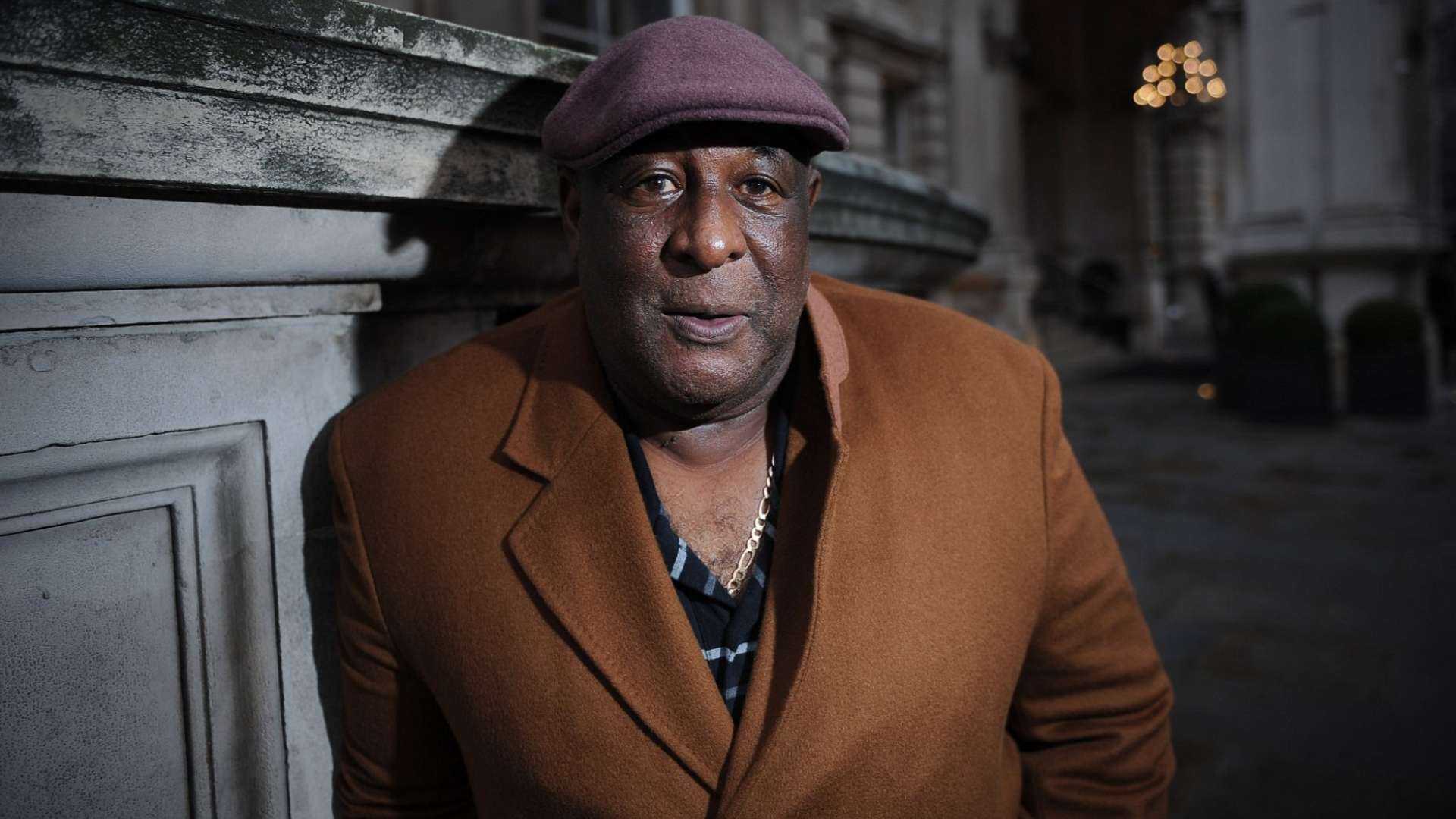
    Best is 75. He has been awarded an MBE, and is regarded as a pioneer in football. He has no regrets, at this point.

    "The people [at West Ham] were fantastic, from the lady that done the tea and the washing gear and the groundsman, everybody was like a big, big family, and it's a decision that I'm glad I made," he said. "I'm still blowing bubbles today." 

    Nor does he buy into the narrative that he walked into a toxic culture. Everyone that he played with, he liked. His friendship with England legend Bobby Moore, too, was invaluable during his career.

    "Practically everybody in the professional games that you played against with decent people," Best said. "And we got on, we were all footballers, and we all wanted to beat one another on the day. Once the game's over, you're back buddies, and you just do what you have to do."

    Now, Best has a documentary coming out, Transforming the Beautiful Game: The Clyde Best Story. It premieres in London next month, and the U.S. in late spring. It's about his career, and his journey from Bermuda to West Ham - and back home again. It was pointed out to him that he moved from West Ham to America at 27 - the same age as Jackie Robinson when he became one of the first Black players in Major League Baseball. Best likes that parallel.

    "You look at the famous baseball player in America. He was 27 years old when he got pointed out. I left Bermuda as a 17-year-old to go to England, not knowing where I was going," Best said.

    Fifty years later, and with plenty of time to reflect, the man whom Pele called "the prince" has made the right decision every time.