
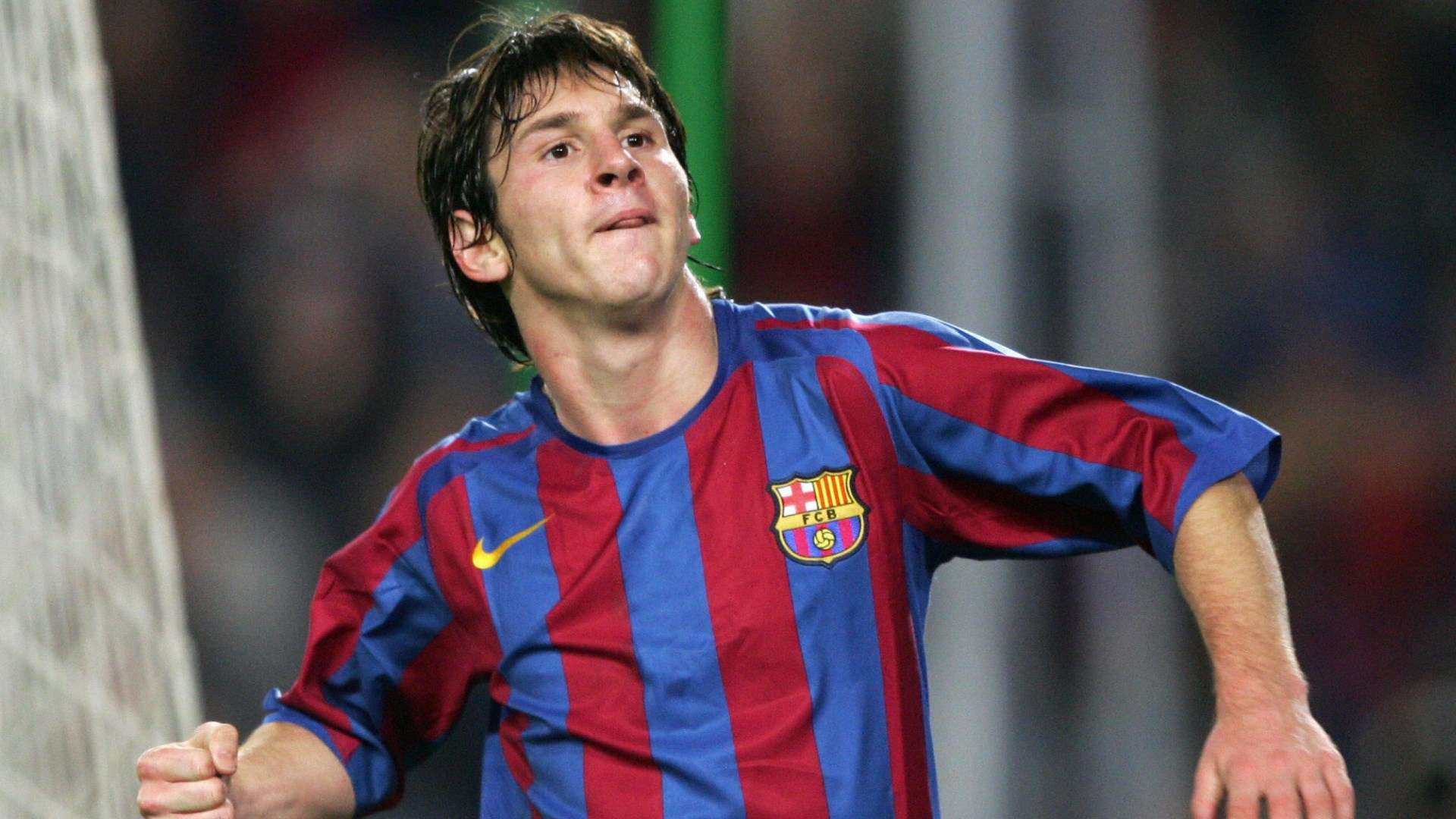
“So, I took the napkin,” Carles Rexach says as he takes an invisible napkin from the table in front of him and puts it on his leg. “And I wrote down ‘as FC Barcelona technical director, I agree to sign…', and so on. His dad’s mind was put at ease, and I became all hard-headed and went to the club to thrash out the details...”
.jpeg)
We’re sat in a room at the very prestigious Real Club de Tenis Barcelona in a very smart part of town. The water is sparkling, and the windows are massive. There are surrealist and modernist and contemporary posters advertising tennis tournaments on the walls. Outside, the punch of rubber on strings echoes around the terracotta clay courts.
As Carles Rexach continues to talk with his hands to me and his voice to our Spanish interpreter Alberto, his eyes start to tell stories too. They flicker back to the year 2000 when he heard about a boy they called La Pulga, The Flea, from an Argentinian friend. The boy was someone you'll know as Lionel Messi.
Carles was in charge of scouting for the Barcelona first team at this point, not the youth team, and essentially said, “Bring him over, but he better be f*cking good.”
He wouldn’t have long to find out.


Messi arrived while Carles was in Australia for the Olympics, and the coaches back in Barcelona were telling him things about the boy. “I was like, ‘So what about this kid?’ Some said, ‘I’d sign him because he’s a technically gifted guy.’ Others said, ‘It’s as if God has come to Spain.’ While others would say, ‘Don’t sign him; the kid is too small.’ and ‘He can’t play serious football here.’ So what happened was that I said, ‘I’ll decide whether he stays or not.’”
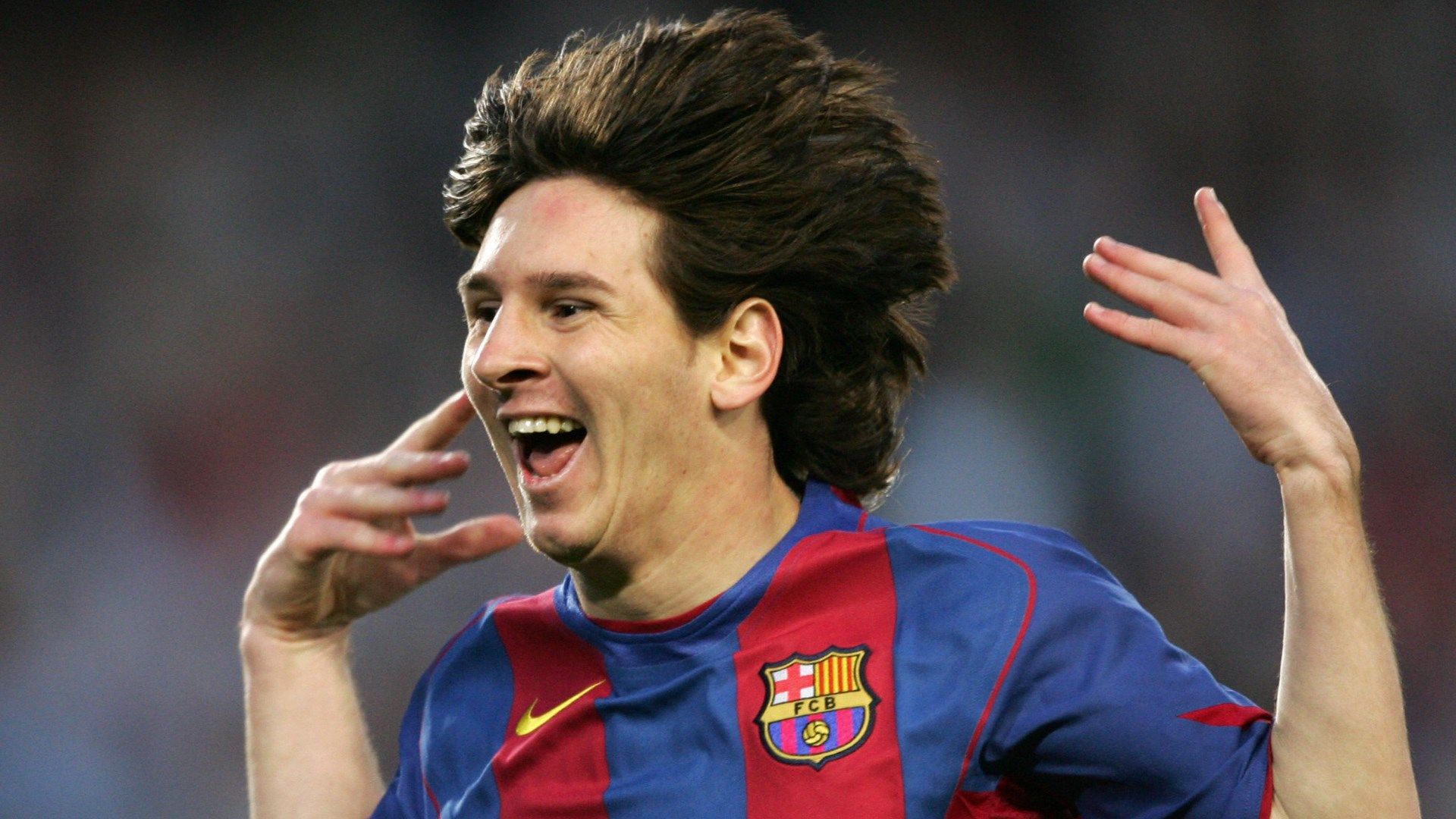.jpg?format=pjpg&quality=60&auto=webp&width=380) Getty Images
Getty ImagesOn his return to Barcelona, Carles organised a game for 5pm at the club's training ground for Lionel to play against lads older than him. It was October 2, 2000, and the game was set up to see “how the poor lad does”. As the game kicked off, Carles walked in by the corner flag and had to walk around one half of the pitch, around the back of the goal, and then back up the other side of the pitch to sit on the bench.
“As soon as I reached the bench, I said, ‘Sign this guy; he’s the best here.’” Carles says, still talking with wise hands. He’s tall, grandfatherly, but his eyes twinkle like a kid when he talks about Lionel.
“He was doing amazing things. The kind of things that you could show people who know nothing about football, and they would tell you he was the best too. Nowadays, sport is all about schools, places that teach you to control the ball with both feet, shooting techniques, but what Messi did was so natural; he was self-taught. What he did was so persistent, so quick, so brave. If he was tackled or a defender roughed him up, he’d be able to stand his ground.
“He was complete. I couldn’t believe he existed.”
Lionel Messi, this tiny thing, did exist. But it was about to get complicated…
The above is an excerpt from MUNDIAL’s Issue 24 cover story A Boy Called Lionel. Click here to read the full thing over on the MUNDIAL site…