
This page contains affiliate links. When you purchase through the links provided, we may earn a commission.
Presented byModeloDrink responsibly. Modelo Especial® Beer. Imported by Crown Imports, Chicago, IL For 21+
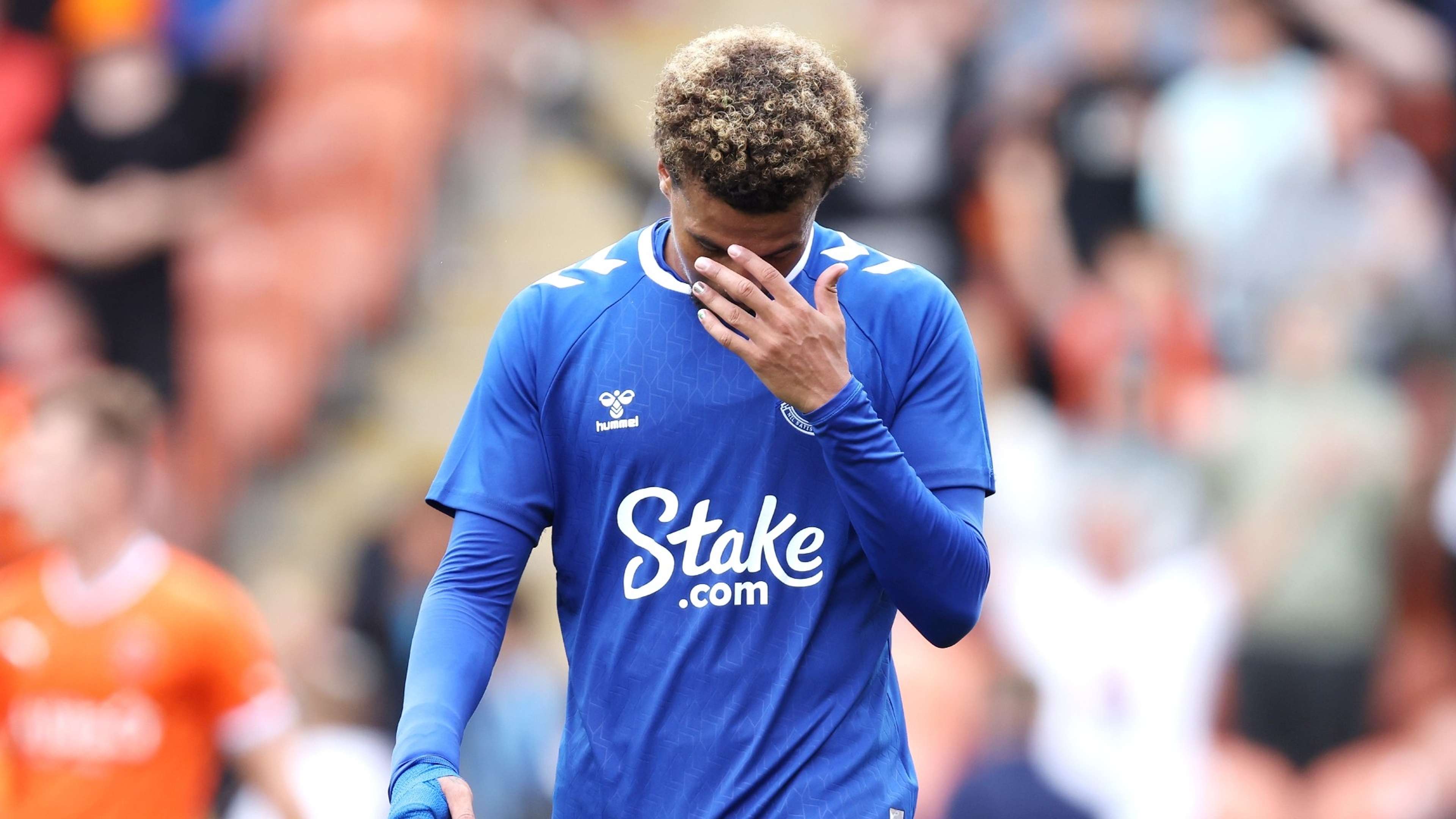
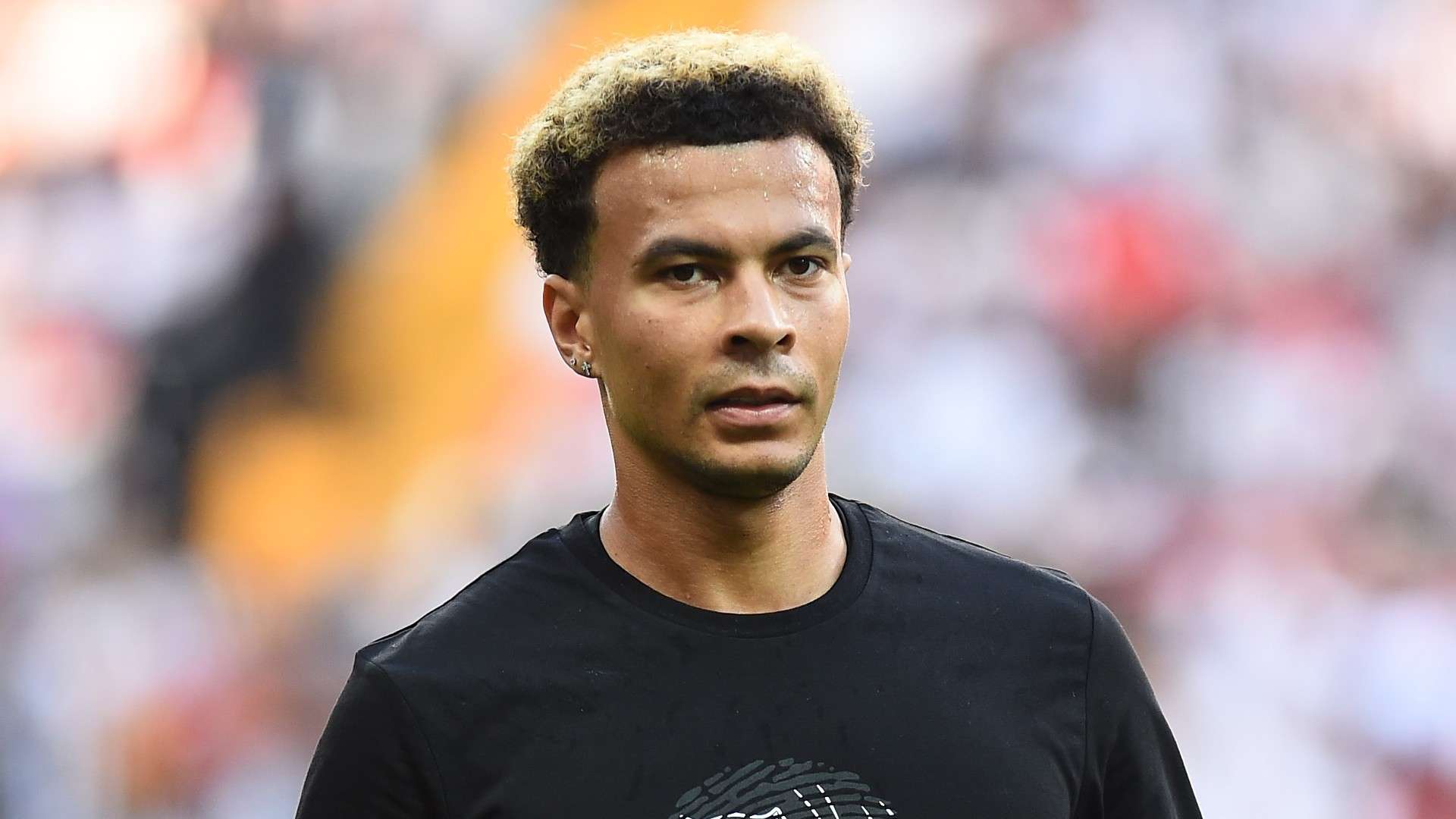
Dele Alli splitThe Overlap/Getty

Brave Dele Alli is an inspiration - opening up on addiction struggles & childhood trauma will help pave the way for others to get the help they need

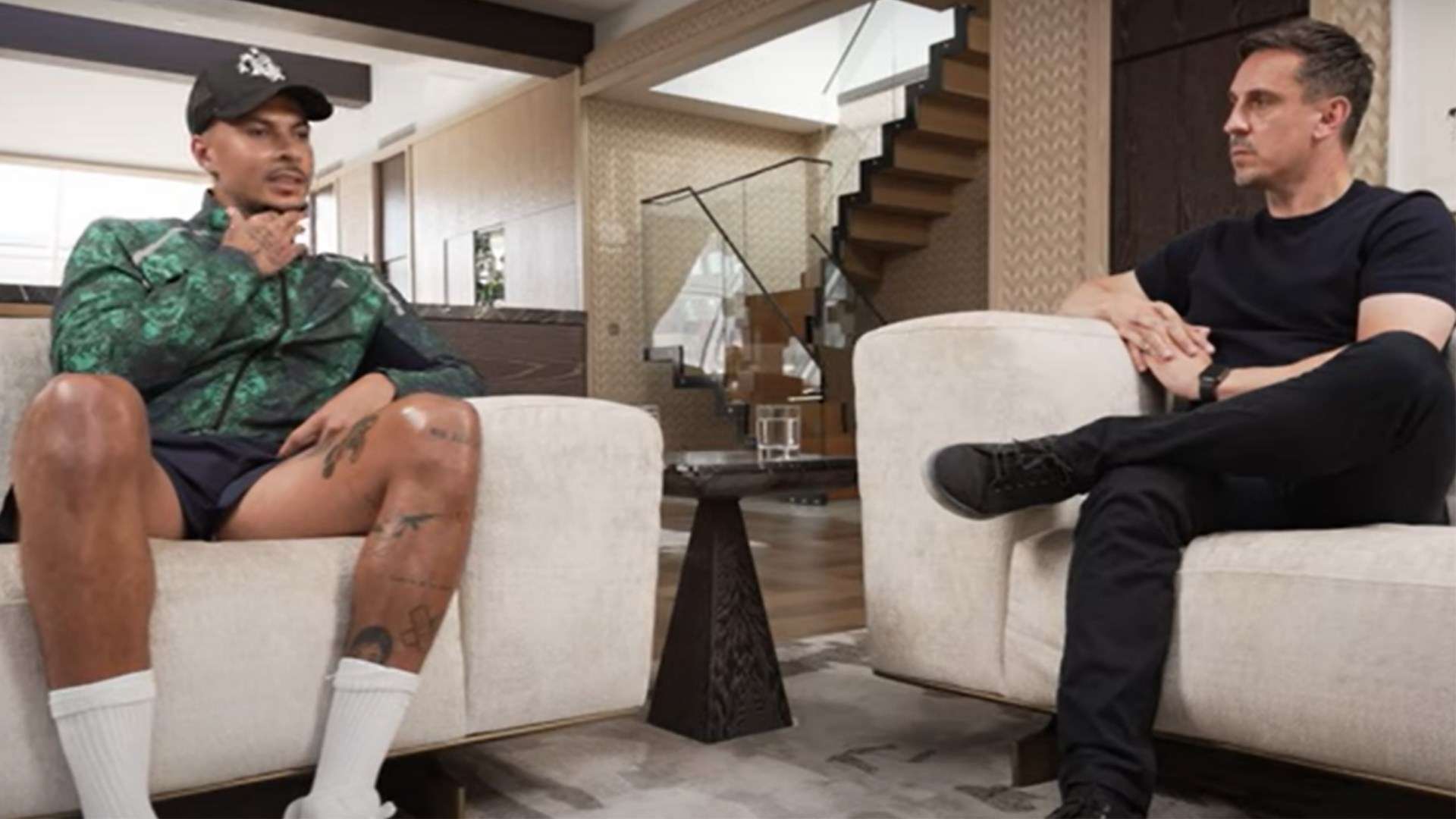
It was a haunting watch yet utterly gripping at the same time. Dele Alli bore his soul to Gary Neville, revealing harrowing stories from his childhood which have left him scarred forever. Despite going on to become one of the best players in the world, a star for England and one of the top performers in the best Tottenham side in the modern era, the trauma of being sexually abused as a child never left him. And when he struggled for form and lost his place in the Spurs team, his past ate away at him in the form of alcohol abuse and sleeping pill addiction.

Dele's interview on The Overlap with Neville was a rare occasion of an elite footballer opening up on his troubled past, admitting he had sought solace in substance abuse. Dele looked understandably shaken at certain moments in the interview, and Neville supported him throughout. But it also seemed to be a cathartic experience. As Dele explained everything he has been through in the last few years and the pain that has dogged him underneath the surface since he was a child, he was slowly lifting a weight off his shoulders.

And at the same time that he was opening up, he was encouraging others who have experienced trauma to seek help, to try and find a way out of the darkness.

“Trauma is trauma and your body registers it in the same way no matter what it is. We all think we are so unique that no one has the same problems as us but speak to a few people and you realise you have a lot more in common than you probably think,” Dele said.

  • Dele Alli BesiktasGetty Images

    Devastating impact

    The interview led to an outpouring of support from the football community and wider society towards Dele. And Anthony Kelly, from the National Society for the Prevention of Cruelty to Children (NSPCC), believes Dele's interview will give hope to other victims of child sex abuse.

    "When someone with a high profile role or someone in the public image shows that child sexual abuse can happen to anyone it hopefully encourage others to speak out and seek support," Kelly, NSPCC Direct Services Manager at the Hargreaves Centre in Liverpool, tells GOAL.

    "We’ve seen a professional footballer speak out about experiencing sexual abuse, that lets others in a similar situation know that they’re not alone.

    "Childhood abuse can have a devastating impact on those who experienced it and it can last long into adulthood. Some are worried that by speaking out they may get into trouble it might upset their families it might somehow be perceived as being to blame.

    "But we’re always keen to remind people that’s never the case and we’ll always encourage people who experienced abuse no matter when it happened or who the perpetrator was to speak out and seek support."

  • Advertisement
  • Dele Alli Overlap Gary NevilleThe Overlap

    More than 100,000 calls

    The figures on child abuse are truly horrifying. According to the NSPCC, more than 100,000 calls of child sexual abuse were made to police last year but Kelly stresses "the true scale of this devastating crime is much higher".

    The one positive is that victims now feel more confident about speaking out and the authorities are taking on more cases. Society is also becoming more understanding of the issue.

    "Over the last decade since the Jimmy Saville scandal came to light society’s attitudes towards sexual abuse and the willingness to report it and how police approach these investigations have significantly changed,” Kelly explains.

    “The NSPCC has done some work on that, we’ve got some programmes through our NSPCC learning which deals and helps professionals understand the impact of sexual abuse on children and the impact of sexual exploitation as well.”

    Childline, the NSPCC’s helpline for children who have been the victims of abuse, delivered 15,515 counselling sessions between 2021 and 2022 where children spoke about abuse. In 2,267 of those counselling sessions, children revealed abuse for the first time.

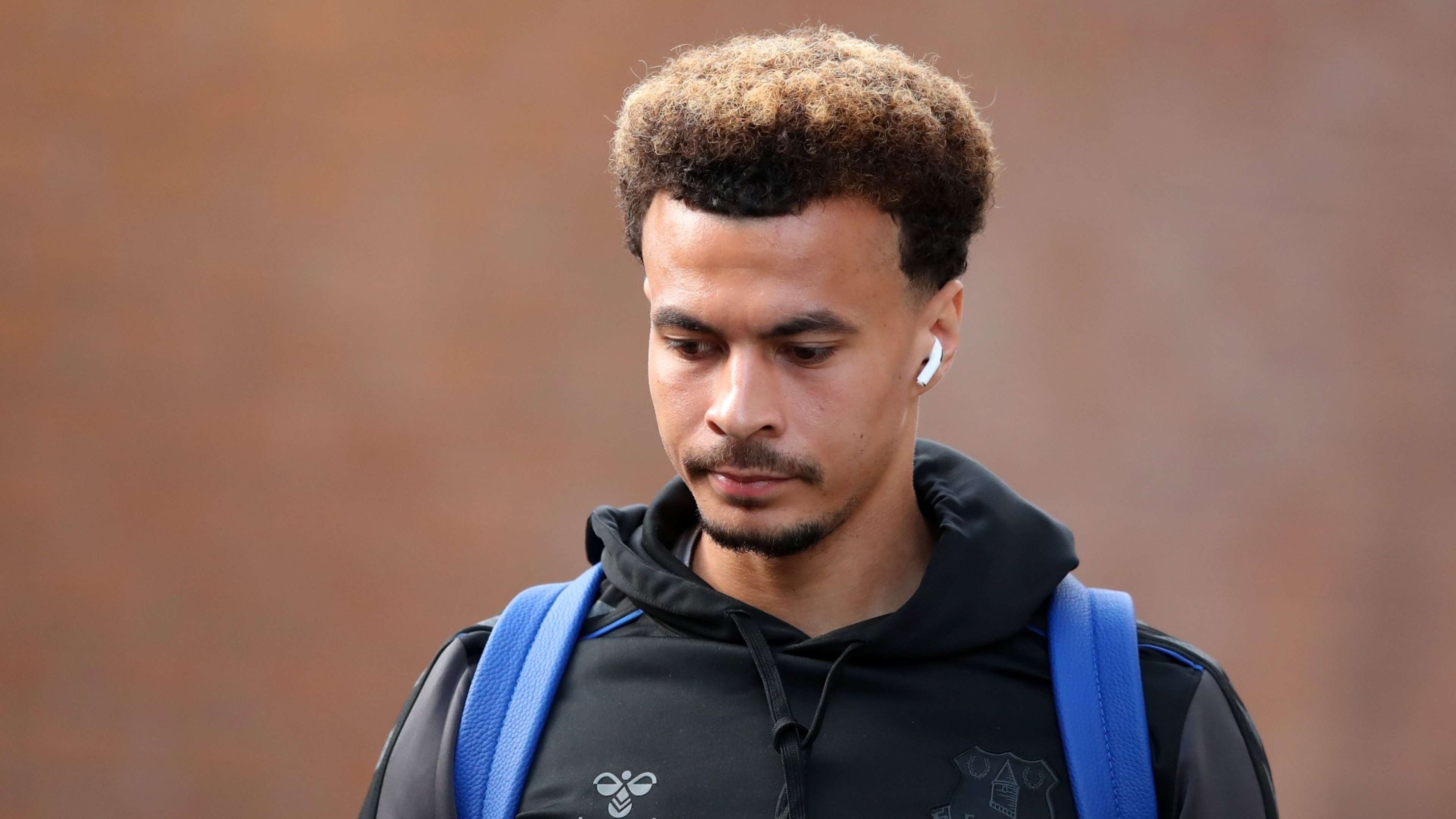
  • Dele Alli EvertonGetty Images

    'It's important athletes feel secure to speak out'

    Given what we now know Dele had been through, it is remarkable that he went on to become one of the best footballers of his generation. Aspects of his upbringing were known, such as the fact he preferred to be known as Dele rather than by the surname of his biological parents, and that he was adopted.

    The scale of his suffering as a child, however, was hidden, and it is no surprise that he hid it for so long. Elite football is an unforgiving world and until recently showing emotions could have been seen as a sign of weakness. But the fact that he has come forward and told his story is a sign of progress.

    “The pressures that come with being an athlete or a high profile figure are undeniable but speaking out and seeking support for child sexual abuse is always the right thing to do. Our view is that no one should be left to suffer in silence,” Kelly adds.

    “Top athletes may feel the need to present a certain image and it’s important that they feel secure enough in their working environment to speak out. The NSPCC works with sports clubs across all levels of the UK and it’s good to see Everton and the footballing community showing support for Dele Alli throughout this period.”

    Everton have also backed the NSPCC’s ‘Safety in Sport’ campaign, which promotes safeguarding in children’s sport.

  • Dele Alli Besiktas 2022-23Getty Images

    'Incredibly brave to tell his story'

    The Professional Footballers’ Association also provides support for current and retired footballers who are struggling with their mental health.

    “It's incredibly brave of Dele to tell his story with such honesty,” the PFA said in a statement to GOAL. “The PFA provides a wide range of wellbeing services for members, including a 24/7 helpline for immediate support right through to funded counselling sessions and residential rehabilitation.

    "A significant number of players access and benefit from these services. Every one of them will at some point have made the very personal decision to reach out and ask for help. As Dele says, that can be an extremely difficult and overwhelming process.

    "That’s why it’s so important when people like Dele speak with such openness. We work very hard to make sure players are aware of the support that is there for them, but also to help remove the barriers that might stop people asking for help, whatever their issues may be."

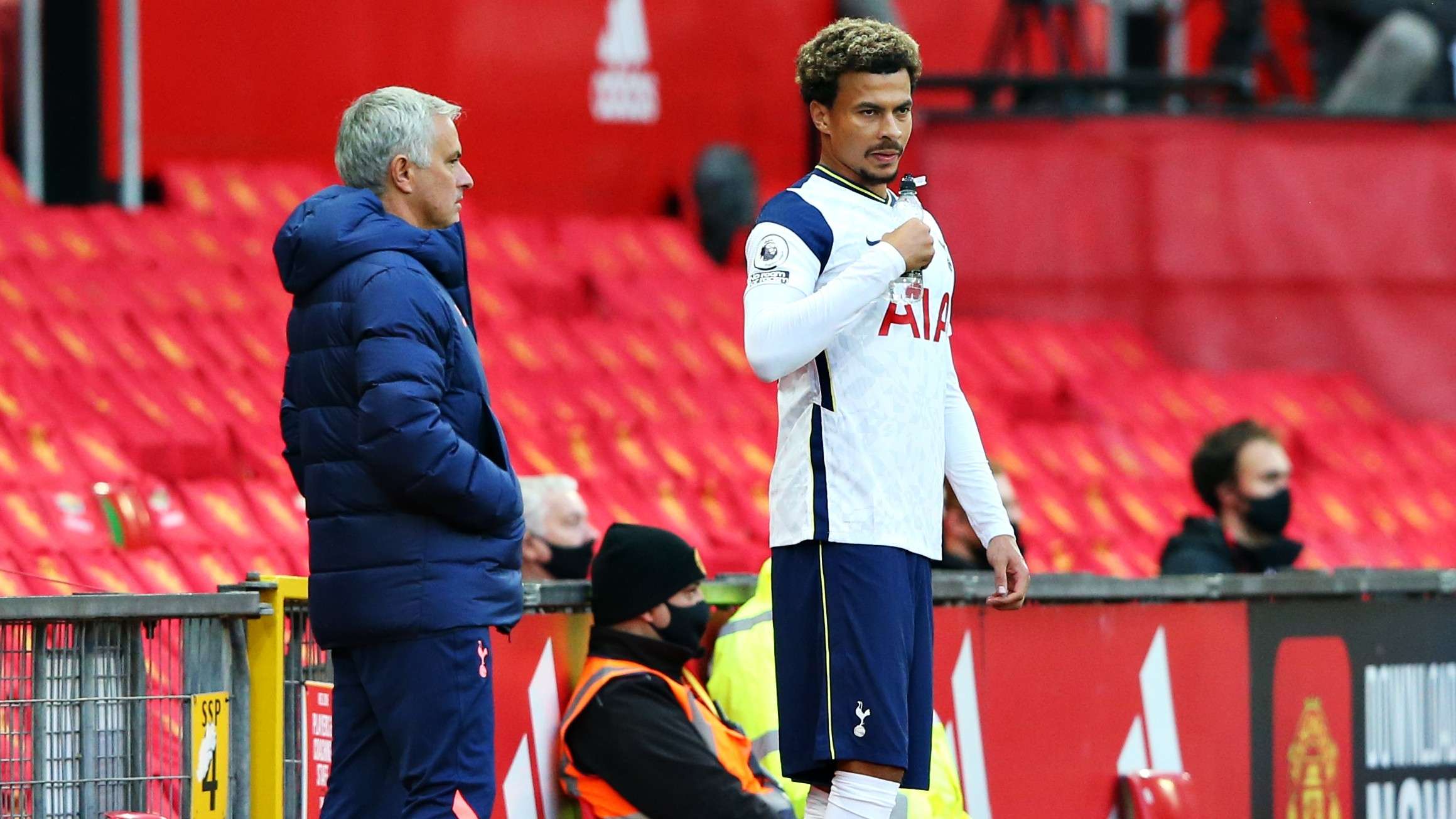
  • Dele Alli Jose Mourinho Tottenham Getty Images

    The impact of social media criticism

    Even before he spoke out, there was a perception that Dele was, in his words, “a party boy” when he was breaking through. He says that was not true until he was 24 and then “it got to a point where that [the partying] happened, and I was in a bad place”.

    Dele also spoke of the impact of Jose Mourinho calling him “lazy” in the Amazon Prime documentary All or Nothing that was watched by millions.

    Although he did not speak in depth about social media during his interview on The Overlap, Dele spoke in All or Nothing about what social media can do to a footballer's self esteem and mentality.

    "Social media gives everyone a platform to voice their opinion. One minute it’s ‘I hate you, leave our club.' Then next week it’s like, 'I love you so much.’ Obviously it’s if I’ve scored or not. If you listen to what people say when they are saying good things all the time, you can get carried away with yourself. And if they are saying bad things, you can obviously lose confidence."

    With Dele having been through what he had, excessive social media criticism must have cut even deeper. The NSPCC also highlights the impact social media can have on young people and the charity is campaigning to amend the UK’s Online Safety Bill.

    "We want the internet to be a safe place we want it to be safer for children part of that can be the impact that can have on children when they’re growing up and the impact it has on the way people act on the internet," Kelly adds.

  • Dele AlliGetty

    'There's help out there for them'

    While Dele’s interview was so tough to watch, beneath the trauma there was a positive message, hope of a brighter career for the footballer now he has sought help with his addiction issues and let the world know what he has been through.

    “I want to reiterate the fact that people don’t need to fear change. I think change is always hard, when something’s uncomfortable and difficult, you get a feeling, you get scared, you get the fear,” Dele said.

    “But when you have that feeling, that’s the exact time when you have to jump and go for it because at the other side of fear and change is usually only positive things. And hopefully, me talking about my experiences is helpful to them.”

    Kelly believes that there can be positive repercussions from the interview and more children and adults will feel empowered to come forward and seek help with trauma.

    “I hope for those who might have suffered similar experiences as a child and now an adult or children who can see the bravery that Dele Alli has taken in speaking publicly about it,” he says.

    “I hope it reminds others that they can also speak out about it, that they can go to their parents, a trusted adult, a teacher or friends that they can talk to and the likes of ourselves through Childline and get support themselves. If there’s one thing that I hope comes from this is that impact, that people are reminded that they can talk about this and that there’s help out there for them.”

    Children can contact Childline on 0800 1111 or speak to NSPCC counsellors around the clock through the Childline website – www.childline.org.uk – where they can also find support and advice or use our moderated message boards. It’s a safe and confidential service, and won’t show up on phone bills.

    The NSPCC also runs a Helpline – 0808 8005000 - which provides support and advice for adults who are concerned about the wellbeing of children, also for those who have experienced abuse when they were younger.