

"I have a house in Chelsea, I've lived in Chelsea for many years, I've had a season ticket for many years, I have a business that's based in Chelsea," Ratcliffe explained to the BBC at the time. "When I was living in London for many years, I could go and watch Chelsea. It was quite difficult to go and watch United, so I have split loyalties."
However, perhaps surprisingly for a man who built a petrochemicals empire and was at one point the richest person in Britain, Ratcliffe made a rather basic mistake: he submitted his £4.25 billion ($5.79bn) bid six weeks after the deadline set by Raine, the bank negotiating the sale.
"My message to Raine is don't discount our offer," Ratcliffe pleaded. "We are British and have great intentions for Chelsea. If I was Raine I wouldn't close any door." His message proved to be in vain, however, as INEOS later revealed that Raine dismissed the bid "out of hand" before accepting the one from the consortium led by American billionaire Todd Boehly.
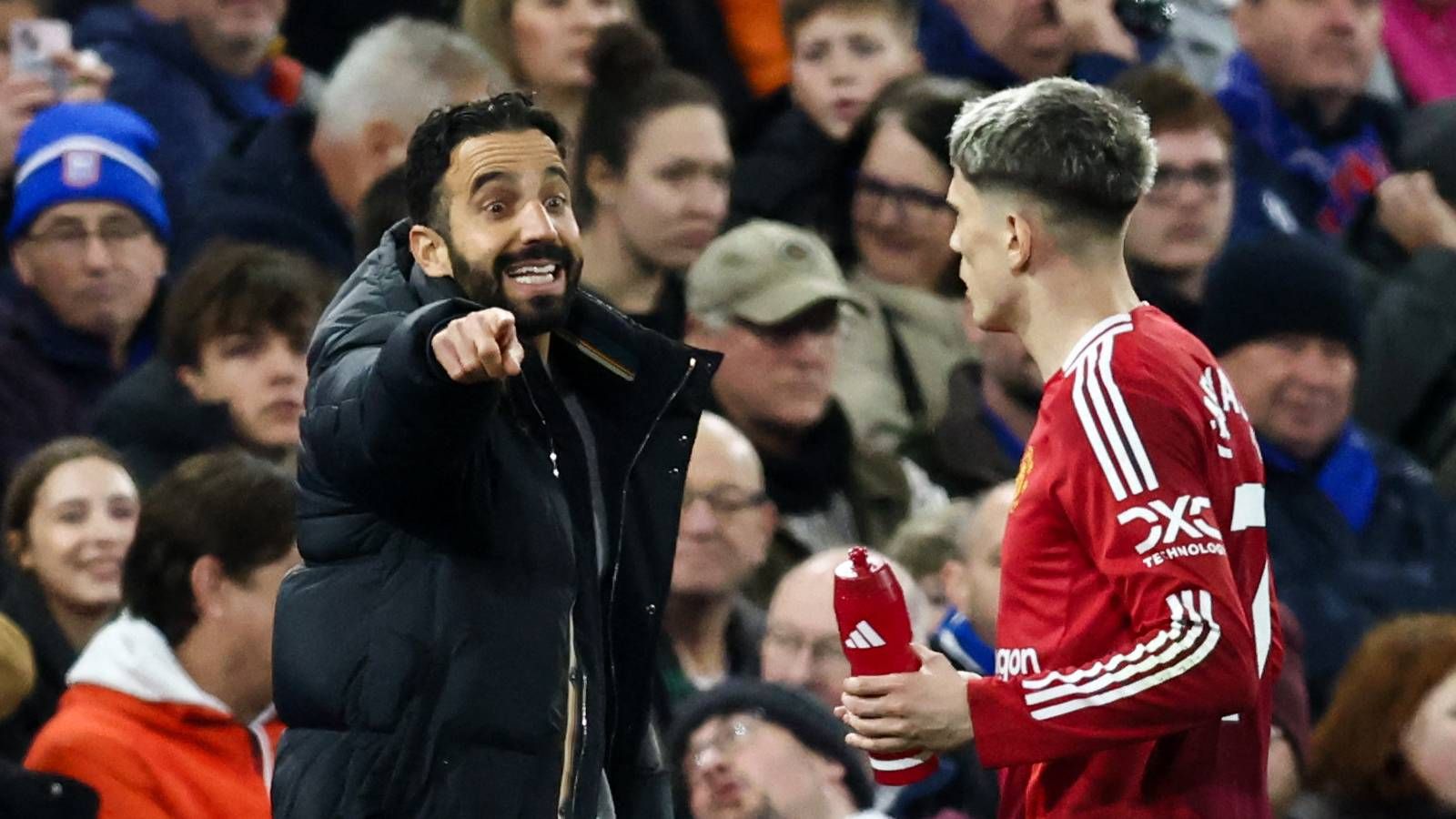
Just 18 months later, Ratcliffe completed his 27 percent stake in United and now he and Boehly are direct competitors. They have each taken their fair share of stick from their own supporters as well as the media. For Ratcliffe, the onslaught of criticism has spoiled his much-loved morning routine of reading the newspapers.
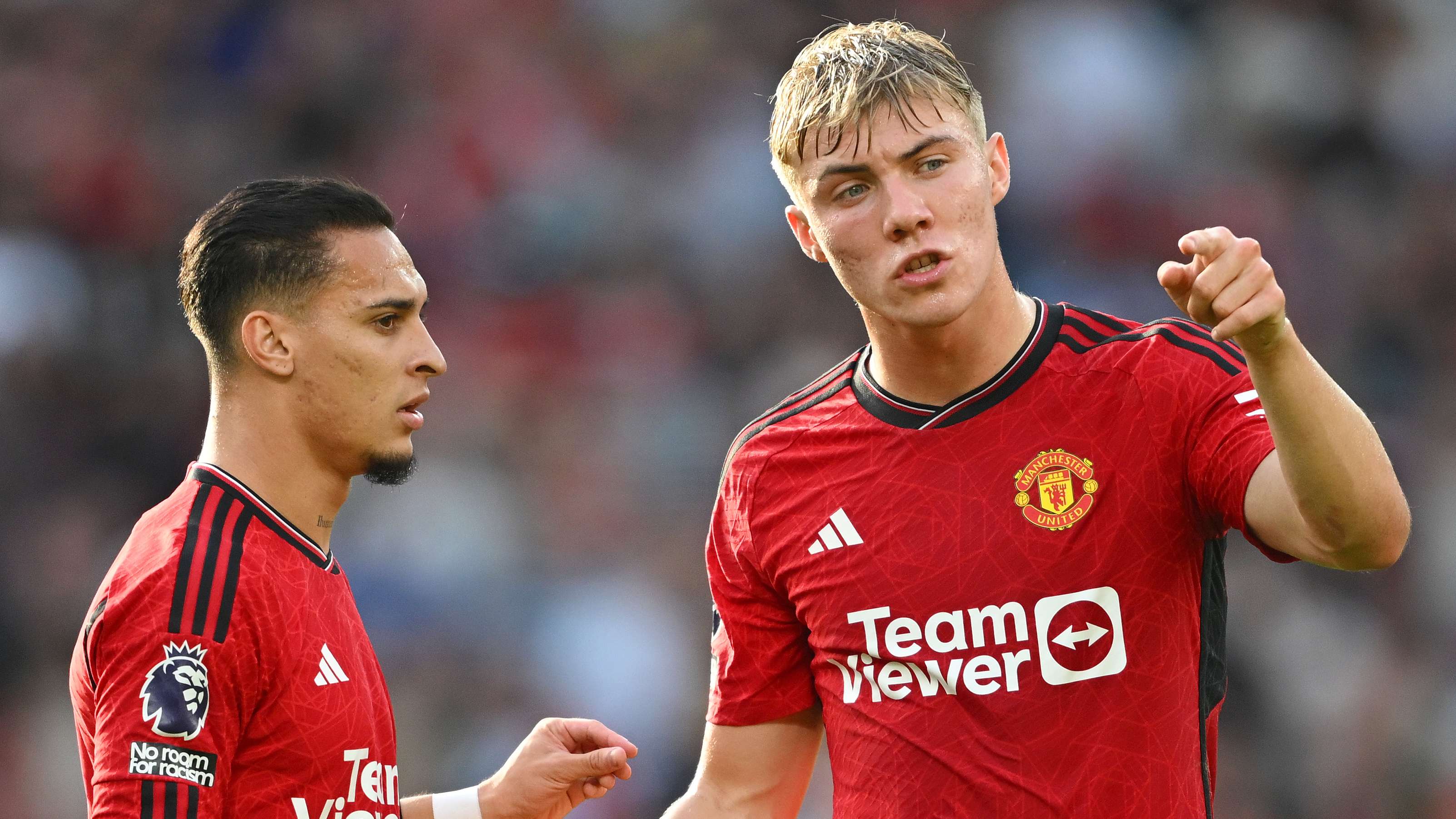
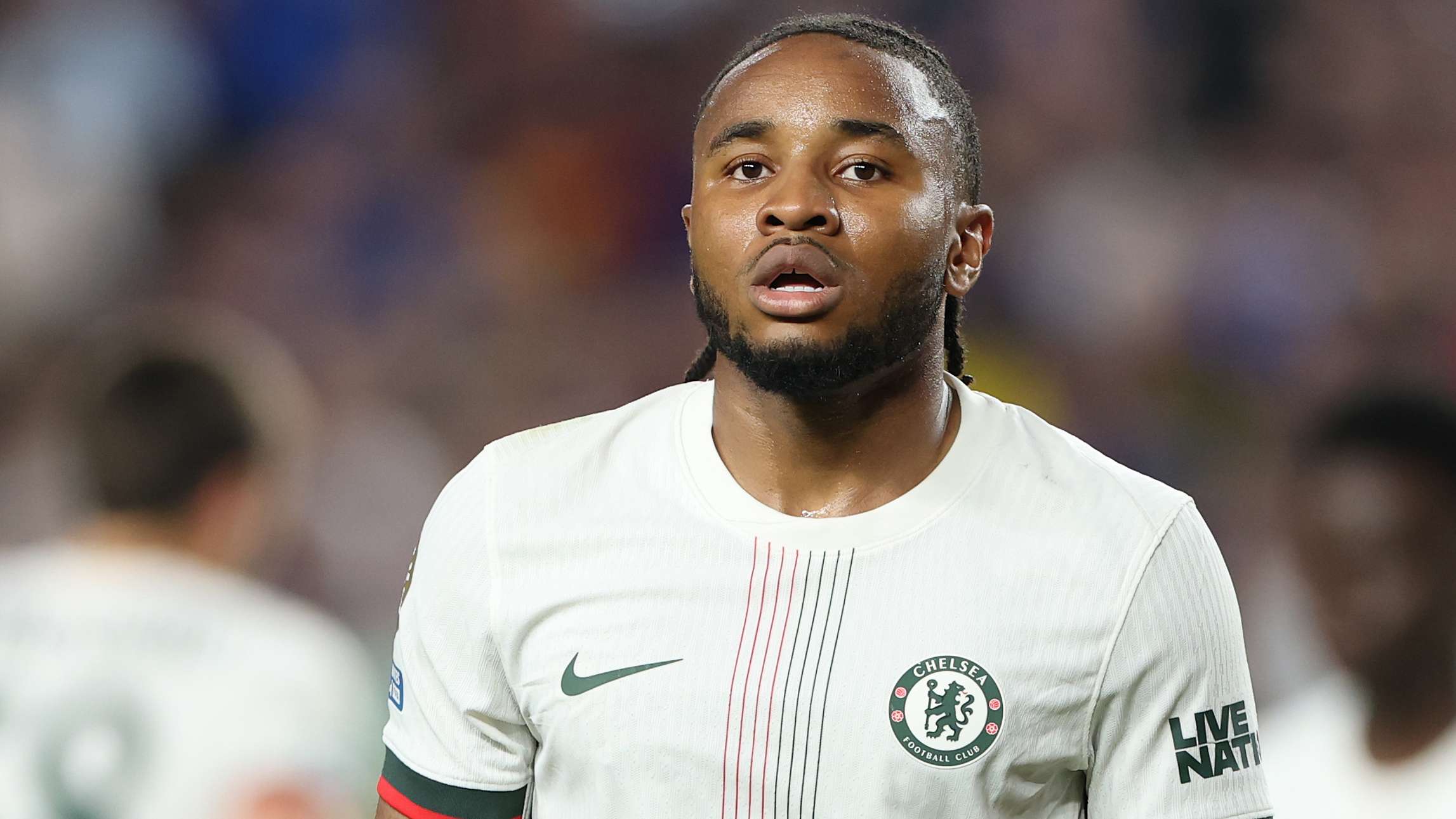
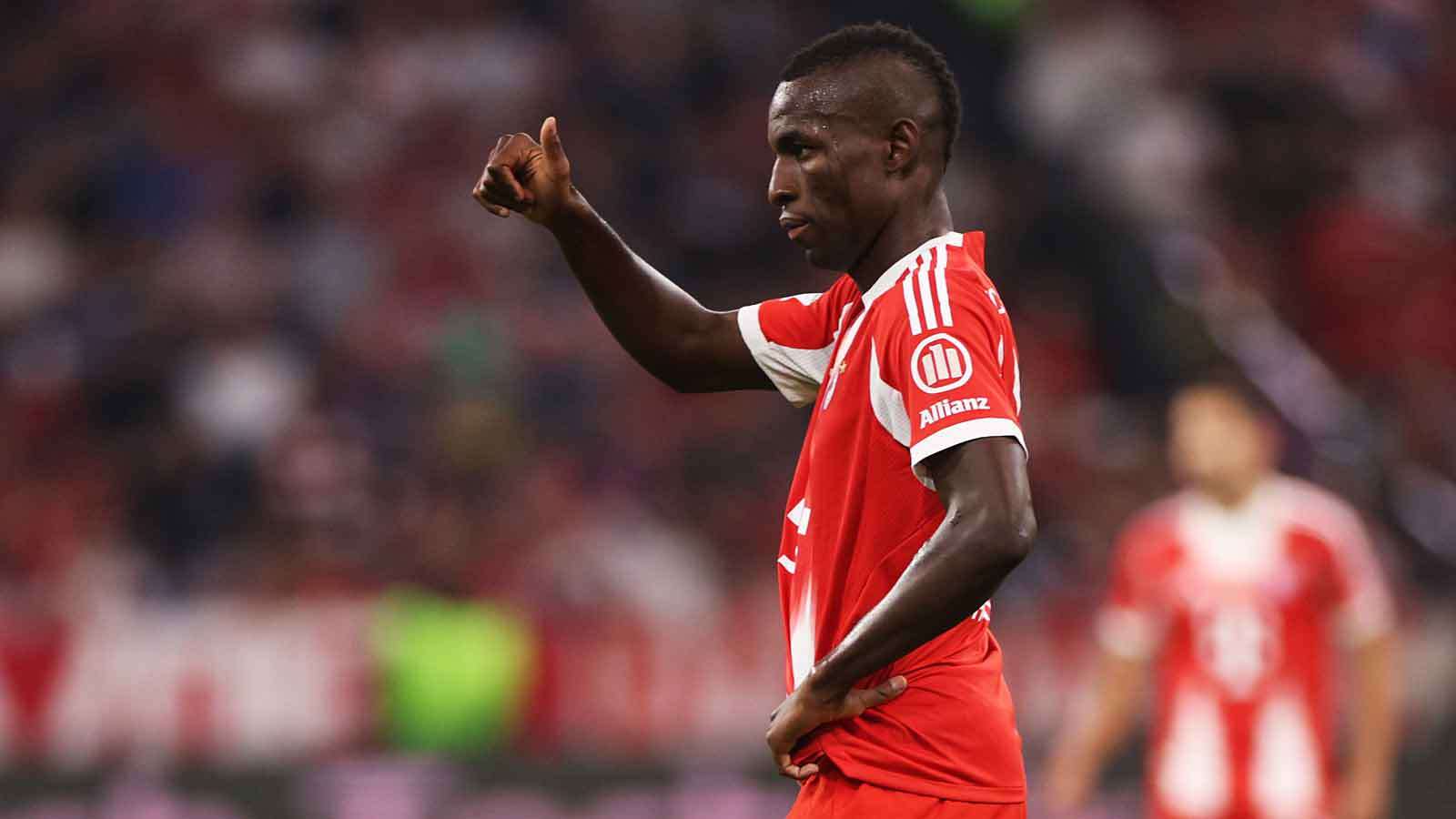
He could take a leaf out of the book of Boehly, who recently explained how he copes with scrutiny: "The reality is that the sooner you learn you can't keep everyone happy all the time, then freedom comes from that." There is another area where Ratcliffe could learn from Boehly: the art of selling players.

.jpg?auto=webp&format=pjpg&width=3840&quality=60)

.jpg?auto=webp&format=pjpg&width=3840&quality=60)


