
Goal.com
Live
+18 or +21, depending on state | Commercial Content | T&C's Apply | Play Responsibly | Publishing Principles
Houston Dynamo GFXGOAL

‘You should be talking about Houston’ - Inside the Dynamo’s overhaul on and off the pitch ahead of the 2026 World Cup

The Houston Dynamo knew ahead of the 2025 season that they were going to struggle. Soccer is cyclical; generations come and go. And right before the campaign kicked off, it was clear to those around the club that it was going to be a tough one. 

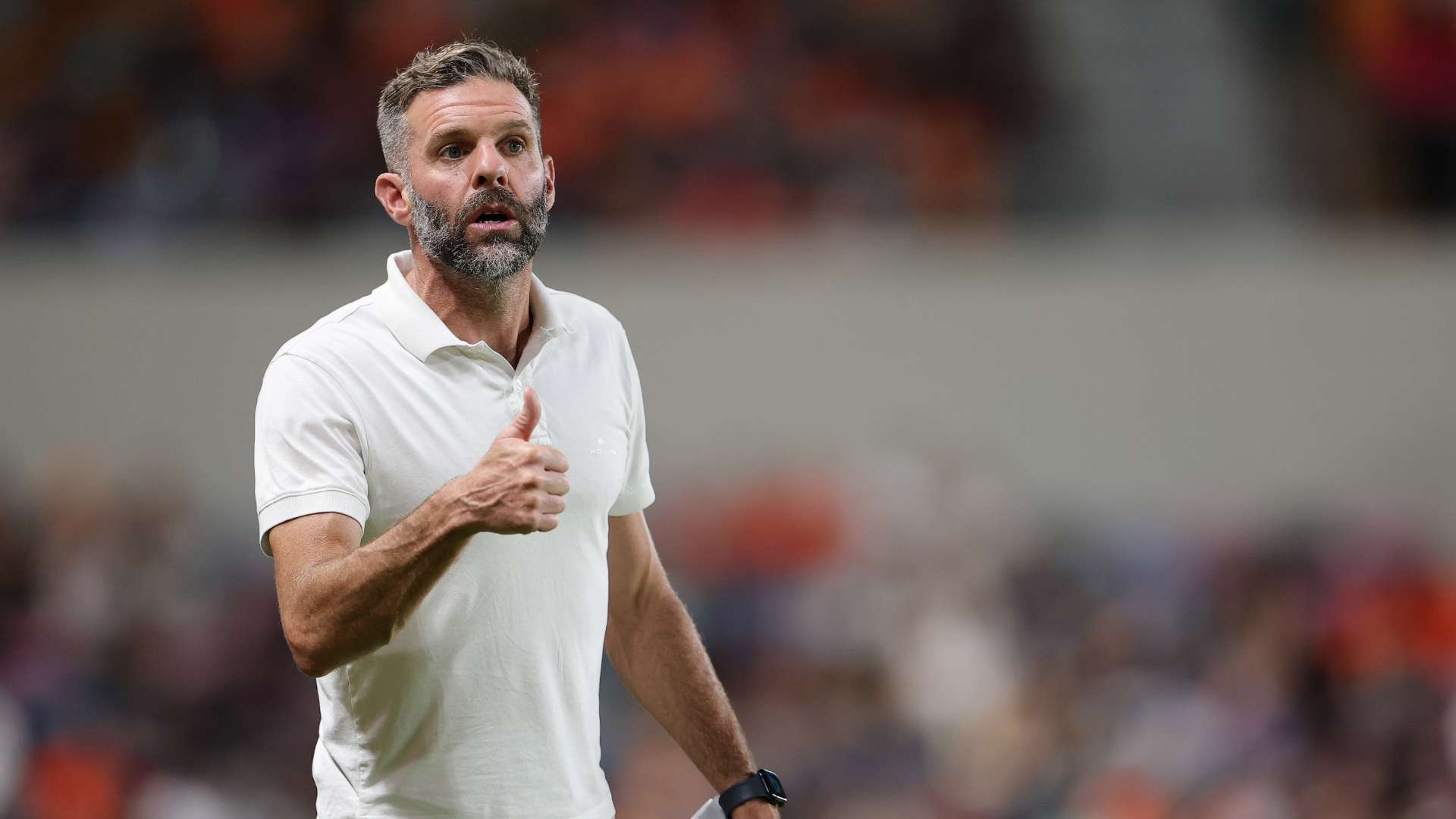
“Way before the season even started, the writing was on the wall in some ways, of where this needed to go,” head coach Ben Olsen told GOAL

It was a shock to the system. The Dynamo had won the U.S. Open Cup in 2023. They set a new franchise points record in 2024. This looked like a team pulling itself together, ready to take the next step, become the kind of perennial playoff side that builds into a real competitor. 

But those inside the club knew things might not be so easy. 

“What we've done is mortgaged everything we could find. We lifted every pillow on the couch, and bought out every penny we could to build that team,” President of Soccer Pat Onstad said to GOAL. “We knew at some point we're going to have to figure out how we're going to pay for that.” 

And they were right. Houston stayed afloat, but spent most of the year conceding slightly too many goals and not scoring enough of their own. Sure, there were some good wins, but there was an organizational acceptance that anything in 2025 would effectively be papering over the cracks of what needed to be a more holistic change. 

The Dynamo’s reset wasn’t just about the roster. With the 2026 World Cup arriving in Houston, the club saw a chance to rebuild both the team and the operation around it.

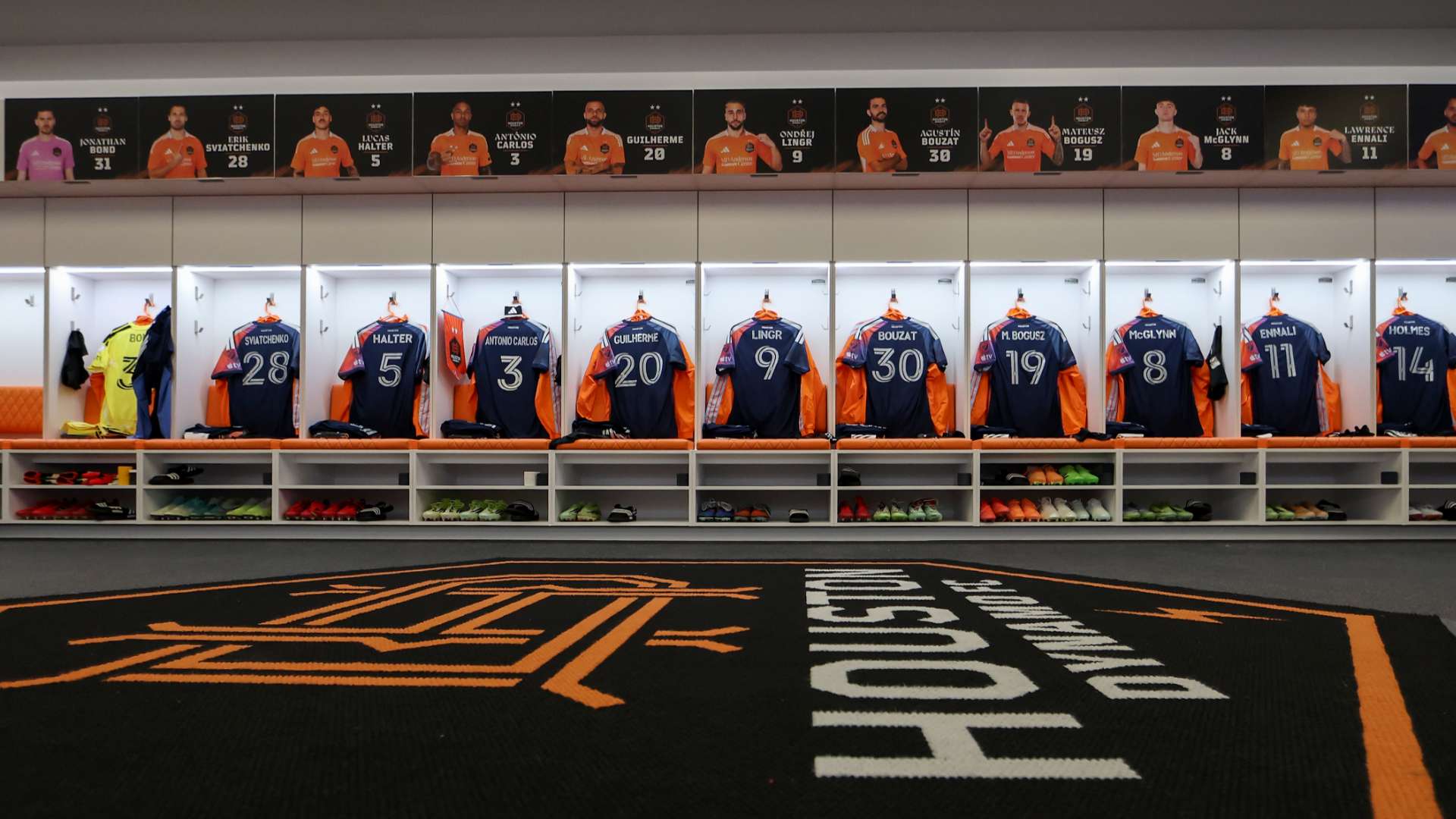
Those changes began with an aggressive offseason. The day before the 2026 season started, owner Ted Segal and the Dynamo squad laid eyes on a freshly renovated locker room for the first time. They played in a stadium that had been upgraded, polished and ready to go. On the pitch was $13 million of new talent - and perhaps a little more desire, too.

“I’m pretty excited about where this group can go,” Onstad said. “And I think we'll be an attacking team, and it depends on how quickly we gel, but then I think we can do something real special this season.”

  • Hector herrera red card Houston Dynamo MLS PlayoffsIMGAN

    'The system was broken here'

    This is quite a rare thing in Major League Soccer. Sure, teams can make the right signings at the right times. They can hire a new coach with a unique vision. They can build a stadium, revamp the brand, release some nice looking jerseys. But making holistic changes, reaching beyond what those inside the club concede was a painful sort of mediocrity? That requires desire, effort and, most importantly, money that most owners simply aren’t willing to spend. 

    For Houston, though, that is not the case. Segal, he insists, saw a vision. 

    "The encouraging part of it is that we were able to develop, bring in and develop players of talent, like a Jack McGlynn. But that is a silver lining on an otherwise disappointing season, one that didn't meet our expectations. It was very clear to all of us that we needed to retool,”  Segal said. 

    In truth, his support is nothing new. Segal, a businessman from New York, bought the club in 2021 and inherited a side that also needed clear improvements. Newly hired staff were instructed to, in effect, complete a full audit and see what needed to happen, when, and how much it would cost. Segal provided in full - or as close as he could - for a franchise that had languished for the best part of five years. 

    "You have to shock the system,” Onstad admitted. “Because the system was broken here." 

    Success took some time, but was dutifully achieved. The additions of a number of key players - not least center midfielder Hector Herrera - gave the team a lift. They were competing. But there was still a sense that they were ahead of their timeline, at least in developing a sustainable model. 

    "I have a contract. [Technical Director] Asher Mendelsohn has a contract. We had to win. If we're not winning in our second year, then if I'm an owner, I'd say, ‘Okay, well clearly I don't have the right leadership.’” Onstad said. 

    The 2023 season went well and 2024 was even better. Those two years were enough to earn a little credit, though. And when times soured last year, they fell on that familiar ethos - one of committing to the cause - to push themselves back towards the top.

  • Advertisement
  • Mateusz BoguszGetty

    'These are guys who have won, and they’re our leaders'

    Herrera’s race was run in Mexico. He left Houston to go to Liga MX in unacrimonious circumstances in 2024, but his family stayed north of the border. They loved it there, and even if Herrera was practicing his craft in Toluca, he still felt connected to the first city he had lived in after moving from Atletico Madrid in 2022. 

    So, he made a phone call. If Houston were up for it, Herrera wanted to be back in the fold. And the Dynamo jumped. Not only did they believe that the former club captain still had plenty to offer - he appeared 34 times for Toluca in 2025. He also fit the mold of the kind of players they wanted. Dynamo wanted quality, sure. But they needed leaders. 

    “I certainly prefer players who have come from environments where they're used to winning. So there's a resume winner, like this guy's just got trophies everywhere,” Olsen said. “So they're used to it, and usually that comes from environments that are professional, competitive, and do things, quote, unquote, the right way.” 

    Winning, they argued, begets winning. The fact that they signed three players who had captained their club before was no accident. 

    "These are guys who have won, and they’re our leaders. And I think that really made a big difference in this offseason,” Onstad said. 

    Also crucial? MLS experience. 

    "If you have four chances and you don't take them, and they have two, and they score one of them, you lose the game. So with the personality and winners, we also needed talent, and we need guys that can make plays in both boxes," Olsen said. 

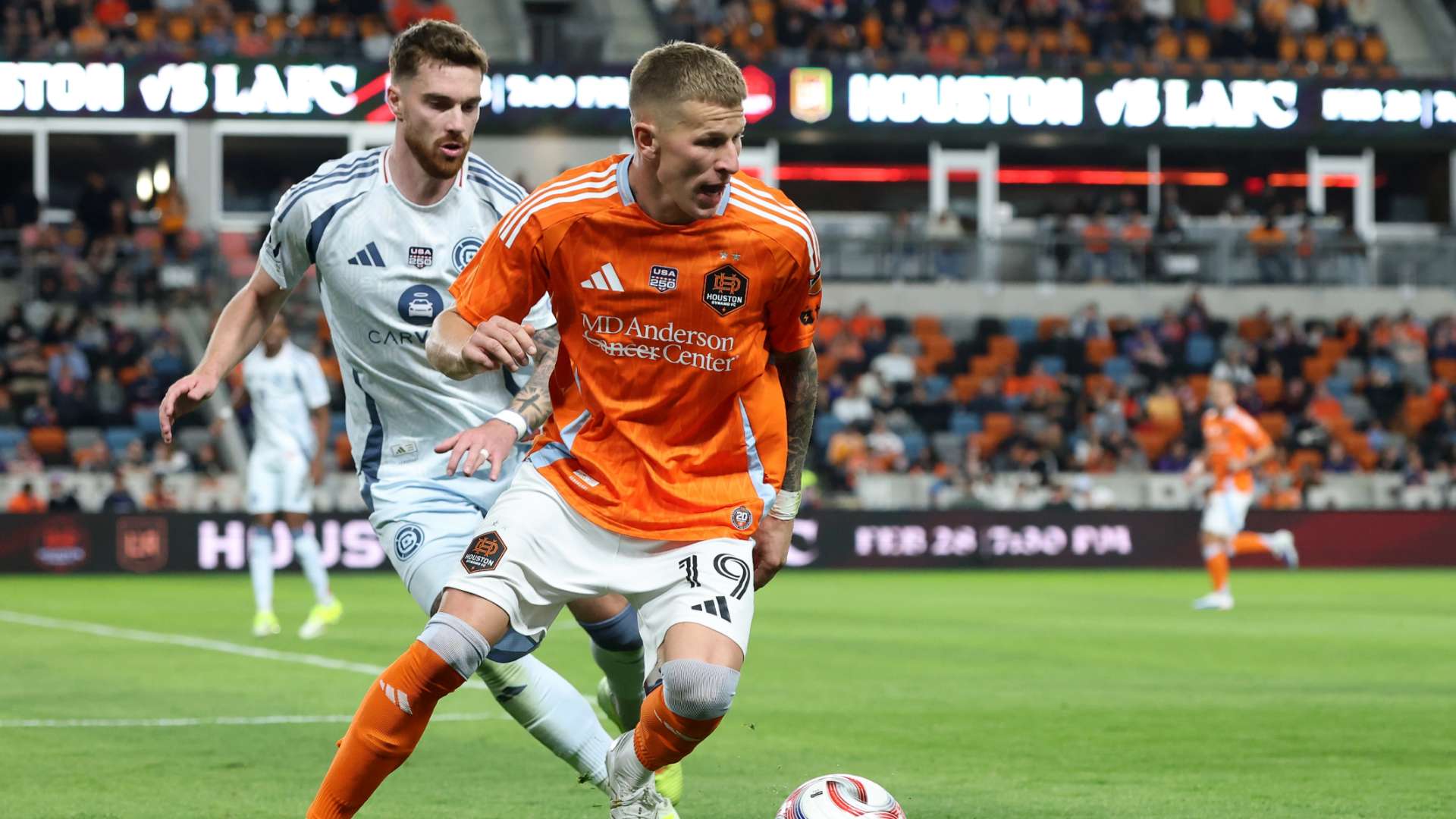
    That’s part of the reason why Mateusz Bogusz fit the bill. The Polish international was a fan favorite at LAFC - who bagged 18 goals in 2024 - before departing for Cruz Azul for a tidy $9 million. That was good business for the Los Angeles side, even if it stung at the time. Bringing him to Houston for an initial $6m, given how much the market has been inflated for Liga MX signings? That seemed a bargain. 

    "I think there's a lot of expectation in the club to be successful this year,” Bogusz said to GOAL. So that's what was the most important thing for me.” 

    But he wasn’t the only big signing. Bogusz is no doubt a familiar name to those in the MLS sphere. But the better signing might just be Brazilian winger Guilherme. The left winger is the kind of player who can be immensely impactful for any MLS team at a tidy price point. Two million dollars is a fine deal for a 30-year-old who has both scored and created at various stops in the Brazilian Serie A over the course of his career. 

    "Whether it's Matty Bogusz or Guilherme, guys that are consistently putting up good numbers, and understand how to finish and finish in a variety of different ways, that's important to winning games in MLS," Olsen said. 

    Of course, this wasn’t particularly easily put together. Squad planning is complex and takes time. Onstad, Technical Director Asher Mendelsohn, and Olsen were locked in from last summer. As soon as the roster settled for the 2025 campaign, they had one eye on 2026. 

    "The modern kind of organization, you're doing that all the time, whether you're winning, whether you're losing, whether you're in the mix. The organization’s so big now that you have to be super proactive in building a team,” Olsen said. "If you're not proactive, forget it, you can't have success, because you're going to keep turning people over. And if you're not ready to replace, it’s an easy way to fall to the bottom.”

  • Ben Olsen Houston DynamoGetty

    'I've seen this once or twice in my career'

    Olsen was a shrewd hire in 2022. He had left D.C. United in 2020 after a 10-year spell at the club. After a year-long break, it was time to get back in the game. For Houston, then looking to rebuild, his kind of veteran experience was invaluable. 

    And it worked. He oversaw two years of success before last year’s downturn. Olsen, though, was used to the churn. He had coached D.C. to some immense highs, but also experienced a fair few lows. To him, a revamp - not a rebuild - was just part of the standard churn of life in this league. 

    "It's an opportunity. I've seen this once or twice in my career, and it gives you a little bit extra time and focus to really think about where you went wrong and what needs to improve,” he said. 

    But this year, he is preaching patience. Houston invested, but it’s now his job to put everything in place. 

    “Everybody's doing this, everybody's bringing high-end talent and attackers that can make plays. There's just more money to throw around. So I don't think we're unique in what we've done,” Olsen said. “We've built a competitive team right now. I think some of it goes to show how little we had last year in some ways.”

  • ENJOYED THIS STORY?

    Add GOAL.com as a preferred source on Google to see more of our reporting

  • Houston Dynamo locker roomGetty

    'We knew that we had some catching up to do'

    Houston needed improvement not just on the pitch, but off it as well.

    By 2021, Shell Energy Stadium was showing its age. Seats lacked armrests and cup holders, and some had begun to warp in the Houston sun. Once considered one of MLS’ best venues, the stadium had fallen behind the league’s new generation of arenas in places like Austin, Columbus, and Los Angeles FC.

    “It was behind the standard of what I like to call the MLS 3.0 generation of stadiums,” Segal said. “So we knew we had some catching up to do.”

    Off the field, though, Houston’s leadership believed the fan experience could still be a strength. Investments in staffing, operations, and stadium upgrades were designed to make matchdays memorable.

    “You want people to say, ‘Wow, that was an incredible experience that I can’t wait to do again,’” Segal said.

    The club’s strategy began with data. Houston remains primarily an NFL town, but research showed clear opportunities for soccer growth.

    “We did advanced segmentation research to identify the audiences we needed to reach,” said Jessica O’Neill, the club’s president of business operations. “One is families, because they’re the present and future of our fandom. The other is people who love the game but don’t necessarily love MLS.”

    Those fans, she said, aren’t being asked to replace their European allegiances.

    “We’re not trying to replace your Premier League or La Liga club,” O’Neill said. “But those teams don’t live and work in your neighborhood. That connection is different.”

  • Houston DynamoGetty

    'We're trying to complement the momentum'

    That question carries extra weight with the World Cup arriving this summer. The relationship between MLS and the tournament is hard to define: more Americans than ever will watch the sport, but none of the games will be played in soccer-specific MLS stadiums. So how do clubs convert that attention into fans?

    Houston may be uniquely positioned to try. It’s a host city with an MLS club ready to capitalize.

    “Do you end up paralyzed by that opportunity? Or do you end up fueled by it?” O’Neill said. “That’s where you’re going to see different responses and plans.”

    For Houston, the goal is to leverage every opportunity: sponsorships, watch parties and corporate events tied to the tournament. With dozens of global brands based in the city, the club believes it can serve as a local gateway to the sport.

    “If you're talking about soccer, you should be talking about the Houston Dynamo,” O’Neill said. “We're not trying to replicate the World Cup experience, but complement the excitement and curiosity around the sport.”

    Community outreach is just as critical. Most fans won’t be able to afford World Cup tickets, making youth engagement essential in a region where more than 100,000 kids already play the game.

    “Kids are excited about soccer,” O’Neill said. “How do we show up for them? How do we invite them in?”

    The challenge then becomes retention: affordable tickets, local food, and matchday experiences rooted in Houston.

    “I want our Dynamo matches after the World Cup to be 20, 30, 40 percent higher in attendance than the ones before,” O’Neill said. “That’s success.”

  • Houston DynamoGetty

    'I think we can go all the way'

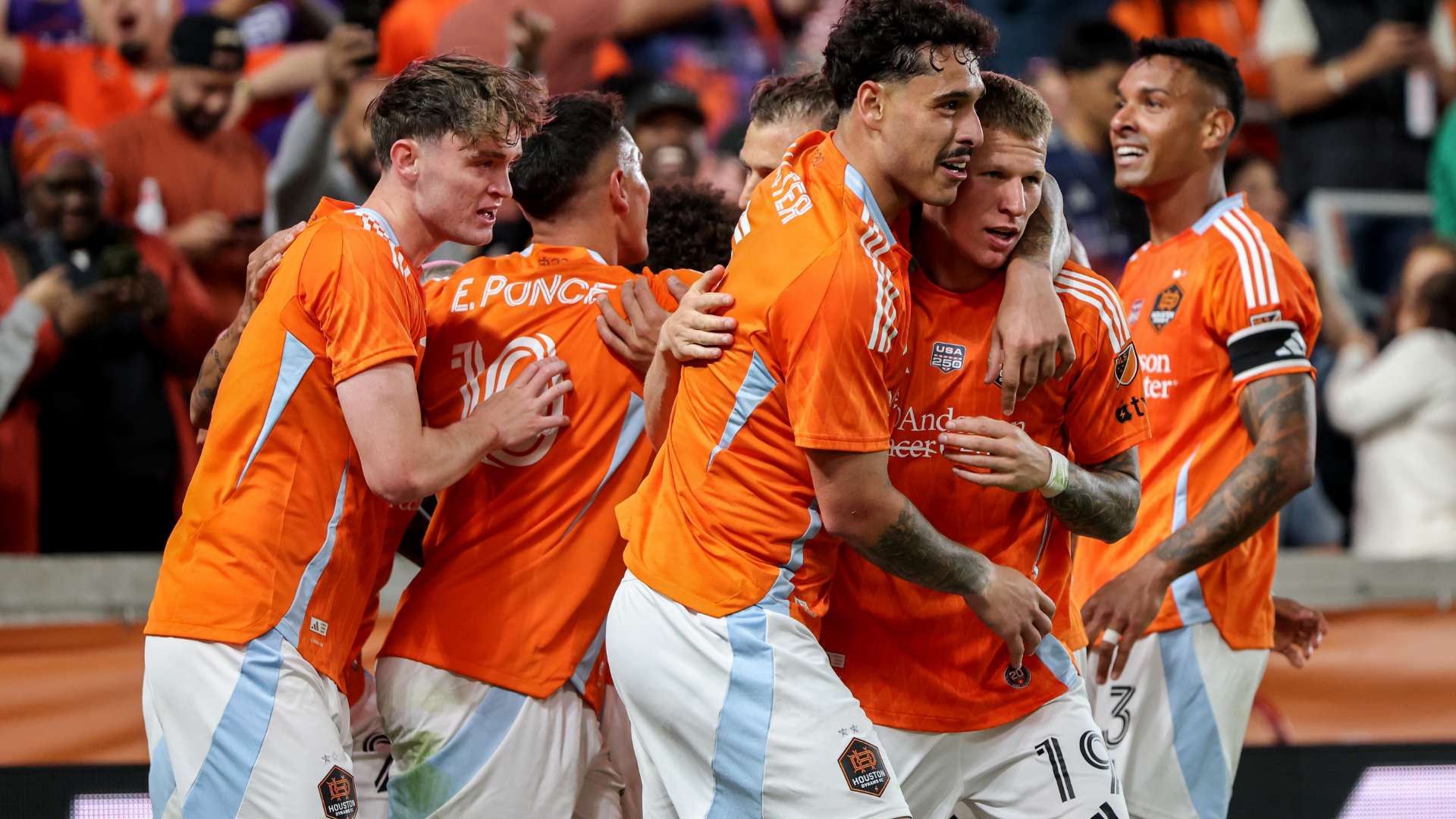
    Back to on the pitch, thus far, the results have been mixed. Houston defended Shell Energy admirably on opening night, beating Chicago, 2-1, thanks to two wonderfully taken goals from Guilherme. Bogusz impressed. Chicago were resilient, but Houston had that necessary quality that Olsen asked for. 

    LAFC were a sterner test. Houston played a man down for a whole half, and after a resilient opening 45 minutes, the visitors simply had too much after the break. But there will be games like this. There are seven new faces. This team is still trying to find itself a little bit. For now, the word around the club is that they simply want to get back into the playoffs. They managed that before. They believe they can do it again. 

    But some are aiming even higher. 

    “I think we can go all the way," McGlynn said to GOAL. "I think there's no reason to not go into the season thinking that, no matter, no matter the group you have, and I think with the group we have, especially bringing in all these new guys, there's no reason for us not to."