- US set to levy new tariffs on EU and UK
- Man Utd stadium plans could be halted
- Wrexham's economic progress to take hit
| Follow GOAL on WhatsApp! 🟢📱 |

.jpg?auto=webp&format=pjpg&width=3840&quality=60) Getty/GOAL
Getty/GOAL| Follow GOAL on WhatsApp! 🟢📱 |
 Getty Images News
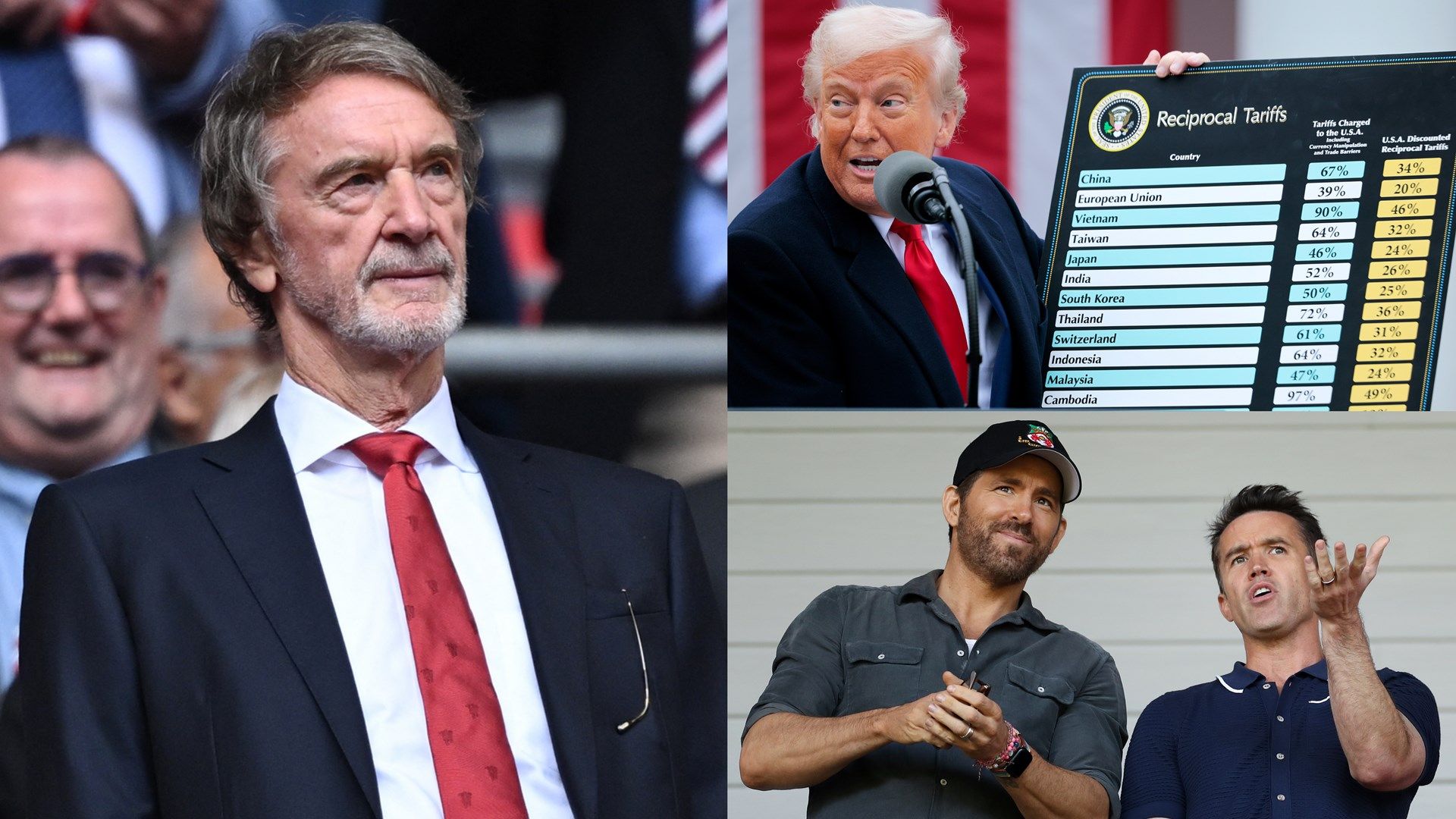
On Wednesday, the Trump government unveiled a broad range of tariffs intended to strengthen the US economy, including a 10% "baseline" duty on all incoming imports. Countries in the European Union and the United Kingdom face additional costs, which could effect an economic slowdown and halt the progress of a number of clubs with American ownership including Wrexham, Manchester United, Chelsea and Liverpool.
.jpg?auto=webp&format=pjpg&width=3840&quality=60) Getty Images
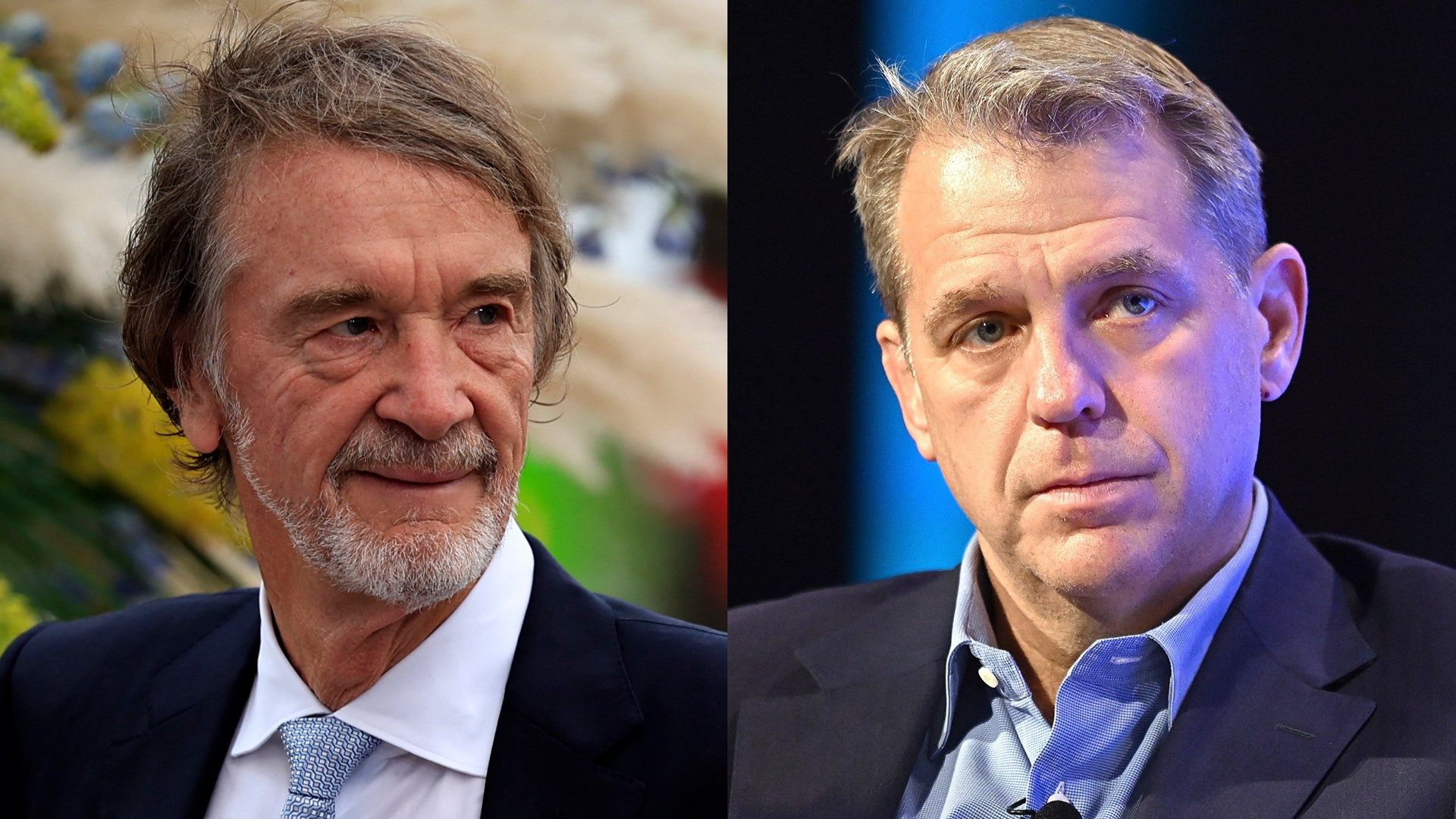
Getty ImagesSpeaking to OLBG, Professor Wilson said: “The prospect of US-based owners reconsidering stadium redevelopment projects in light of financial uncertainty, including tariffs and broader economic shifts, is certainly plausible. For high-profile clubs such as Chelsea, Liverpool, and Manchester United, stadium redevelopment is a multi-million-pound investment, typically intended to enhance revenue streams through increased matchday revenue, better fan experiences, and enhanced commercial opportunities.
“However, these projects are typically long-term investments with significant up-front costs. If tariffs lead to an economic slowdown, either in the UK or globally, these owners may reconsider the timing of such projects or even look for ways to scale back on expenditures. Additionally, financial uncertainty might cause these owners to reassess other forms of capital allocation, focusing more on immediate operational stability rather than long-term infrastructural improvements."
Add GOAL.com as a preferred source on Google to see more of our reporting
 Getty Images
Wrexham are also said to be in potential trouble because of the United States' tariffs due to their Hollywood owners, Reynolds and McElhenney. Wilson added: Wrexham’s future financial growth is highly dependent on its ability to capitalise on its growing fan base in the US. Given the club’s recent rise in profile, driven in no small part by its Hollywood co-owners, a significant portion of its commercial revenue will likely stem from US-based sponsorships, merchandise sales, and media engagement.
“However, while the US economy is a key factor, the degree of dependence on its performance may be less than initially thought. The Wrexham brand has cultivated a sense of emotional attachment and authenticity that may allow it to weather short-term economic fluctuations. However, in the longer term, if the US economy were to experience sustained downturns, consumer sentiment toward discretionary spending, particularly in entertainment sectors such as football, could weaken.
“The key for Wrexham is to diversify its revenue streams, not only through US-based commercial ventures but also through European and global markets. In this regard, the US economy is an important factor, but it is not the sole determinant of the club’s financial growth trajectory."