Goal.com
Live
+18 or +21, depending on state | Commercial Content | T&C's Apply | Play Responsibly | Publishing Principles
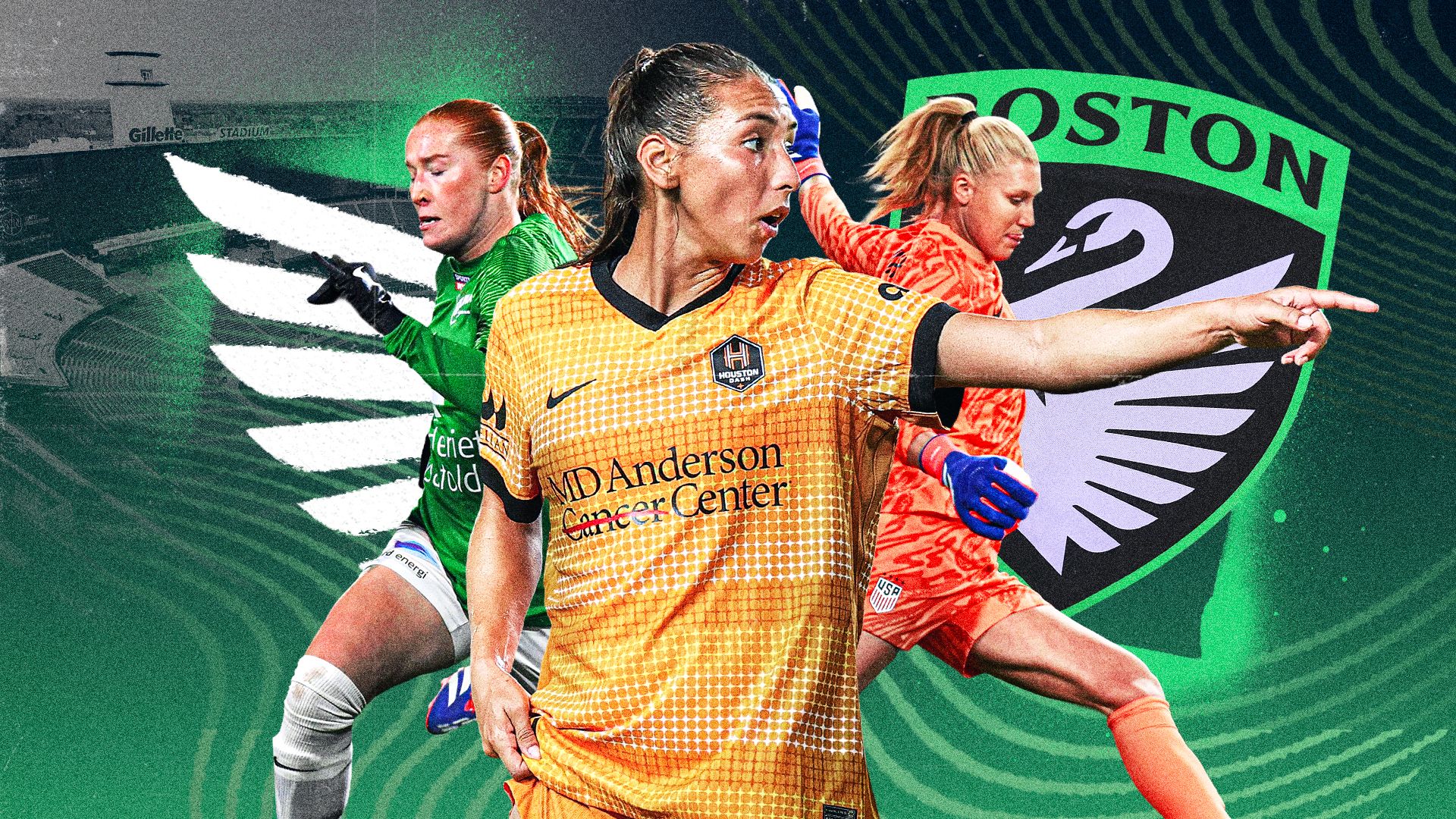
Boston Legacy GFXGOAL

Boston has the appetite for women’s soccer. Can the NWSL’s Legacy make it stick?

The city of Boston has long defined itself through sports. Championships shape civic identity here, and loyalty is passed down through generations. Women’s sports have always been part of that story - from early athletic clubs and collegiate powerhouses to professional teams such as the Boston Breakers and Boston Renegades - even when institutional support lagged behind. 

Now, Boston is getting another chance at top-tier professional women’s soccer. 

In 2024, the National Women’s Soccer League announced it would bring an expansion team to the city, now officially named Boston Legacy Football Club. The franchise will begin play in 2026. But the return is not without complications. The club will not play inside Boston during its inaugural season. Its long-term stadium project has sparked debate. And an early branding misstep forced leadership to reset publicly before a single ball was kicked. 

If Boston Legacy is to succeed, it will need to prove this time is different.
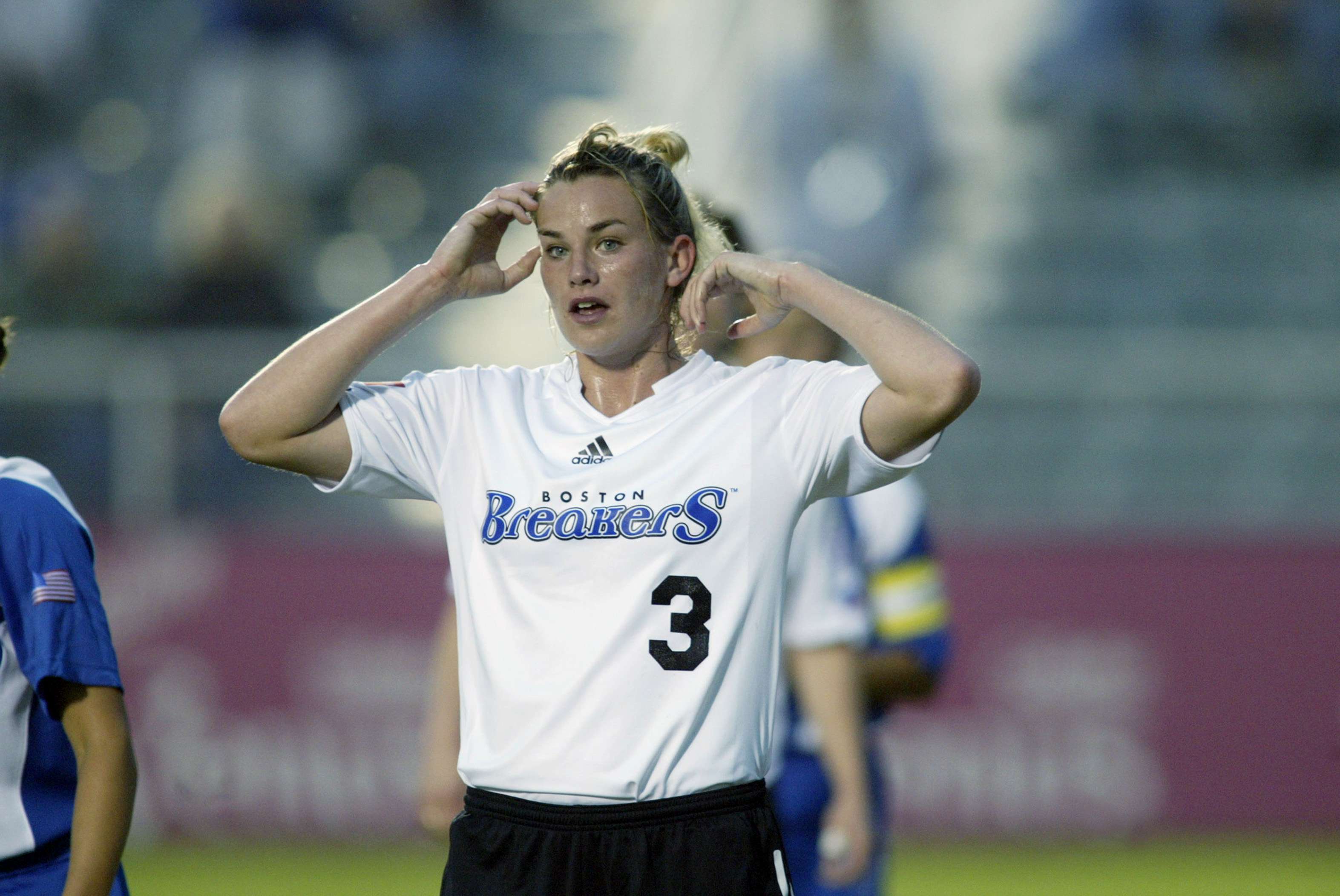
  • Boston BreakersGetty Images

    A return built on a complex history

    From 2001 to 2018, the Boston Breakers were the region’s most prominent women’s professional team, competing across three different U.S. leagues - WUSA, WPS, and NWSL. 

    Some of the biggest names in the sport played in Boston, including Kristine Lilly, Heather O’Reilly, Brianna Scurry, and Alyssa Naeher. The appetite for women’s soccer has long been evident. According to research from SportsPro, interest in women’s soccer in the Boston area exceeds the national average by more than 20 percent. 

    In 2016, the Breakers averaged 3,472 fans per game - roughly league average at the time, excluding the outlier of the Portland Thorns, who drew nearly 16,000 per match. Boston’s most attended game that season, against Portland, drew more than 18,000 fans. The demand existed. Stability did not. 

    When the Breakers ceased operations in 2018, former NWSL commissioner Amanda Duffy cited long-term league viability. Ownership instability ultimately proved insurmountable. “We do not doubt the fan support or interest in women’s soccer in Boston or New England,” Duffy said at the time. For a city that prides itself on tradition, Boston Legacy FC represents not just a revival - but a test of whether women’s professional soccer can finally take permanent root.

  • Advertisement
  • Boston Legacy FCGetty Images

    Building trust in the present

    Boston Legacy’s first test has little to do with on-field performance. The club’s permanent home is planned for White Stadium in Franklin Park, where renovations will include upgraded facilities and a natural grass field. The stadium will be shared with Boston Public Schools and community groups. 

    According to the city, more than 90 percent of the stadium’s “programmable hours” will remain reserved for BPS students and community use. Mike Omenazu, Director of Community Engagement for Boston Legacy FC, described the renovation as a long-requested revitalization. 

    “That impact is being able to serve Boston public school students first and foremost, as well as community members,” he said to Boston Neighborhood News Network. “The purpose of the project is to deliver what the community has demanded over a decade now: a revitalization of White Stadium for public use.”

    The project has not been universally embraced. Renovations require the removal of more than 150 trees, and some neighborhood residents remain skeptical about development in a space long considered communal. “I think it's sort of a classic case of a struggle between development that can be good for a community and a community that is fairly skeptical,” said Anna Esten, Membership Chair of the supporters group Boston ISA. “The more people learn about this project, the more excited they are about it.”

  • Philadelphia Eagles v New England PatriotsGetty Images Sport

    The complications of playing outside of Boston

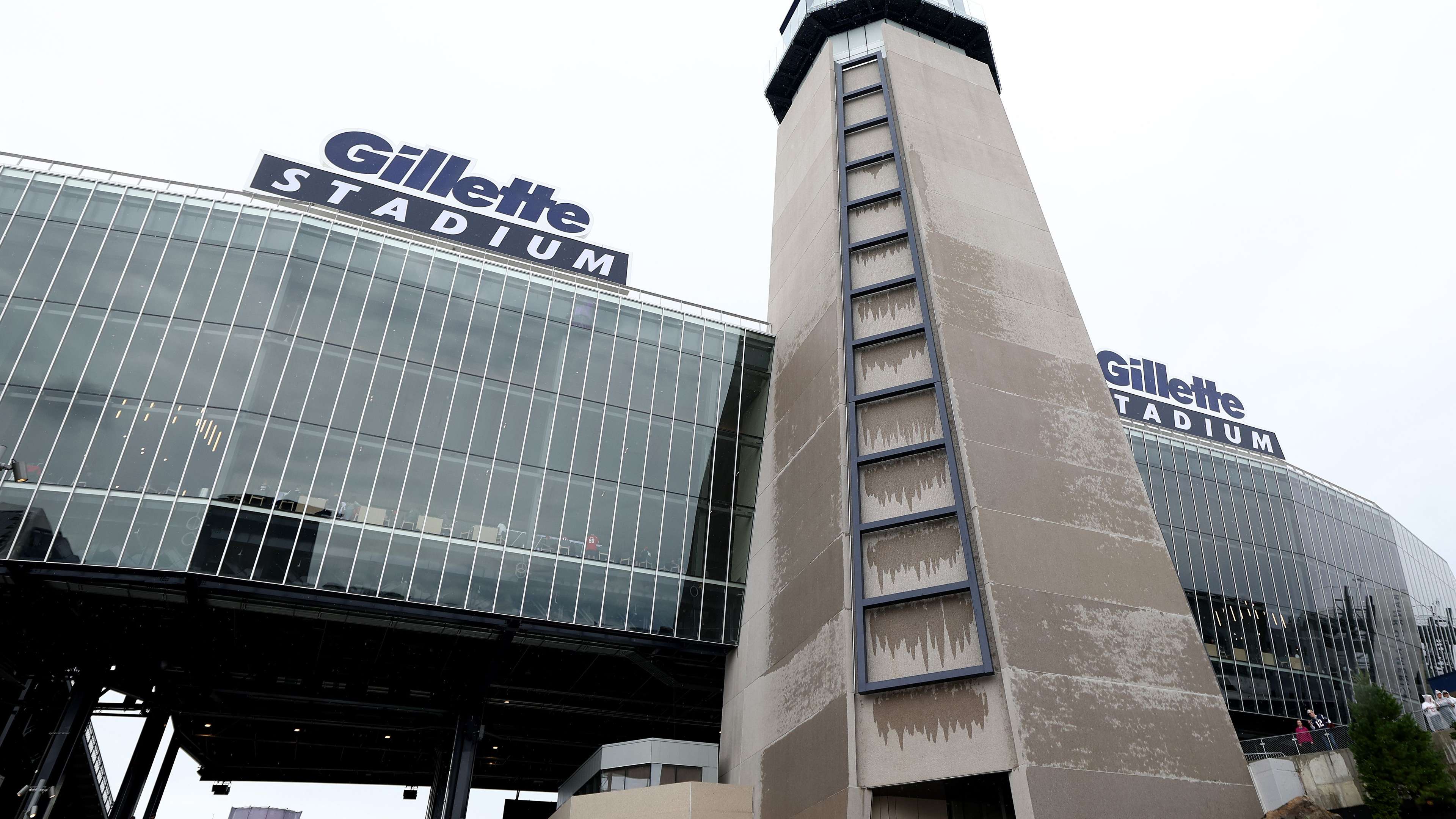
    Complicating matters further: Boston Legacy will not play at White Stadium in 2026. Instead, the club will split its inaugural season between Gillette Stadium in Foxborough, home of the New England Patriots and a 2026 FIFA Men’s World Cup venue, and Centreville Bank Stadium in Pawtucket, Rhode Island, when scheduling conflicts arise. For a team initially marketed as a “city” club, the geography presents a challenge. 

    “Jamaica Plain is our number one most common zip code,” Esten said, noting the eventual White Stadium location. “It makes total sense, because the Legacy are eventually going to play in this neighborhood.” 

    Getting to Foxborough, however, is less straightforward. 

    “I think there is a lot of concern on our end about the accessibility of these games,” Esten added. “But the thing that really sticks out to me is people are clamoring for this information because they want to go to games.” For some Boston residents reliant on public transit, Gillette may prove difficult. For suburban families, it may be more accessible. The club’s first season will test whether a broader regional approach can expand its base - or dilute its identity.

  • ENJOYED THIS STORY?

    Add GOAL.com as a preferred source on Google to see more of our reporting

  • NWSLGetty Images

    A reset before kickoff

    This isn't the first project related to Boston Legacy FC that's been met with controversy. Flashback to 2024, when the "More Balls" campaign surfaced, Boston's first marketing attempt to introduce the NWSL's newest expansion team, formerly BOS Nation FC. 

    That entire campaign was scrubbed after being met with transphobia, misogyny, and just overall tone deaf branding. Sam Mewis, a Massachusetts native, former U.S. Women’s National Team player, and World Cup winner, was highly critical.

    “Women’s sports, and women’s sports fans have our own table now, and we don’t need to center men’s sports in our conversations anymore,” Mewis said on a podcast. 

     In a reattempt to make a splash, and a thoughtful one at that, the newest franchise rebranded to Boston Legacy FC. It was a public acknowledgment that credibility must be earned. Mewis, since, has become an investor in the club.

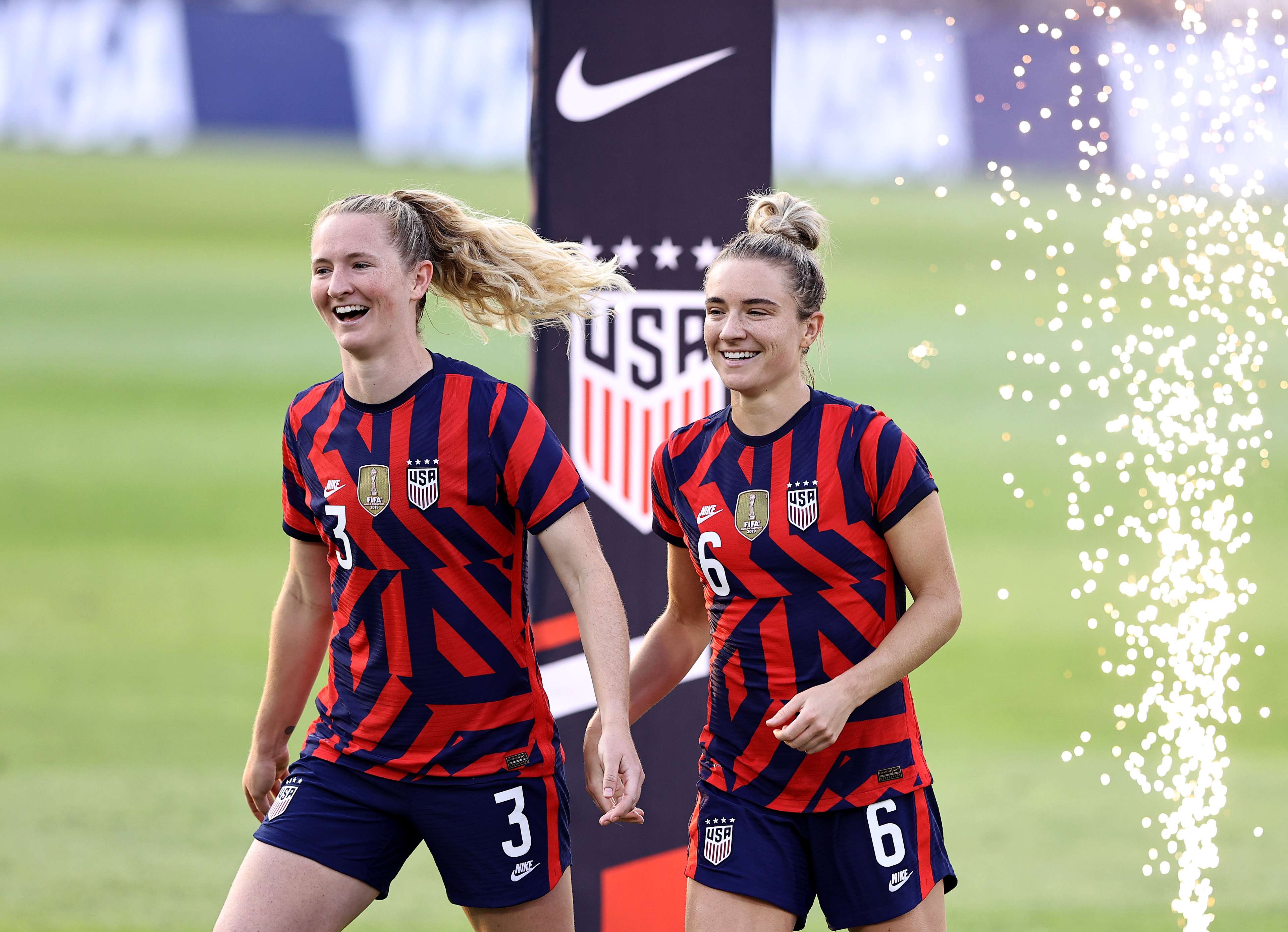
  • Sam Mewis, Kristie MewisGetty Images

    Building a roster with roots

    On the field, Boston Legacy has emphasized both local ties and established experience. The region boasts five Division I programs - Boston University, Harvard, Boston College, Northeastern, and Merrimack - forming a steady pipeline of talent. Harvard alum Midge Purce helped power Gotham FC to a 2025 NWSL Championship. Massachusetts natives Kristie Mewis and her sister Sam emerged from the Stars of Massachusetts youth system before representing the U.S. Women’s National Team. 

    Sam Mewis is now an investor in Boston Legacy FC. That tradition continues with the current wave of talent, including Ally Sentnor and Lilly Reale - the reigning U.S. Soccer Young Female Player of the Year. 

    Boston Legacy has already signed Sophia Lowenberg, a four-year veteran at Boston College, and Hanson, Mass., native Sammy Smith. “Playing for a sports team in Boston - that's enough said right there,” Smith said. “That's a dream come true.” 

    Balancing those local connections are seasoned internationals such as USWNT goalkeeper Casey Murphy and Canadian forward Nichelle Prince. Murphy, who joined from the North Carolina Courage, said the move aligned with her values. “I really bought into the vision of the club,” she said. “The leadership behind it has been amazing so far."

  • Filipa PatãoGetty Images

    A statement hire on the sidelines

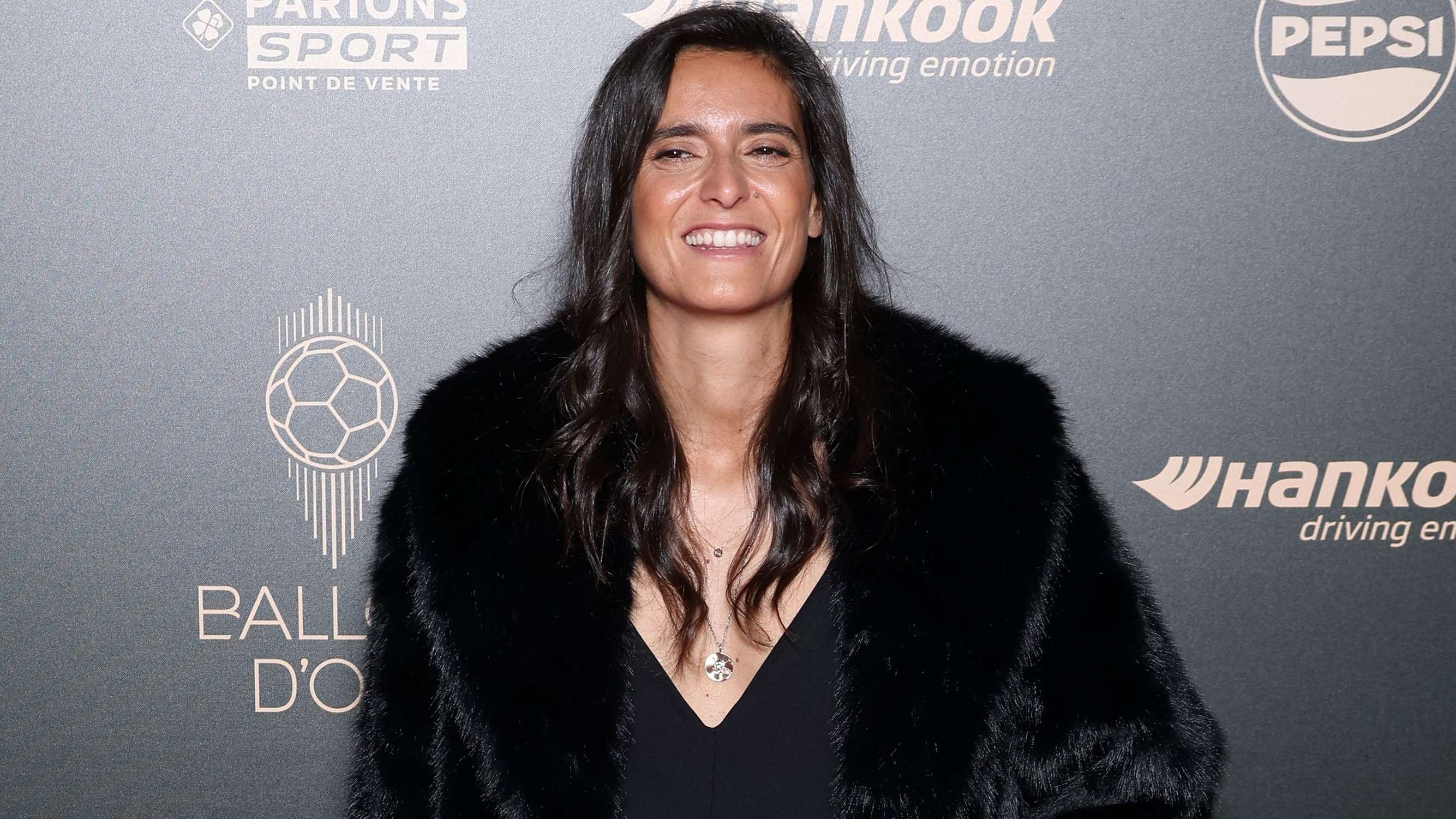
    Coaching was another early signal of ambition. Boston appointed Filipa Patão after a decorated run with Benfica in Portugal, where she won five consecutive Campeonato Nacional Feminino titles and multiple domestic cups. “We’re not here to avoid losing; we are here to try to win,” Patão said. 

    “In this league, it doesn’t matter if you are the champion or it’s your first ever game - anyone can win.” Murphy has echoed that belief. “I really believe in everything she’s saying - the vision, the leadership,” she said. “It feels like the right place to continue to grow.”

  • Boston LegacyGetty Images

    Positioned to succeed - if they get it right

    Boston Legacy FC has checked several boxes that have become predictors of stability in the NWSL: a dense soccer market, a blend of veteran and emerging talent, and intentional community outreach. 

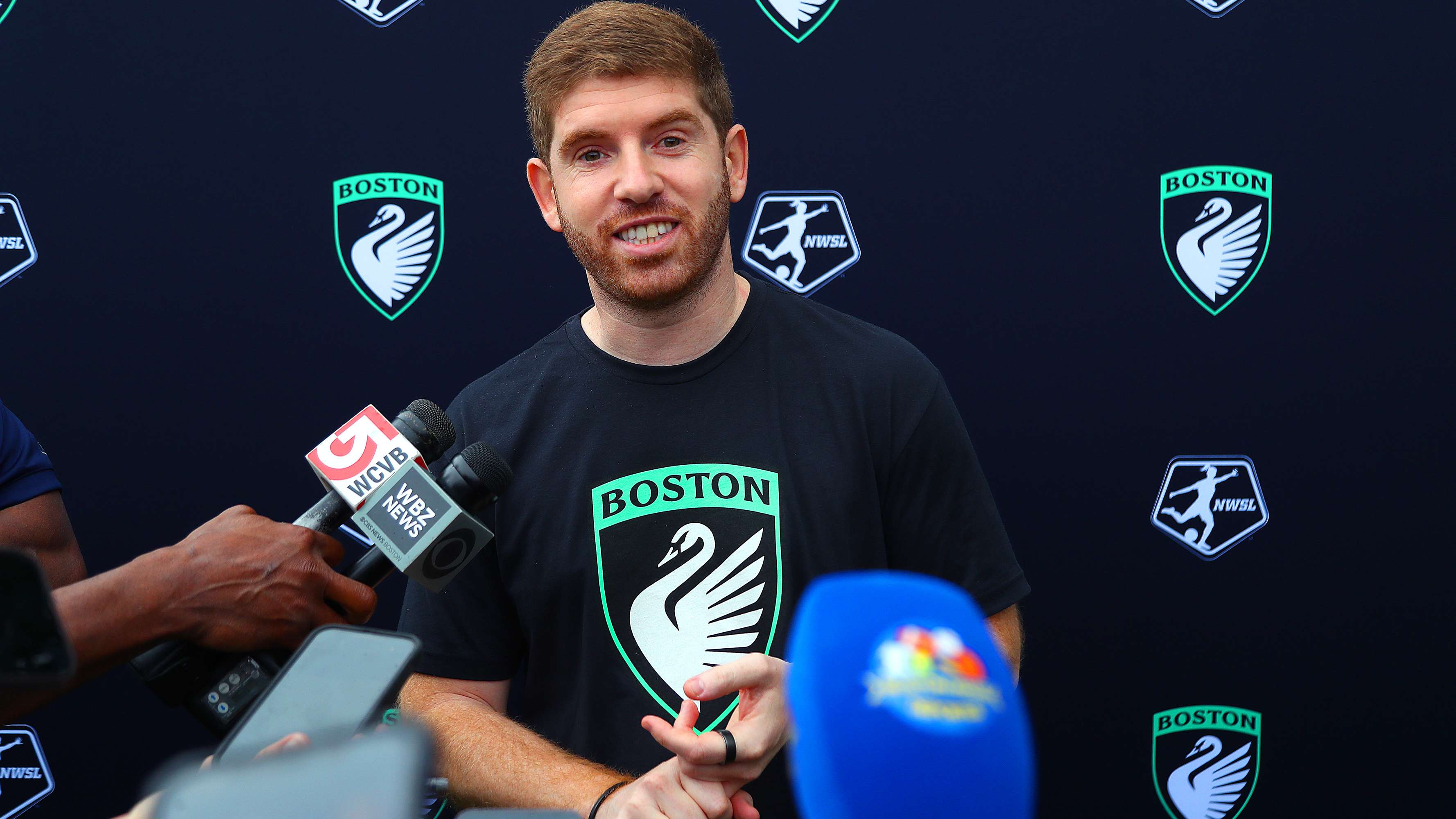
    “Boston is a club where we want to develop both technical identity and have a clear style of play, but also we want a coach who thinks about more than just winning games,” General Manager Domè Guasch said. 

    With an intentional focus on community engagement, a roster built with both local and veteran ties, and a market that has long valued identity and tradition, Boston Legacy FC enters the league with the opportunity to grow into more than just a new expansion side. But early tests remain: earning neighborhood trust, navigating a split-season identity, and proving this revival will not mirror the instability that ended the Breakers era. 

    “I think when the team was launched, it was very focused on being a city team,” Esten said. “Now with having these games in both Gillette and in Rhode Island, it just creates a new challenge.” 

    Very much like the city has grown to support women’s sports over the years, the Legacy now has the chance to grow alongside it - though not without its share of challenges.