+18 or +21, depending on state | Commercial Content | T&C's Apply | Play Responsibly | Publishing Principles
Mauricio Pochettino USMNTGetty/GOAL

'A massive lesson for us' - Mauricio Pochettino's USMNT is a work in progress - and from culture to quality to trust, the 2025 Gold Cup run proved coach is learning

HOUSTON - From the start, Mauricio Pochettino and the members of the U.S. men's national team said the principal objective this summer was to win the Gold Cup. And while that was accurate, it doesn't tell the entire story. The Gold Cup, in many ways, was a means to an end.

The USMNT didn't win the Gold Cup. But here's what Pochettino and his pieced-together USMNT squad DID do: they learned. There were easy lessons and thorny lessons and painful lessons, but all that knowledge will be applied to preparations for the predominant goal: the 2026 World Cup.

In the end, the U.S. fell short, losing to Mexico 2-1 in the Gold Cup final. Ultimately, that may not be the worst thing in the world.

That will depend on what comes next. Can the U.S. convert lessons into execution? Or will the negative moments linger on during the buildup to the World Cup? This summer was equal parts foundation building and drama, but which of those two will win out in the long run?

"I think it's been a massive lesson for us, and I think that is priceless," Pochettino said after the final. "I think this was an amazing tournament to realize that way that we want to grow and that is the way that, I think, we are going to find a way to compete better and better and be very competitive in the ways we want to be. It's a very painful night because, when you lose a trophy or a game, it's really painful.

"But the most important thing is for us to have our heads up because I think this tournament was fantastic. I think we can keep going. That is the way we build our journey into the World Cup. And I have no doubt we are going to be really, really competitive."

Pochettino could fill a textbook with the lessons learned during this Gold Cup run. GOAL looks at the top five.
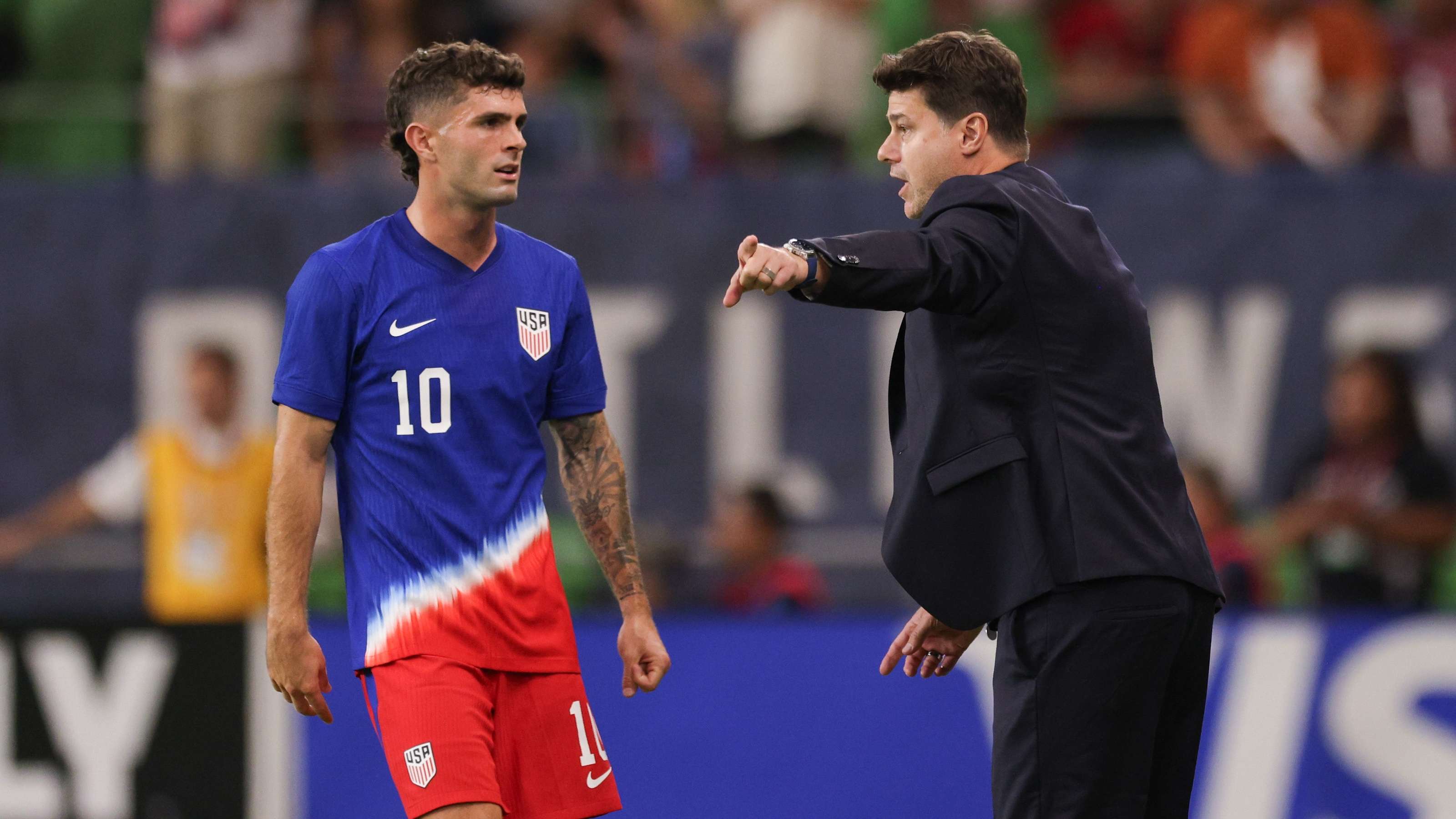
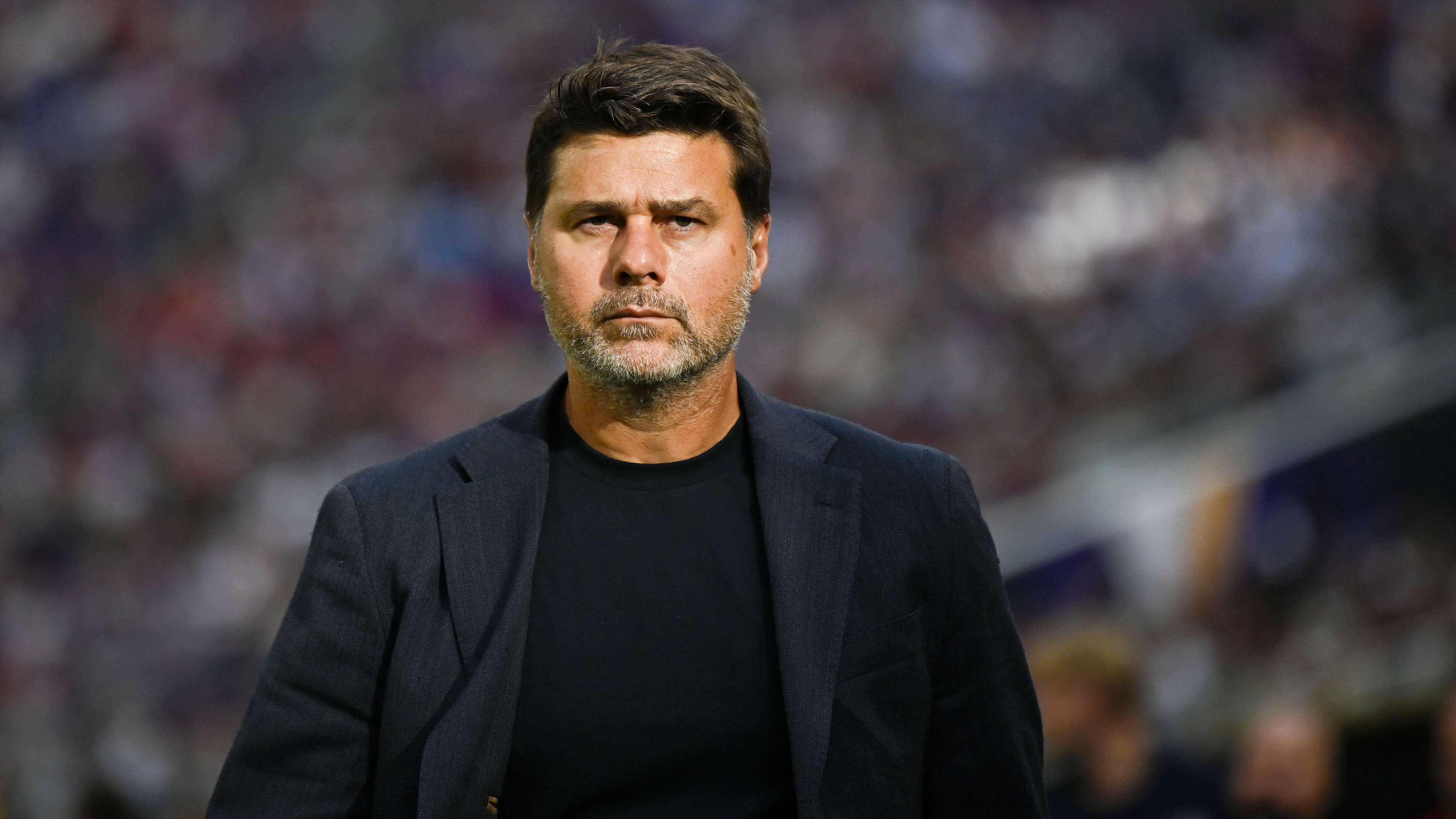
  • Mauricio Pochettino Christian Pulisic USMNTGetty Images

    The culture is a work in progress

    One of the keywords of the summer was "culture." From the moment the U.S. lost to Panama in the Nations League semifinals, culture took center stage. This summer, more than before, Pochettino had a front row seat for a cultural experience that, especially for someone from Argentina, had to feel totally alien.

    It began with the decision from Christian Pulisic to skip the Gold Cup, one that immediately turned contentious. The controversy ebbed and flowed throughout the summer, creating plenty of headlines and podcast topics and talking-head talking points that were about anything other than soccer. Ultimately, that decision - and it's ramifications - will have a lasting effect, and, although Pochettino didn't outright say it, he did allude to it throughout the tournament.

    "Players need to listen and to stick with our plan," he told reporters early in the tournament. "They cannot dictate the plan. The most important thing is that we explain why we decided not to include him in the two friendly games. And then if you have some problems, no, that is not my problem to understand. When I signed my contract in the federation, I am the head coach. I am not a mannequin."

    Pochettino spent the summer driving that point home. Before the tournament, he reiterated that national team duty wasn't a vacation or a golf outing, but an honor and a responsibility. His decision to exclude several experienced, familiar faces was seen as a reminder to them, but also a challenge to newcomers. The message clear: no one is above the team.

    That point was taken in by the 26 players in the squad this summer, all of whom continuously said that they bonded via the experience. After months of hearing how little fight the USMNT had, they were determined refute that notion - and throughout this tournament, they generally did. Now, those from this summer's squad are tasked with translating that to those who absent. That, ultimately, will define what the culture looks like going forward.

    "I think it has to translate right away, or I think Mauricio just probably won't call people in," Tyler Adams said. "Because the culture that we have, it doesn't matter who you are. If it's guys here that played well, if it's guys coming back into the group, if you're coming back from injury, just whatever it is. The culture and the emotion is the first thing that he wants to see, and I think that's going to lead to positive results."

  • Advertisement
  • United States v Costa Rica - Gold Cup 2025: Quarter FinalsGetty Images Sport

    Levels of international quality

    Trust is essential, and its absence raises red flags. That fact was exposed during the pre-Gold Cup Switzerland game, and it was so obvious, Pochettino learned immediately. This is a deep player pool, sure, but, when it comes to players that Pochettino can actually trust, there's a line that needs to be drawn.

    That Switzerland game, in particular, will have been a wake-up call, one that showed the difference between the quality needed to be called into the USMNT and the quality needed to actually contribute. On that day, the U.S. were embarrassed, shredded for four first-half goals, and in the Gold Cup that followed, Pochettino responded.

    After experimenting with lineups in the friendlies, he essentially locked in during the Gold Cup. He started just 14 different players over the six matches. In each of the three knockout games, he turned to the exact same starting XI. There were clear levels of players, and those not up to the mark generally didn't play much.

    The final, meanwhile, drove home a similar point: that there's an even higher standard. This group did well to get to the final, yes, but that match showed the step down from the top tier to the second tier. This summer, the U.S. faced three top 30 teams - and lost to all three. Yes, players such as Alex Freeman, Max Arfsten, Patrick Agyemang and Sebastian Berhalter can compete. But at the moment, they are not yet on the level of Sergino Dest, Antonee Robinson, Ricardo Pepi or Weston McKennie.

    Realistically, that isn't a surprise, there's a natural progression. But it's still a key lesson. Leading up to next summer, there are perhaps 15 players that, when fit, Pochettino can completely trust to play at a World Cup level. He discovered a few more this summer. But realistically, the learning from the summer is that most players on this particular Gold Cup squad are not yet there.

  • Saudi Arabia v United States - Gold Cup 2025Getty Images Sport

    Tillman, Richards can be counted on

    Reflecting on the former point, there were two players who made significant progress. There were more than two, in truth, but Malik Tillman and Chris Richards were chief among them, moving from rostered players to leaders.

    That was Richards' primary aim, he told GOAL, and he spent all summer proving it. Richards was CB1 heading into the summer and that didn't change. What did change, though, was his role. Richards is now on the same tier as Tyler Adams and Tim Ream as one of the leaders on this team. He's confident enough and capable enough to wear the armband and, given the emphasis on culture, adding a new leader will be invaluable for the USMNT.

    Tillman, meanwhile, isn't a vocal leader. He is a relatively quiet, shy person - except when a ball is at his feet. He hadn't gotten many chances to prove himself in a USMNT shirt prior to this summer, but has now made his case to be a starter next summer.

    "The huge positive within this group is that guys have stepped up who had maybe taken a backseat previously," Ream said. "It's not that they were quiet mice that just sat there and listened or anything. But take Chris Richards, for example. He stepped up into a more vocal role in terms of leading and making sure guys are doing the right things and in the right positions. Malik is another one, the quietest guy ever, but he's leading by example.

    "You have guys who are vocal and guys who lead by example. And to find and unearth more of those within this group has been a really big positive."

  • Panama v United StatesGetty Images Sport

    Creating space can be an issue

    Without Pulisic, Tim Weah and Folarin Balogun in the attack, the USMNT were always going to struggle for width this summer. It was tougher than expected, though, as myriad absences underscored just how few players this team has that can keep opposing defenses honest.

    Pochettino was missing players with the ability to stretch a backline. With Robinson and Dest also out, the U.S. were missing game-breaking fullbacks that force defenders to cover every inch of the field. Without them, the U.S. had to either play through a congested middle or hoof the ball up to Agyemang. In the end, there just weren't enough ways to really challenge the best backlines they faced this summer.

    That's not an easy fix. It's been made abundantly clear that this team is short on bona fide attacking options, those who can do real damage at a World Cup level. To mitigate their losses, the U.S. played with two attacking midfielders in TIllman and Diego Luna and, while both are supremely talented, neither can really stretch a backline. As a result, Agyemang was often on an island. It wasn't sustainable.

    If the U.S. wants to be a top-level attacking team, they'll need their best players healthy. If not, the problems from this summer will only be magnified against stiffer competition.

  • Mauricio Pochettino USMNTGetty Images

    Much more work to be done

    In the latter stages of the tournament, Pochettino repeatedly stressed the importance of fan support. His side walked into hostile environments - in Minneapolis and Houston, respectively - against both Guatemala and Mexico. Those environments came amid varying crowd sizes and levels of support leading up to those latter stages. Again, for someone from Argentina, this will have been a new experience for him.

    Less than one year out from the World Cup, Pochettino can't snap his fingers and change things, and there are a variety of reasons that support for the USMNT wasn't quite where Pochettino wanted it this summer. Ticket prices, competing tournaments, a lack of big names, and fans supporting teams of their heritage - you name it. However, it is clear that, right now, this group can use some optimism, and that needs to translate to stadiums.

    "I think we need the people, the fans," Pochettino said. "The fans have one year to realize how important fans are in soccer. I think that [in the final], like Guatemala, is a scene in our country to see how important the fans are in the stadium, to stay with the team, to support, not only through Instagram or social media or through the TV. It's to be here and to provide the energy. We always talk in America or in Europe or in South America, but football without fans, it's impossible.

    "I think it's about time we realize that we need the fans because the fans are so good, for sure, but I think it's about supporting the team, maybe, in a different way. I don't want to complain about that today. We see the fans and they're so intelligent, but when you see today, the semifinal, we need them to say, 'Maybe we need to support the team and go see the team'. I think and I hope that next time we play with a full stadium, with our fans cheering on the team and helping us to achieve good performances."

    To get there, Pochettino and the USMNT have to earn it. Over the last year, there has been little for fans to be excited about in terms of results. Winning can cure all, of course, and there are still more chances to win leading up to 2026, even if those games won't be in official competitions. The Gold Cup was a small step forward, but not as big as Pochettino would have liked as he and the U.S. look to build towards the World Cup.