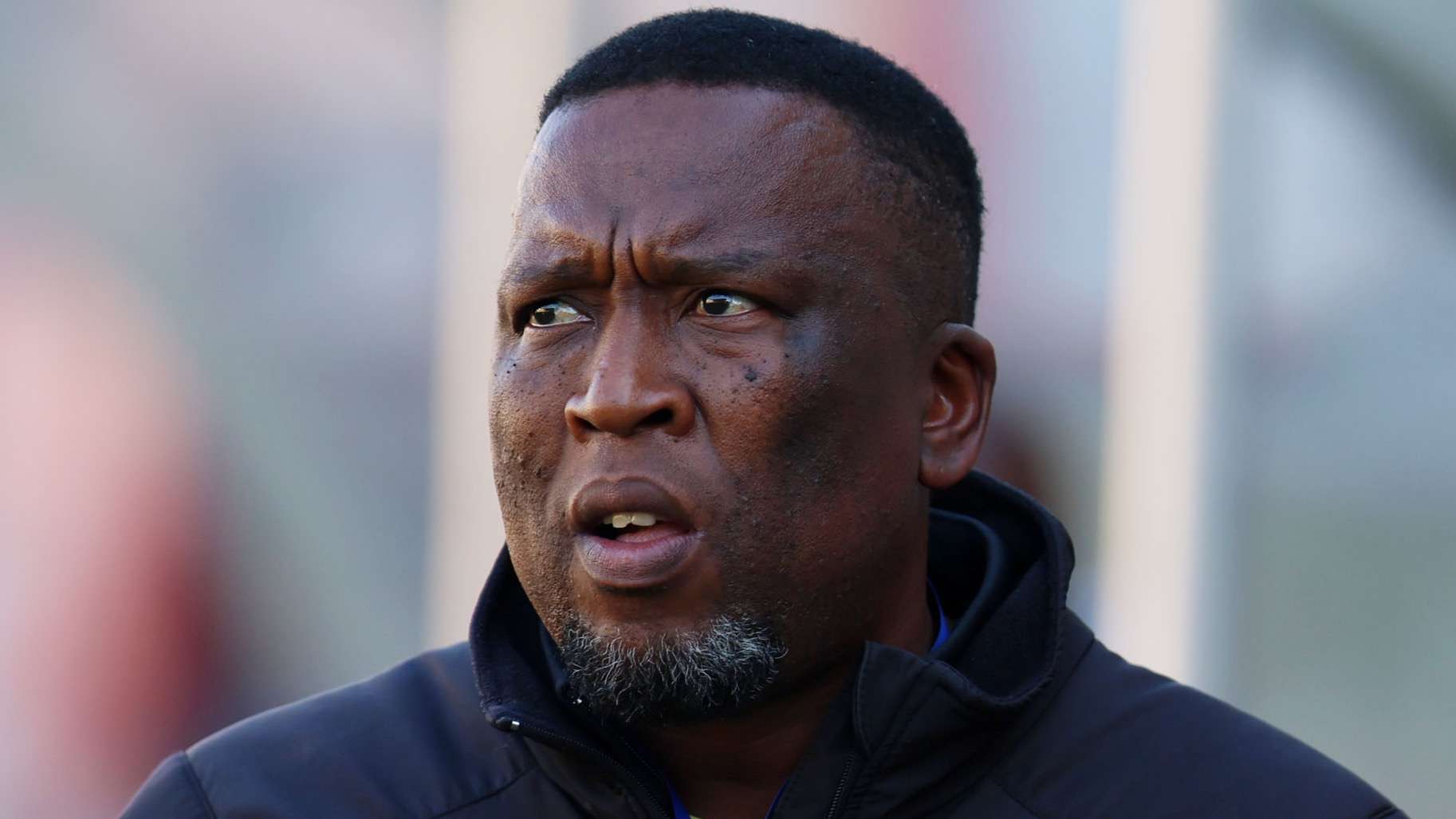
Pheko Phago is already making waves away from Naturena after a stellar start to his loan spell with Hope FC, earning rave reviews from his new manager. Meanwhile, Samkelo Zwane has opened up about his own immediate impact at the club after netting a crucial debut goal in the Motsepe Foundation Championship. The former Kaizer Chiefs midfielder is determined to rebuild his career following a frustrating lack of consistent game time at senior level.
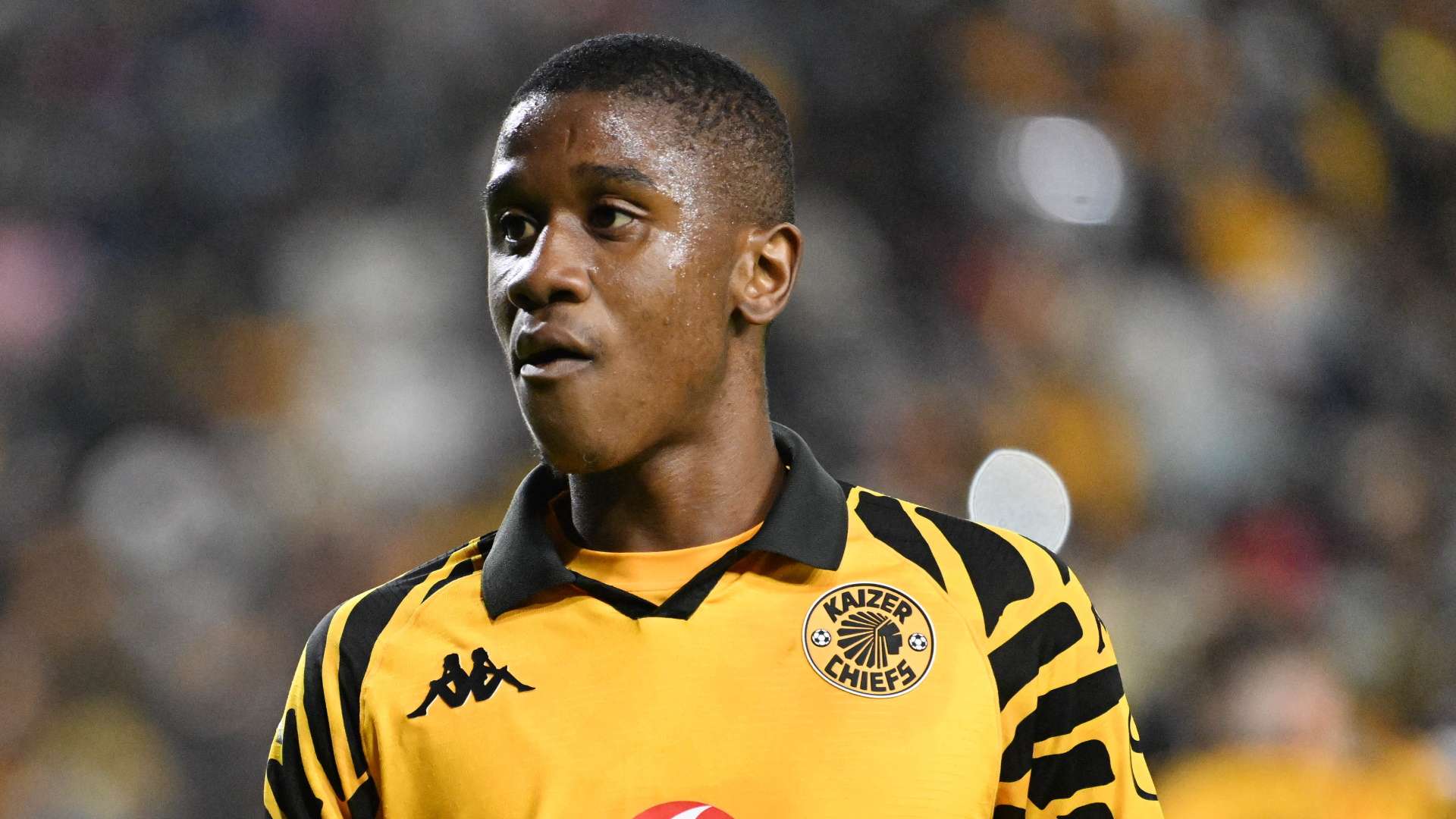
The talented Amakhosi attacking midfielder has taken an important step in his recovery by returning to action for the club's reserve side. The outing comes as the 22-year-old continues to regain match sharpness ahead of a first-team return.
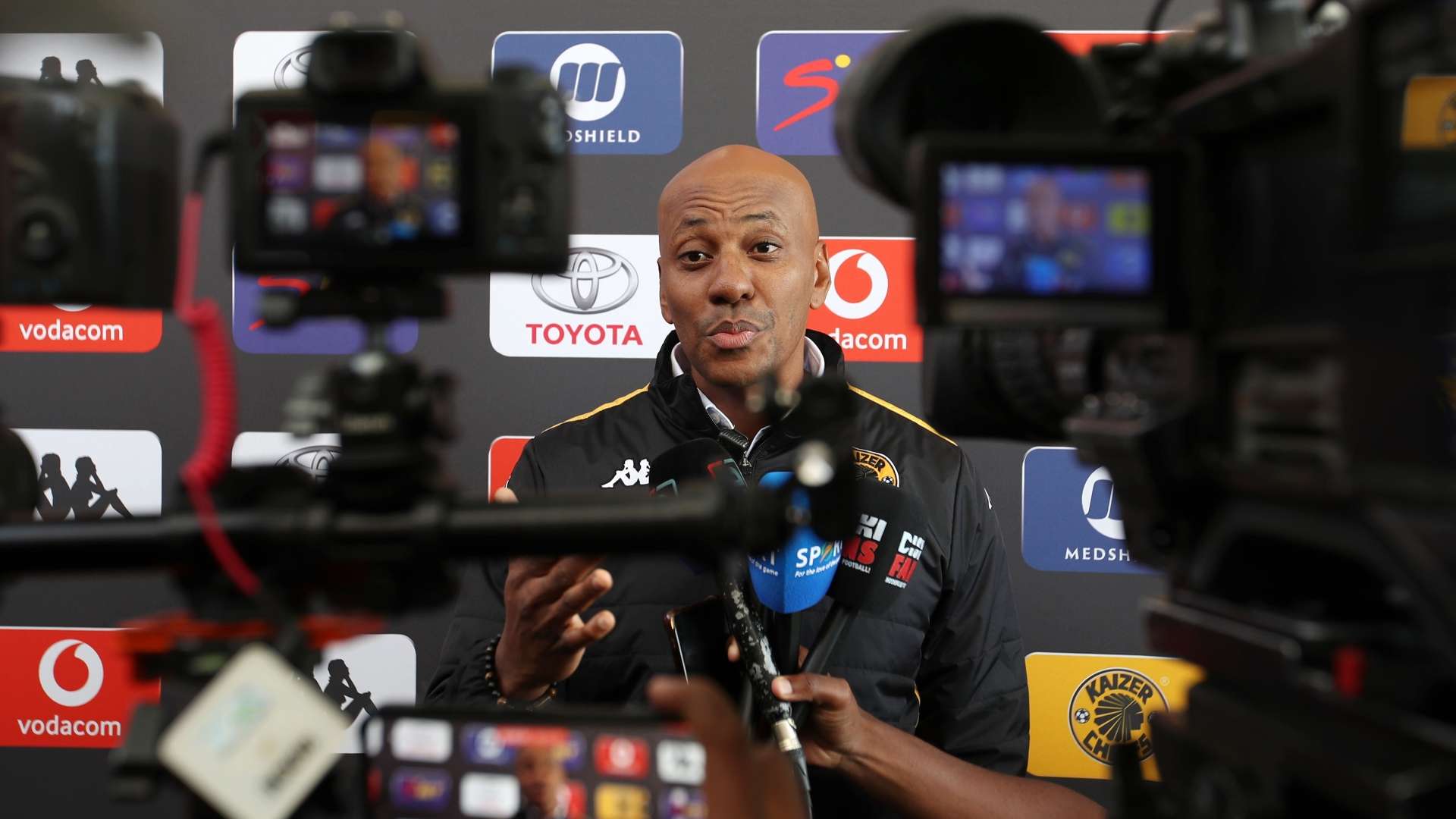
The Amakhosi reserve team coach has mapped out a bold philosophical reset he would unleash if entrusted with the first-team hot seat at Naturena. The youth tactician is pushing for a return to roots built on courage, intensity, and a stronger pipeline of academy graduates breaking into the senior side, arguing that homegrown talent must once again take centre stage in the club’s long-term vision.
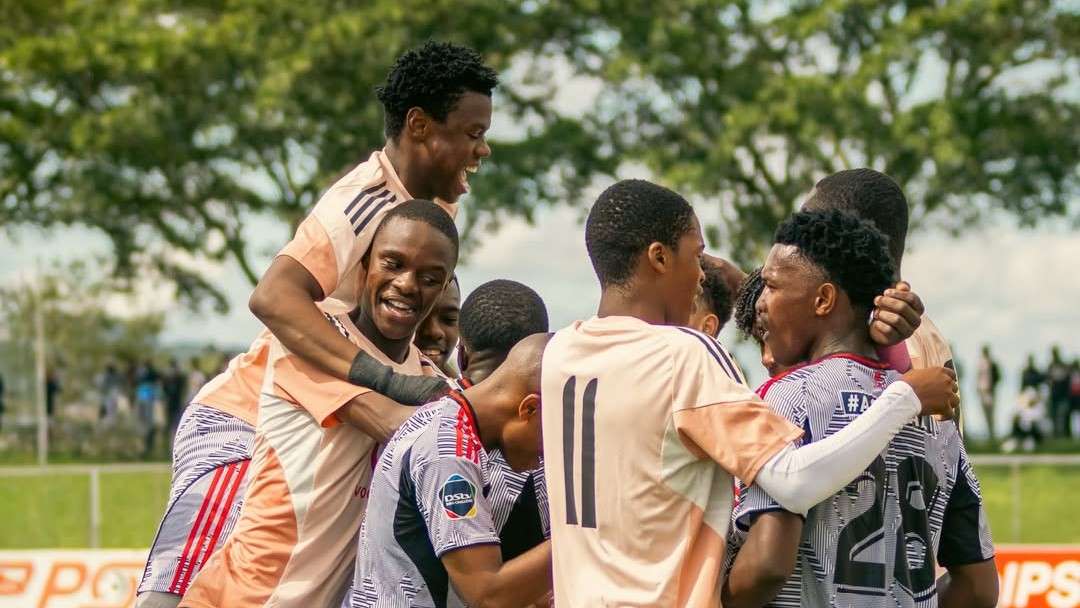
The Glamour Boys have been told they are sitting on a coaching goldmine as praise pours in for one of the club's most influential figures. Following a remarkable tactical display in the DStv Diski Challenge Soweto Derby, the Amakhosi youth setup continues to draw major attention for its ability to produce both results and talent.
Although the Sea Robbers have been in fine form, they went down to their local traditional rivals in a tightly fought encounter. The defeat is a blow to the Buccaneers, who were keen to win and widen the gap between them and Mamelodi Sundowns. By winning the game, the Glamour Boys have ensured their dominance in this fixture continues.
The Soweto outfits ended the week on the back foot following disappointing results in their respective Sunday morning fixtures. The Buccaneers were forced to settle for a single point, while Amakhosi suffered a heavy defeat in a five-goal encounter that compounded their struggles.
Following the strong statement by Amakhosi football manager Bobby Motaung in recent weeks that the Soweto side had no intentions of signing new players, the surprising announcement of Cape Town City player Xhosa Manyana joining the Naturena-based team raised eyebrows. However, the club has since come forward to explain the reason behind the new acquisition.
The Soweto Giants have a massive opportunity to show their potential when they play in Europe against some top sides. Their Sporting Director is anticipating a tough outing but insists there will be a lot to learn for the players, and the club will, in the long run, benefit. In the previous season, Stellenbosch represented Mzansi.
Three Amakhosi players who were part of the club’s pre-season tour of the Netherlands had raised hopes they would become central figures in the first team this season. However, the players failing to play first-team football suggests they have taken steps back in their development after such early promise. It also casts doubt on whether the Soweto giants are nurturing quality talent as expected, highlighting concerns about how effectively the club transitions academy prospects into the first team. That might see Chiefs having to rethink their entire player development strategy.
The 11-day tour will see the Glamour Boys take part in three games before taking a tour in London, including a visit to Premier League offices. Amakhosi's young stars will also have an opportunity to watch a league game between Leeds United and Chelsea.

 Kaizer Chiefs U23