Are you 24 or older?

Help us verify your age by providing an honest response. This site contains gambling advertising for 24+.

Age-restricted content

You’re not old enough to view betting content. You’ll be redirected to the homepage.

alt
Goal.com
Wiegman-WSL-1:1Getty/GOAL

Where is the Lionesses' next generation? WSL faces major issue as England's top young talents made to wait for opportunities

England has one of the best women's national teams in the world and perhaps the best women's league on the planet, too, but the lack of opportunities for young players domestically is a real concern

Ameé Ruszkai
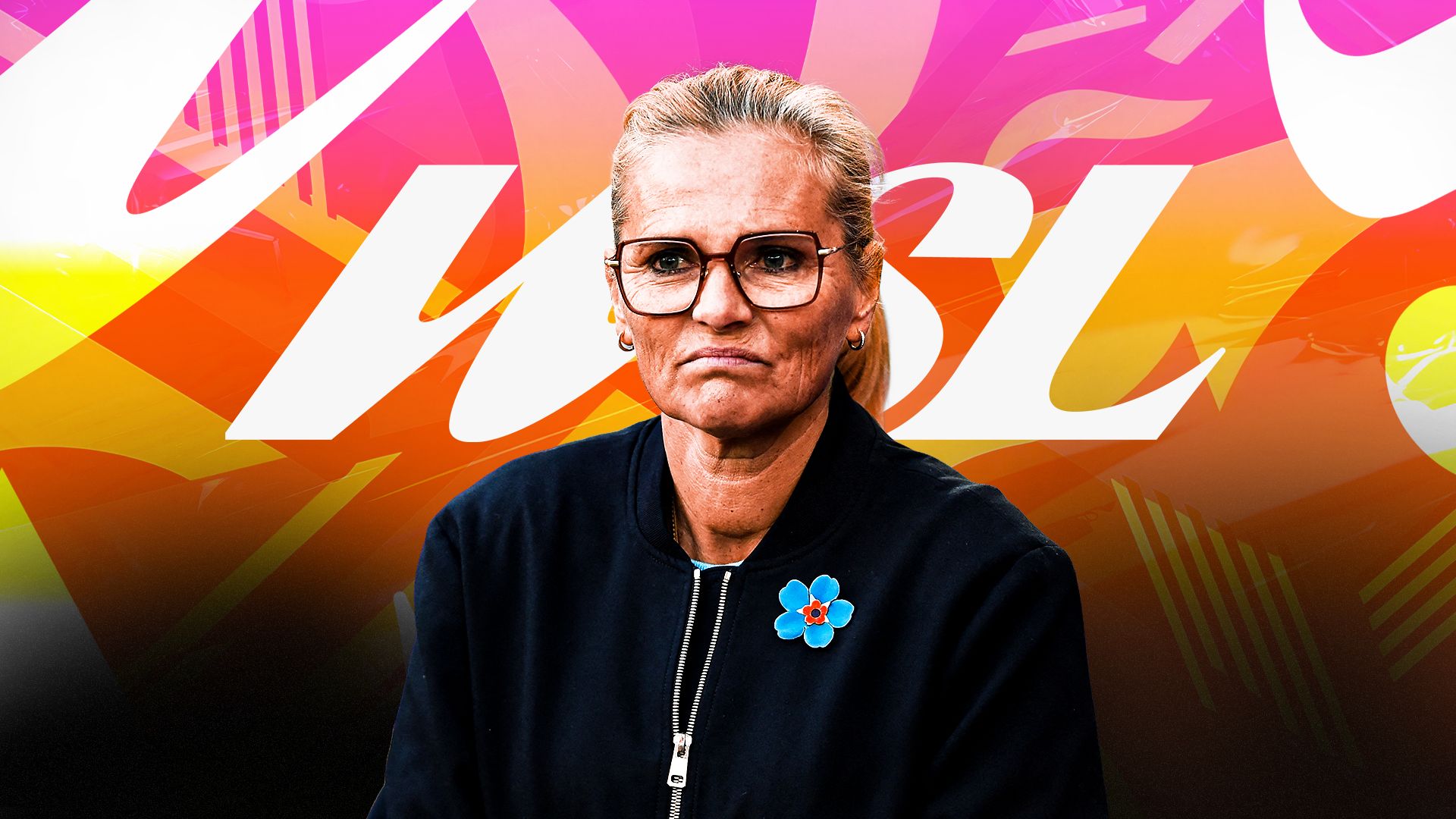
  • England have one of the best women’s national teams in the world. Winners of the last two European Championship titles and finalists at the most recent World Cup, the Lionesses are a force in the women’s game. That is underpinned by England having arguably the best league in the world, too, in the Women’s Super League. But the division is currently facing a real issue in giving the country’s next generation an opportunity.

    Among Europe's top five leagues and the NWSL in the United States, the WSL ranked last in most categories when calculating minutes given to young talent through the 2025-26 season (considering the 2025 season for the NWSL).

    Looking at homegrown players born in 2005 or later, no league gave out a lower percentage of minutes than the WSL, with less than 3% of the total available given to that group. Every other league had a percentage at least double that, with Germany’s Frauen-Bundesliga (12%) leading the way. Perhaps most concerning, though, is that the WSL actually gave a greater share of game time to talent born in 2005 or later than the NWSL, but 64% of it went to non-English players.

    Even increasing the age bracket to players who began the 2025-26 season aged 23 or under, the WSL continues to stand out for a lack of opportunities. No league gave a lower percentage of minutes to U23 players than the WSL and, again, the majority of those minutes went to foreign players, more so than in any of the other six divisions.

    Clearly, as indicated by the arrival of players like two-time Ballon d'Or winner Alexia Putellas, the WSL has become an incredibly attractive destination for the biggest stars in the world. But what does it mean for those who represent the future of English women’s football?
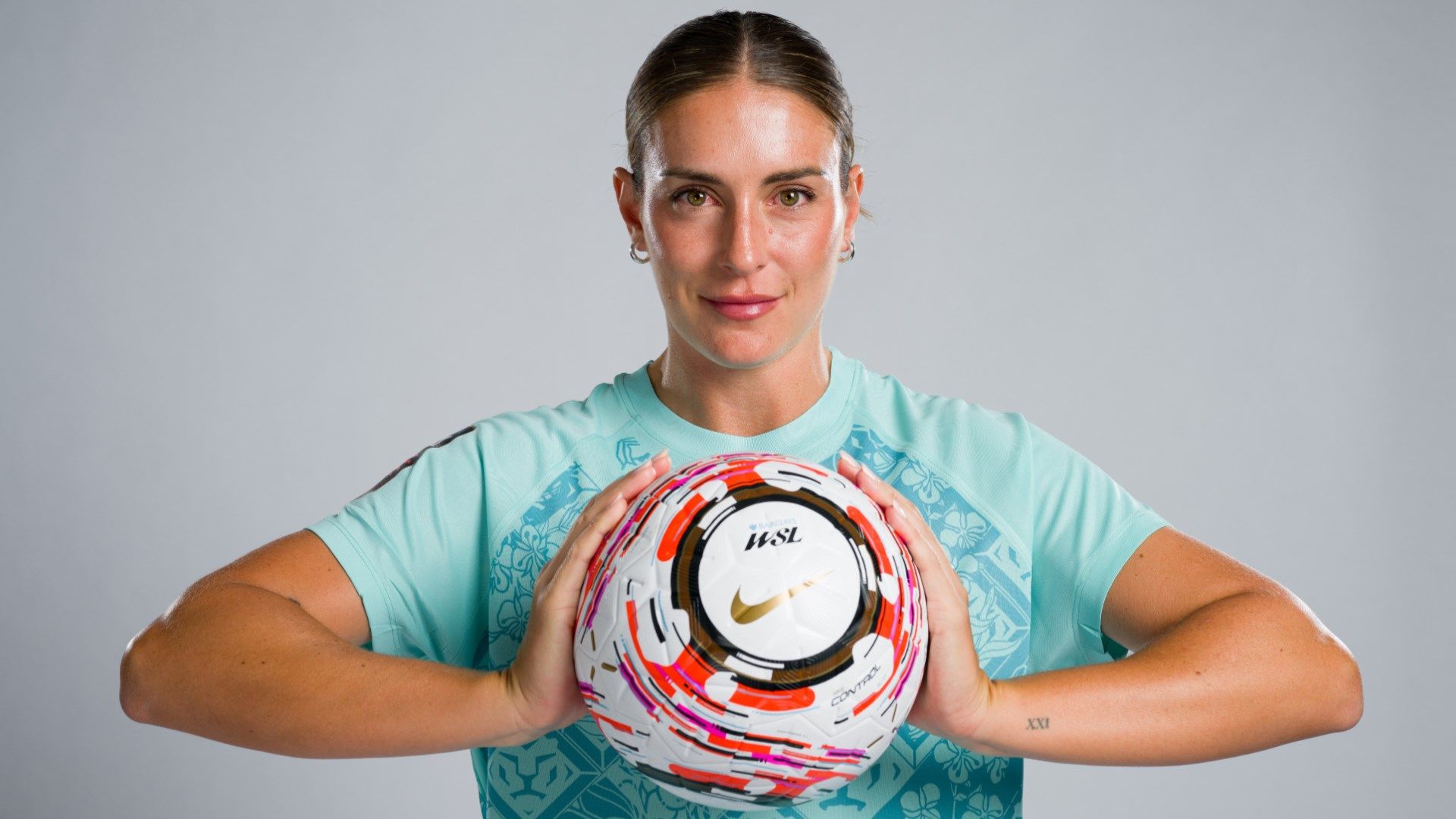
  • Best in the world?

    Alexia Putellas London City Lionesses 2026-27
    Getty Images

    The arrival of players like Alexia Putellas in this summer's transfer window supports the theory that the WSL is the best league in the world

    Those statistics serve to justify a concern that has occupied the minds of onlookers for a while now, and it is hard not to link it with the WSL’s overall development into perhaps the best league in the world. As the elite level has improved, the gap the young players are having to bridge has grown massively.

    “I think it takes longer to get ready to be a player that can compete in the WSL now compared to previously,” Martin Ho said this summer. Ho was the assistant manager at Manchester United between 2020 and 2023, before spending two years in Norway in charge of Brann. He then returned to England last summer to take charge of Spurs.

    "When I was at Man United, maybe the bar was lower,” he believes. “The league has kicked on in the last three years. The demand is so much higher now.”

  • 'Key challenges'

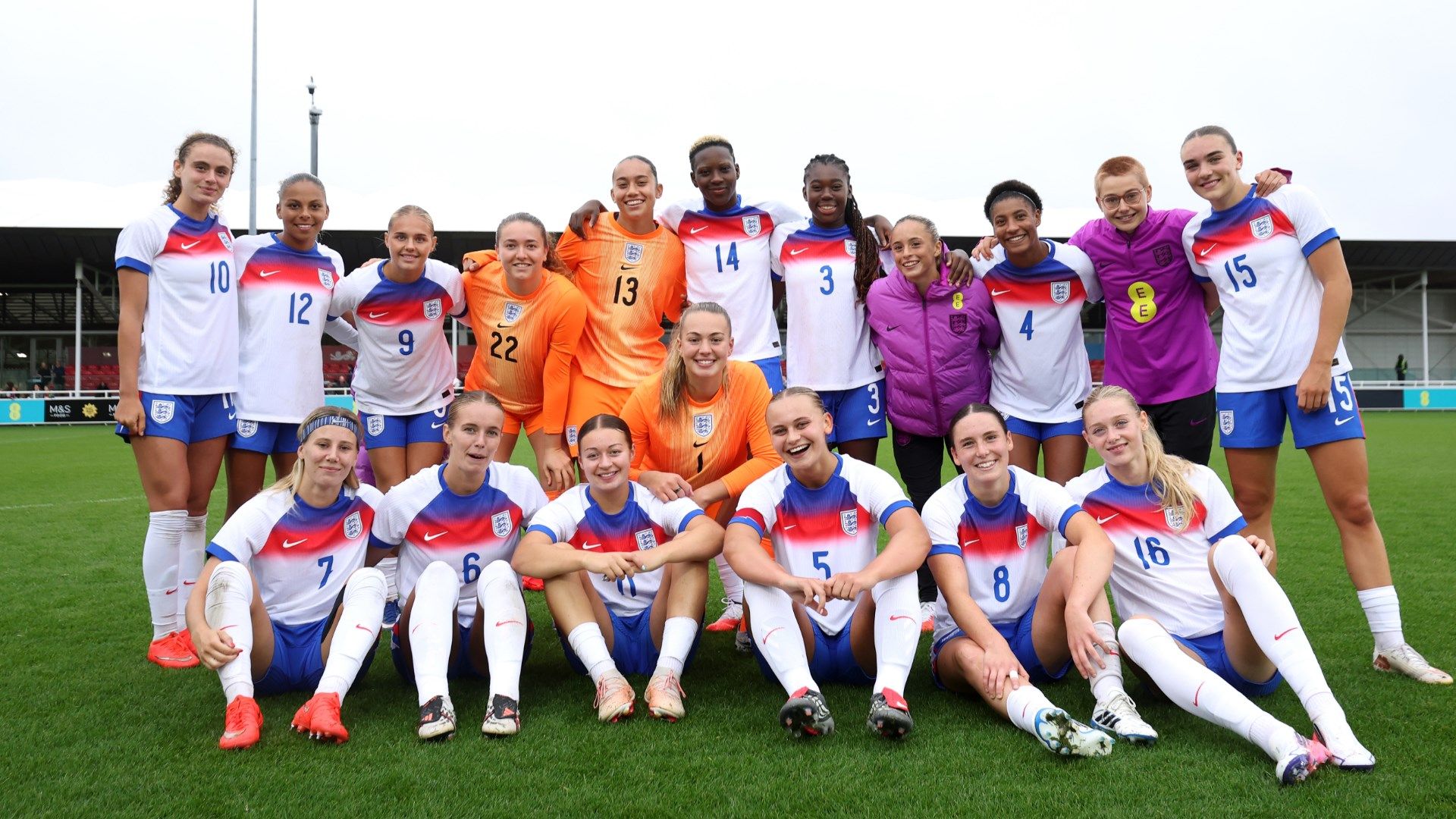
    England Women U20s 2026
    Getty Images

    The FA has made two big changes this summer which it will hope helps the development of the next generation of Lionesses

    Every club is now trying to figure out how best to bridge that gap, and the Football Association (FA) is too. This summer, academy contracts were introduced, allowing girls to train and play full-time like never before. It’s a change that will be “transformational”, believes Manchester City managing director Charlotte O’Neill: “Because you can't go from training on evenings and weekends to then competing against Lauren Hemp.”

    In August, the FA announced another massive change which will see four academy teams given the opportunity to compete in the third-tier from the 2027-28 season. "We need to take proactive action now to address some of the key challenges we’re facing," Sue Day, director of women's football at the FA, said. “We need to create more opportunities for talented young English players to develop in senior football.”

    Speaking ahead of the Under-20 Women’s World Cup this week, Lydia Bedford, coach of the Young Lionesses at the tournament, described the change as something that will present an “incredible opportunity” to young players in England.

    “I'm an advocate for any opportunity that tests our young players,” she said. “If it's right for the player and it tests and improves them, then I think we should always be considering what else we can do, because other nations obviously are doing that too.”

  • Learning from others

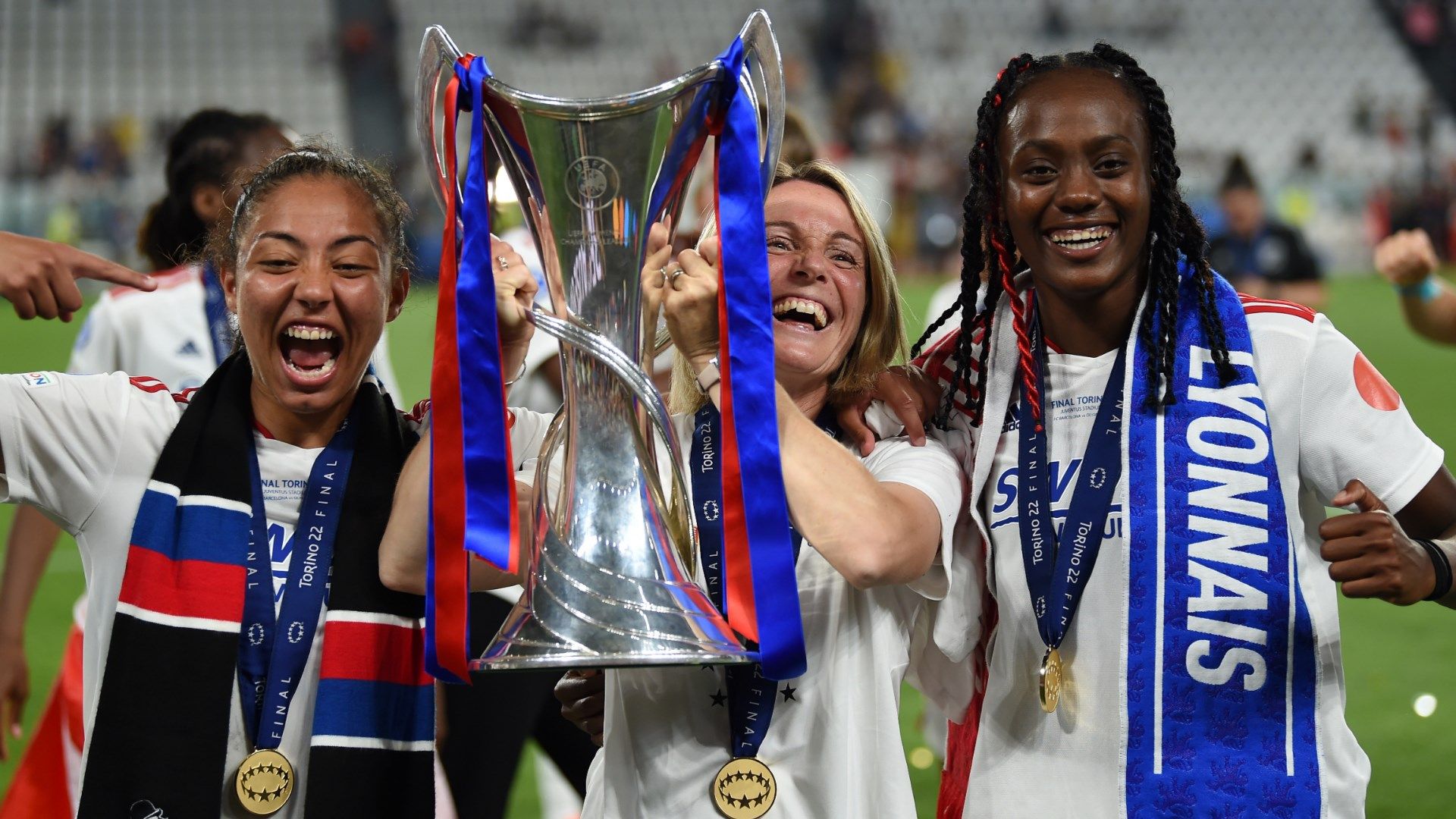
    Selma Bacha Sonia Bompastor Melvine Malard UWCL trophy 2022
    Getty Images

    Chelsea boss Sonia Bompastor previously headed up Lyon's academy, which benefited from the use of a second team to develop talents like Selma Bacha and Melvine Malard

    As Bedford alludes to, while a controversial move, one that has largely been resisted in English men’s football and also has plenty of opposition in the women’s game, B teams are common across Europe and have undoubtedly had a positive impact on the development of young talent.

    Indeed, the B team (and C team) at Barcelona has been integral to them having one of the best academies in the sport, while Ulrike Ballweg, the head of talent development for women's and girls' football at the German Football Association (DFB), described the use of second teams in the 2. Frauen-Bundesliga as “very important”.

    “Our overall objective is to help more players make the transition from youth football into professional games,” she told GOAL. “This provides a high-level bridge between youth and senior football.”

    Sonia Bompastor, the Chelsea manager, was previously the head of Lyon’s academy and later led OL’s first team as head coach. In those nine years, she saw first-hand the impact of having a reserve team, limited to players up to the age of 23, in the second division.

    “In France, the academy is a really strong programme and everything is done for the young players to have this pathway to the first team environment,” she explained, speaking to GOAL. “Everything is aligned. The young players are training on the same schedule and have the same support coming from the staff. The competition they are involved in, the second division or the third division, they are playing against adults already. I think all these decisions help them to develop stronger and faster and the gap between the first team and them becomes smaller."

  • Elite competition

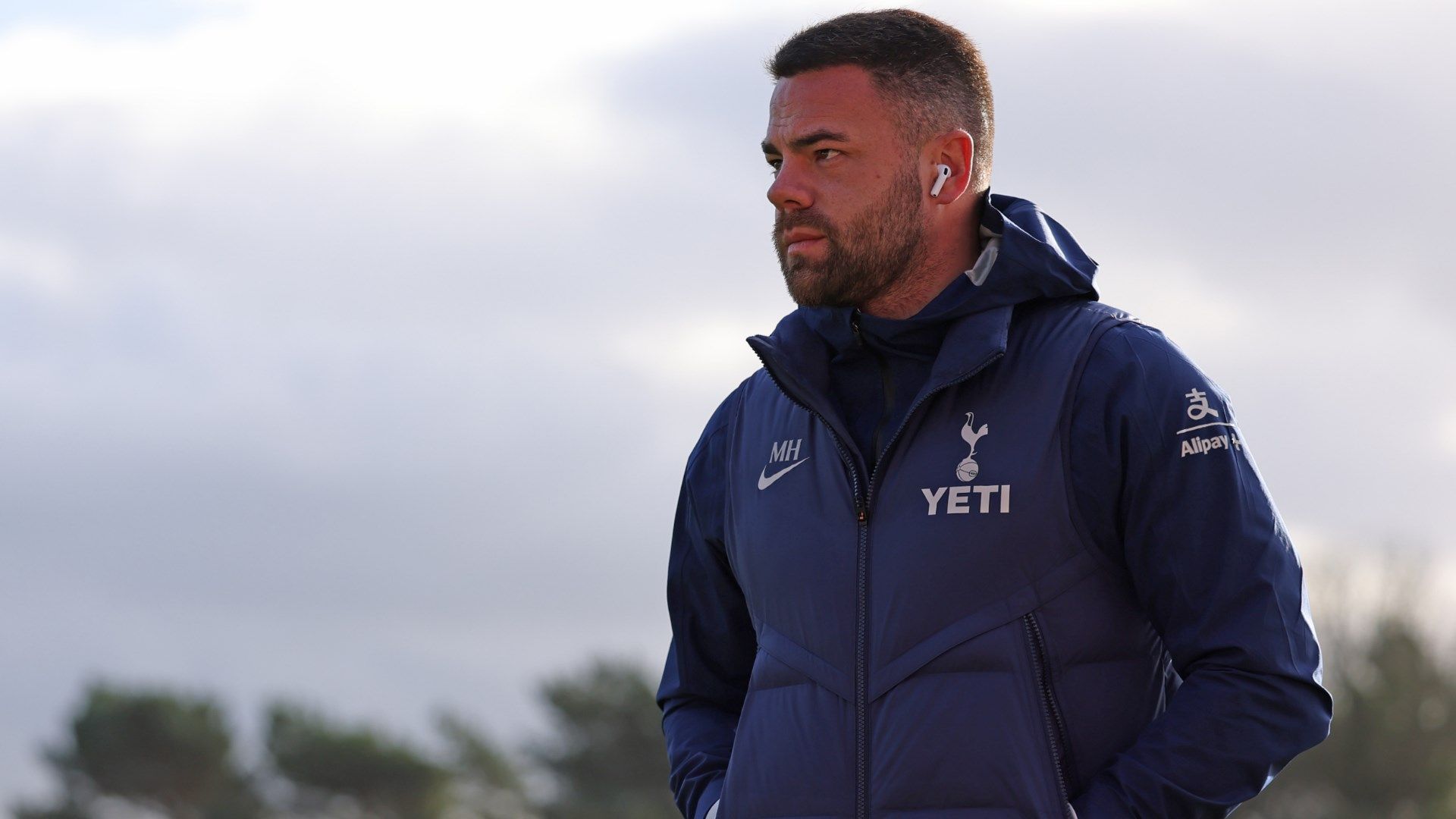
    Martin Ho Tottenham 2025-26
    Getty Images

    Tottenham boss Martin Ho has an excellent reputation for developing young talent, but even he acknowledges the challenges of doing so in the WSL

    This is a change that the FA will hope helps the WSL, too, as the level of competition in the English top-flight means games are becoming harder, even for the top teams, thus impacting minutes for young players.

    When head coach at Lyon, Bompastor was able to rotate in most league games “to give opportunities to young players”, because the Premiere Ligue is not as competitive, especially not for OL, winners of 19 of the last 20 titles. At Chelsea, however, she says, “The difference is huge. Here, I think when you have the Champions League and the league, for me, the level is almost the same, so you can't always rotate the team the way you would like to because the competition is really high.”

    It’s not just Bompastor, who works at a club in Chelsea that had won six successive WSL titles before Man City’s triumph last season, who has that problem. Ho had the second-youngest squad in the WSL last season at Tottenham, but the majority of his U23 players arrived from abroad, where they had accumulated a lot of experience before moving to north London. It serves to highlight just how difficult giving homegrown talent that breakthrough is when even a manager like Ho, who is renowned for developing players, acknowledges that doing so with English players in the WSL is difficult. “I think it's a really hard balance as a coach,” he admitted.

    “We know it’s an issue,” Bedford, England’s U20s coach, said this week. But she also knows the challenges facing WSL coaches, having spent a year as Leicester City boss before working as an assistant at Arsenal.

    “The amount of pressure on coaches these days means that they will always make the decision that they think is going to prepare their team to win," she continued. "Therefore, our young players have to fight and perform and put themselves in the best position to earn those opportunities. They've got to earn it as well. Nothing's going to be given.”

  • Financial factors

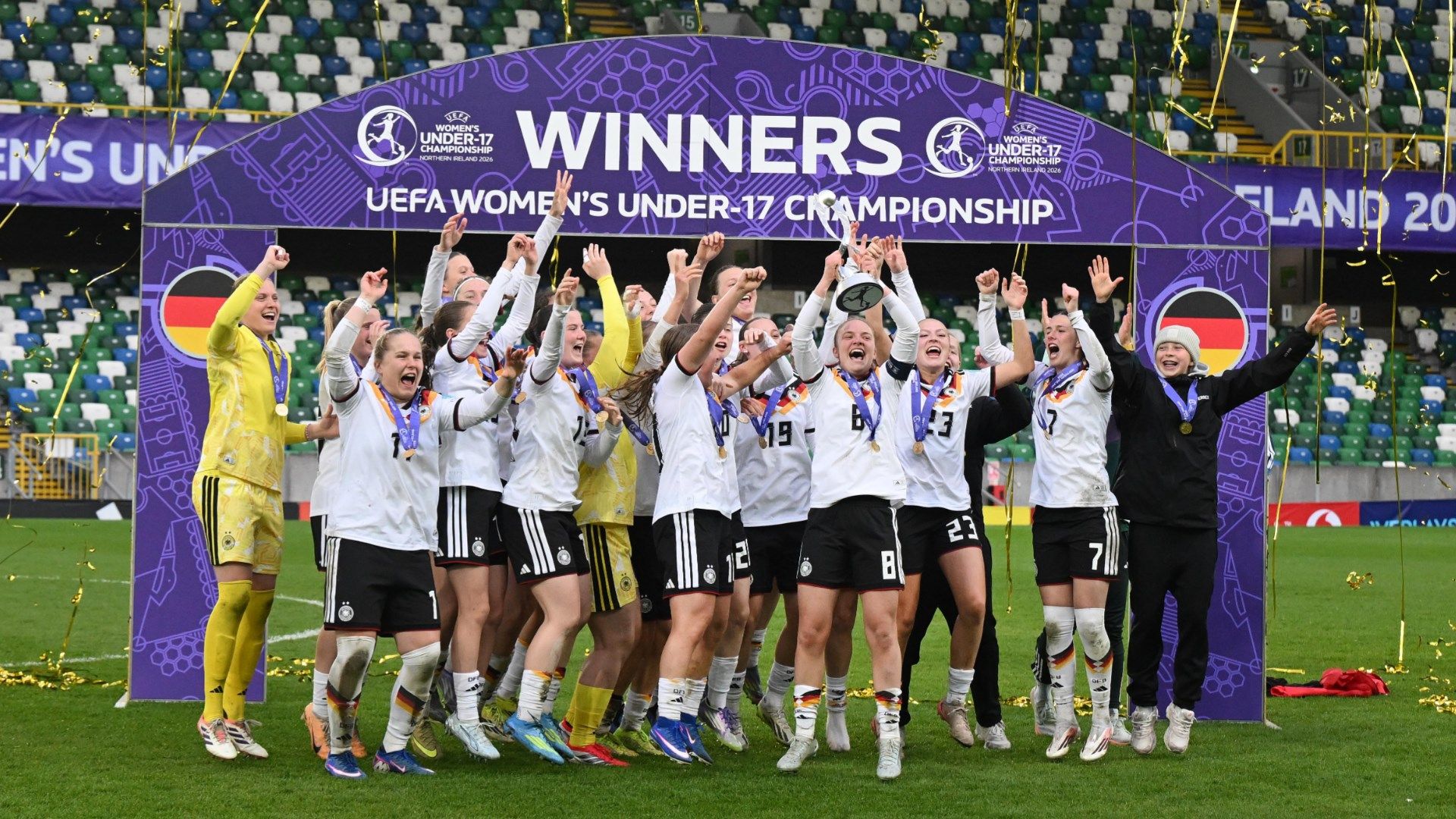
    Germany U17 Women's Euros winners 2026
    Getty Images

    Germany's women's teams don't break the bank in the transfer market, but they invest heavily in youth development, which is helping the nation's next generation of talent

    Finances play a role in the issues the WSL is facing, too. No women’s league spends quite like the English top-flight, which has applaudable investment, enviable broadcasting deals and plenty of other monetary elements to be proud of. But the silver lining for teams in other leagues, which don’t have these advantages, is that their investment in academies and youth development naturally becomes a very high priority, in order to produce their own players rather than competing in the fast-growing market. This then has long-term benefits.

    Ballweg, who has been in her role at the DFB for 10 years now, does not shy away from this factor. “Financial conditions certainly play a major role,” she admitted, talking to GOAL about Germany’s impressive youth development. However, it’s not just because clubs in the Frauen-Bundesliga have no other option.

    “We see many clubs deliberately expanding their youth development because they believe that sustainable development is the best long-term strategy,” she explained. “Our objective is to develop as many players as possible who are capable of making the step into professional football. That's why clubs are increasingly investing in their academies and development structures.”

    This has led to what Ballweg describes as “remarkable” progress in the quality of youth systems in the women’s game in Germany in the last decade. Notably, the country won the U17 Women’s Euros earlier this year for the fifth time since 2016.

  • Reaping the rewards

    Clara Serrajordi Salma Paralluelo Barcelona Women 2025-26
    Getty Images

    Barcelona consistently reap the rewards of a great youth set-up, with Clara Serrajordi's performances last season a nod to how prolific La Masia has become on the women's side

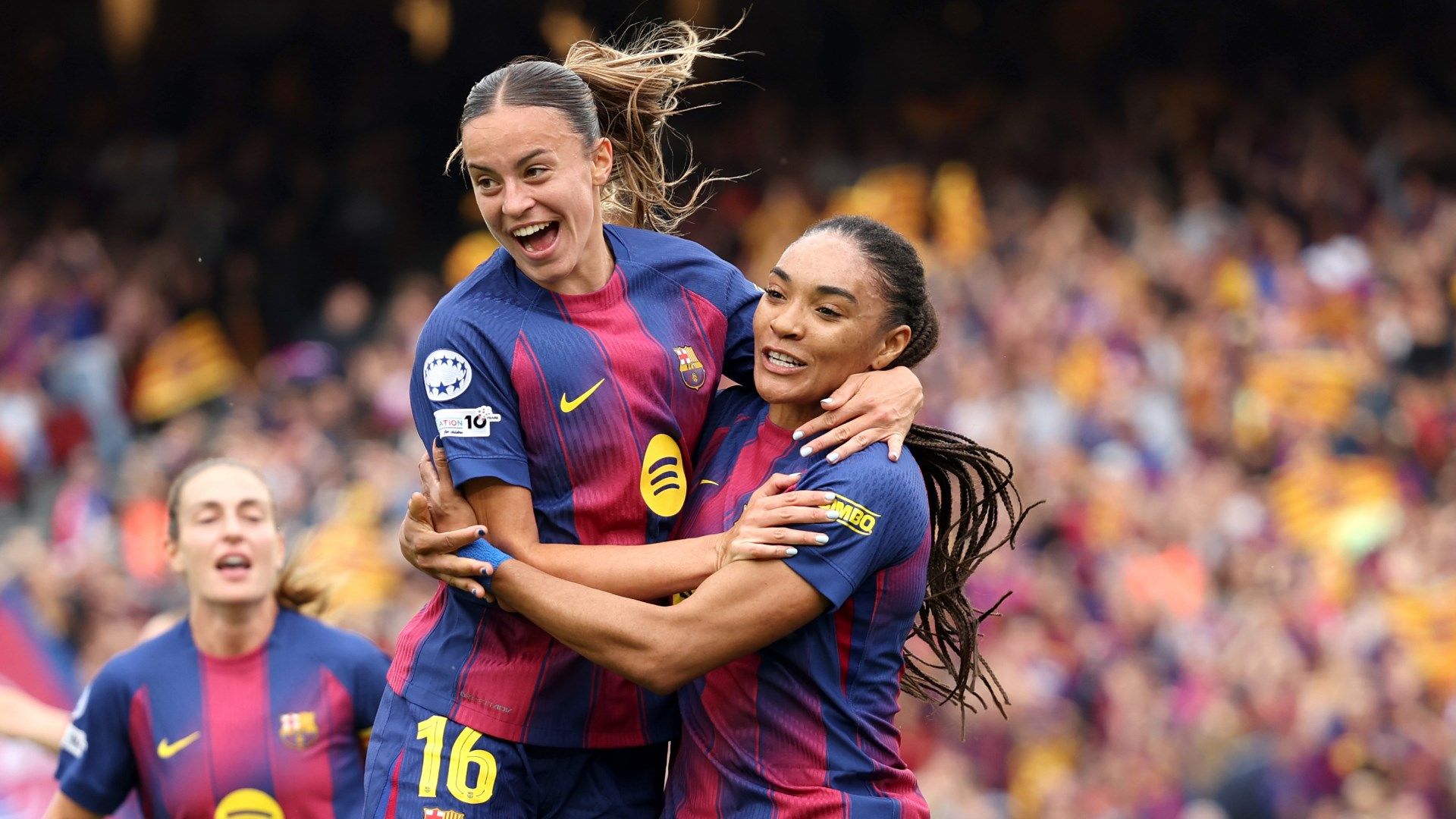
    As well as being senior world champions, Spain are another powerhouse at youth tournaments, winning a fifth successive U19 Euros title this year. Again, while they do not have a league with huge financial might, Liga F is one of the best divisions in Europe for trusting young, homegrown players, releasing a report earlier this summer that noted an historic 15.8% rise in registered players and that 67 registered reserve team players played at least one match in the Spanish top-flight during the 2025-26 season. A league-high eight of those 67 players belonged to Barcelona, the European champions who continue to trust in youth at the highest level.

    Admittedly, to some degree, they have to. Barca’s finances have been a talking point for several years now and, at times, have somewhat forced the club to turn to the academy. But La Masia may be the best talent factory in the women’s game, as evidenced by how well Clara Serrajordi deputised in midfield last season while Aitana Bonmati, winner of the last three Ballons d’Or, was injured. This production line helps ease the financial burden on Barcelona and other clubs with strong pathways, while also providing a team with talent that can round out a top squad at a lesser cost.

    The NWSL, the top league in the United States, has a lot of thriving teenage talent, and when asked why those players are trusted so much, Sarah Gregorius, the sporting vice president for the league, made a good point about the women’s game being at what she described as “an inflection point” as teams look to round out their squads.

    “Expansion of leagues and competitions has meant that the playing pool is being tested and teams have to look further and deeper for talent to support the ability to compete,” she told GOAL. “Clubs in the NWSL have done exactly that and found that the young talent in the U.S. is capable of competing at the highest levels of the professional club game. Coaches have worked hard to ensure that the players are ready for the transition and it is paying off.”

  • Homegrown quota needed?

    Freya Godfrey London City Lionesses 2025-26
    Getty Images

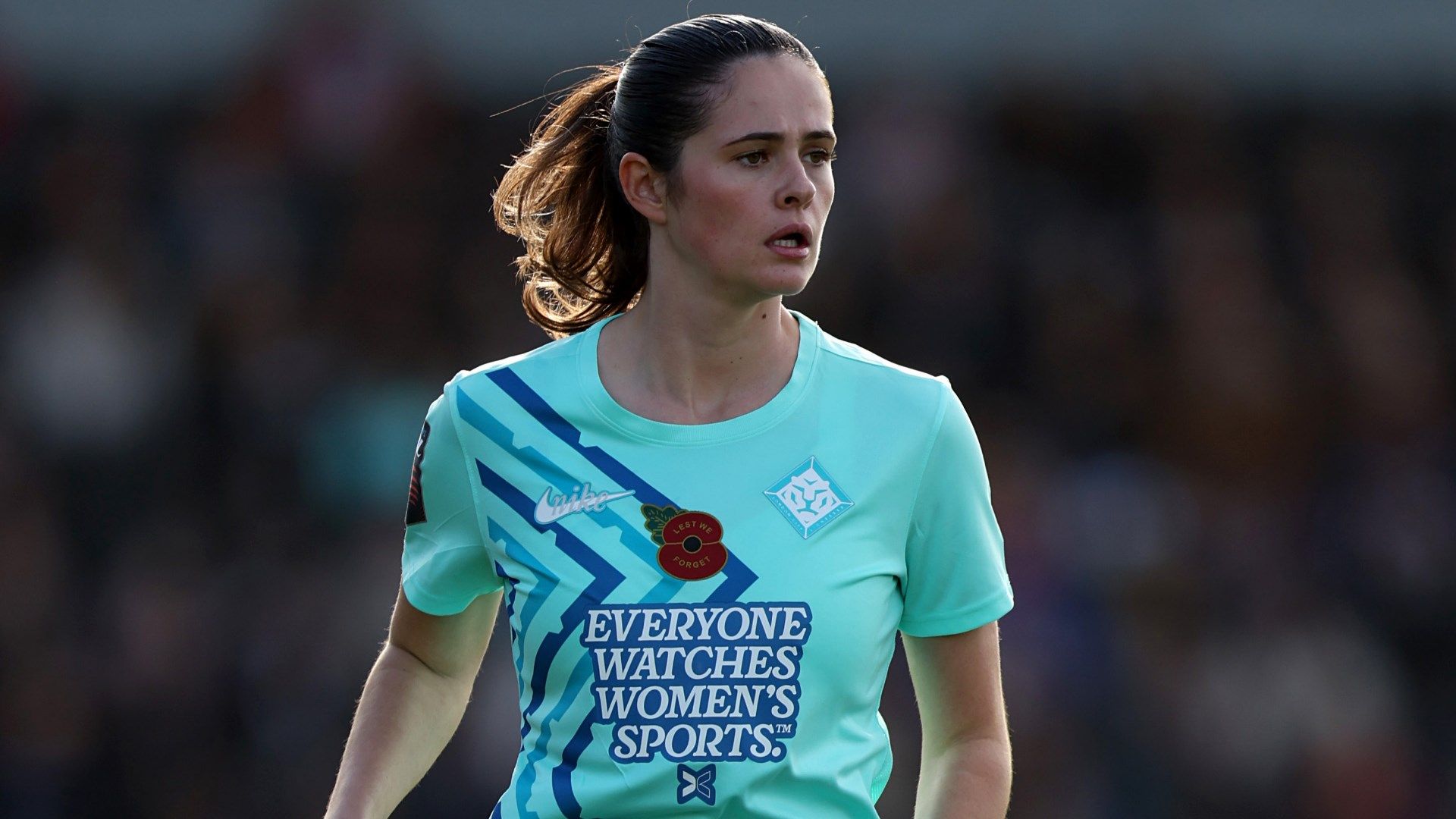
    Freya Godfrey, London City's talented 21-year-old, was a rare homegrown breakout star in the 2025-26 WSL season

    There are also cultural elements that come into the conversation. A club like Barca, for example, has a history steeped in the development of homegrown talent, be it Lionel Messi, Andres Iniesta and Xavi, or Bonmati, Putellas and Patri Guijarro. In Germany, meanwhile, Ballweg said: “Player development has traditionally been highly valued. That's why the clubs, the DFB and regional associations invest consciously in youth development and create structures that help young talents make the step into professional football. I believe that many German clubs invest in their own youth development because they genuinely believe in it.”

    It means that the Frauen-Bundesliga is one of few top European leagues that actually does not have a homegrown rule, or anything like it. “Our approach is to create excellent development environments rather than forcing change through regulations,” Ballweg added. “If clubs provide high-quality youth development, they benefit from it in the long-term. That's why our focus is on the quality of player development rather than formal quotas.”

    The WSL does have a homegrown rule, stating that teams must include at least eight homegrown players in their registered 25-player squads. That was introduced in September 2020 and, despite the FA expressing a hope to increase that number in the future, has remained unchanged since. Speaking this summer, Ho said he believes that “the homegrown quota is important” but suggested that “how we use that probably needs to be a little bit different”.

  • 'Held back'?

    Sam Kerr Australia Women 2026
    Getty Images

    Australia superstar Sam Kerr made her senior debut at the age of 15, something that isn't possible in the WSL, providing a point of frustration for some managers

    Another rule of note is the age restriction in the WSL, where players need to be 16 years old to make their debuts. It's uncommon to find this rule in other top leagues, including Australia’s A-League, where former Brighton boss Dario Vidosic helped bring through several top young players during his time in charge of Melbourne City. Among them was Shelby McMahon, who was a starter in that team at the age of 15, the same age at which the likes of Sam Kerr, Ellie Carpenter and Steph Catley first debuted in Australia’s top-flight. When Vidosic wanted to bring Mia Balmer, Brighton’s talented England youth international, into the Seagulls’ senior squad at the same age, though, he wasn’t able to.

    “We can't just say, 'Every 15-year-old that has a bit of talent should be here'. We always have to take into account if they can handle it and if it’s right for them at that moment, but I think that [rule] maybe holds them back a little bit,” Vidosic told GOAL this summer, before his surprising Brighton exit. “Mia Balmer probably would have played for the first team but was not allowed. She loses that opportunity just because of an age restriction that doesn't really exist anywhere else. Max Dowman is able to play in the Premier League - he was 15 - and Mia can’t play.”

    Matt Beard, the former Liverpool boss who tragically passed away last year, previously said similar of Zara Shaw, one of the stand-out players in the England U20s squad. Germany's Frauen-Bundesliga is one of few top leagues to have the same rule as the WSL. The NWSL used to have its own restrictions, meaning a player had to be 18 years old to play in the top league in the U.S, but that was abolished in 2021, paving the way for top talents like Olivia Moultrie, Alyssa Thompson and Jaedyn Shaw to come to the fore as teenagers.

  • Home-based stars

    Lauren James Lucy Bronze Chelsea Women 2025-26
    Getty Images

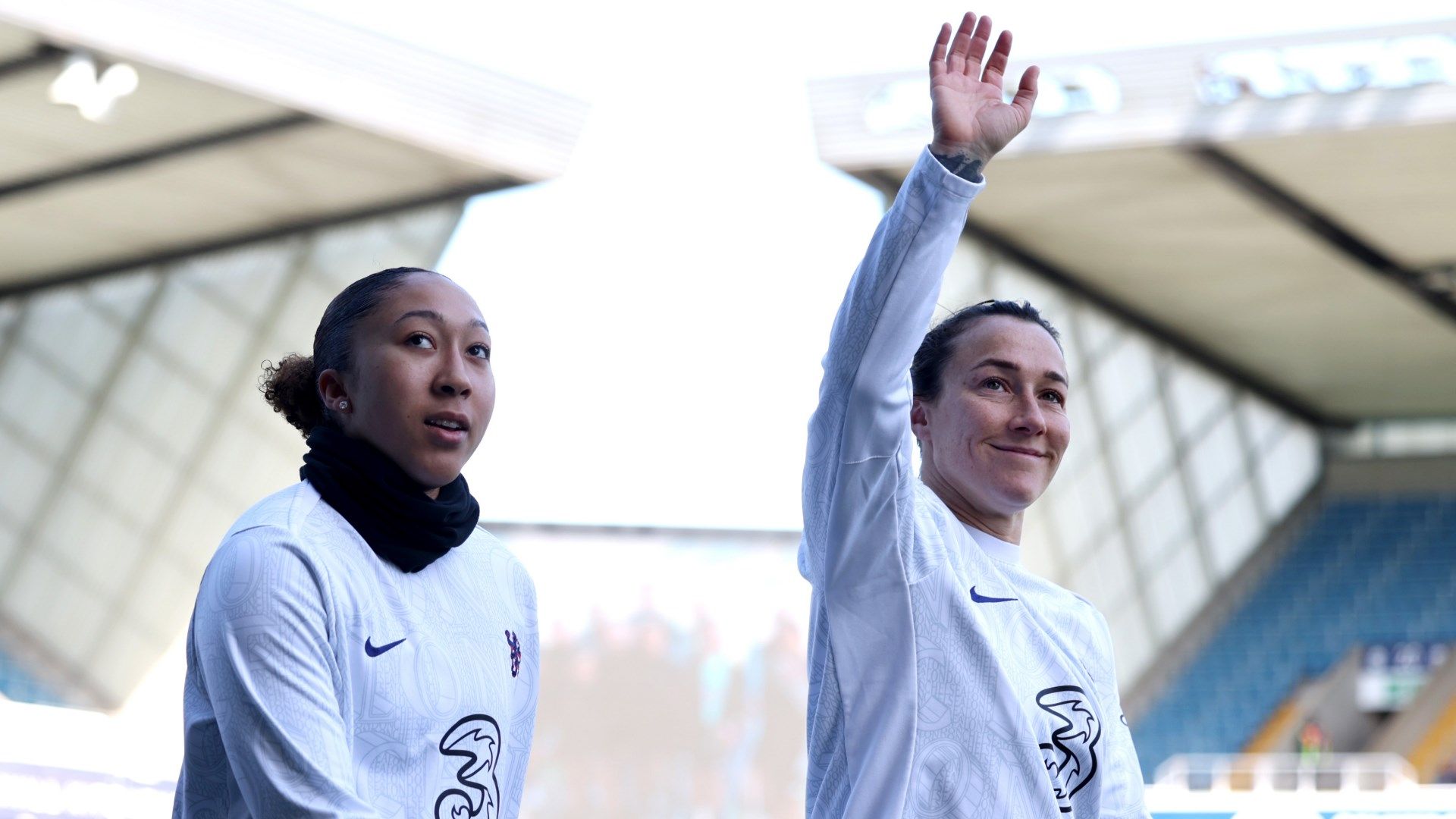
    Lauren James and Lucy Bronze are just two of the Lionesses stars who play their club football in England, alongside most of Sarina Wiegman's squad

    The WSL might have issues to address when it comes to youth development, but it is thriving in so many other areas, not least in the retainment of England’s best talent. While the likes of Lucy Bronze, Keira Walsh, Georgia Stanway, Alex Greenwood and Mary Earps have all had spells abroad over the years, each has ended up returning to the WSL in the end, with the league marking itself out as the place to be in Europe, if not the world.

    This isn’t the case elsewhere. When it looked like Trinity Rodman might leave the NWSL for Europe last year, the league introduced the High Impact Player rule, allowing clubs to exceed the salary cap by up to $1 million for elite players. Unsurprisingly, it’s been nicknamed ‘The Rodman Rule’.

    Meanwhile, 13 of Spain’s most recent 25-player squad play abroad, as do seven of the other 16 players called up for La Roja in the last 12 months. That’s compared to the 21 home-based players in England’s latest 24-player squad, and the fact that 10 of the other 13 names called-up in the past year are also in the WSL. Keeping the big homegrown stars at home provides a huge boost to the domestic league.

  • Increased chances necessary

    Alessia Russo Ella Toone England Women Euro 2025 trophy
    Getty Images

    England have one of the best national teams in the world but opportunities for young homegrown players in the WSL surely have to increase for that to remain the case long-term

    Still, it’s hard not to ask what the current state of the WSL means for the next generation. Just 42 homegrown players aged 23 or under played in the English top-flight last season, compared to 125 in the top-flight in Spain, 104 in Germany, 91 in France, 83 in U.S. and 53 in Italy. That’s despite the latter being a nation that is new to the elite level of the women’s game and, as such, has very low participation numbers.

    “The England national team is the best in Europe,” said Chelsea boss Bompastor. “But now it's how do you develop the young players to become one of the strongest countries in the world.”

    Some preach patience. Man City boss Andree Jeglertz knows all about good youth development as it is a trademark of his native Sweden. When talking to GOAL about how much trickier it is in England, he noted that it is an area where the WSL is still “growing”, before adding: “But you need to start with the best league and then you can build the other things.”

    Speaking specifically about City’s plans to bridge the gap between the U21s and the first team, Jeglertz is clearly encouraged, “but it takes time,” he insisted. “It takes a lot of time and we need to be patient.”

    It’s a hopefulness shared by O’Neill, the club’s managing director. She spent eight years in City’s boys’ academy, watching talented youngsters try to break into the best men’s league in the world and, as Pep Guardiola's arrival went on to deliver seven Premier League titles in eight years, one of the best teams in the world. Her take is simple, telling reporters in May: “The best way to clear the pathway is to develop top players. There is no other solution. I've lived it and breathed it. The solution is to find and develop the world's best players. If you do that, the path clears itself.

    “You look at Phil [Foden], Oscar Bobb, Rico Lewis, Nico O'Reilly, [James] Trafford. I took James Trafford to a tournament when he was in the U12s, to Paris, and saw how amazing he was and all the things we put around him to become one of the best goalkeepers in this country. So, for me, the focus is on creating the best academy in this country, if not Europe. If we produce elite talent, they will play.”

    Can every club in England do that? Probably not. Can things change to help the situation improve for all though? Absolutely. If the Lionesses want to continue to win major international titles and remain one of the best teams in the world for years to come, opportunities for young players to play in the WSL have to increase.