+19 | Please play responsibly | T&C's Apply | Commercial Content  | Publishing Principles
Georgia

Georgia news

World Cup missing stars GFX

Biggest stars who failed to qualify for World Cup 2026

We are now just over two months out from the 2026 World Cup finals in the United States, Canada and Mexico, with all 48 teams now locked in following the culmination of the various play-offs during the March international break. All of the pre-tournament favourites made it safely through qualifying, including Spain, Brazil, England, France and defending champions Argentina.

Georgia 0-4 Spain

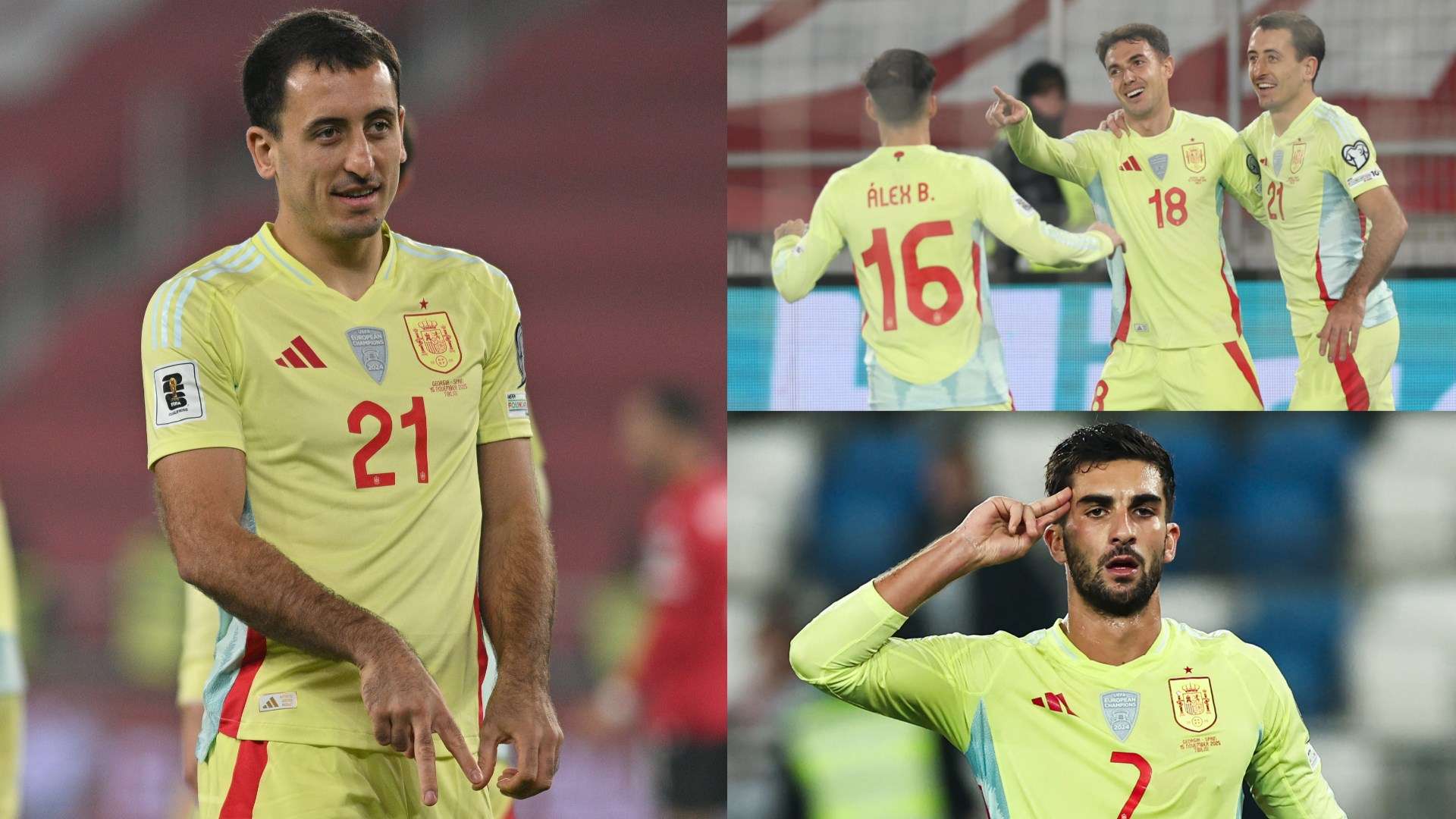
No Yamal, no problem! Oyarzabal puts Spain on brink of World Cup

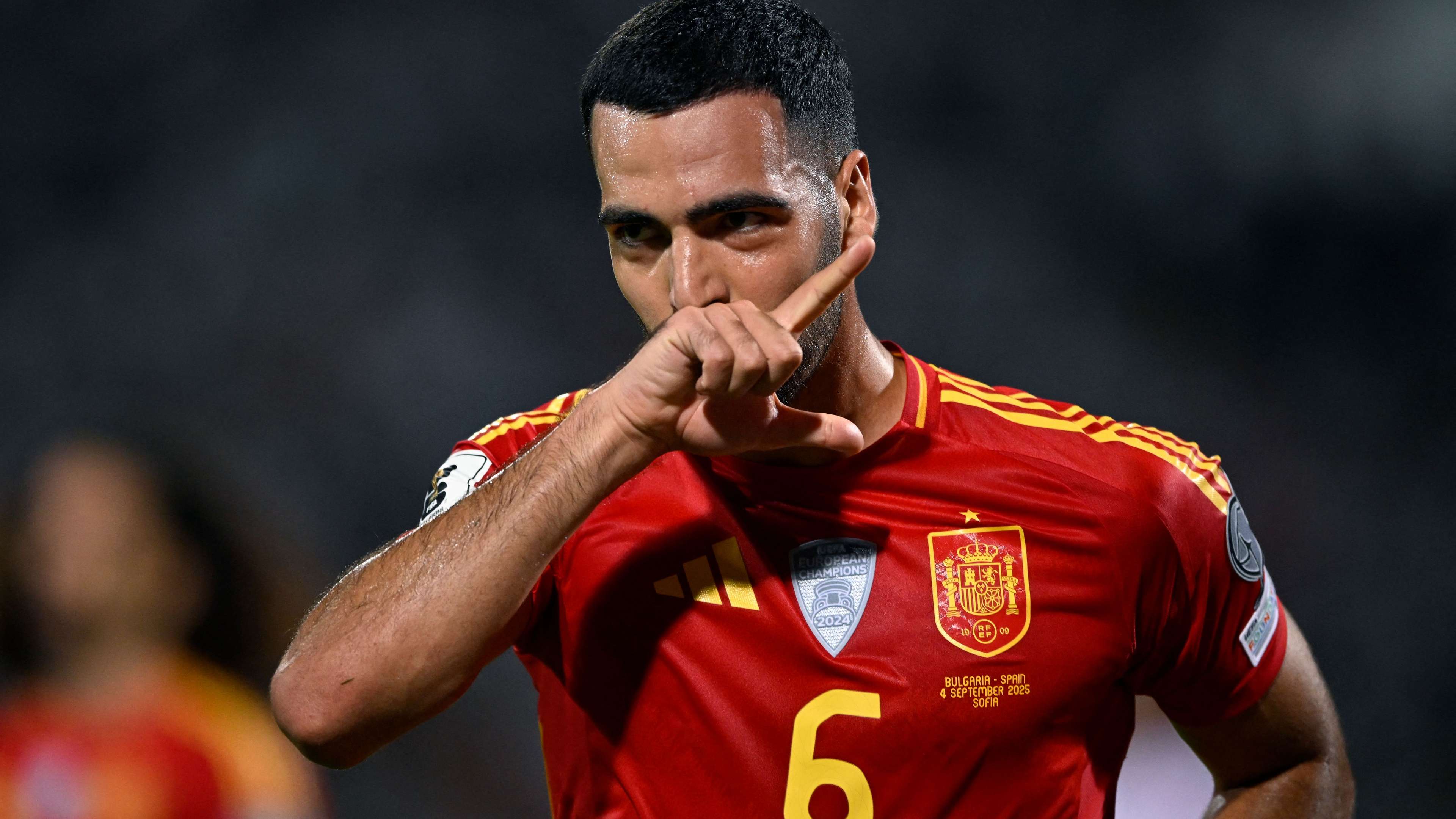
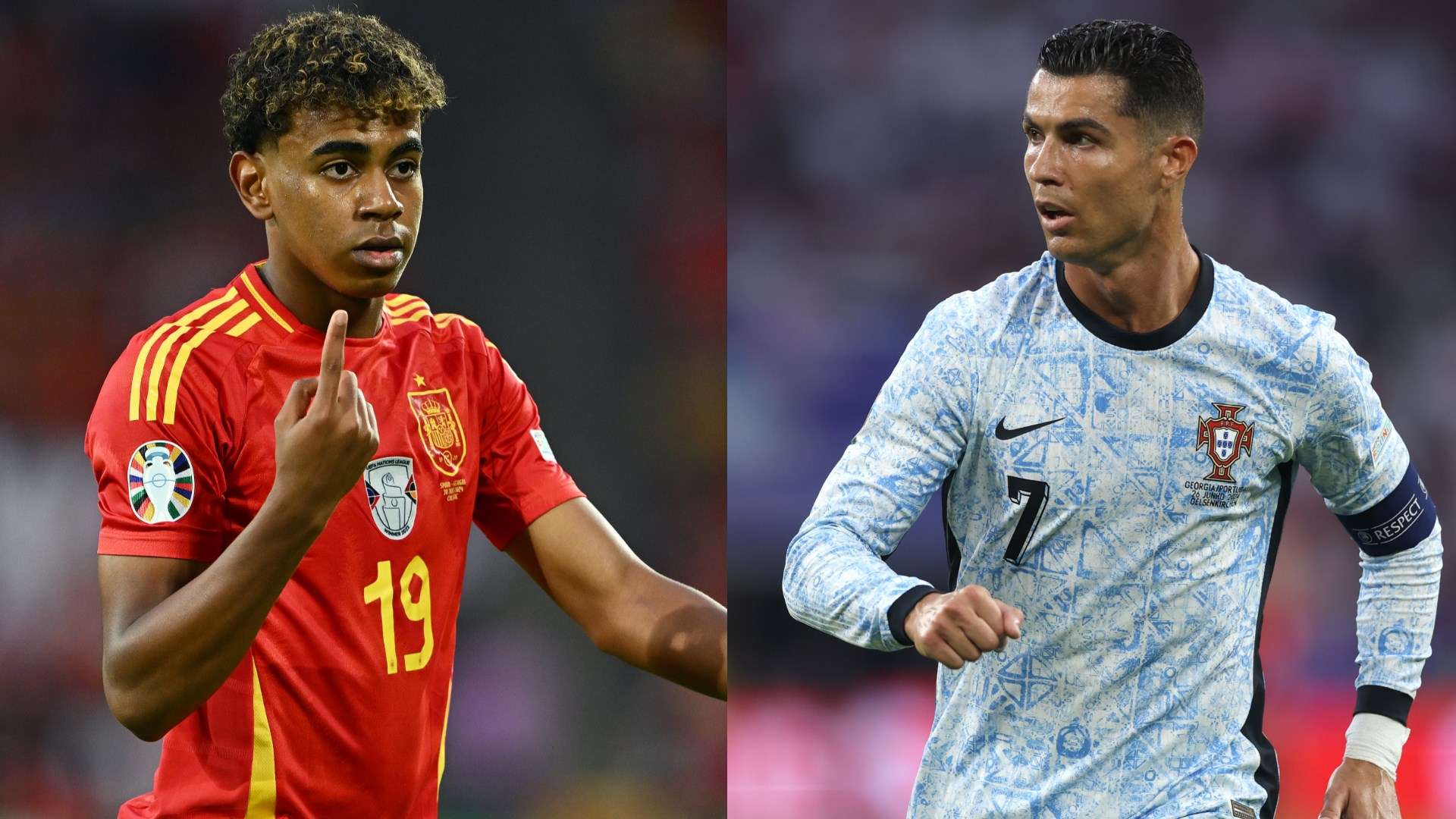
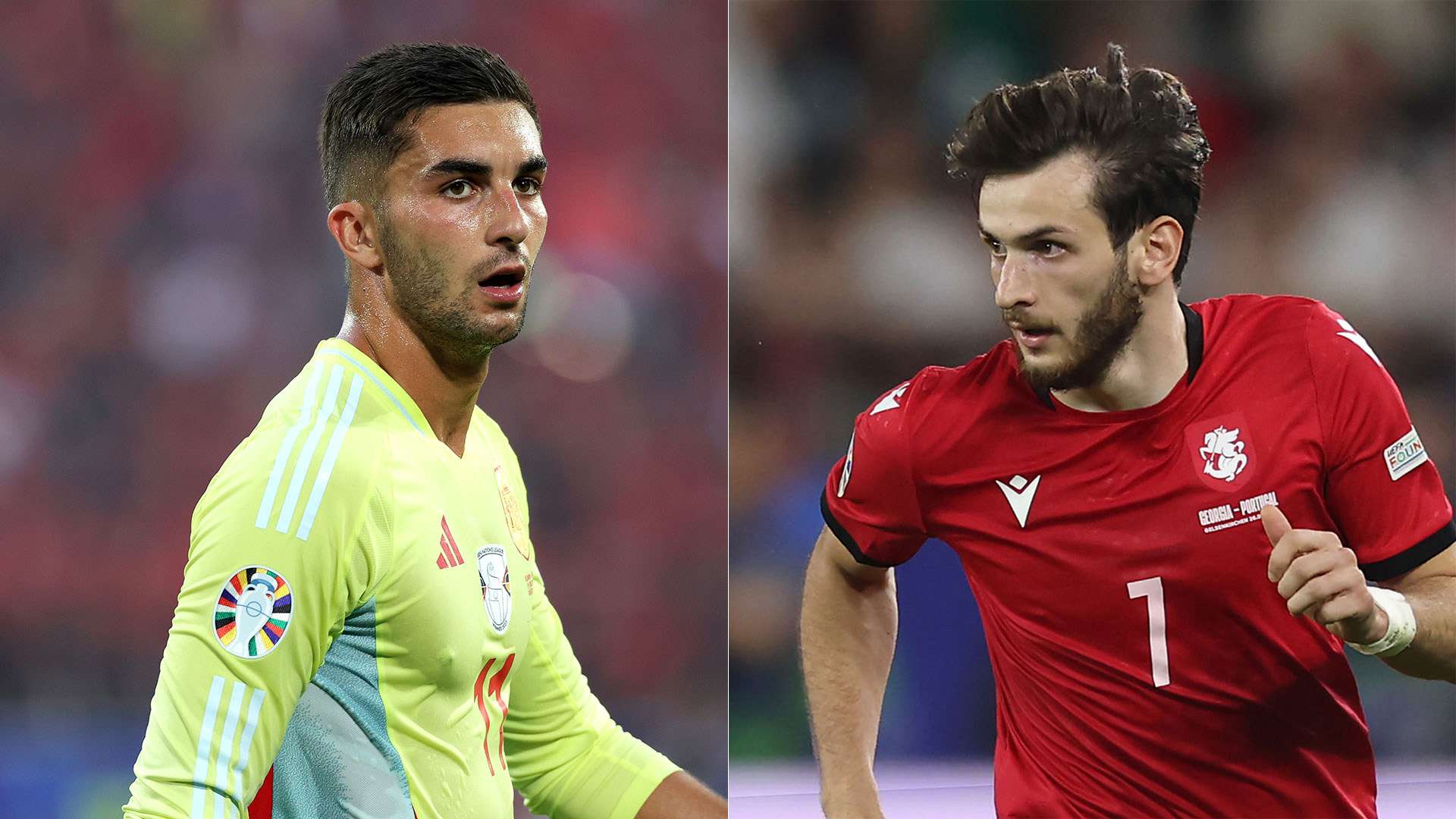
European champions Spain have all-but qualified for next summer's World Cup after crushing Georgia 4-0 on Saturday evening. Two goals from Mikel Oyarzabal and strikes from Martin Zubimendi and Ferran Torres saw Luis de la Fuente's side maintain their 100 per cent record in Group E, on an evening when second-placed Turkey also defeated Bulgaria 2-0.

Spain vs Georgia big match breakdown

Pedri delivers masterclass, Spain cruise past Georgia

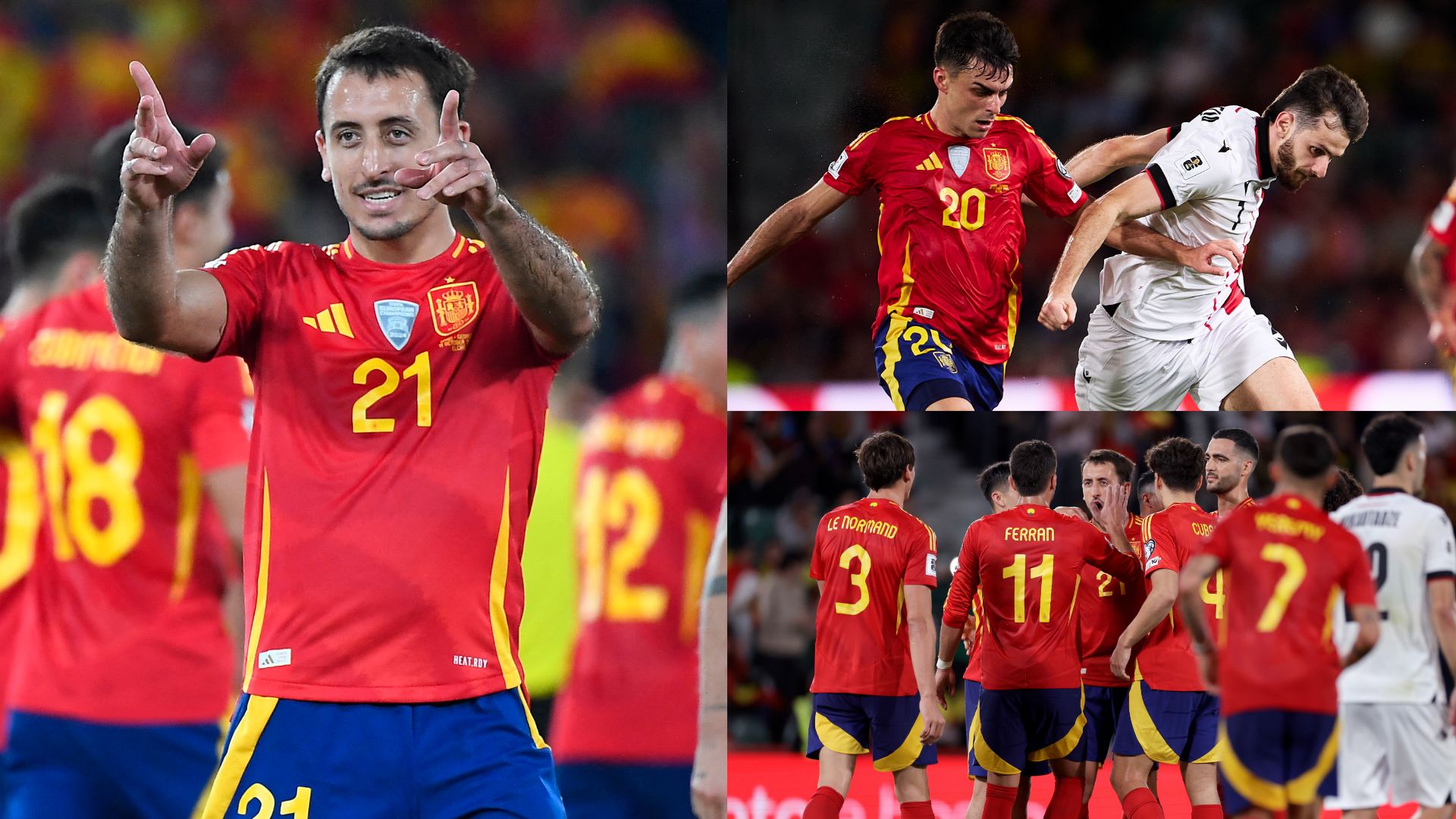
Spain maintained their 100% 2026 World Cup qualifying record as they eased to a 2-0 win over Georgia on Saturday night. Goals from Yeremy Pino and Mikel Oyarzabal either side of half time was enough to La Roja to make it three wins from three as they maintain their unstoppable march towards the World Cup. Spain dominated from the outset and many had expected the Euro 2024 winners to put up a big score.

TOPSHOT-FBL-WC-2026-EUR-QUALIFIERS-TUR-ESP

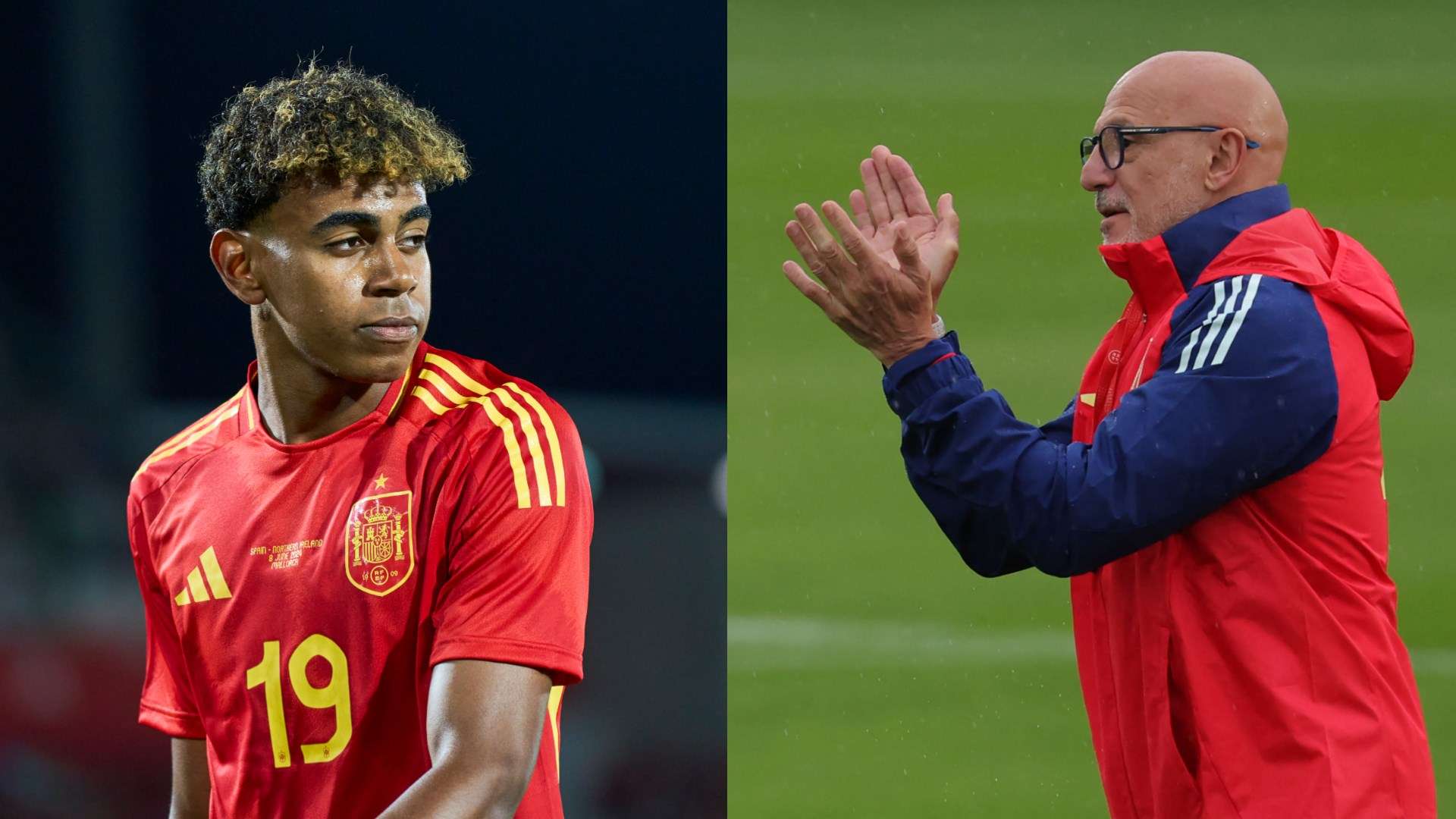
Barca aim to block Yamal's Spain call-up as injury saga continues

Barcelona are reportedly planning to block Lamine Yamal from being called up by Spain for their upcoming World Cup qualifiers against Georgia and Bulgaria as the fallout from the forward’s recent groin injury continues. The Blaugrana were incensed after discovering the 18-year-old aggravated the issue by taking painkillers to play in his country’s international double header earlier this month.

Frequently asked questions

A group of workers from the Woolwich Arsenal Armanent Factory, who called themselves Dial Square, formed a football team in 1886. They would later rename themselves to Royal Arsenal in the same year. In 1893, the club was renamed to Woolwich Arsenal, before finally being named just Arsenal in 1919, six years after they moved to Highbury.

American billionaire Enos Stanley Kroenke is the owner of Arsenal, purchasing the club via Arsenal Holdings Limited, a subsidiary of Kroenke Sports & Entertainment (KSE).

The Emirates Stadium is the name of Arsenal's stadium. It has been the team's home ground since 2006, replacing Highbury, which served as Arsenal's home venue from 1913.

The Emirates Stadium has a capacity of 60,704 and is among the UK's biggest football venues.

Arsenal have won 48 trophies till date, including 13 league titles and a record 14 FA Cups.

Arsenal have 13 English top flight titles to their name, making them the third-most successful team behind Man Utd and Liverpool. They, however, won their last title over two decades ago.

London-born Irish defender David O'Leary sits at the top of the list for most Arsenal appearances in history. O'Leary spent 18 years at the club and made 722 appearances in all competitions, ahead of Tony Adams, George Armstrong, and Lee Dixon.

Thierry Henry is Arsenal's leading goalscorer of all-time with 228 goals in 377 games. No other Arsenal player has scored over 200 goals for the club, with Ian Wright sitting in second place (185 goals in 288 games).

Thierry Henry, Cesc Fabregas, Dennis Bergkamp, Mesut Ozil, Robert Pires, and Robin van Persie are among the popular footballing names to have played for Arsenal.

Arsene Wenger, Unai Emery, George Graham, and Herbert Chapman are among the biggest names to have been in charge of Arsenal throughout their notable history.

Arsenal have a pretty unique nickname, called The Gunners. This nickname is a reference to the club's origins in the late 19th century, when a group of workers from the Royal Arsenal armanent factory in Woolwich formed the club. That's also the reason why the Arsenal badge includes a cannon.