
We’re well into 2025, and as the soccer season begins across leagues again, it’s a great time to dust off your gear and get ready to take to the soccer pitch again to indulge in your favorite plays.
But with the return to the turf comes the need to lace up your soccer cleats - and for many, it might be time to stick that old pair in the bin and invest in a fresh set to bring a touch of style to your shots and saves.
There’s no shortage of soccer cleats out there to choose from, but nearly all will come with one of two soles - studs or blades. Both have their advantages, and both have their drawbacks when it comes down to it, with factors such as playing surface and positional challenges key to deciding just what is best for the individual.
GOAL breaks it down to tell you just what you'll want – and what you'll need, to stand out from the crowd.
What is the difference between soccer studs & blades?
 GOAL / various
 Both studs and blades offer near-identical functionality when it comes to a soccer cleat, offering the wearer grip and control on a playing surface. But the two differ in construction and appearance, each offering a different experience.
Studs: Are most readily identified by their conical design, are now near-synonymous with the retro, or vintage cleat. For generations, their design-half a dozen or more small bolts, almost nut-like in appearance, screwed or molded to the soleplate-have been at the cornerstone of the game. With a wider surface area, they bring a sturdy grip in a sure-footed, slower role and remain popular on soft ground (SG) surfaces.
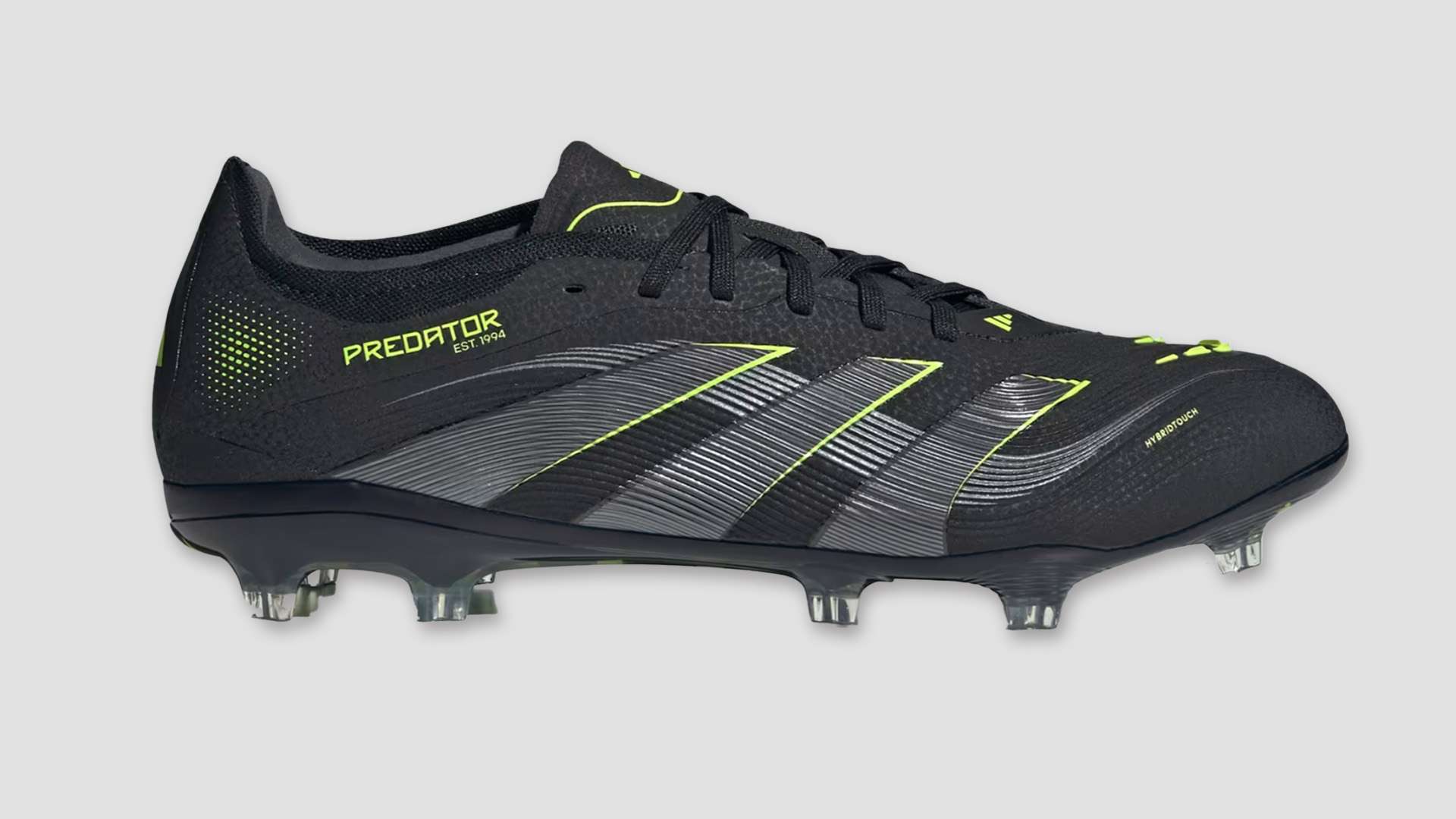
Blades: They have narrowed the design, offering a finer point of contact between the cleat and the surface. Their number can stretch from as low as four to close to a dozen or more, and are readily identified by their thin, strip-like construction molded to the soleplate, perfect for cutting through more stubborn pitches and offering multi-directional traction. They are heavily favored on firm ground (FG) surfaces.
Are studs or blades better to use?
 Getty Images
There is no correct answer as to whether studs or blades are better for your cleats. Instead, it is dependent on the player and the situation.
As mentioned, studs are favored on SG surfaces and can often prove particularly effective in spring and autumnal conditions, while blades work best on the hard summer and winter pitches, able to cut through parched or frozen turf.
Those seasonal elements will also differ with the location. Take Kylian Mbappe, playing his football in the warmer climates of Ligue 1. He is likely to favor blades for the majority of the season, while Erling Haaland may prefer studs to assist in the marshier conditions of a Premier League pitch in more moderate climates.
Can you wear blades on astroturf?
 Getty Images
It is best to consult with the individual rules and regulations of a competition or pitch surface in regards to using blades on astroturf. Five-a-side games may have their own house rules, for example, so it will be best to check.
But as a rule of thumb, both studs and blades - particularly those on SG and FG cleats - are likely to offer a less-than-satisfactory experience on astroturf compared to specialist boots designed for either that specific surface or other artificial grass (AG) turf.