.jpg?auto=webp&format=pjpg&width=3840&quality=60)
Lionel Messi didn't start against Jordan on Matchday 3 of the 2026 World Cup. But of course, he still had a part to play. Argentina manager Lionel Scaloni had no reason to bring him on. Sure, at the time, Argentina had let a two-goal advantage slip to one. There was a kernel of doubt forming in Albiceleste minds, perhaps. Yet, this was not a game that needed Messi.
But Messi wanted it. Or, at least, he played like he did. In 20-plus compelling minutes off the bench, the Argentine changed the complexion of the contest. When he came on the pitch, the aura changed, the vibe shifted. And, of course, there was the one moment. Should Yazeed Abulaila have saved Messi's 80th-minute free kick? Perhaps. It was a little close to him. It didn't require all that much movement.
Still, it zipped past him. And just like that, Argentina had a perfect group stage. Messi also established the slightest sliver of breathing room in the Golden Boot race. Golden Boots are funny things, in general. So often, the player who scores the most goals does not end up winning the World Cup. In fact, the last three World Cup-winning sides have not contained the player who scored the most goals in the tournament. Goals do not always equal team success.
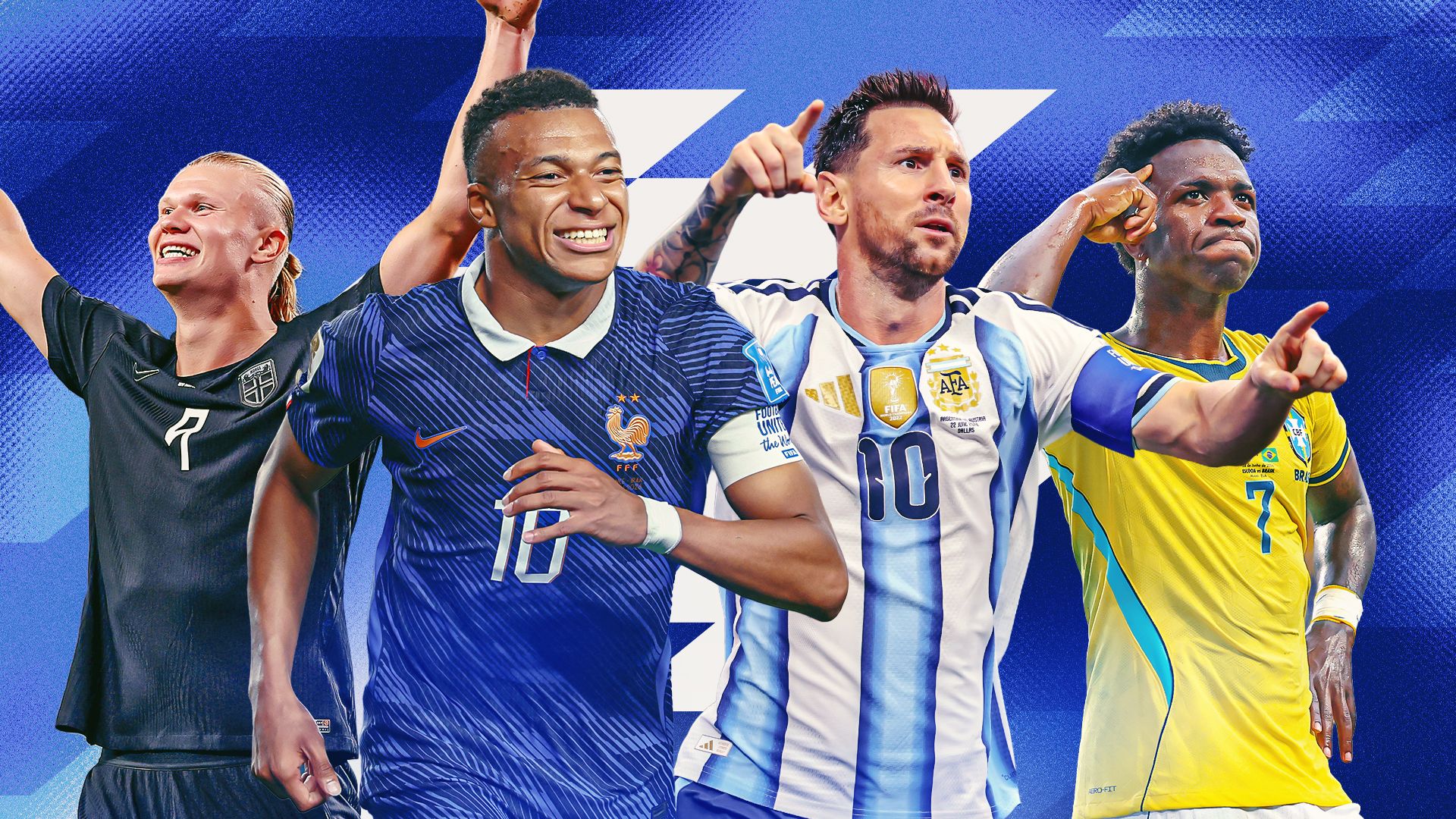
Yet in a sport that is driven as much by individual conquest as team glory these days, they tend to matter more than ever. They're nice benchmarks and, at World Cups, an indicator of individual excellence. You don't fail your way into these things. And the 2026 tournament seems to have a proper race on its hands: Messi, Mbappe and Haaland, all chasing something different, all turning goals into statements. What's not to like?
World Cups have always had room for that kind of individual story.