+18 or +21, depending on state | Commercial Content | T&C's Apply | Play Responsibly | Publishing Principles
This page contains affiliate links. When you purchase through the links provided, we may earn a commission.
MLS referees Imagn

'We have to think about the image' - New MLS Only the Captain rule aims to protect refs, decrease dissent in the game

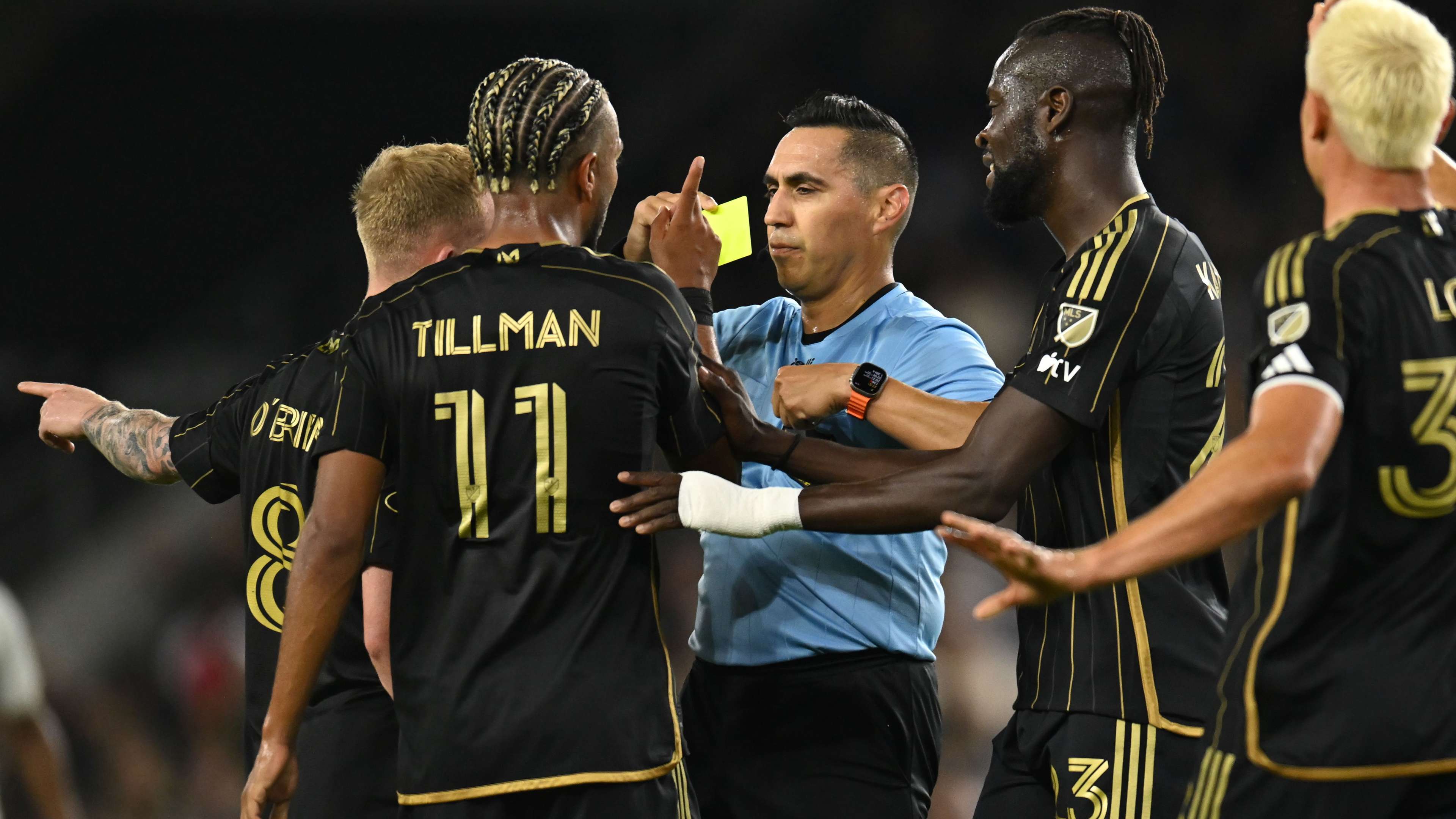
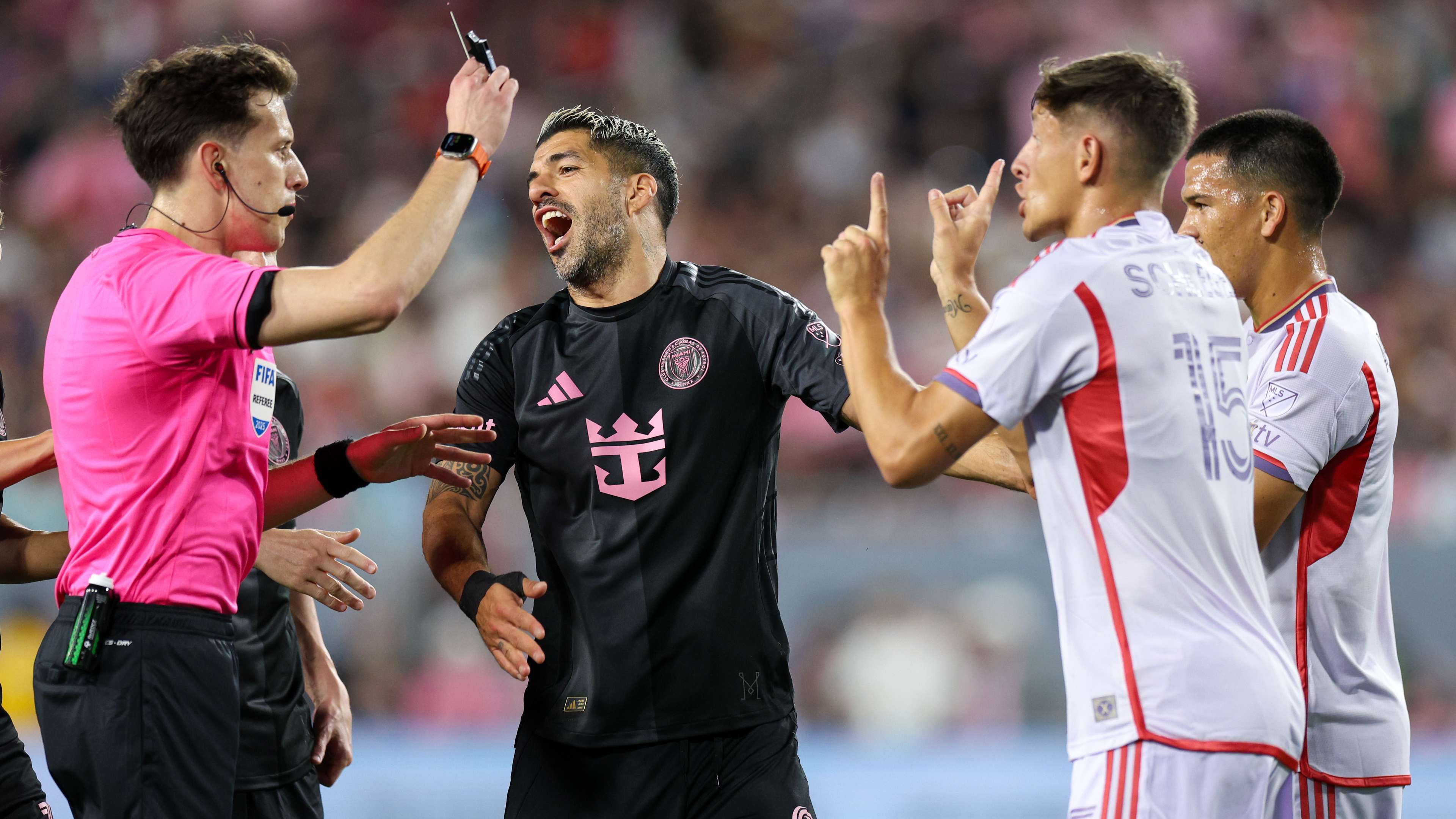
There is too much pressure on referees these days. At least, that’s what Mark Geiger, the general manager of the Professional Referees Organization thinks. The image is too common now. An official makes a decision - any decision, really - and they are immediately swarmed. One team thinks they’re wrong. The other rush to the referee’s defense. Before you know it, a gaggle of discontented footballers crowd an official who is simply doing their job.

And there is, objectively, no way of stopping that. Soccer is a passionate sport, one that brings the most out of its participants. There is rarely such thing as a black and white decision. Stakeholders in the game can never change that reality. But what they can do is try to lessen the potential impact of when a contentious decision is made, and control the inevitable chaos that ensues.

That’s why MLS is instituting a new rule this season, dubbed "Only the Captain rule" building off trials in the global game to prevent that standard swarm - allowing officials to talk to just one specific player after a call is made, and booking anyone else who tries to get involved. And it might just lead to a cleaner game.

“We want it to be an attractive game where the referees are free to make the decisions they need to make,” Geiger, who was a long-time MLS official, said. “Of course, there's going to be pushback. It's an emotional game anyway, and you don't want to take that out of it. But we didn't want the constant assault on officials for every single decision that they make.”
  • Referee MLSIMAGN

    'The right decision to make'

    The rule, in effect, is simple. The referee makes a sign with his or her hands. They step back four yards. An imaginary “box” is created. Only the team’s captain may then address the official for a proper explanation. Anyone who intervenes, or impedes on that space will be shown an immediate yellow card -- and it will be listed as dissent. The referee, it must be made clear, is still allowed to communicate with other players. But once the signal is shown, everyone else must back away.

    For Ali Curtis, MLS NEXT Pro Senior Vice President of Competition and Operations, it's a no-brainer.

    “It was a real opportunity. Last year it was trialed in a few European competitions and things like that. The Bundesliga has implemented it at all levels, then having conversations internally with different coaches and CSOs and owners, and then also internally within the league office, we felt this was the right decision to make,” he said.

  • Advertisement
  • MLS VARIMAGN

    'We have to think about the image of our game'

    Despite the tweak, an average game should remain largely the same, Curtis said.

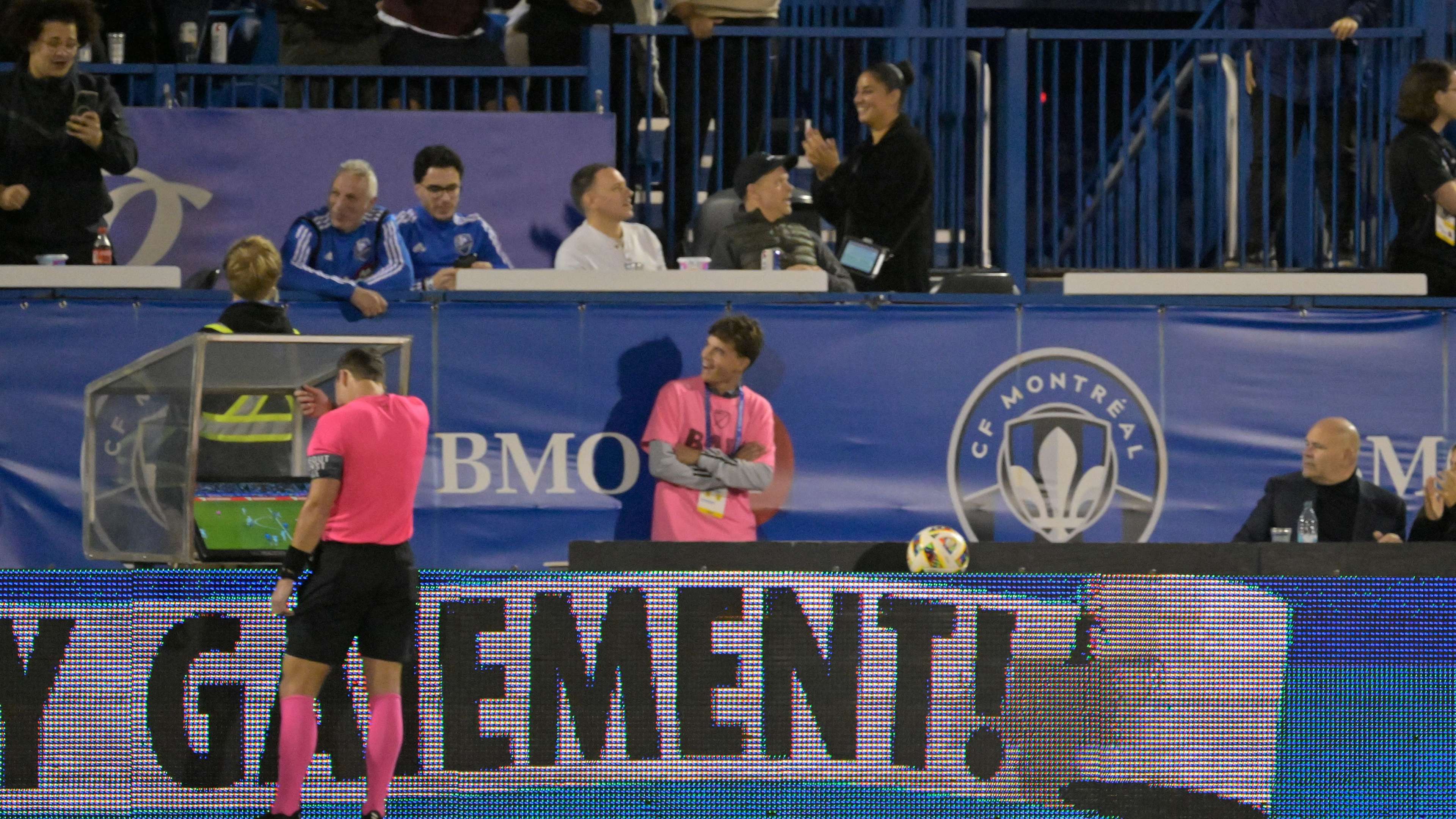
    But there are ways in which it could change, little tweaks to be made. In that sense, the league has been at the forefront. They were early adopters of VAR (controversially or otherwise). Last season, they instituted a system in which referees explained VAR decisions through the stadium PA - adding extra clarity for the often confused fans in the stands.

    The league’s innovation lab is one of the most advanced in world football. This specific rule came about after constant conversations with numerous parties. Some were had casually at an executive level. Others were based on Chief Soccer Officers and coaches.

    And for something as simple as the harassing of referees, even the eye test works.

    “How many instances were there, where there were several players, approaching the referee in a manner that we probably didn't like? We have to think about the image of our game,” Curtis said.

  • Brighton & Hove Albion FC v Arsenal FC - Premier LeagueGetty Images Sport

    'We're losing referees at an incredible rate'

    Part of the problem here is the often negative example that modern footballers are setting. There is a dip in referee participation, Geiger said, because would-be officials are scared to get involved.

    And while there is no concrete data that links abuse towards referees and general decrease in interest in becoming a full time official, it doesn’t take too much scientific analysis to see why youngsters might not be so incentivized to get involved.

    Geiger was quick to emphasize, though, that this is not necessarily a problem specific to American soccer.

    “We're losing referees at an incredible rate, throughout all of soccer. So we're seeing all competitions around the world, tackling dissent. FIFA has been doing it. CONCACAF has been doing UEFA has been doing it,” Geiger said.

  • VAR Beispielbild VideoschiedsrichterGetty

    'Why aren't we doing it now?'

    MLS does have backing from the global game, here. It should be pointed out that it not unique to American soccer.

    It has already been instituted in Germany and other parts of the world. Similar regulations were suggested by the International Football Association Board (IFAB) some time ago. That means the referees themselves were not consulted on instituting a new rule. It is not, Geiger pointed out, their decision to make.

    But it did have immediate support. The league brought it to the clubs. Their reaction? A bafflement that such a rule didn’t already exist. “The immediate response is: ‘Why aren’t we doing that now?’ So the clubs bought in,” Geiger said.

  • MLS referee 2IMAGN

    'You don't want the goalkeeper coming all the way out'

    There are some kinks that need to be figured out here. MLS wants its officials to still be in constant conversations with players. They don’t want to prevent chatter entirely. In fact, referees should still talk. How long they do so before asking for space is up to them.

    Furthermore, there are admitted concerns as to how this might work in selecting individuals. Technically, only the team captain can talk to the referee after a signal is made. That might be difficult, for example, if a goalkeeper is wearing the armband and a call occurs in the opposite penalty box.

    “If there's a penalty on the other side or a penalty shout on the other side, you don't want the goalkeeper coming all the way out. So in the cases where the captain is the goalkeeper, there'll be a second designated person on the field,” Geiger said.

  • LA Galaxy MLS CupIMAGN

    'We want to evolve'

    But Geiger, Curtis, and Co. believe this can all be figured out. The rule is also set to be implemented in MLS Next Pro. The same goes for the top two divisions of USL, as well as the NWSL. The USL Super League -- the newly established Division 1 women’s setup in the U.S. -- is expected to put it in place next season (they are currently at the midpoint of their campaign.)

    And more broadly, it might just affect the way the game is both played and perceived. There might be a few more yellow cards early in the season as players adjust. But when the rule is properly enforced over the course of a campaign -- should that indeed happen -- then the league might just be a slightly calmer place.

    “It's a beautiful game. We want to evolve it in some ways, but we don't want to change it. And so you have to be really, really careful in that,” Curtis concluded.