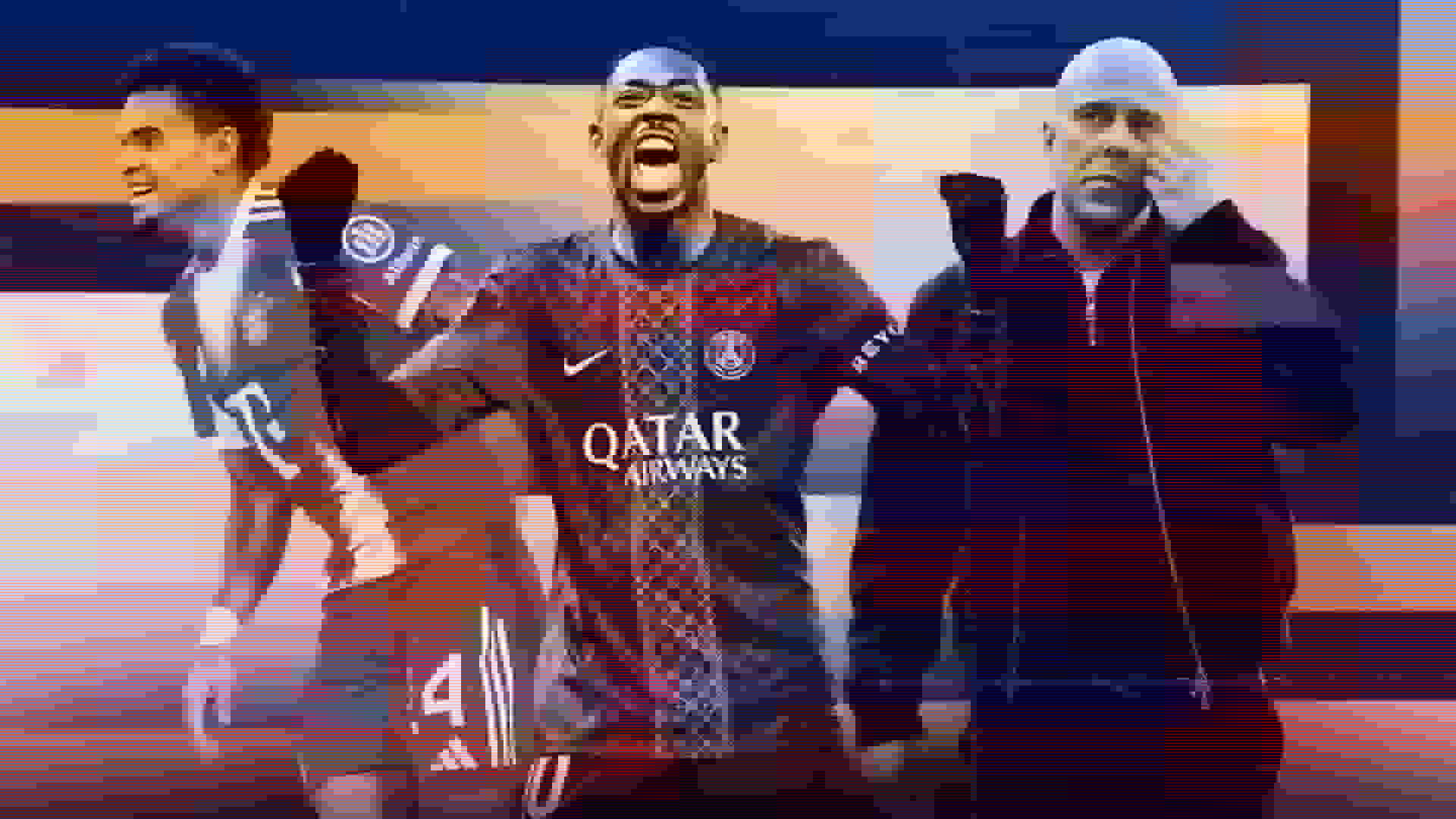
The French national team can count on a wave of massive public support as it prepares for the upcoming campaign. Fans across the country are rallying behind les Bleus, creating an electric atmosphere that reverberates from city-centre fan zones to packed suburban stadiums. This unwavering backing is more than mere noise; it provides a tangible psychological boost that can inspire players to raise their game when the pressure is at its peak.
Supporters young and old don the famous blue jerseys, wave tricolour flags, and chant with such passion that even neutral observers feel the goosebumps. The media, too, plays its part, with newspapers devoting front pages to the team’s progress and television channels airing live specials that keep the nation glued to its screens. This collective enthusiasm acts as a sixth man on the pitch—an invisible force that opponents sense the moment they step out to face France.
Such fervent encouragement is not new; it has been a hallmark of French football
A thrilling clash in the Champions League
When two heavyweights lock horns in the world’s most prestigious club competition, the resulting showdown is nothing short of electric. The atmosphere crackles with anticipation, and fans around the globe tune in to witness history in the making.
Both sides arrive with formidable credentials, star-studded line-ups and a proven ability to raise their game on the biggest stage. The battle promises to be a masterclass in tactical nous, physical intensity and clinical finishing, with every touch and tackle carrying immense significance.
For neutrals, it is a spectacle to savour: 90 minutes of non-stop drama, edge-of-the-seat excitement and the kind of raw emotion that only football can provoke. For the players and coaches involved, it is a chance to etch their names into the tournament’s roll of honour and to earn the right to be called European champions.
As kick-off approaches, the hype grows ever louder. The stadium lights glow, the crowd roars
Manchester United, often simply referred to as "United," are one of the most iconic and successful football clubs in the world, based in Old Trafford, Greater Manchester, England. The club was founded as Newton Heath LYR Football Club in 1878 by the Lancashire and Yorkshire Railway depot at Newton Heath. The team changed its name to Manchester United in 1902 and moved to its current home, Old Trafford, in 1910.
Famous players
Manchester United have been home to some of the greatest footballers in history. Sir Bobby Charlton, a World Cup winner with England in 1966, is arguably the most iconic figure in the club's history. Other legendary players include George Best, known for his flair and skill, and Eric Cantona, who brought a winning mentality to the club during the 1990s. More recent stars like Cristiano Ronaldo, Wayne Rooney, and Paul Scholes have also contributed significantly to the club's success.
Honours
Manchester United are one of the most decorated clubs in English football, having won a record 20 Premier League titles (formerly the First Division). They have also lifted the FA Cup 12 times, the League Cup five times, and the UEFA Champions League three times. The club's dominance in English football was particularly evident during the 1990s and early 2000s under manager Sir Alex Ferguson.
Managers
Sir Alex Ferguson is undoubtedly the most successful manager in Manchester United's history. He spent 26 years at the club, leading them to an unprecedented era of success. Before Ferguson, managers like Matt Busby and Wilf McGuinness played crucial roles in shaping the club's identity. More recent managers, including David Moyes, Louis van Gaal, and José Mourinho, have faced the challenge of maintaining the club's high standards.
Stadium
Old Trafford, often referred to as the "Theatre of Dreams," is one of the most famous stadiums in the world. With a capacity of roughly 75,000, it is among the largest football stadiums in the United Kingdom. The stadium has hosted numerous major matches, including UEFA Champions League finals and FIFA World Cup matches.
Location
Manchester United are based in the city of Manchester, which is located in the northwest of England. The club's home ground, Old Trafford, is situated in the Trafford borough. Manchester is a major industrial city with a rich footballing heritage.
Owners
In February 2024, British billionaire Sir Jim Ratcliffe's company, INEOS, acquired a significant 25% stake in Manchester United. This acquisition granted Ratcliffe sporting control over the club, placing him in a position to influence key decisions related to its operations.
Ratcliffe has already made a substantial financial commitment to Manchester United. His large investments demonstrate his dedication to the club's success and his willingness to provide the necessary resources for its growth.
Frequently asked questions
Wann wurde der FC Arsenal gegründet?
Der FC Arsenal wurde im Jahr 1886 in Woolwich gegründet.
Wer ist/sind der/die Besitzer des FC Arsenal?
Der FC Arsenal gehört der Kroenke Sports & Entertainment-Gruppe um den US-amerikanischen Milliardären Stan Kroenke. Erste Anteile kaufte der Unternehmer im April 2007, im Anschluss kaufte er Stück für Stück auch weitere Aktien auf - bis zur endgültigen Übernahme im September 2018. Neben den Gunners besitzt Kroenke auch noch weitere Sportklubs, unter anderem die Los Angeles Rams (NFL), die Denver Nuggets (NBA) und die Colorado Avalanche (NHL).
Wie wird das Stadion des FC Arsenal genannt?
Seit der Saison 2006/07 spielt Arsenal im Emirates Stadium im Stadtteil Holloway im Norden Londons. Vorher hatte der Klub seine Heimspiele lange Jahre im Highbury ausgetragen.
Wie viele Zuschauer passen ins Stadion des FC Arsenal?
Das Emirates Stadium hat eine Kapazität von 60.704 Sitzplätzen. Damit ist es eines der fünf größten Stadien in der Premier League.
Wie viele Titel hat der FC Arsenal gewonnen?
Mit 47 Titeln sind die Gunners einer der erfolgreichsten Klubs Englands. Die meisten dieser Trophäen sammelte der Klub national - noch nie konnte Arsenal die Champions League gewinnen.
Wie viele nationale Meisterschaften hat der FC Arsenal gewonnen?
Auf nationaler Ebene hat der FC Arsenal über die Jahre gut abgeräumt. Neben 14 Titeln im FA Cup (Rekordsieger) gewannen die Londoner auch 13-mal die englische Meisterschaft.
Wer hat die meisten Spiele für den FC Arsenal absolviert?
Rekordspieler bei Arsenal ist David O'Leary. Satte 722 Pflichtspiele absolvierte er zwischen 1975 und 1994.
Wer ist der beste Torschütze in der Geschichte des FC Arsenal?
Für die meisten Tore in der Vereinsgeschichte sorgte Thierry Henry. Der Franzose knipste in 377 Auftritten ganze 228-mal. Hinter ihm folgt Ian Wright mit 185 Toren.
Welche berühmten Stars haben für den FC Arsenal gespielt?
Über die Jahre standen zahlreiche Superstars für die Gunners auf dem Feld. Hier eine Auswahl: Thierry Henry, Dennis Bergkamp, Patrick Vieira, Tony Adams, Ian Wright, Robert Pires, Cesc Fabregas, David Seaman, Mesut Özil, Marc Overmars, Ashley Cole oder Kai Havertz.
Welche berühmten Trainer hatte der FC Arsenal?
Rekordtrainer des Vereins ist Arsene Wenger, der zwischen 1996 und 2018 insgesamt 17 Titel nach Nordlondon holte. Andere erfolgreiche Coaches sind Herbert Chapman (5 Titel), George Graham (6 Titel), Bertie Mee (3 Titel) oder Mikel Arteta (2 Titel).
Wie lautet der Spitzname des FC Arsenal?
Der Verein trägt aufgrund der Kanone im Wappen auch den Spitznamen "The Gunners", zu deutsch "die Kanoniere".