WILLEMSTAD, Curacao — Luis Munoz works in searing heat. His art studio, perched high above the busiest street in Willemstad, isn’t as much a workspace as a room. It has no windows. The front door is always open. Busted cans of spray paint are strewn across the floor. Munoz sits at a massive table at one end of the cavernous room, music blasting, a fan twice his size blowing hot air on his face as he works. It’s sweltering from morning until night, but he doesn’t mind. Passersby drop in all day, and are met with a smile and a fist bump.
Munoz is a mural artist, one of the biggest in Curacao. And his job is to bring everyone together. After all, it was basically torn apart. Willemstad was all but destroyed in roaring fires in 1969. These days, Curacao is an island of dancing, rum, music and sport. But for many years, it was a tense place, a dot of conflict in the South Caribbean. The spectre of the slave trade stuck around after abolition. Questions over what it meant to be from Curacao led to protest and violence.
Munoz is one of a select few who, quite literally, paint over the cracks. The subjects vary - angels, girls, aliens are all prominent for him. Zip through the narrow side streets of the city - past burned storefronts, blasted apartment buildings and scorched restaurants - and you’ll see them everywhere.
Also a regular motif? Soccer. The beautiful game has become an art form in the capital. Willemstad is plastered in murals, massive art displays - some sanctioned, others illegal - that highlight the sporting culture of this place. Throughout its history, the island has been quietly obsessed with soccer. The local professional league has always been well attended. Colonial connections with the Netherlands ensure that Dutch football is a presence. That passion for the sport has recently exploded, thanks, of course, to the country’s ‘selection.’
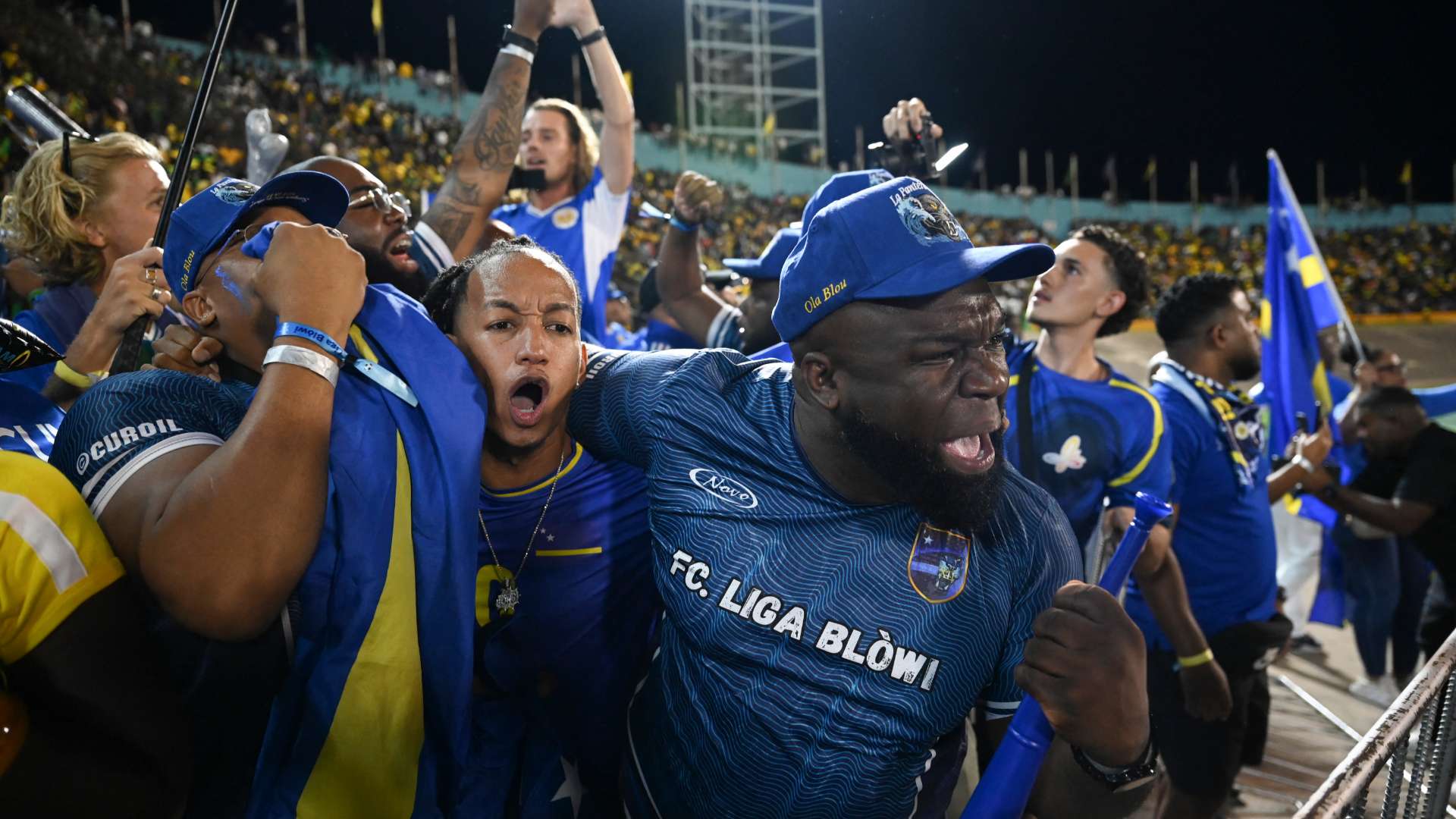
Curacao, last year, became the smallest nation by population to qualify for the World Cup. This really shouldn’t have happened. Akron, Ohio, is bigger. Yet a combination of smart investment, clever bureaucracy, and an acceptance that those divided might have to come together helped them achieve the improbable.
An island that has battled through division throughout its existence is finding hope through soccer. And now, the world will get to see it. This country and its unwaveringly loyal fans, once abandoned by the rest of the world - and divided among themselves - get their moment in the sun.