El Leeds United ha demandado al Leicester City por una indemnización millonaria tras quedarse sin el ascenso automático a la Premier League en la temporada 2023-24. El Leicester incumplió las normas financieras en su campaña de título, lo que llevó al Leeds a pedir compensación, siguiendo el precedente del caso Burnley-Everton.
El Manchester United ha fichado al portero galés Karl Darlow, de 35 años, procedente del Leeds United, como agente libre. Firmará en Old Trafford para ser el suplente experimentado de Senne Lammens esta temporada.
Daniel Farke ha logrado evitar la llegada de un «gran nombre» al Leeds, pero el exdefensa de los Whites, Matt Kilgallon, ha admitido a GOAL que cualquier entrenador está siempre a solo «tres partidos» de perder su puesto. Tras asegurar la permanencia en la Premier League en Elland Road, Farke podrá seguir construyendo sobre esos cimientos durante la temporada 2026-27.
El Arsenal ha fichado gratis al exguardameta del Leeds United, Illan Meslier, y le ha firmado un contrato de dos años. El portero francés, de 26 años, llega al norte de Londres tras acabar su contrato en Yorkshire y refuerza la portería del actual campeón de la Premier League.
El Arsenal fichará al exguardameta del Leeds United, Illan Meslier, de 26 años, como agente libre. Pasará reconocimiento médico pronto, ya que Mikel Arteta quiere reforzar la portería tras la marcha del jugador de Elland Road.
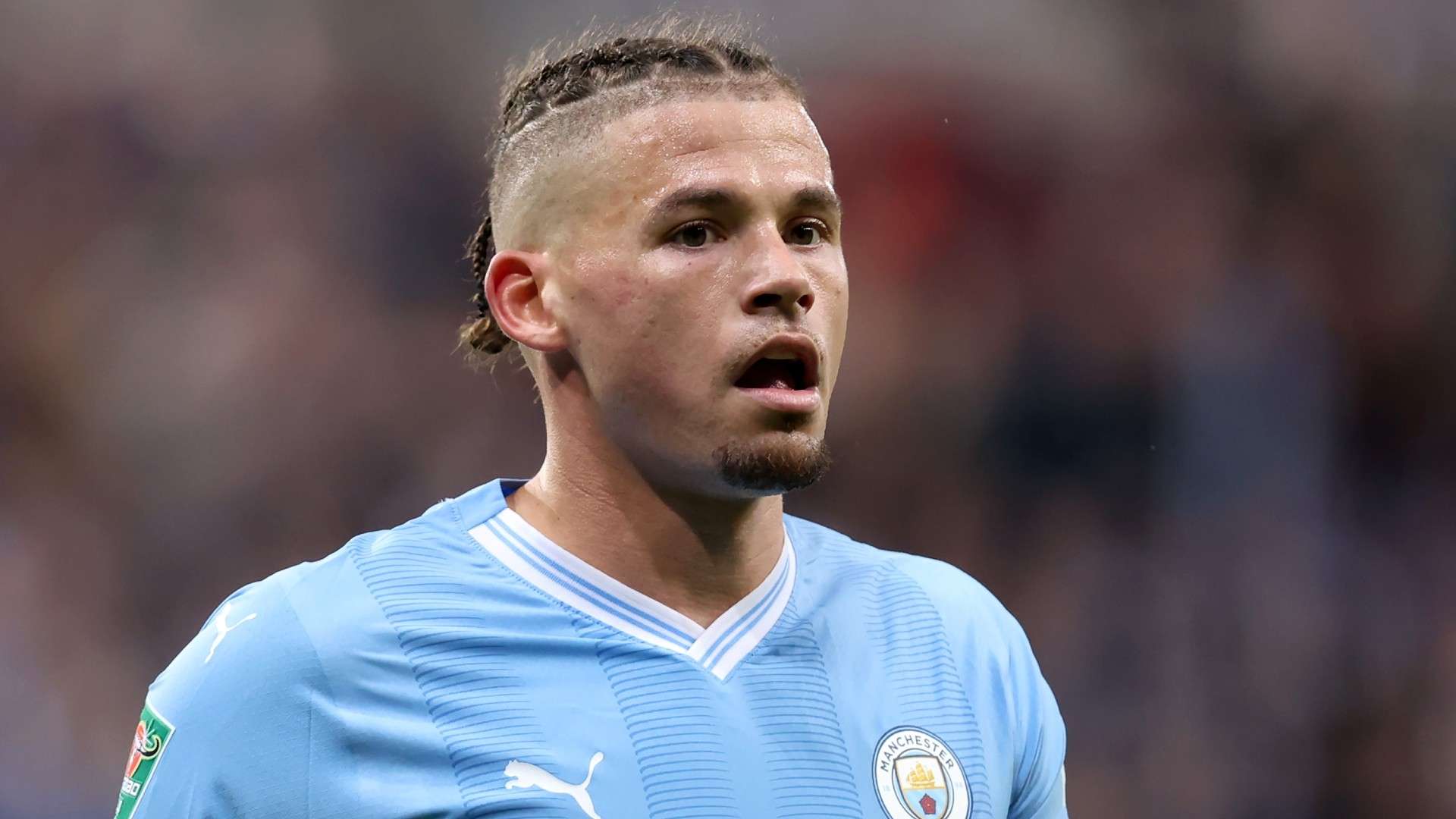
Aunque la cuenta bancaria de Kalvin Phillips «parece ir bien», Matt Kilgallon, canterano del Leeds United, explica a GOAL por qué el jugador del Manchester City, que no ha cuajado, corre el riesgo de acabar en una situación en la que «nadie te quiere». El exinternacional inglés atraviesa una grave crisis y este verano debe tomar la decisión acertada para encarrilar su carrera.
Se ha desaconsejado al Leeds United que acepte ofertas por la estrella de la selección estadounidense Brenden Aaronson, y Matt Kilgallon ha explicado a GOAL por qué el delantero estadounidense fue «como Lionel Messi» en algunos momentos de la pasada temporada, tras adaptarse al fútbol inglés. El dinámico mediapunta se ha ganado por fin a una afición escéptica en Elland Road, pero entra ahora en el último año de su contrato.
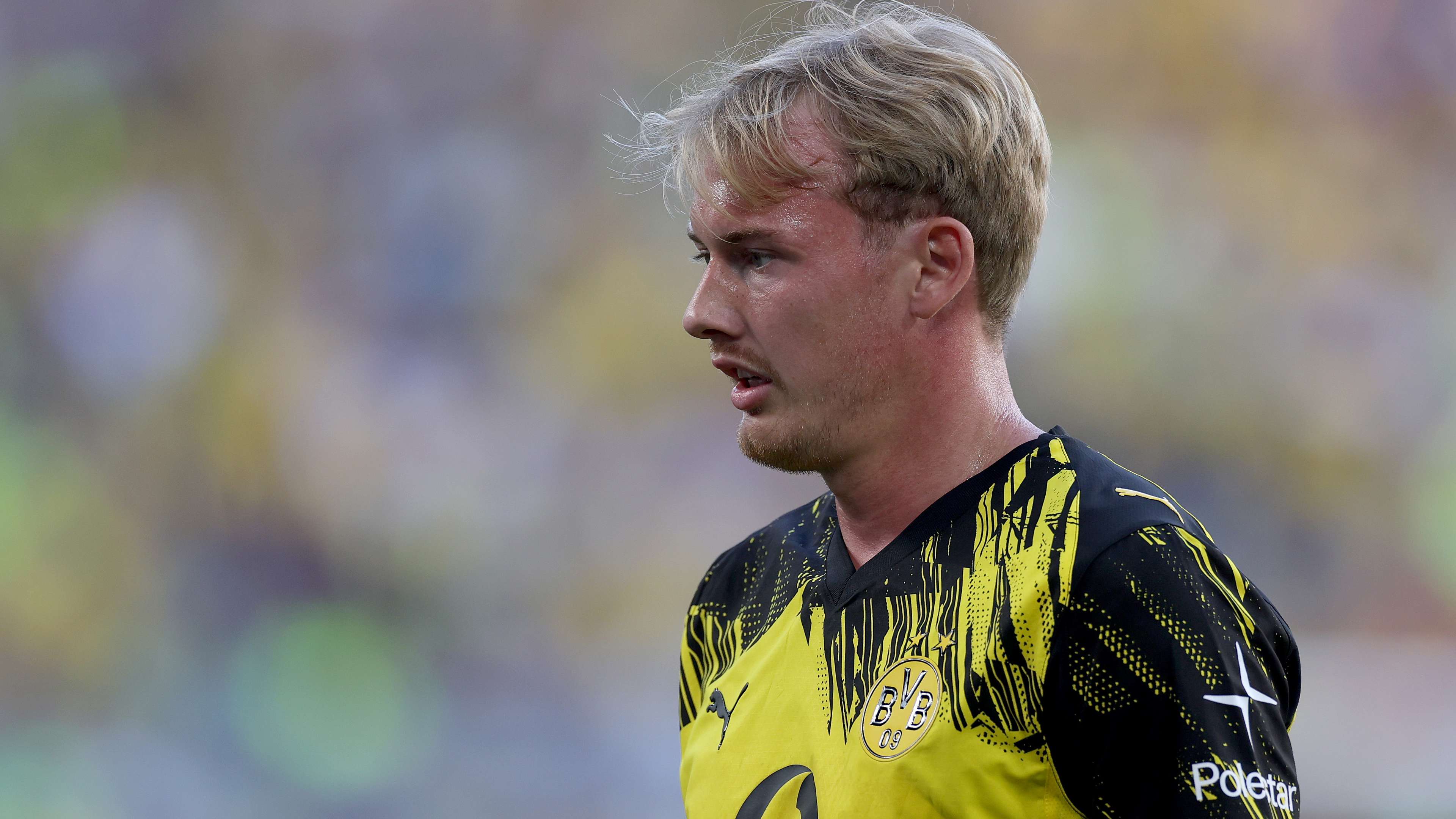
Según informes, el Leeds United busca fichar al exinternacional alemán Julian Brandt, quien dejó el Borussia Dortmund. El experimentado creador de juego llega como agente libre y aportaría gran experiencia a Elland Road, aunque los «Whites» competirán con otros clubes por su fichaje.
Peter Reid destaca las tres principales fortalezas de Dominic Calvert-Lewin. El exentrenador del Leeds y excentrocampista del Everton explica a GOAL por qué es un placer ver jugar a este potente delantero. Los problemas de lesiones del pasado reciente quedaron atrás para el jugador de 29 años la temporada pasada, cuando respondió de inmediato a la confianza depositada en él en Elland Road.
Ya se ha publicado el calendario de la Premier League para la temporada 2026-27. El Arsenal buscará revalidar el título, mientras que Manchester City, Liverpool y Manchester United también lo aspiran. El Coventry regresa a la élite tras 25 años, y varios técnicos debutarán en sus nuevos banquillos. A continuación, GOAL repasa los duelos más atractivos de una campaña que se prevé emocionante.
La Premier League ha anunciado un amplio conjunto de modificaciones normativas obligatorias y directrices arbitrales de cara a la temporada 2026-27. Elaboradas junto a la PGMOL y basadas en una exhaustiva encuesta anual, estas actualizaciones combaten las tácticas de pérdida de tiempo y ajustan los criterios para las intervenciones del vídeo.
El Manchester United quiere fichar este verano al portero del Leeds United, Karl Darlow, para reforzar su portería. El veterano internacional galés quedará libre este mes, lo que lo convierte en una opción atractiva para el club.
El capitán del West Ham, Jarrod Bowen, ha pedido disculpas a la afición tras el descenso de la Premier League. La estancia de 14 años de los Hammers en la máxima categoría terminó el domingo, a pesar de ganar en la última jornada, lo que ha sumido en el luto a plantilla y afición.
La Premier League 2025-26 ha terminado. Los jugadores de élite de Inglaterra preparan sus vacaciones o, unos pocos, su participación en el Mundial. Incluso ellos podrán desconectar, pero los entrenadores ya planifican el mercado de fichajes y la próxima temporada.
La Premier League 2025-26 finalizó. El Arsenal es campeón, el West Ham, el Wolves y el Burnley descendieron, y el Tottenham se salvó en la última jornada. El nivel no fue el mejor, pero la igualdad hizo imprevisibles los resultados.
La Premier League 2025-26 terminó el domingo con el Tottenham batiendo al Everton y enviando al West Ham a Segunda, pese a su 3-0 ante el Leeds. En el noreste, el Sunderland sorprendió al Chelsea y se metió en la Europa League, dejando al campeón mundial fuera de Europa.
La estrella del West Ham United, Jarrod Bowen, y el entrenador, Nuno Espíritu Santo, hablaron con los medios tras el doloroso descenso del club de la Premier League el domingo. A pesar de los rumores de fichaje, Bowen afirmó que su objetivo es ayudar a los Hammers a ascender la próxima temporada, mientras que Nuno pidió disculpas a la afición pero evitó comprometerse con el futuro del club.

 Leeds
Leeds



.jpg?quality=60&auto=webp&format=pjpg&width=400)