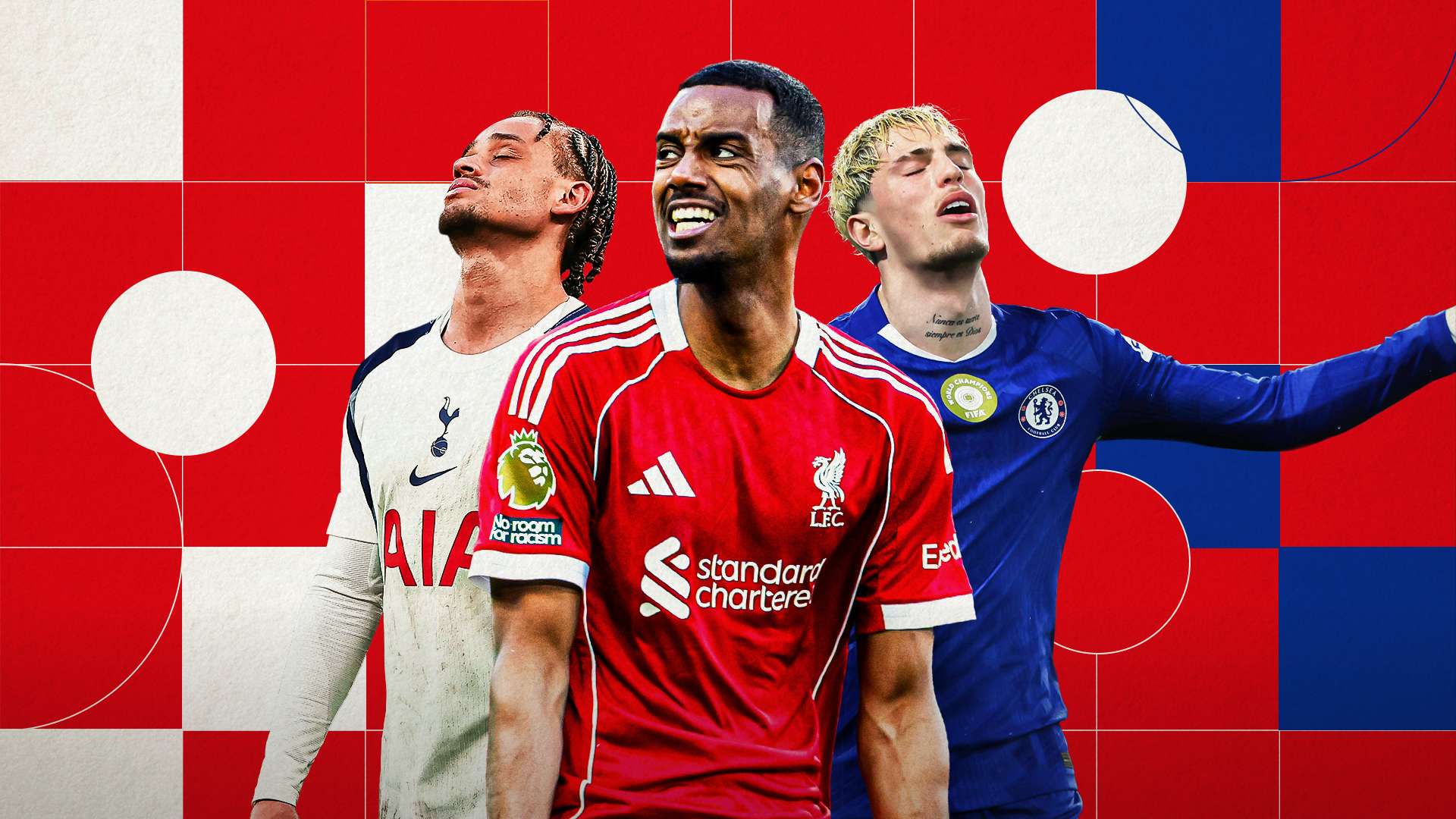
The Women's Asian Cup began on March 1, kickstarting a month that was set to see two of the major tournaments in the women's game take place, with the Africa Cup of Nations to follow on March 17. Incredibly, the latter was postponed just 12 days before it was due to start, but the impact the Asian Cup will have on the continuing club competitions will still be fascinating, as teams across the women's game say goodbye to some of their best players for a few weeks.
Tottenham Hotspur booked their place in the Women's FA Cup quarter-finals in the most dramatic fashion possible, overcoming a stubborn London City Lionesses side in a marathon penalty shootout on Monday night. After a 2-2 draw at Hayes Lane that saw Spurs rescue themselves with a 95th-minute penalty, the north London outfit eventually triumphed 9-8 in a shootout that saw 17 consecutive successful spot-kicks before a final hero emerged.
Tottenham finished second-from-bottom in the Women's Super League last season. Since promotion seven years ago, their top-flight record against Chelsea, Arsenal, Manchester City and Manchester United stands at two wins, five draws and 42 defeats. Financially, they are not in the same place as the ‘big four’, not when Chelsea and Arsenal have both made £1-million transfers in the last year or so. And yet, despite all of this, Spurs are right in the fight with all of them for Women's Champions League qualification this season.
As investment in the women’s game continues to grow, each and every transfer window feels bigger and bigger, as both the anticipation and likelihood of new record transfers and big money moves for the game’s greatest stars increases. In that sense, January is never as headline-grabbing as the summer window, but there has still been plenty of eye-catching business over the last few weeks - especially in the Women’s Super League.
Bethany England remembers vividly the first time she won the League Cup. There were just five minutes remaining when Leah Williamson levelled the scores for Arsenal at Nottingham Forest’s City Ground, putting the 2020 final on the brink of extra time. But then, basically on the goal line at the other end, England popped up with the stoppage time winner for Chelsea, as Emma Hayes’ Blues filled a frustrating gap in an otherwise bulging trophy cabinet.
Manchester United, often simply referred to as "United," are one of the most iconic and successful football clubs in the world, based in Old Trafford, Greater Manchester, England. The club was founded as Newton Heath LYR Football Club in 1878 by the Lancashire and Yorkshire Railway depot at Newton Heath. The team changed its name to Manchester United in 1902 and moved to its current home, Old Trafford, in 1910.
Famous players
Manchester United have been home to some of the greatest footballers in history. Sir Bobby Charlton, a World Cup winner with England in 1966, is arguably the most iconic figure in the club's history. Other legendary players include George Best, known for his flair and skill, and Eric Cantona, who brought a winning mentality to the club during the 1990s. More recent stars like Cristiano Ronaldo, Wayne Rooney, and Paul Scholes have also contributed significantly to the club's success.
Honours
Manchester United are one of the most decorated clubs in English football, having won a record 20 Premier League titles (formerly the First Division). They have also lifted the FA Cup 12 times, the League Cup five times, and the UEFA Champions League three times. The club's dominance in English football was particularly evident during the 1990s and early 2000s under manager Sir Alex Ferguson.
Managers
Sir Alex Ferguson is undoubtedly the most successful manager in Manchester United's history. He spent 26 years at the club, leading them to an unprecedented era of success. Before Ferguson, managers like Matt Busby and Wilf McGuinness played crucial roles in shaping the club's identity. More recent managers, including David Moyes, Louis van Gaal, and José Mourinho, have faced the challenge of maintaining the club's high standards.
Stadium
Old Trafford, often referred to as the "Theatre of Dreams," is one of the most famous stadiums in the world. With a capacity of roughly 75,000, it is among the largest football stadiums in the United Kingdom. The stadium has hosted numerous major matches, including UEFA Champions League finals and FIFA World Cup matches.
Location
Manchester United are based in the city of Manchester, which is located in the northwest of England. The club's home ground, Old Trafford, is situated in the Trafford borough. Manchester is a major industrial city with a rich footballing heritage.
Owners
In February 2024, British billionaire Sir Jim Ratcliffe's company, INEOS, acquired a significant 25% stake in Manchester United. This acquisition granted Ratcliffe sporting control over the club, placing him in a position to influence key decisions related to its operations.
Ratcliffe has already made a substantial financial commitment to Manchester United. His large investments demonstrate his dedication to the club's success and his willingness to provide the necessary resources for its growth.
Frequently asked questions
Which competitions are Manchester United in?
<!--td {border: 1px solid #cccccc;}br {mso-data-placement:same-cell;}-->Manchester united are in the Premier League, FA Cup, Carabao cup and Europa league.
How many times has Manchester United been champions of England?
<!--td {border: 1px solid #cccccc;}br {mso-data-placement:same-cell;}-->The club has won the English top-division league championship a record 20 times
When did manchester united last win the premier league
<!--td {border: 1px solid #cccccc;}br {mso-data-placement:same-cell;}-->Manchetser United last won the premier league in 2013
How long have manchester united been in the premier league
<!--td {border: 1px solid #cccccc;}br {mso-data-placement:same-cell;}-->Manchester United have been in the Premier League since the inception of the league in 1992.
When did Manchester United last get relegated?
<!--td {border: 1px solid #cccccc;}br {mso-data-placement:same-cell;}-->Manchester United were last relegated from the top flight 50 years ago, at the end of the 1973-74 season.