
.png?auto=webp&format=pjpg&width=3840&quality=60)
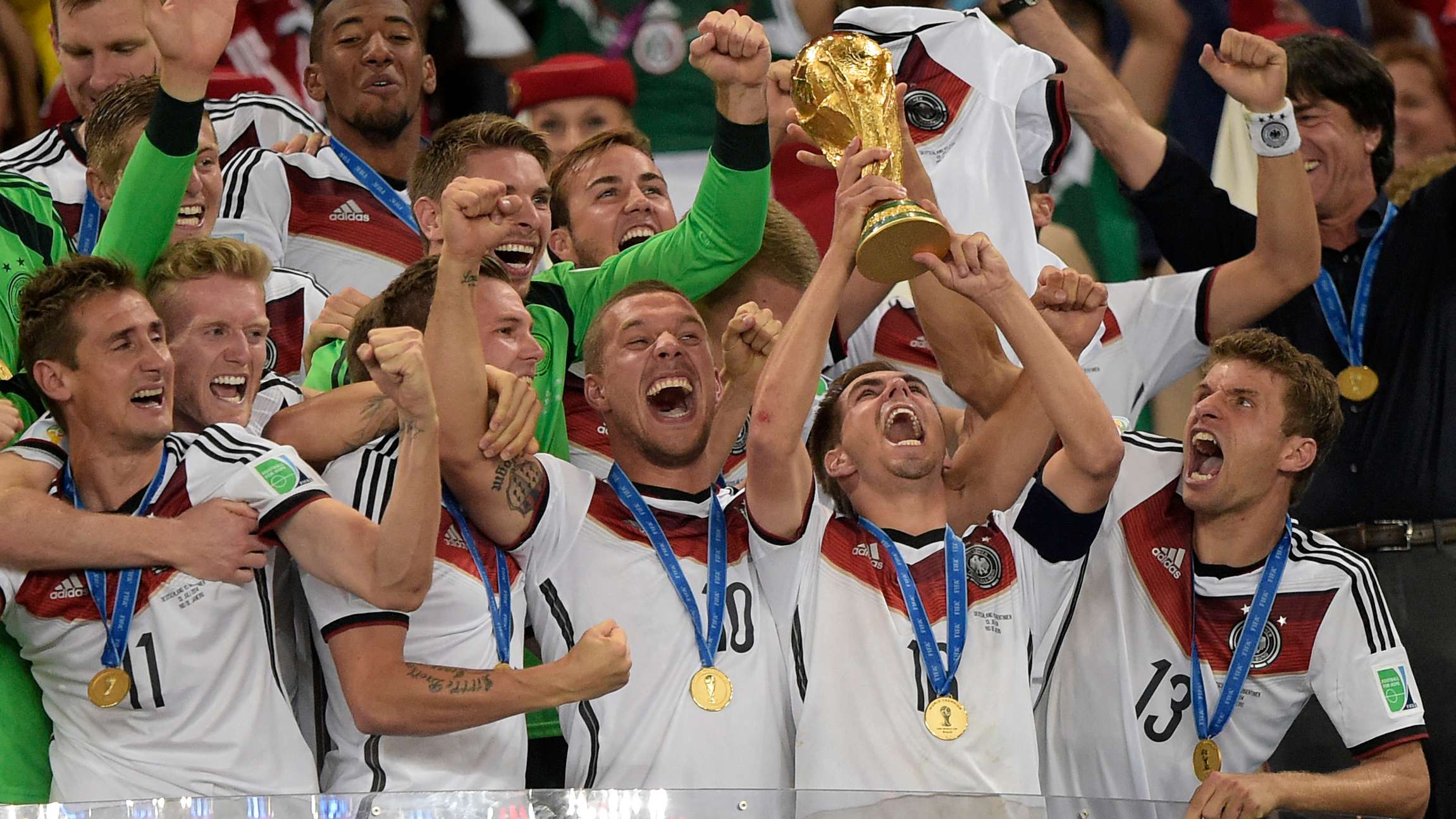
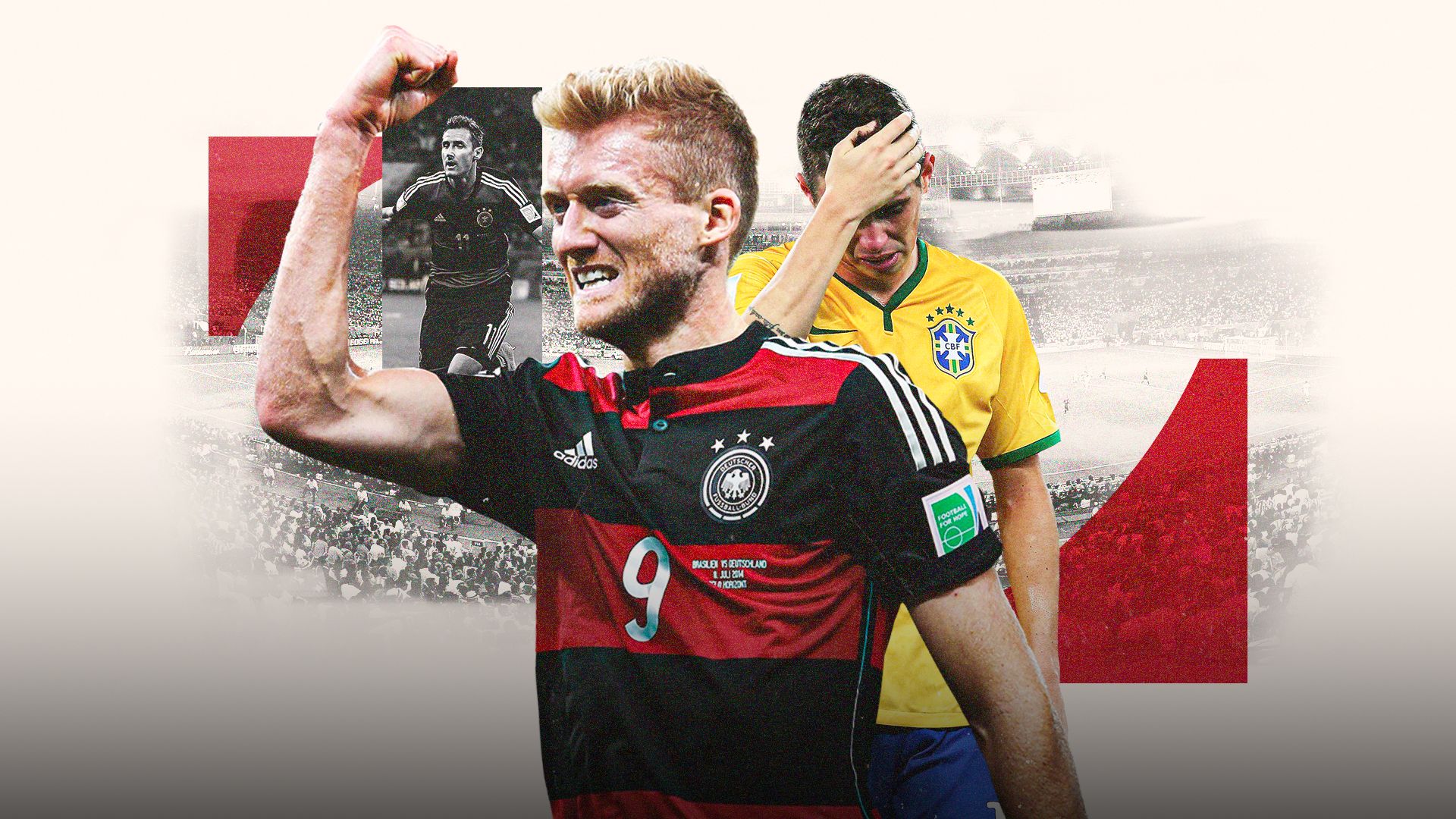
Thomas Muller, Miroslav Klose, Toni Kroos, Toni Kroos again, Sami Khedira: Less than 29 minutes had been played and Germany led 5-0 against host nation Brazil in the semi-finals of the 2014 World Cup. It was a demolition of historic proportions, the perfect occasion to dance a little samba in the dressing room – and then on the pitch. Nothing could go wrong; Brazil were broken, Germany already assured of their place in the final.
And yet what did coach Joachim Low say in his half-time talk? "I said, ‘If even one of us starts messing around, ridiculing the opposition, no longer playing with absolute seriousness – that person will definitely not be in the final, if we get there’."
Low also reminded his players of their own bitter semi-final defeat to Italy at the 2006 World Cup on home soil and the pain that came with it, while also recalling the four special weeks that the German team had already spent in Brazil.
"The Brazilians had a lot of respect for us throughout the country," the national coach explained later. "And for me, it was completely out of the question that we would humiliate them or treat them arrogantly."
At first glance, this was a demolition. Look closer, though, and it was the culmination of an international understanding that perhaps only football can achieve. Germany’s jersey that night, with its Flamengo-esque red and black horizontal stripes, serves as a symbol of that.