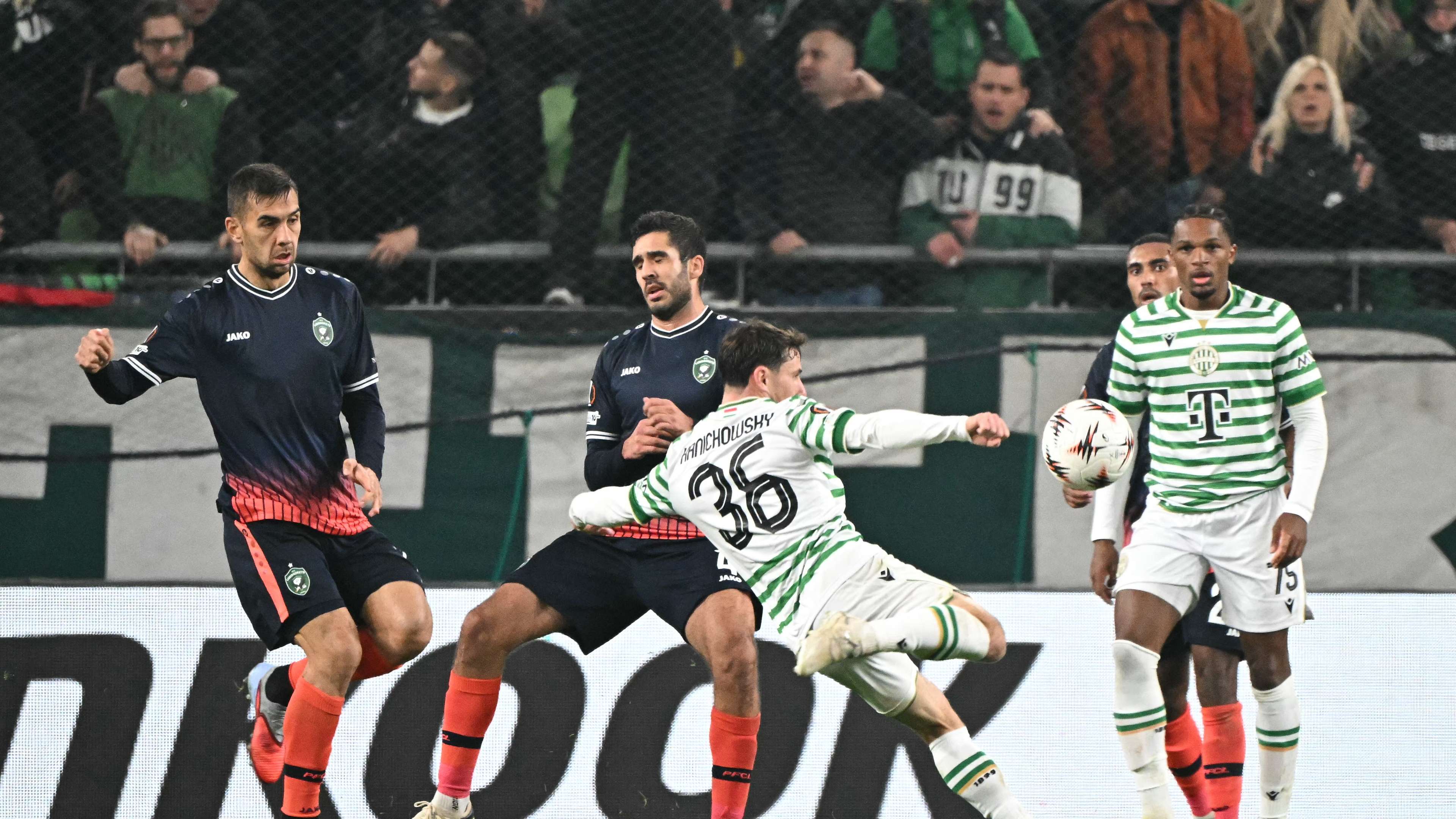
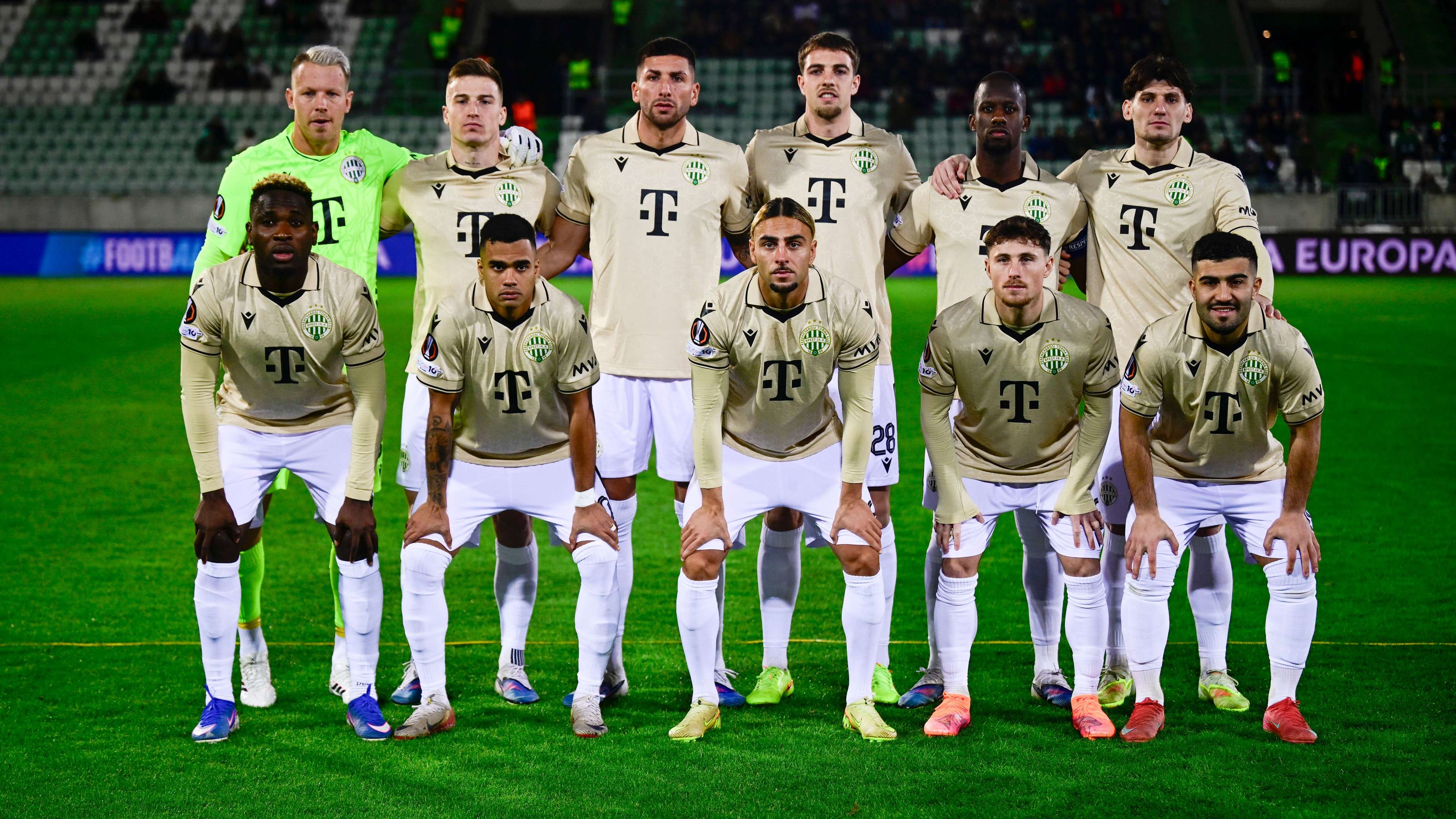
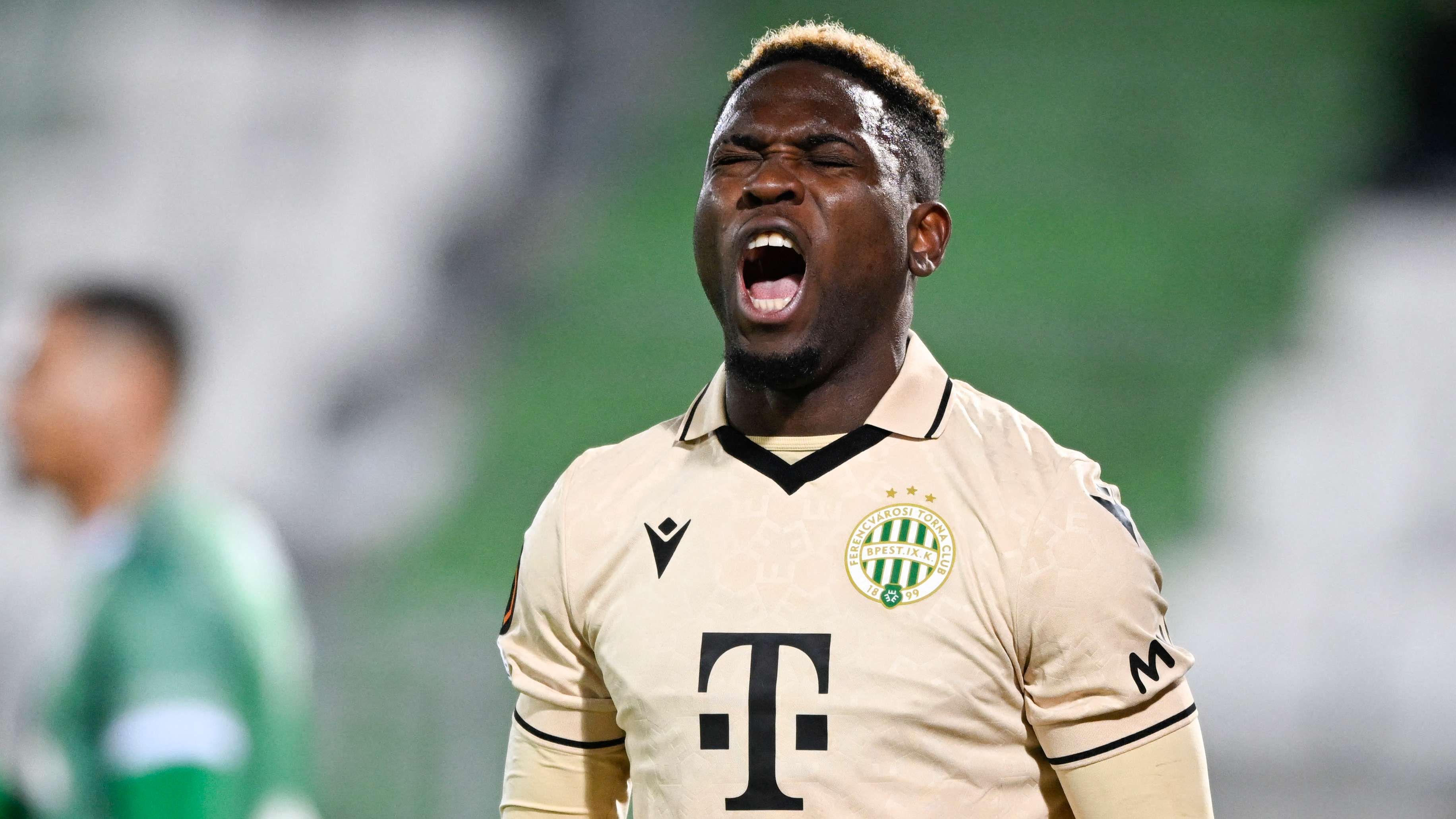
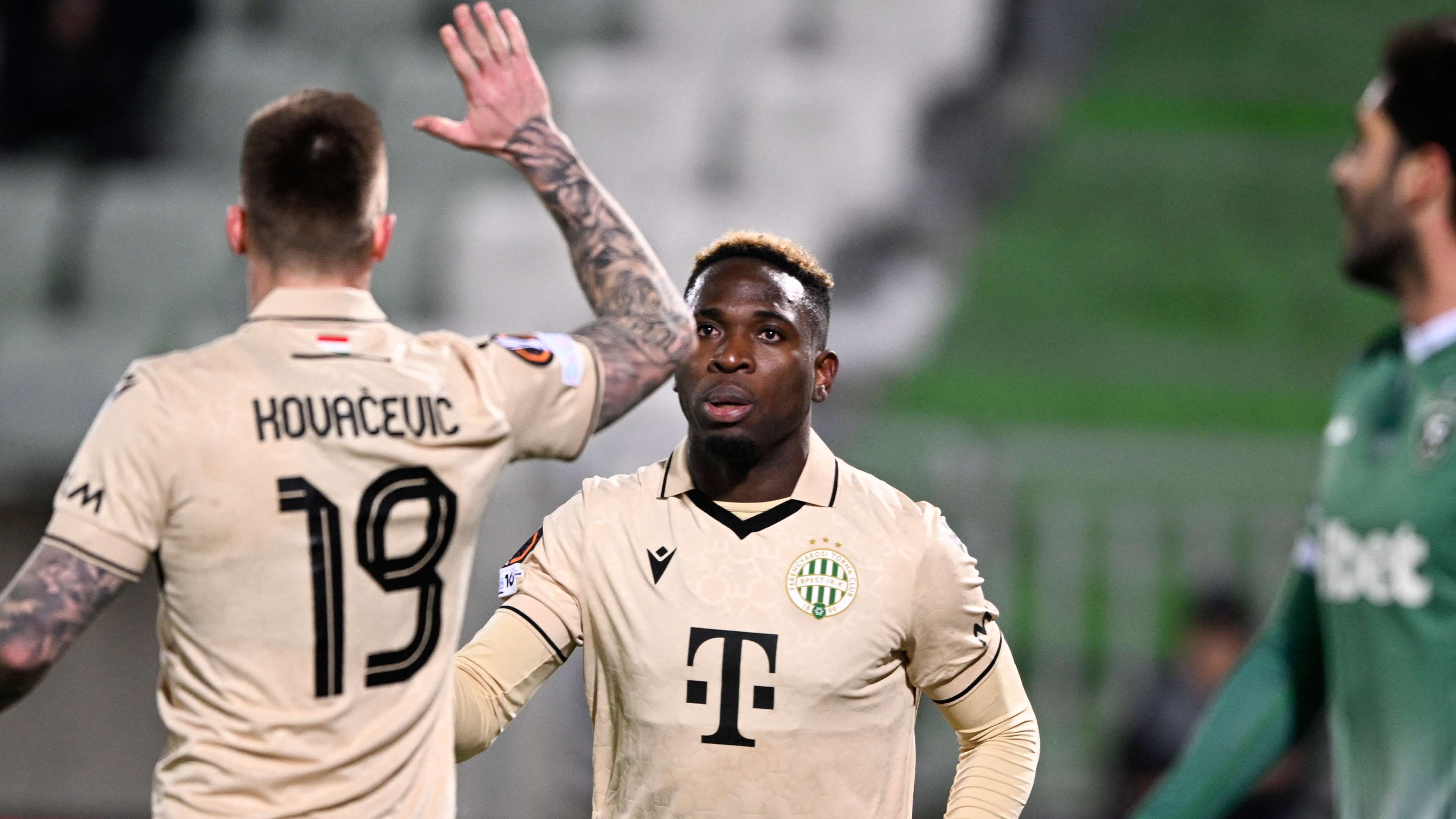
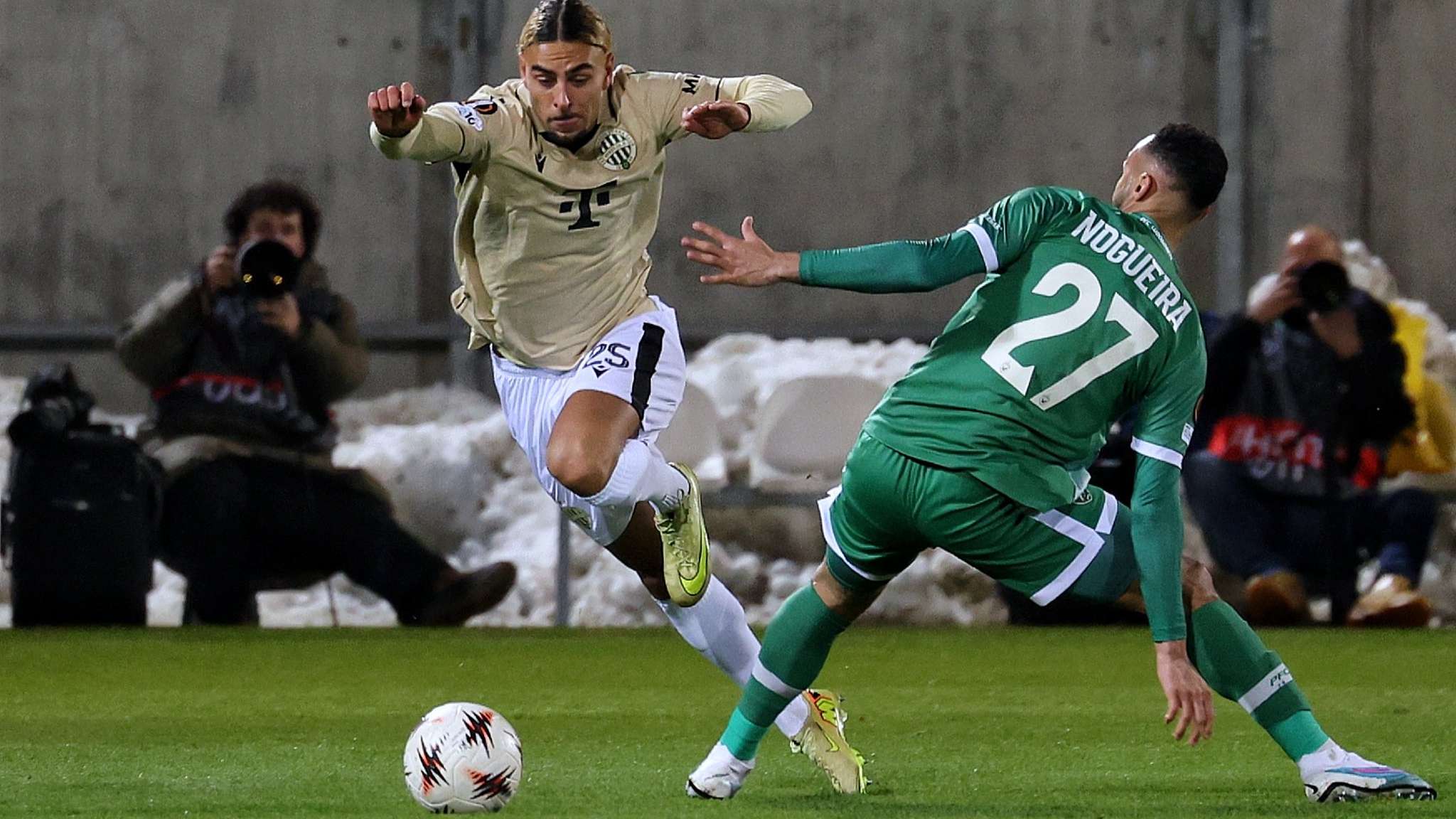
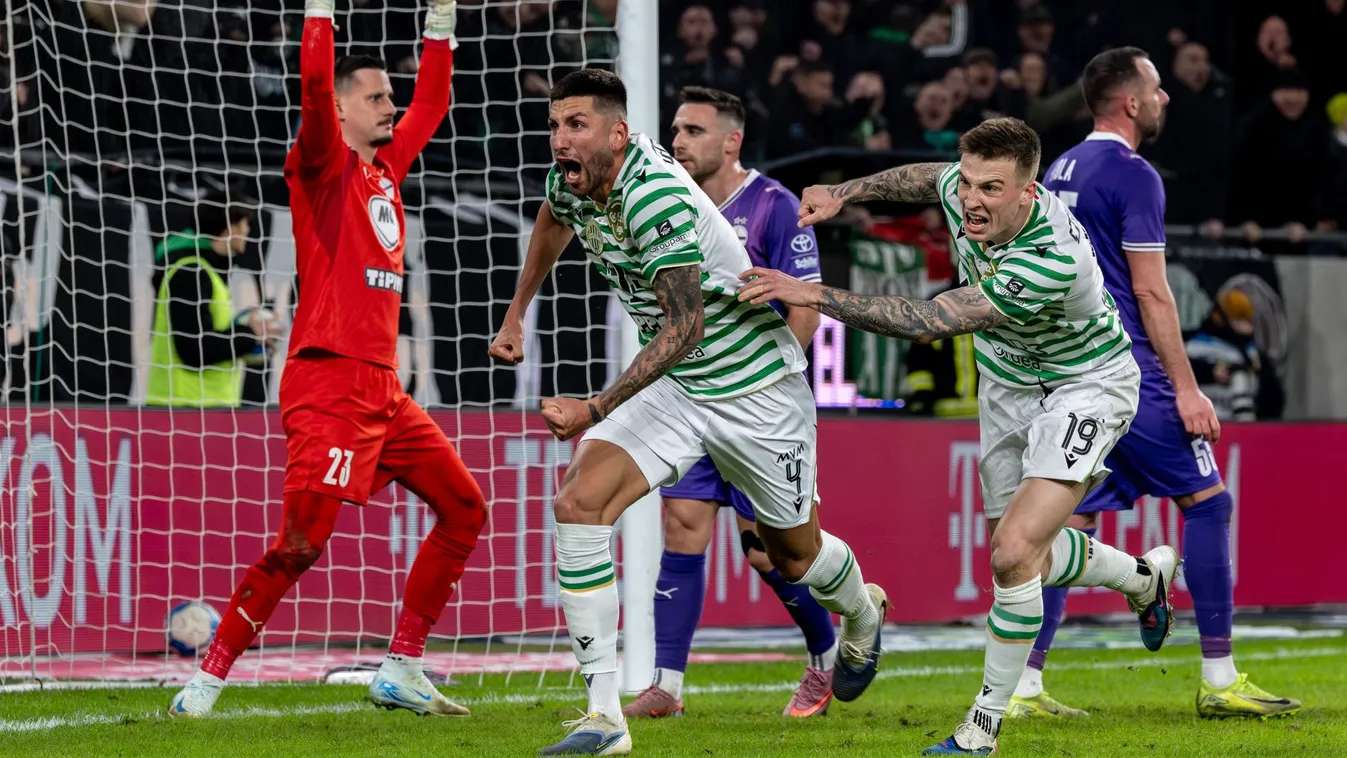
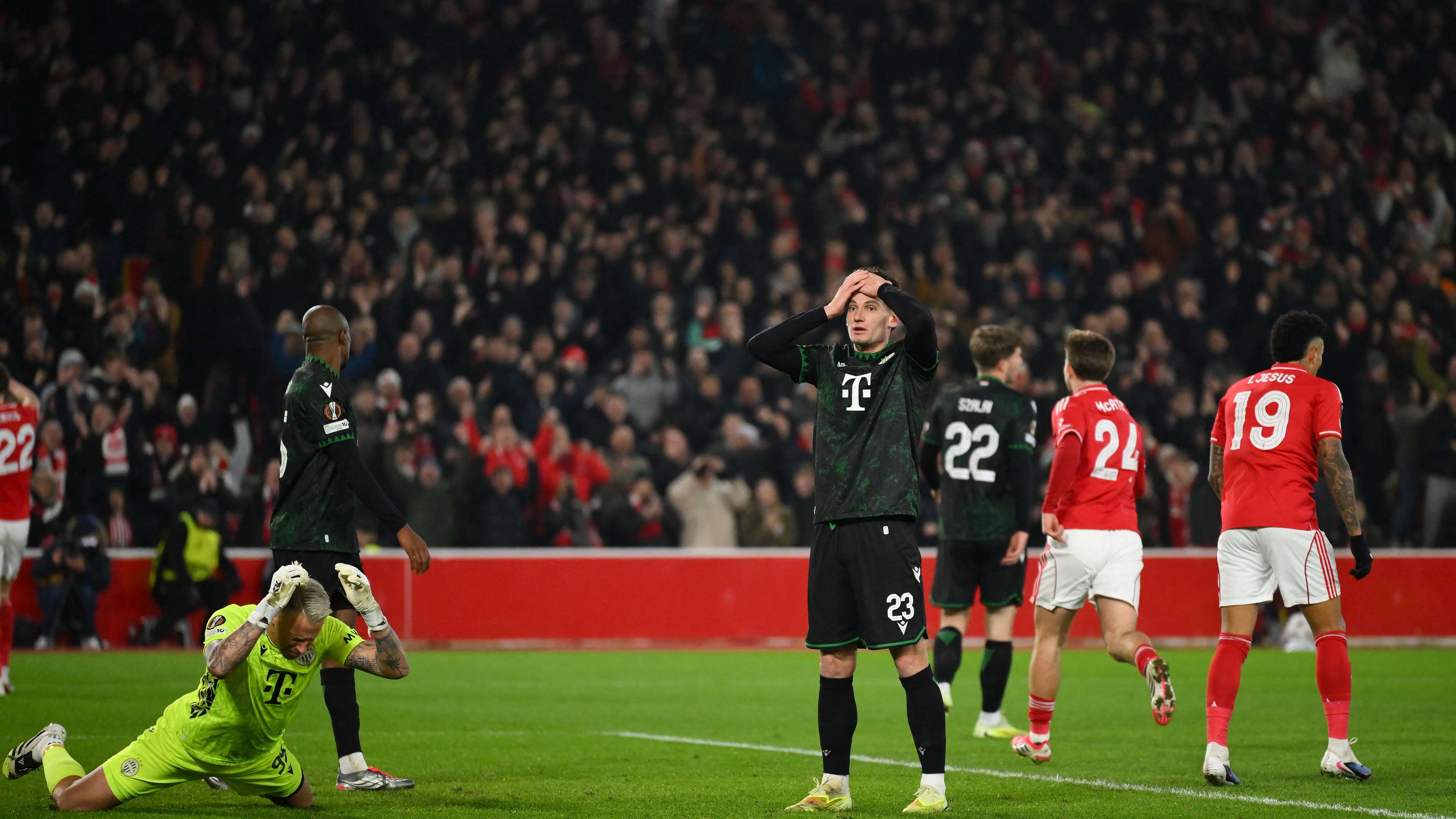
Hajnal Tamás, a Ferencváros sportigazgatója az Európa magazinban elárulta, nagy valószínűséggel hosszú kihagyás vár a Ludogorec ellen megsérült Ötvös Bencére.
A Football Meets Data adatelemző cég legfrissebb kimutatása szerint a Ferencváros kapta a hetedik legtöbb pénzt az Európai Labdarúgó-szövetségtől eddig az Európa-ligában. A magyar bajnok olyan csapatokat is megelőz, mint a Stuttgart, a Celtic, a Rangers, a Salzburg vagy a Freiburg. Mutatjuk a listát!
Marco Rossi, a magyar válogatott szövetségi kapitánya köszönetet mondott a Ferencvárosnak, amiért évről évre magasabbra teszi a lécet, és egyre több nemzetközi szinten edződő magyar játékost ad a válogatottnak. Mutatjuk a részleteket!
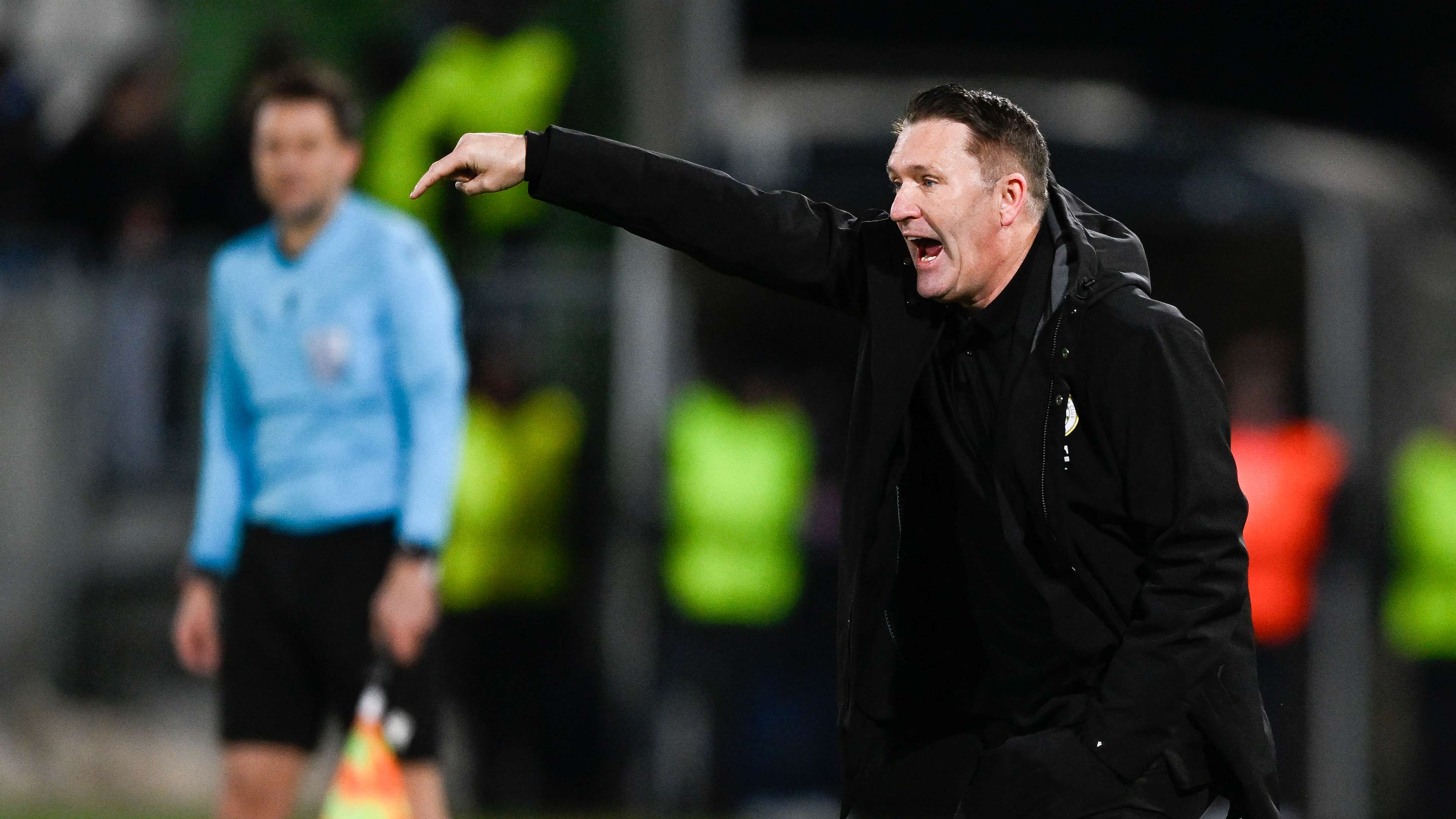
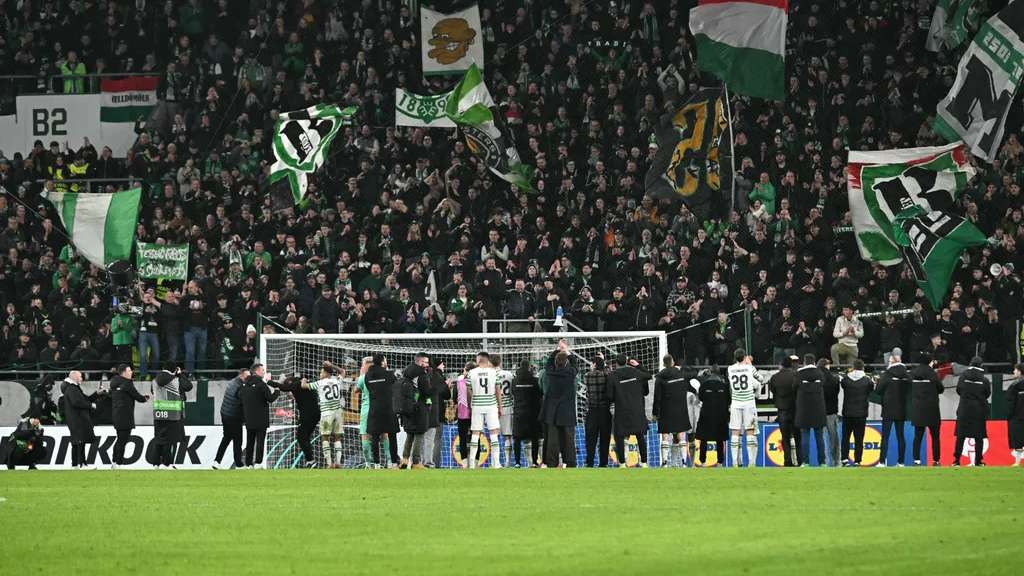
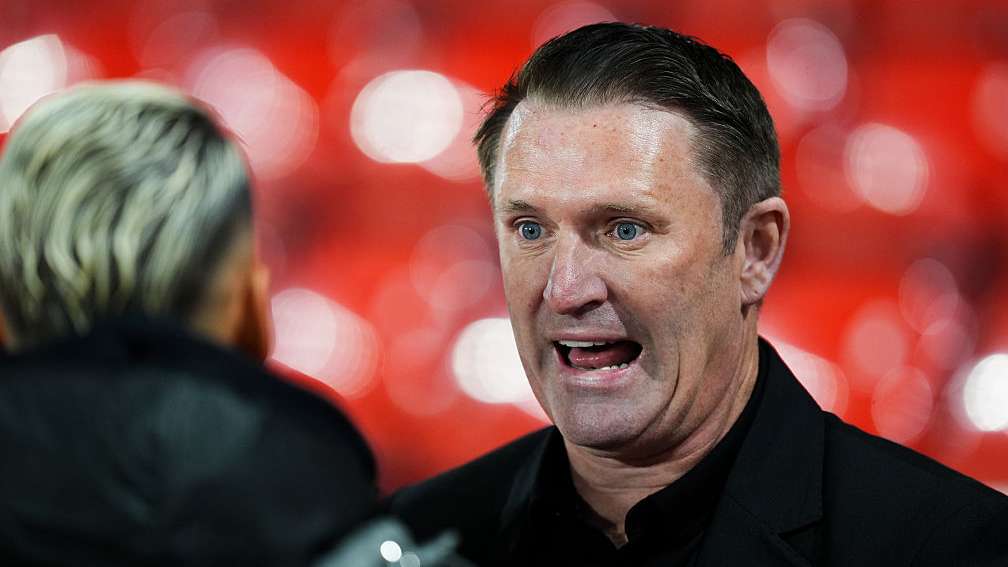
A Ferencváros csütörtök este kiharcolta a továbbjutást a Ludogorec ellen az Európa-liga rájátszásában, és bejutott a második számú európai kupasorozat nyocladdöntőjébe. A lefújást követően Robbie Keane egy hidegrázós öltözői beszédben köszönte meg játékosainak, hogy harcoltak a csapatért. Az ír edző ezenkívül Cebrail Makreckist is megvédte, aki 20 ezer eurós (7,8 millió forintos) büntetést kapott, amiért kiintett a bolgár szurkolóknak Razgardban. Mutatjuk a részleteket!
Hiába a Ferencváros továbbjutása, Robbie Keane, a Ferencváros vezetőedzője ennek ellenére mégis kifakadt a mérkőzés utáni sajtótájékoztatón. Az ír szakember Ötvös Bence sérülése kapcsán a magyarszabályt kritizálta, szerinte semmi értelme nincs az ötmagyaros ajánlásnak.
A Ferencváros hazai pályán fogadja a bolgár Ludogorecet az Európa-liga rájátszásának visszavágóján csütörtök este. A Fradi az első mérkőzésen 2-1-s vereséget szenvedett Razgradban, így egygólos hátrányból kellene fordítania a Groupama Arénában.
A Ferencváros 2-1-s vereséget szenvedett a Ludogorec otthonában az Európa-liga rájátszásának odavágóján. A Fradi vesztét egy komikus és egy csodagól okozta. Mutatjuk a gólösszefoglalót!
A Ferencváros meglepetésre 2-1-s vereséget szenvedett a bolgár Ludogorec ellen az Európa-liga rájátszásának első felvonásán Razgradban. A lefújást követően Robbie Keane és Kubatov Gábor értékelték a sokkoló, ámde közel sem végzetes vereséget.
Hiába játszott mezőnyfölényben a Ferencváros a Ludogorec otthonában, a helyzeteivel jobban gazdálkodó bolgár együttes 2-1-re nyert, és előnyből várhatja a jövő csütörtöki visszavágót, amelyen eldől, hogy melyik csapat jut a sorozat nyolcaddöntőjébe.
A Ferencváros csütörtökön 21 órától a bolgár Ludogorec Razgrad otthonában lép pályára az Európa-liga rájátszásának odavágóján. Jó hír a futball szerelmeseinek, hogy a Ferencváros El-meccse mellett még hét találkozót rendeznek csütörtök este a második legrangosabb európai kupasorozatban.
Van az a párosítás, ami a szezonban menetrendszerűen visszaköszön az európai kupasorsolásoknál. A Ferencváros és a Ludogorec az elmúlt években rendszeresen találkoznak egymással a nemzetközi kupasorozatokban: BL-selejtezők, Európa Liga-csoportkör, most pedig ismét egymás útjába kerültek az UEFA Európa Liga rájátszásában. A párharc első meccsét csütörtökön 21:00-kor rendezik Razgradban. (X)
A Ferencváros egyik kedvenc ellenfelével, a Ludogorec Razgraddal találkozik az Európa-liga rájátszásában. A párharc első felvonását csütörtökön 21 órától rendezik Razgrad városában, addig is megmutatjuk, mi történt a két csapat utolsó három találkozóján.
Mariano Gómez, a Ferencváros középső védője a zöld-fehérek Ludogorec Razgrad elleni Európa-liga-mérkőzése előtt arról beszélt, különösen várja a csütörtöki összecsapást, amelyen bemutatkozhat a második számú európai kupasorozatban. Úgy véli, kemény találkozó vár rájuk a bolgár bajnok otthonában, de idegenben is a győzelemre kell törekedniük. Gómez az interjú végén Varga Barnabás pótlására is kitért.
A Ferencváros szerdán megérkezett Bulgáriába, Razgradba, ahol csütörtök este a Ludogorec otthonában lép pályára a labdarúgó Európa-liga nyolcaddöntőjébe jutásért zajló párharc első mérkőzésén. A magyar bajnokot hóval borított, fehérbe öltözött stadion várta: a helyszíni tudósítások szerint a hó vastagsága elérte a 20 centimétert, bőven bokáig süllyedt, aki belépett a pályára. Felmerül a kérdés, lesz-e így csütörtökön mérkőzés?
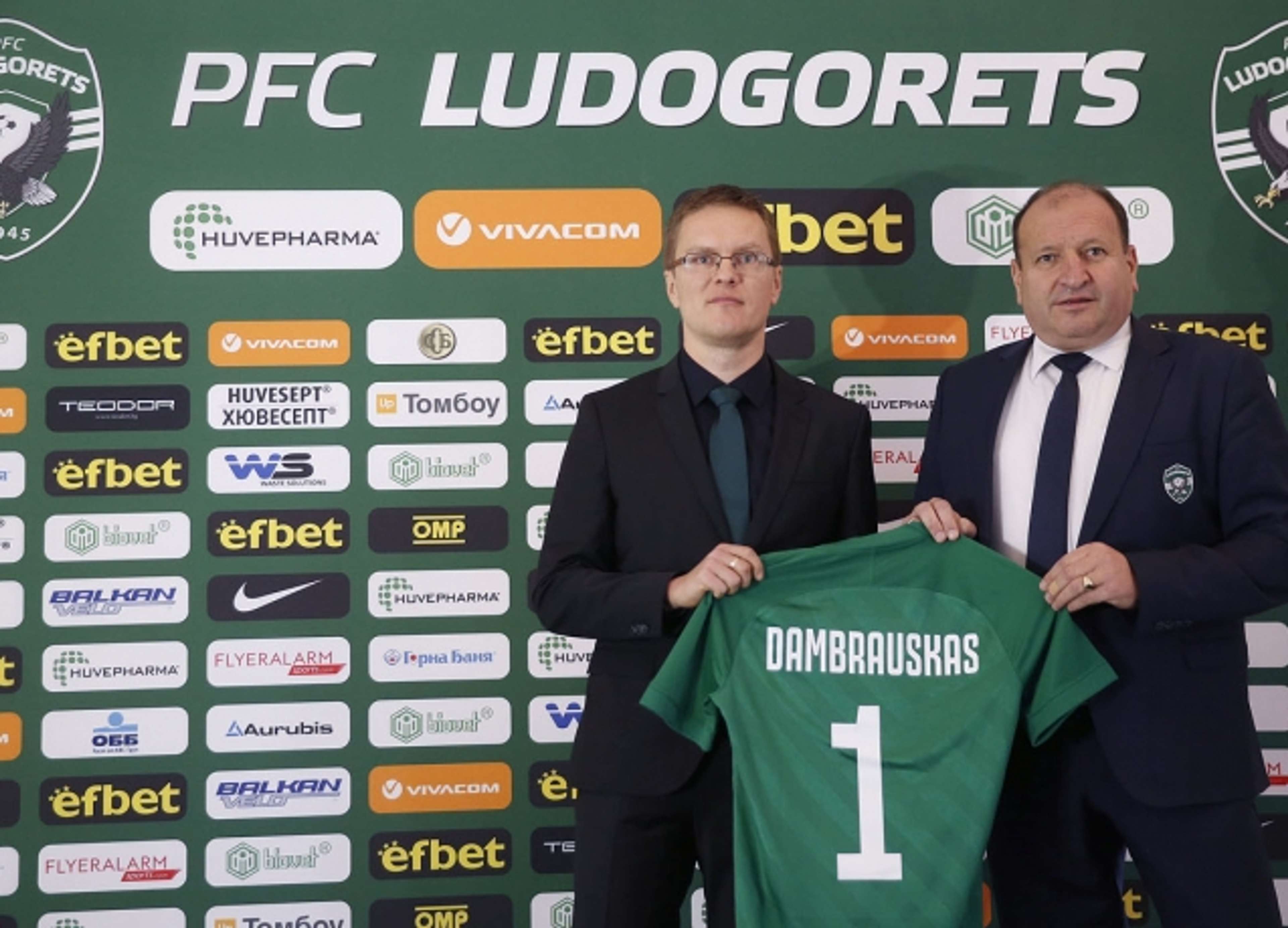
 Ludogorets Razgrad