Club World Cup qualification debate GFXGetty/GOAL

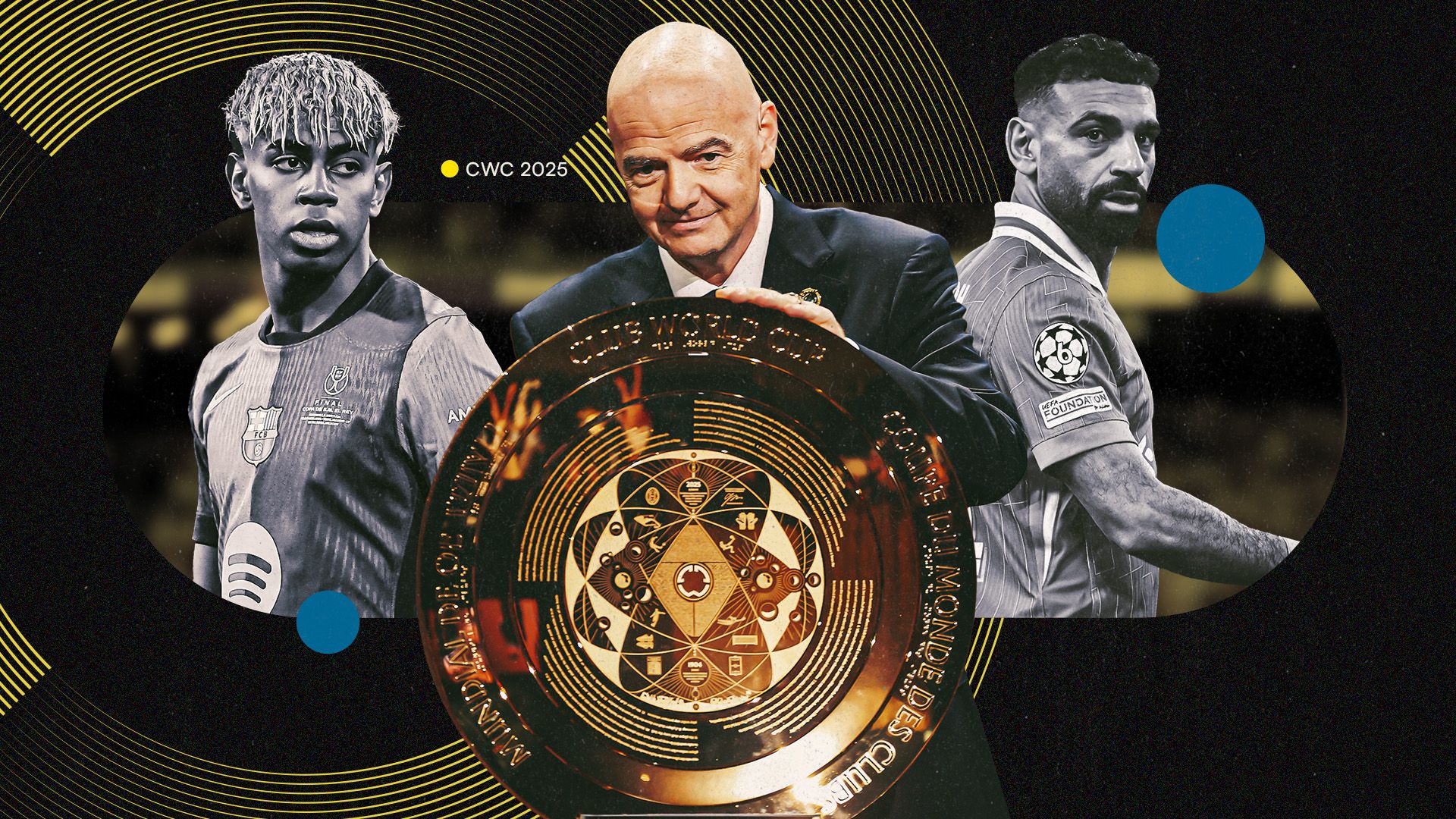
No Barcelona, Liverpool or the champions of Africa, Asia and CONCACAF - so will the Club World Cup really crown the best team on the planet?

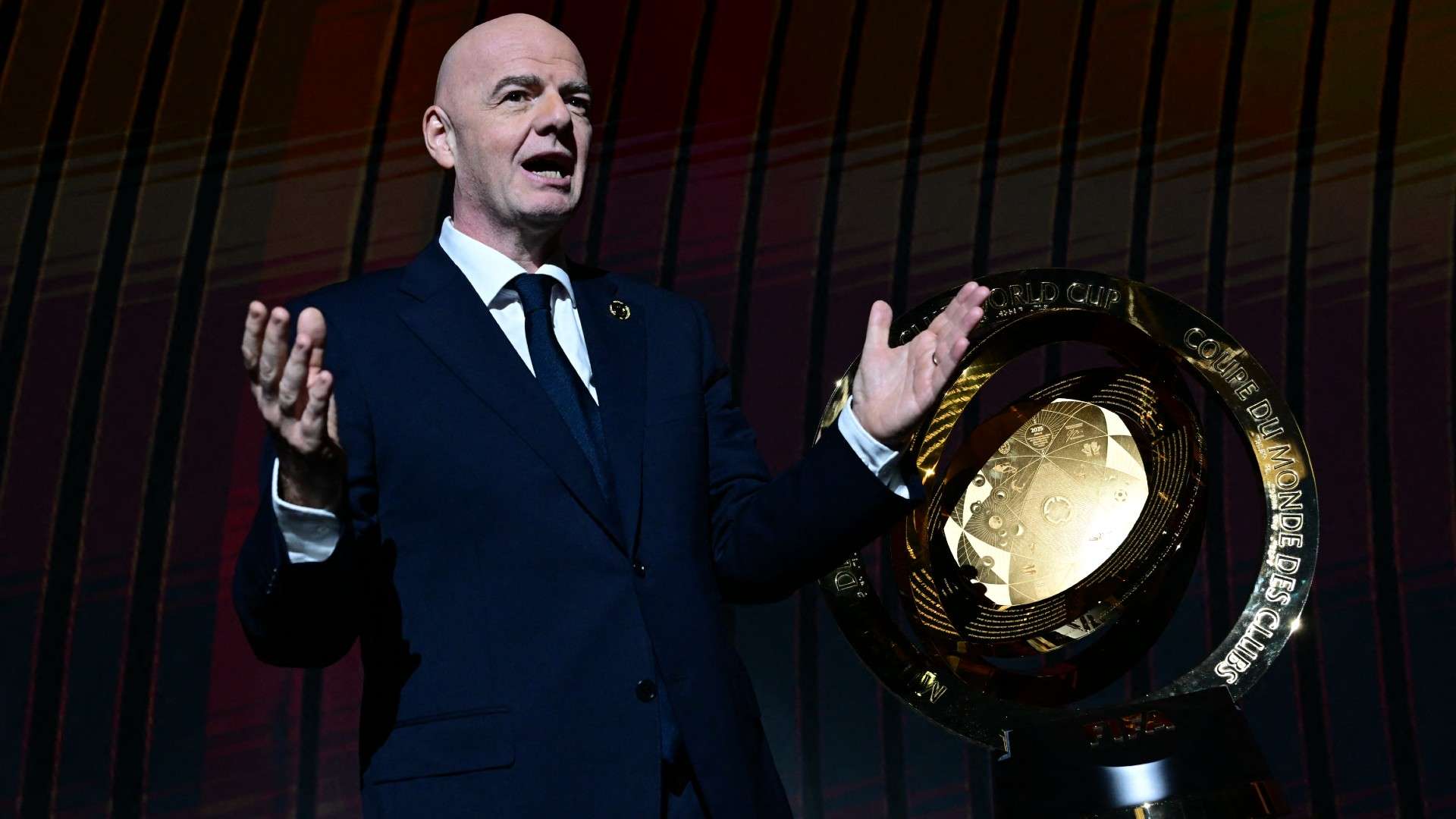
In April of this year, FIFA president Gianni Infantino took to the podium at the Rose Bowl Stadium in Pasadena and hailed the truly global nature of the 2025 Club World Cup.

He pointed out that the expanded tournament, which gets under way in Miami on Saturday, will bring together 32 clubs from 20 nations across all six continental federations, and that "their players come from 86 countries". However, Infantino also claimed that the Club World Cup would, "for the first time in history", determine the best team in the world.

Is that really the case, though? Is the expanded Club World Cup really bringing together the strongest sides in the game today? Because it feels as if there are several notable absentees - and not just from Europe...

  • FBL-FIFA-CWC-LAFC-AMERICAAFP

    The premise

    Figuring out a qualification process was always going to be tricky. Football may be a global game, but financial inequality has resulted in it becoming more and more Euro-centric in recent years. Consequently, FIFA needed to ensure adequate representation from every federation, while at the same time securing the participation of the world's most famous clubs and players (i.e. those based in Europe).

    The basic premise was to issue invites to all of the teams that had won confederation titles between 2021 and 2024. However, FIFA also dished out additional, performance-related spots based on the respective strength of each confederation, meaning we've ended up with one representative from OFC, four apiece from CAF, CONCACAF and AFC, six from CONMEBOL and 12 from UEFA.

    Unfortunately, the 'qualification' process has led to both some strange inclusions and glaring omissions.

  • Advertisement
  • Al Ahli v Kawasaki Frontale: AFC Champions League Elite FinalGetty Images Sport

    No sign of 2025 winners

    While recognising continental triumphs during the preceding four-year cycle makes sense, there is an undeniable feeling that the qualification process goes too far back. For example, Monterrey haven't lifted a trophy of any variety since winning the CONCACAF Champions Cup in 2021, and didn't even make it past the quarter-finals of this year's Liga MX play-offs.

    It's a similar story with Wydad AC, who won the 2022 CAF Champions League and very nearly retained their title 12 months later. However, the Moroccans didn't even qualify for this year's tournament, which was won by Pyramids - and that leads us onto another major issue.

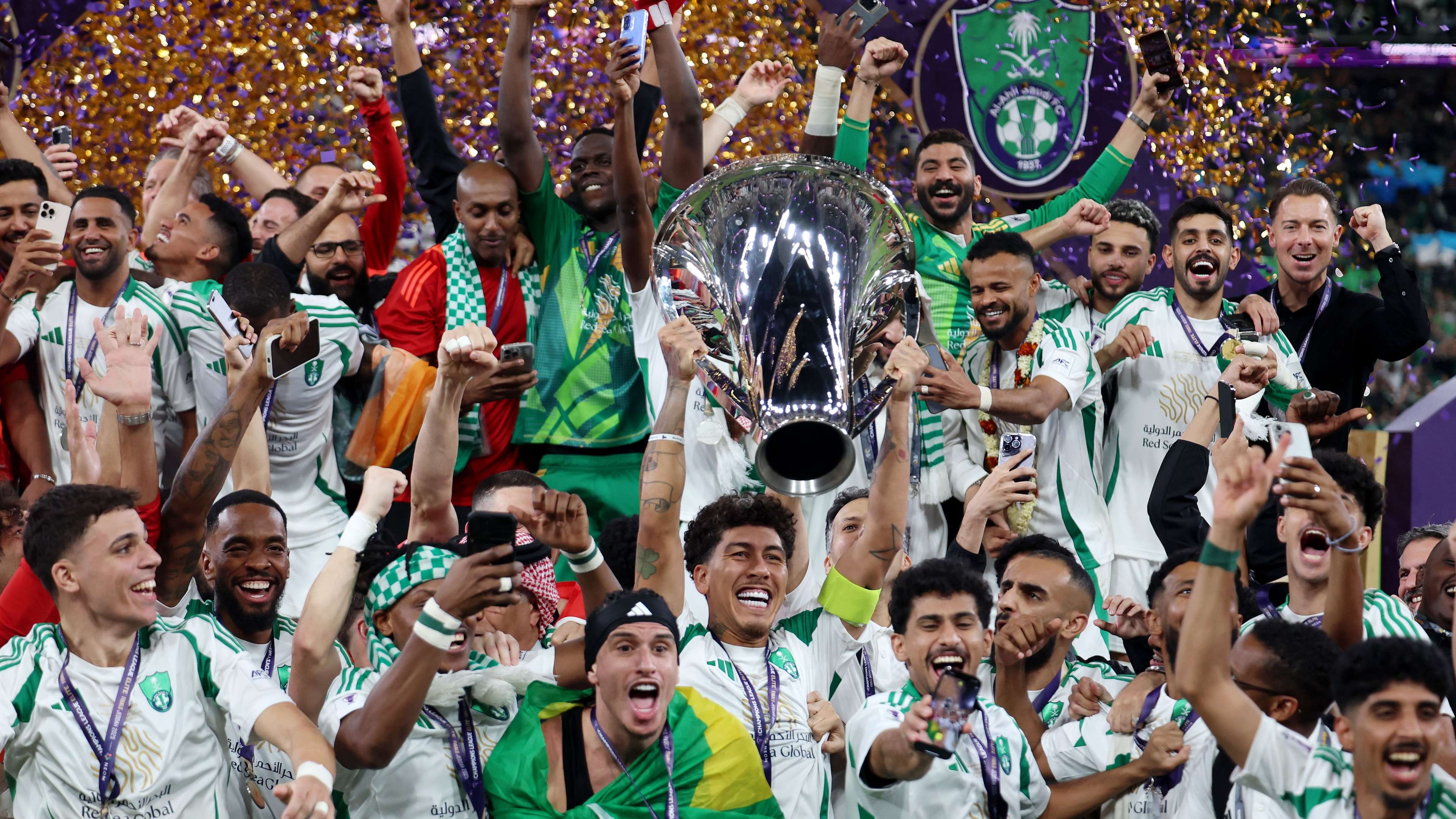
    Not one of the reigning champions of CAF, CONCACAF (Cruz Azul) or AFC (Al-Ahli) will compete at the 2025 Club World Cup, which rather undermines Infantino's claim that the 32 best teams in the world have just arrived in the United States.

  • FC Barcelona v Villarreal CF - La Liga EA SportsGetty Images Sport

    Conspicuous absentees

    As for European teams, there's just no getting around it: UEFA isn't being represented by its 12 best teams. Or anything close to it.

    Thankfully, Champions League finalists Paris Saint-Germain and Inter will both be present at the Club World Cup thanks to their UEFA coefficient rankings. However, the champions of Italy, Portugal, Spain and England will all be incredibly conspicuous by their absences.

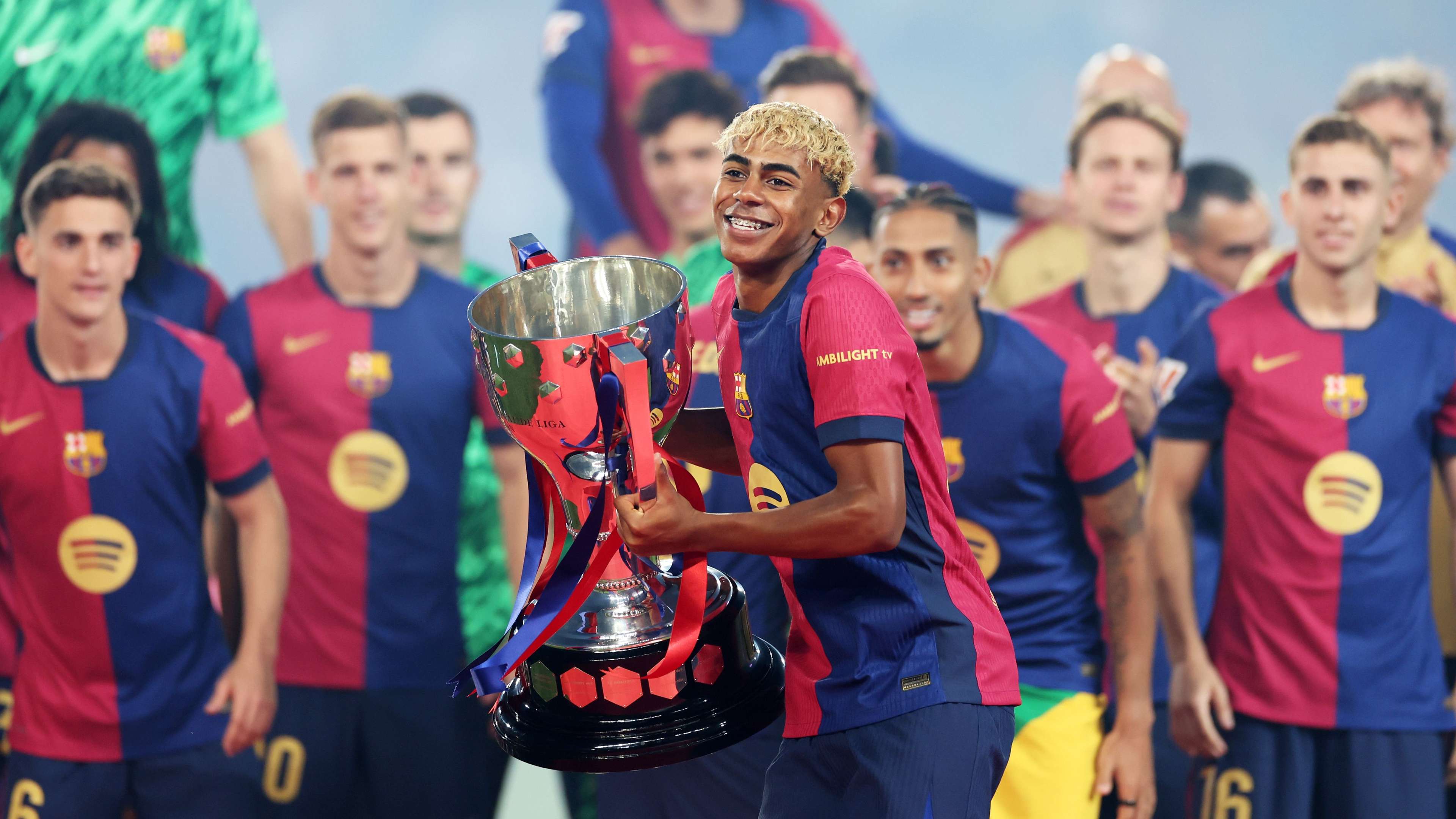
    After all, Napoli have just claimed their second Serie A title in three seasons, Sporting CP are celebrating retaining their Liga Portugal crown, while Hansi Flick's brilliant Barcelona side beat Real Madrid four times on their way to winning this season's Supercopa de Espana, Copa del Rey and La Liga.

  • FBL-ENG-PR-LIVERPOOL-CRYSTAL PALACEAFP

    Liverpool out, Salzburg in?!

    Liverpool, meanwhile, ran away with the Premier League and were the eighth-ranked team in UEFA when qualification berths were being dished out (the Reds are now up to fourth - behind only Madrid, Manchester City and Bayern Munich).

    However, the decision to limit each association to two clubs (with the exception of 'champion clubs' if more than two clubs from the same association won their confederation's top club competition) meant the Merseysiders missed out, while Chelsea qualified thanks to their 2021 Champions League triumph - even though they've not played in the tournament for two years and only one player from that triumph (Reece James) remains in the Blues' squad.

    The two-team limit per European nation didn't just rule Liverpool, Barca and Napoli out of the running either. It also led to the inclusion of Red Bull Salzburg, who aren't even the best team in Austria - let alone one of the top 12 sides in Europe. In fact, they sit 44th in the latest UEFA rankings!

  • FBL-MLS-USA-MIAMI-COLUMBUSAFP

    The Messi factor

    FIFA, meanwhile, was always going to pick a club to represent the host nation, but that honour was expected to go to the 2024 MLS Cup winners, which would have been in keeping with the criteria used to determine other qualifiers. However, the organisers instead decided to award the berth to Inter Miami for winning the Supporters' Shield - which goes to the MLS side with the best regular-season record - before the play-offs even got under way.

    It was widely perceived as an attempt to ensure the participation of global icon Lionel Messi in the tournament - a belief that has since been strengthened by Infantino airing his belief that one of the Club World Cup participants would sign Cristiano Ronaldo ahead of the tournament.

    Infantino argued that Inter Miami were "deserved participants" and had already proven themselves to be "the best club on the field of play" - yet it was LA Galaxy who lifted the MLS Cup on December 7 - almost exactly a month after Messi & Co. had fallen in round one of the play-offs, which only made the latter's invite look all the more questionable.

  •  President of FIFA Gianni Infantino speaks next to the trophy during the 2025 FIFA Club World Cup Draw ceremony Getty Images

    Finding a balance

    Striking a perfect balance between quality and equality was an almost impossible task for FIFA, who had to find a way to tick all of the boxes in terms of global representation and global appeal. Therefore, one can understand why Infantino has been pulling out all of the stops to drum up interest in the competition.

    Opening the summer transfer window early has definitely helped, given a number of high-profile players, such as Trent Alexander-Arnold and Tijjani Reijnders, are now poised to make their first appearances for their new clubs in the U.S.

    It should also be acknowledged that this could be an intriguing tournament by its very nature, given the variety of the participants. At the very least, it's likely to arouse some curiosity in the average football fan, who will be acutely aware anyway that the best team in Europe doesn't always win the Champions League, for example.

    However, Infantino is not really doing the Club World Cup any favours when he says that FIFA have assembled the top 32 teams on the planet right now - not when Mohamed Salah's Liverpool and Lamine Yamal's Barcelona are sitting at home.