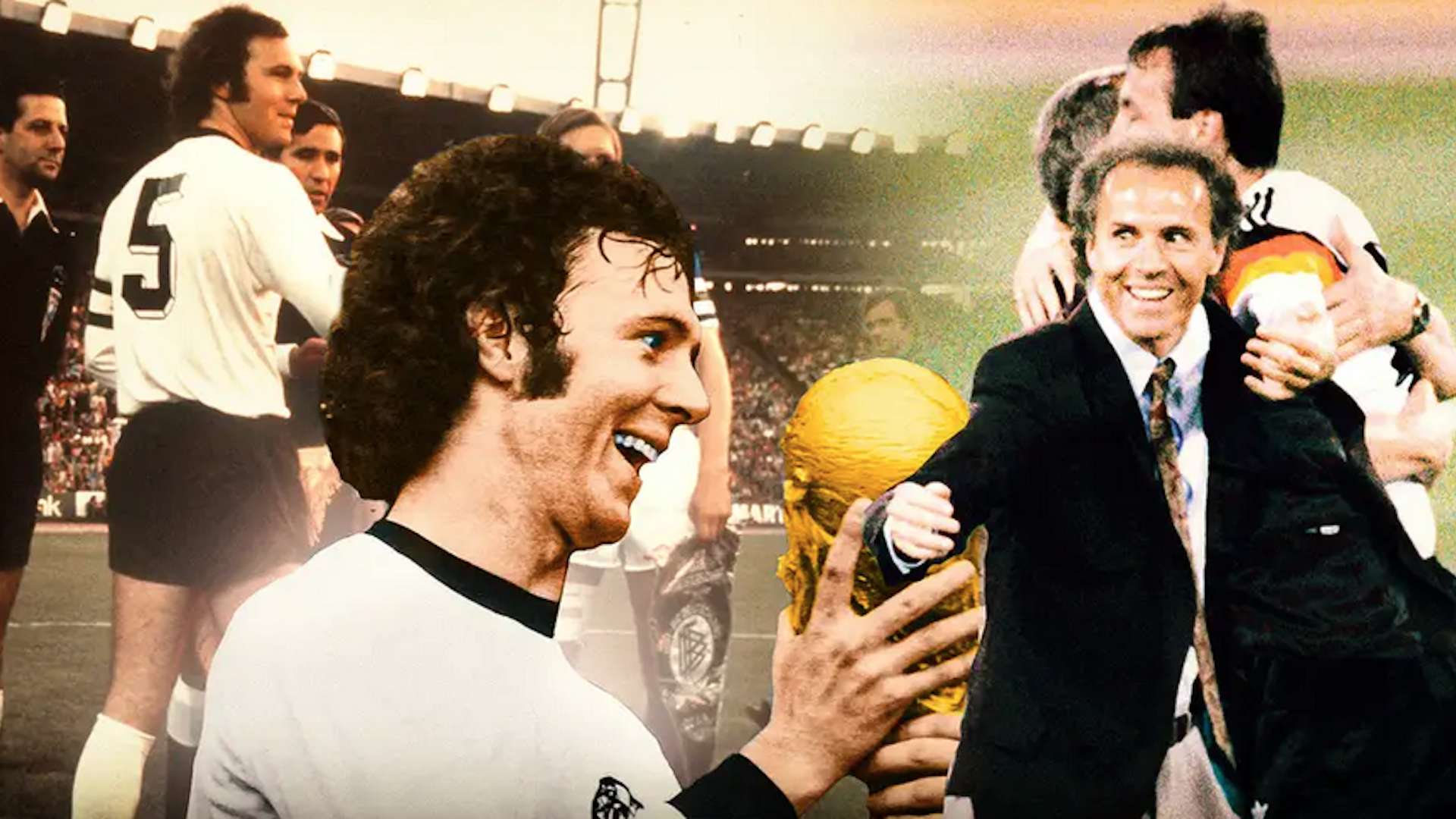
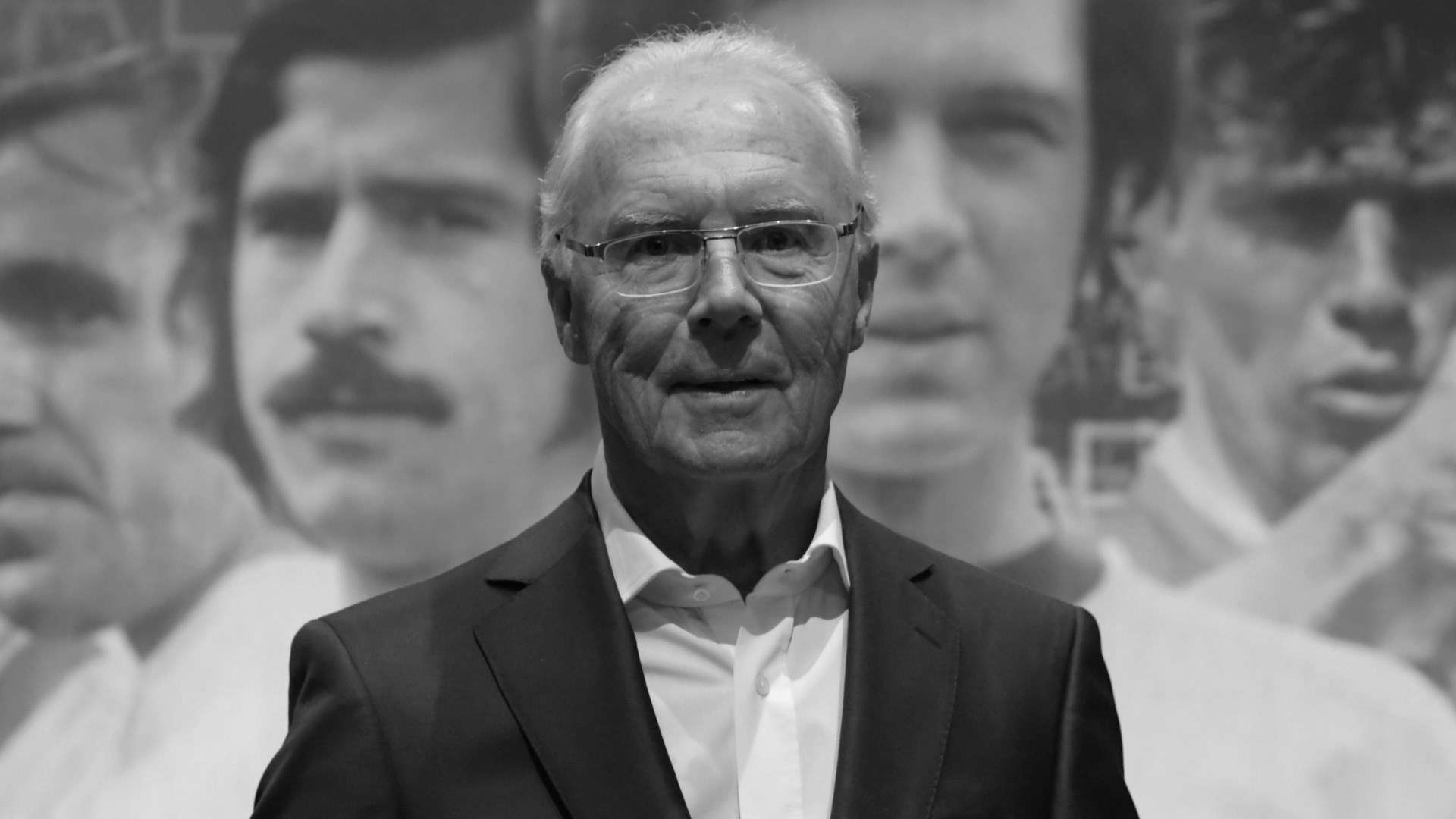
It certainly solidified the idea that Beckenbauer wasn't just a great talent, but a great character, a natural-born leader. There had been a time when he was considered a cocky upstart, partly because of the way in which he played the game.
With his head-up style, surveying and indeed controlling all before him, there was a swagger about Beckenbauer that led to him being labelled 'Kaiser Franz' because of the way in which he allegedly responded to hostility and roughhouse treatment with displays of showboating.
As time went on, though, not even 'Emperor' seemed a sufficiently grandiose nickname for Beckenbauer. It seemed too earthly a title for a two-time Ballon d'Or winner blessed with such grace and good fortune.
Beckenbauer led West Germany to World Cup glory on home soil in 1974, in between lifting three consecutive European Cups with Bayern Munich, and by the time he won the World Cup as a manager in 1990, he had become known as 'Lichtgestalt', the celestial shining light of German football.
There were dark times, too, of course. He was caught up in the corruption scandals that engulfed FIFA, while his private life became a topic of public debate on several occasions.
But Beckenbauer will forever be remembered as one of the most influential figures in football history. There was a reason why he, Pele, Johan Cruyff and George Best were paid enormous sums of money to play in the United States at the tail end of their careers. They were football's first true superstars, trailblazers who didn't just play the game, but changed it.
And when it comes to attacking idols, everyone will have their favourite out of Pele, Cruyff and Best, but Beckenbauer was - and forever will be - the defender we all wanted to be.