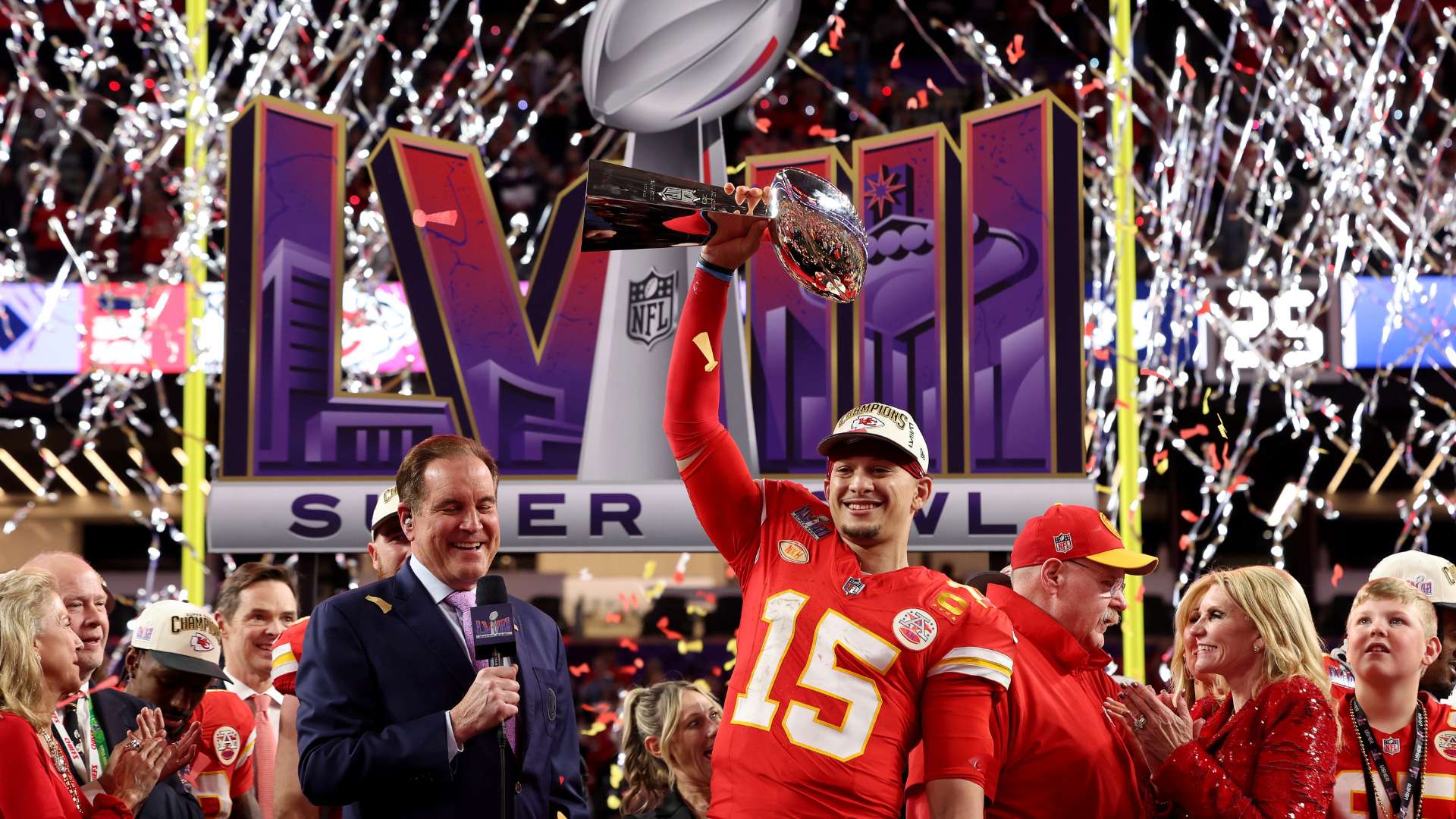
Kansas City Chiefs win 2024 Super BowlGetty Images

What can the Super Bowl teach us about the 2026 World Cup in the United States?

Speaking on the Footballco Business Podcast, Jessica Giordano, senior partnership and brand experience leader at GMR FC, discussed the potential impact the 2026 World Cup could have on U.S. soccer and what those behind the tournament could learn from the Super Bowl.

GMR FC is the soccer-focused division of the US-based experiential marketing and sponsorship activation agency, GMR Marketing.

GMR FC was set up in July last year together with boutique agency 18K Sports to offer brands consulting and access to a network of football culture and partnerships as well as services including sponsorship consulting, global experience activations and corporate hospitality programmes.

Listen to the full show below, click here, or scroll down to read more.

  • 2022 World Cup QatarSupreme Committee Qatar

    A monumental event

    To begin, Giordano was asked about comments made by GMR's chief partnership director, Adam Lippard, who described the tournament as a monumental cultural event as well as a sporting one.

    Giordano said: "I think we all know the stats: three nations, 16 host markets, 104 matches. So you can't argue the size and scale, right? When it comes to the biggest opportunity, the biggest event of our lifetime, it's actually the opportunity for audience experience that we're really focusing on.”

    “Another piece that Adam likes to say is when you look at the World Cup, it has the best of every event. It has the bigness of the Super Bowl. In the U.S., we talk a lot about college football. And so the pageantry, the fandom of college football, it has the bracketology of the NCAA March Madness in Final Four in terms of just how we're looking at the match play into the round of 16 quarterfinals, etc.

    “[It has the] National pride of the Olympics. One of my most favourite parts about the World Cup itself is just the fandom and the pure melting of culture, which you see in the World Cup. And so when we talk about, again, the biggest event, I think it's bringing all of those elements. And [it's] in the United States, which is the most commercially significant event as well.”

  • Advertisement
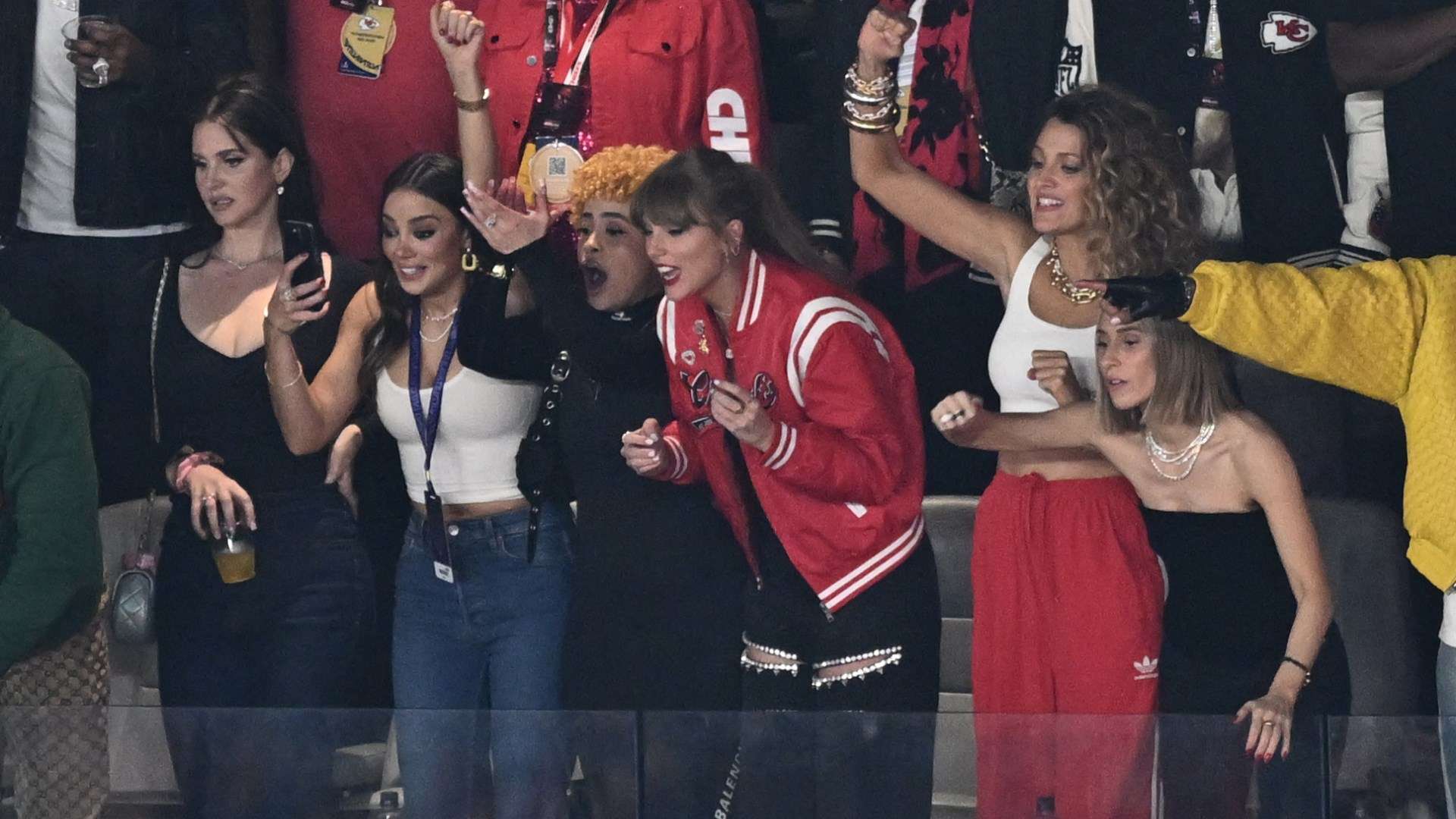
  • Swift Lively Super BowlGetty

    Glamour of the Super Bowl

    Although soccer in the U.S. is seeing incredible growth, its popularity is still behind more established sports, such as American football, basketball and baseball.

    However, considering what makes the Super Bowl so popular, there are reasons to be optimistic about the World Cup's impact on growing soccer in the U.S.

    The NFL are a client of GMR and while there are few on-the-field comparisons to be made between the sports, knowing what U.S. audiences expect from sporting spectacles like the Super Bowl puts GMR in a strong position.

    Giordano said: "We talk about bigness, right? And so in the United States, that is the event that everyone holds up as the benchmark for bringing forward the trifecta of sports, entertainment, and experience.

    "So as we think about 2026, sport, we've got covered. Nobody is better than the FIFA World Cup for just letting the headlines of football carry the tournament. Experience, again, I thin we've seen progress. Beyond just the field of play itself, there is an experience that FIFA is trying to take ownership for or really build out and brands play a huge, huge role in that, whether official or unofficial.

    "But the one piece I think in terms of differences that we haven't necessarily seen at previous World Cups is that focus on music and entertainment. And that is, I would say, expected."

  • Qatar World Cup 2022 Lusail StadiumSupreme Committee Qatar

    A 360 experience

    Giordano added: “Here in the United States, at these big marquee events, it is one part sport and one equal part entertainment, and music plays a huge piece of that. Anecdotally, and the research I think will prove that out as well. I think it's really the total journey.

    "What the US does is it looks at the fan experience as a 360 experience. It starts way before we get to the match or way before we get to the stadium. And, you know, the role of content, the role of social media, the role of music, entertainment, fashion, food. I think beyond just the halftime show, the food experience becomes really critical, too. And so I think those have become expectations of the fan.

    "And so as brands are thinking about, again, what are all the touch points that we need to be showing up in a really authentic and personalized way, it has to move beyond the sport itself. It has to really bring forward that 360 fan experience.”