
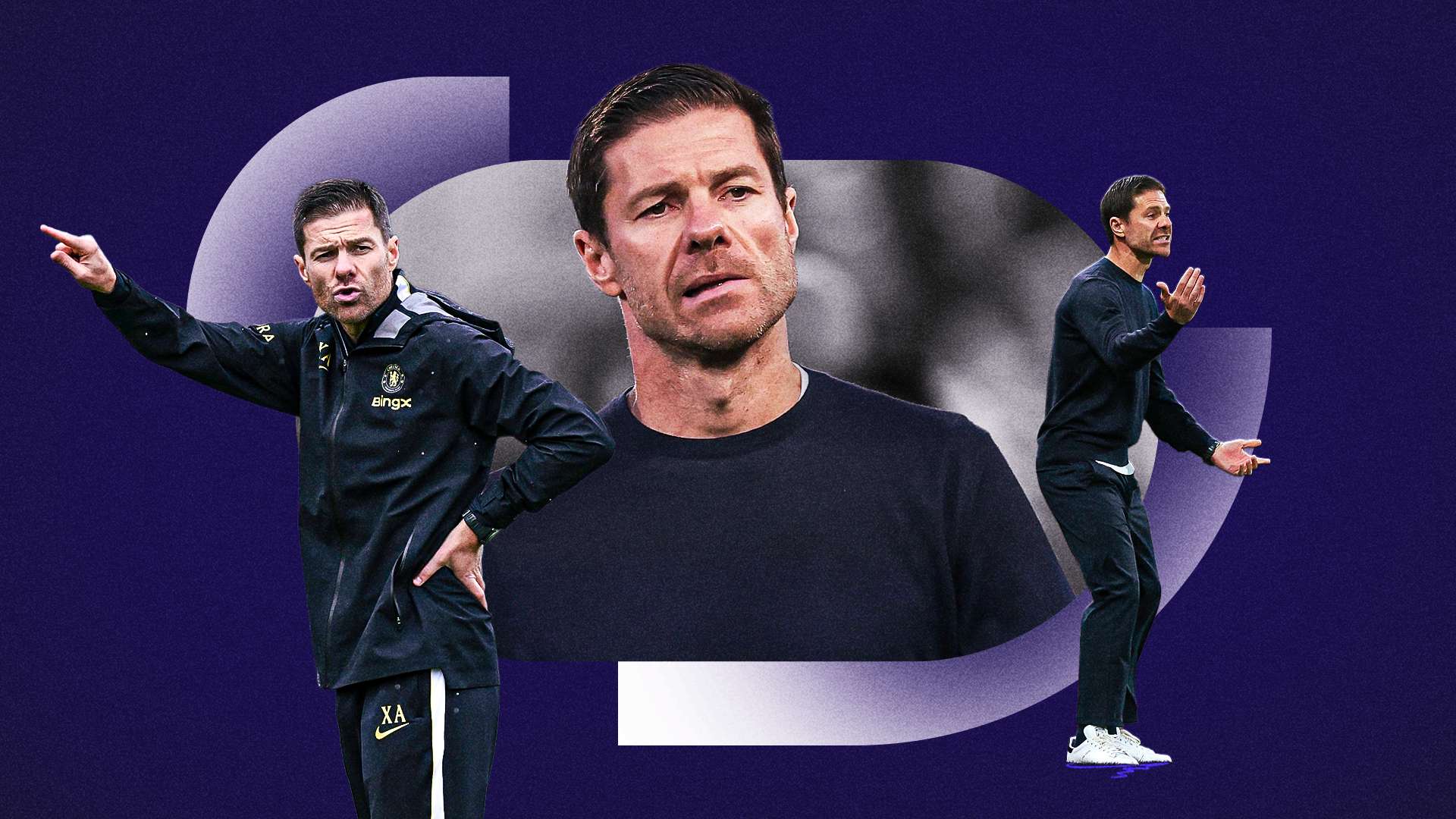
Xabi Alonso, the Chelsea head coach, believes the Premier League has developed significantly over recent years. The gaps between the major clubs and the rest have narrowed, while the physical and tactical level of players has risen.
During a lengthy interview with Jamie Carragher, his former Liverpool team-mate and now an analyst at Sky Sports, the Spanish coach explained that teams have become more well-rounded. You rarely find a player lacking physical readiness these days, and matches have grown tougher thanks to the variety of tactical solutions.
Alonso admits he's still adapting to the rhythm of the competition, despite knowing its atmosphere well from his playing career. Dealing with opponents has become more complex, he says, whether in pressing or in attacking and defensive transitions.
The crowds, though, remain one of the Premier League's most striking features. Alonso cited the fixtures against Everton and Fulham, which reminded him how special English grounds are compared to his experiences in Germany and Spain.
Pressing the opponent is no longer enough to force them into long balls, as it once was. Teams have become better at beating the press and switching methods, which forces coaches to pick the timing and spaces of their press precisely and to prepare for multiple scenarios.
The secret of Spain's superiority: a system that produces generations
Spain's success, Alonso insists, was no accident. It was the product of an integrated project stretching across roughly two decades, built on developing players from the earliest age groups.
He pointed to the coach Luis de la Fuente, who worked for years within the youth national teams. That gave him deep knowledge of Spanish talent and helped build generations used to playing together, developing gradually until they reached the top.
Clubs deserve credit too for discovering and refining talent. Alonso cited Real Sociedad, his own club, as a model for caring about youngsters and giving them their chance, and he praised the work being done at Chelsea to develop young players.
On England, Alonso believes Thomas Tuchel's side are heading in the right direction. But they need to take an extra step to capitalise on the quality of their players and compete for titles.
Rodri and Busquets: intelligence before physical strength
Controlling the big matches, Alonso argues, requires top-class players with exceptional technical and mental abilities. Speed of thought can at times outweigh physical speed.
He cited Rodri, who reads situations and gets a step ahead of his opponents through training and the right habits. He also recalled Sergio Busquets, who made up for his lack of physical pace with his intelligence, his reading of the game and his control of its rhythm.
This type of player, he explained, embodies the philosophy of Spanish football: collective understanding and decision-making, rather than individual skill and physical strength alone.
Mourinho, Ancelotti, Benítez and Guardiola: the secrets of a coach's formation
Alonso's coaching philosophy grew directly out of his playing days. He worked under some of the most prominent coaches in European football, taking something from each of them.
Rafa Benítez, he explained, gave him an important tactical foundation. Working with José Mourinho and Carlo Ancelotti at Real Madrid sharpened his competitive mentality and taught him what success at the highest levels demands.
As for Pep Guardiola at Bayern Munich, Alonso described that spell as a postgraduate course after finishing university. The Spaniard let him delve into the fine details of training and match preparation.
Alonso revealed that he began thinking seriously about coaching as his playing career wound down, keen to understand why the teams he played for succeeded. He spoke to Ancelotti and Guardiola about his interest, and he recalled Ancelotti inviting him to address the players during pre-season.
Alonso's philosophy: control does not mean rigidity
Building his coaching identity, Alonso says, started with how to communicate with players and handle the hard calls, especially dropping men from the starting line-up. Accepting those responsibilities is part of the job.
Tactically, control sits at the centre of his thinking: controlling the rhythm of a match, balancing the lines, regulating the distances between players.
Yet the Spaniard refuses to cling to his ideas rigidly. Success, he believes, requires adapting the style to the team's capabilities and the circumstances of the competition.
He cited his time at Bayer Leverkusen, when he had to change his approach during a difficult phase. He put restoring balance and getting results ahead of producing beautiful football.
That side leaned more heavily on defensive organisation and counter-attacks, which helped them compete and reach the Europa League semi-final.
A clear philosophy, Alonso concluded, is not enough on its own. A coach must read the reality and take the right decisions, even if that means abandoning some ideal ideas to build a team capable of competing.