
 Getty Images Sport
'I'd been suffering with anxiety for a year and a half' - Barcelona's Ronald Araujo opens up on depression battle after break from football
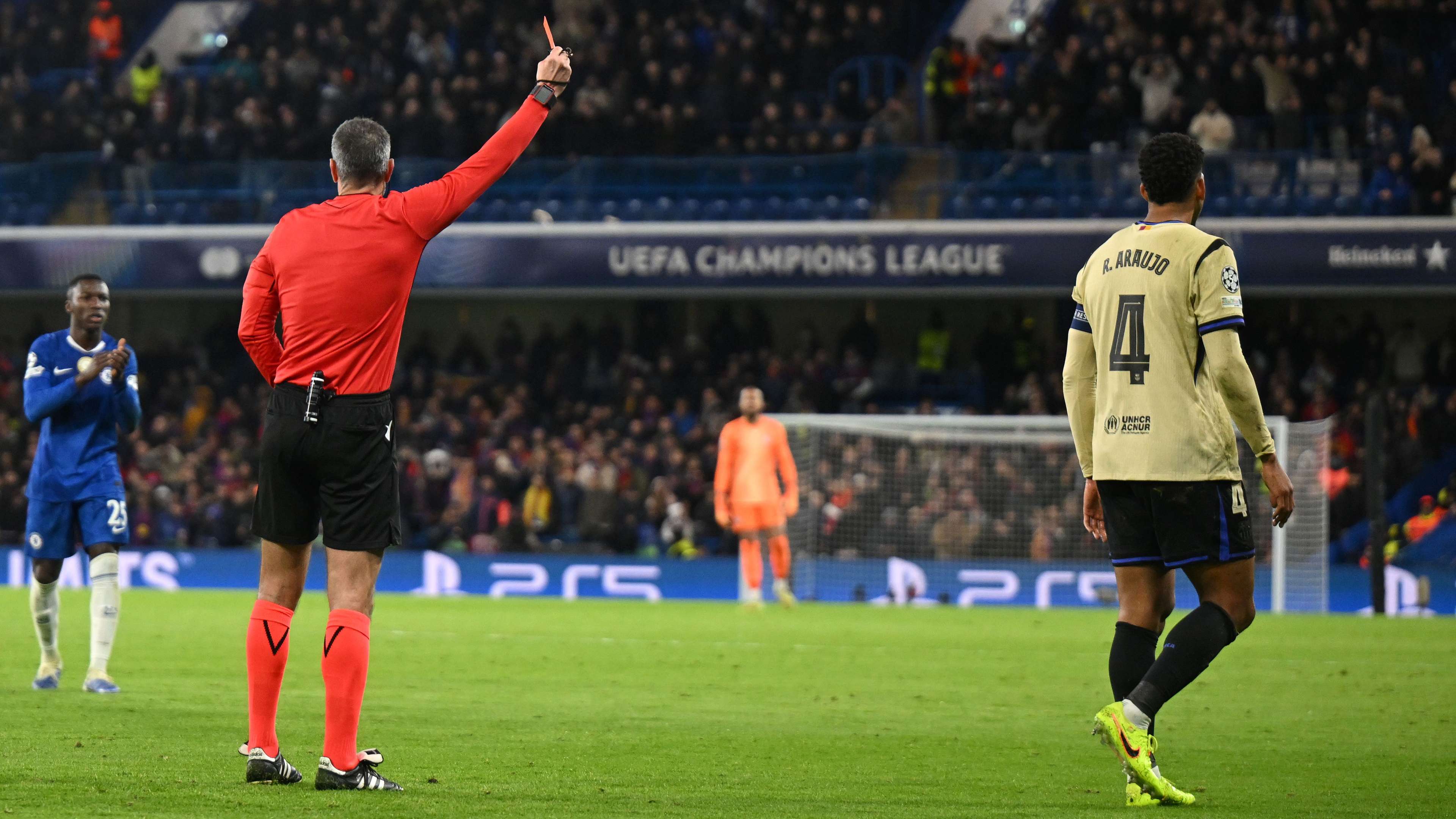 Getty Images Sport
'It eats you up' - Araujo on playing through pain
Speaking for the first time since his return to the fold, Araujo offered a candid and emotional insight into the darkness he had been living with long before his leave of absence. In a raw interview with Mundo Deportivo, the centre-back admitted that he had been masking his symptoms for 18 months, trying to maintain the facade of the tough defender fans adore.
"I'd been dealing with anxiety for a year and a half that turned into depression, and I was playing like that," he said. "That doesn't help, because on the field you don't really feel like yourself. You know your worth and what you can contribute on the field, and when I wasn't feeling well, I knew something was wrong. That day I realised that was it, that I needed to talk to professionals and the club so they could help me."
He explained that his cultural background and the machismo often associated with football made it difficult to admit vulnerability, adding: "You try to be strong, perhaps because of your roots, where you come from, you start to push forward, but I felt like I wasn't okay. Not just in sports, but also in my family and personal life. I wasn't feeling like myself, and that was when it clicked and I said: something's wrong, I need to speak up and ask for help. I'm the type of person who keeps everything to myself, but you also have to understand that there are professionals who can help you, give you tools to know how to handle certain situations… I needed to speak up and say that something was wrong with me so I could recover."
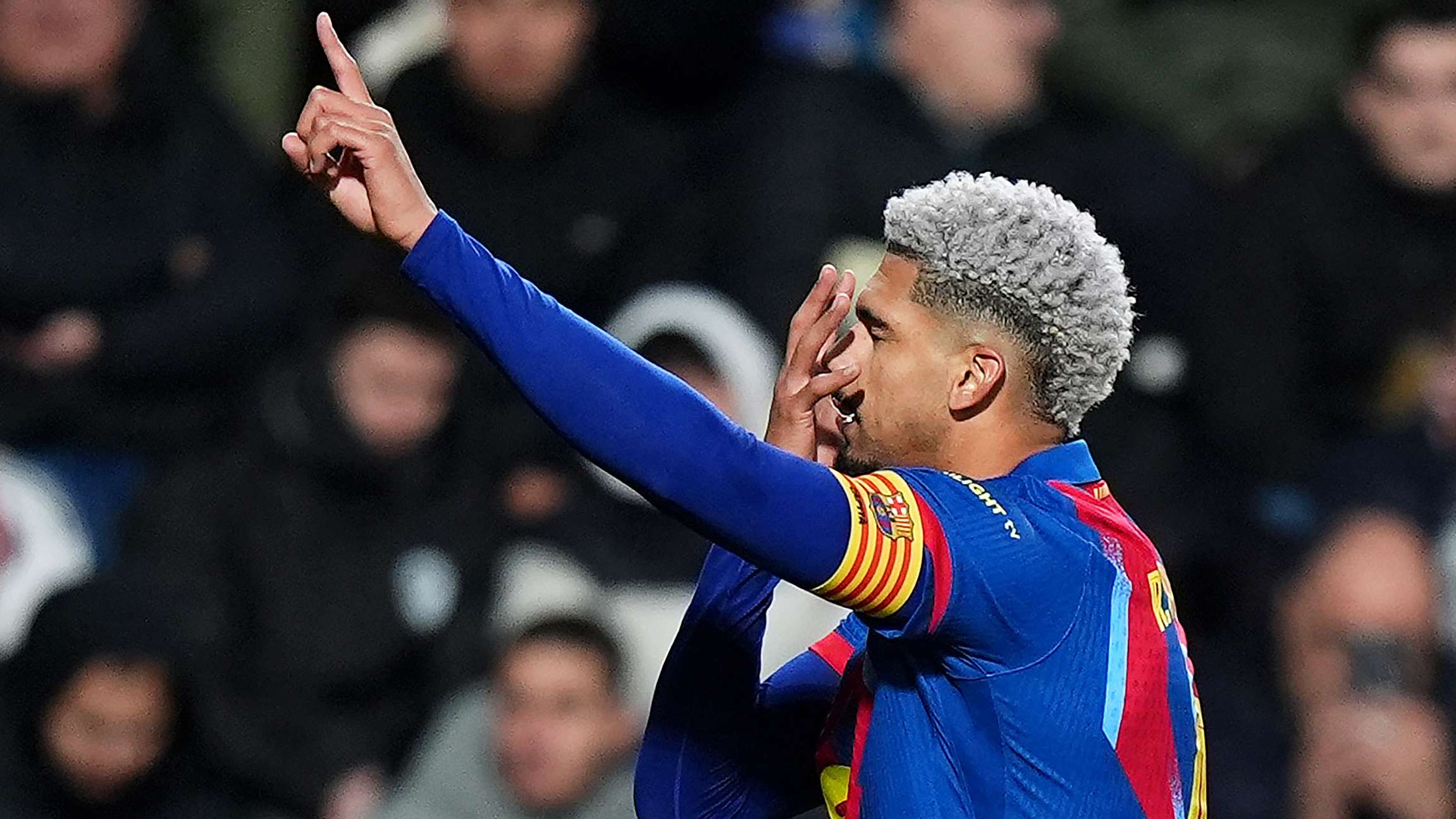 Getty Images Sport
A 'different person' returns to the fold
Having sought professional help and taken the necessary time to reset in Jerusalem, Araujo believes he has emerged from the darkness with a renewed perspective on life and football. His return to the pitch has already been marked by a goal in the Copa del Rey, but for Araujo, the biggest victory is his mental clarity.
"I think the worst is over. I've hit rock bottom. I'm well prepared, working with great professionals, and eager to face what's next," he said.
"Barcelona is my home. The city is my home. The club is my home. I've spent almost my entire professional life here. I feel very comfortable, valued by the club and the fans. And I'm really looking forward to seeing things from a different perspective and showing what I can do, which is play. I understand that there are two worlds, a real world and a virtual world. And in the real world, I feel the support of the fans, the Barca supporters, and the club. That's very important. I'm really eager to succeed here and win the important titles we all want."
Advertisement

